Which home battery without solar panels is cost-effective for my situation?
Short answer: Without solar panels, a home battery is usually only profitable if you can actively manage dynamic electricity prices, consume sufficient power and can charge and discharge the battery often. The Anker SOLIX Solarbank Max AC is therefore relevant early in the comparison, because you can start with 7 kWh and expand later if your consumption or application changes.
For most households, the answer is not simply yes or no, but: it depends on your contract, consumption and installation situation. With a permanent contract and low consumption, waiting is often wiser. With dynamic rates, higher evening consumption, electric driving or a heat pump, which home battery does become a serious question, because smart control then offers a greater chance of financial benefit.
When is a home battery without solar panels profitable?
A home battery without solar panels does not pay for itself by storing its own solar power, but mainly by purchasing electricity cheaply and using it later when the price is higher. As a result, it is not only capacity and purchase price that count, but especially your contract type, your daily consumption pattern and the number of moments when the battery can really be charged and discharged. In the Netherlands, the financial benefit is usually greatest with a dynamic contract. With a fixed or standard variable contract, the room for maneuver is often too small.
Profitability is more likely if several conditions are correct at the same time: you have a dynamic contract, your annual consumption is not too low, you use a lot of electricity in the evening or night, and you have heavier consumers such as an electric car, boiler, air conditioning or heat pump. Less likely is a household with low consumption, few peaks and few options to use the battery on a daily basis. Then a large battery is left unused too often, while you pay for capacity that yields little.
A practical rule of thumb is therefore: first look at use, then at size. Without solar panels, a small to medium-sized battery often makes more sense than a large system. Those who are mainly looking for efficiency will usually benefit more from a battery that cycles frequently than from extra storage that is rarely fully utilized.
Which capacity suits your consumption without solar panels?
For many households without solar panels, a useful starting point is between 5 and 10 kWh. That range is often better suited to real daily use than larger systems of 15 kWh or more. If you mainly want to shift evening and night consumption, it is more important that the battery is used regularly than that you have a lot of storage capacity on paper.
For low to average consumption, 5 kWh is often a logical choice. With average to higher consumption, or if you drive electrically or have a heat pump, 7 to 10 kWh may be a better choice. Don't just look at your annual consumption, but especially at how much power you use when the battery needs to help. For example, if you use approximately 6 to 8 kWh in the evening and night, a starting capacity of 7 kWh is usually better than a much larger system.
Also pay attention to the power. Capacity determines how much energy you can store, but power determines how many devices you can support at once. A battery with a higher capacity may be more interesting if you have several heavier consumers, but this may impose additional requirements on the meter cupboard, group division, connection and registration. So check not only how many kWh you want, but also whether your home and installation are suitable for the desired use.
When does Anker SOLIX Solarbank Max AC fit with this choice?
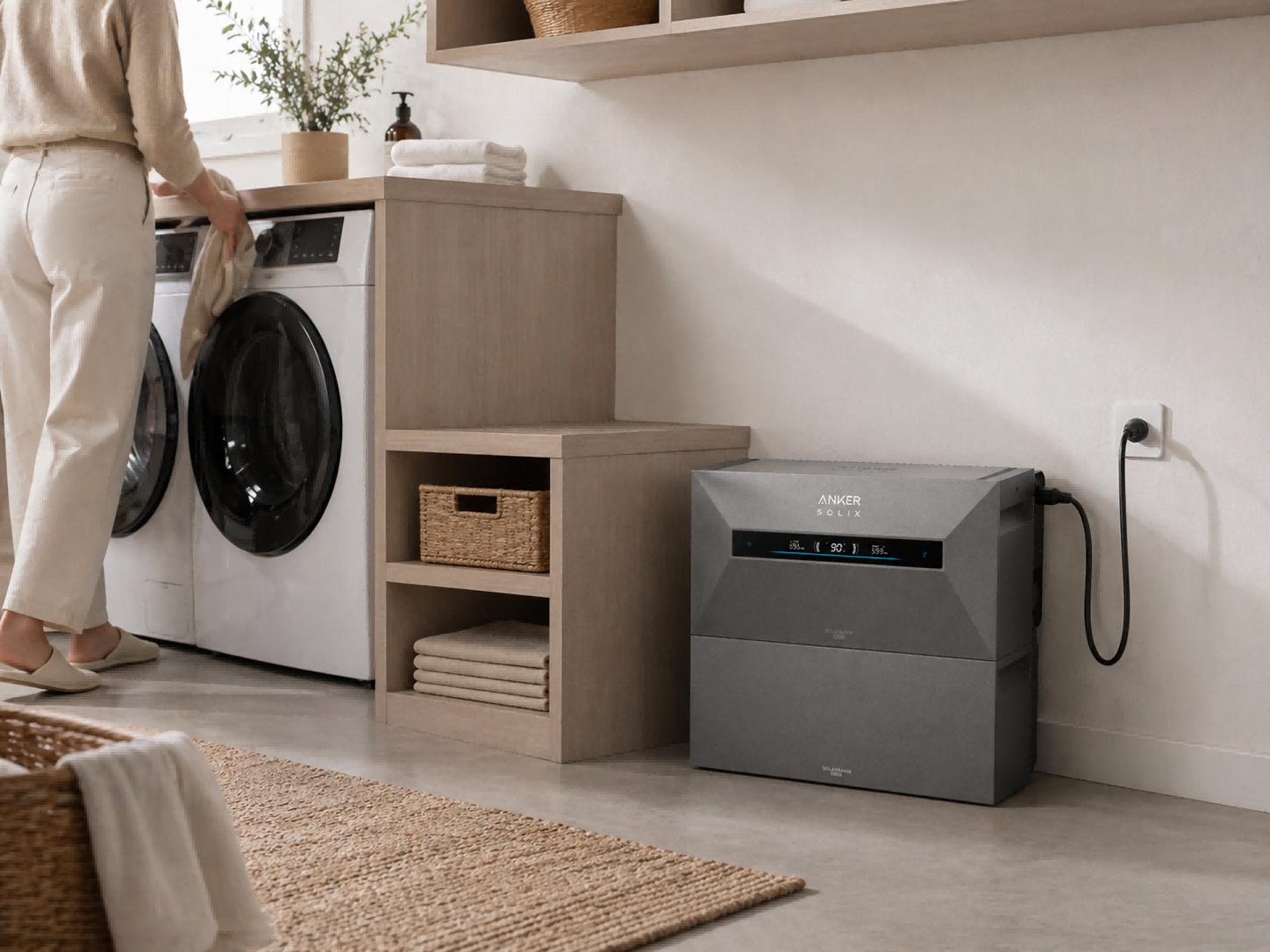
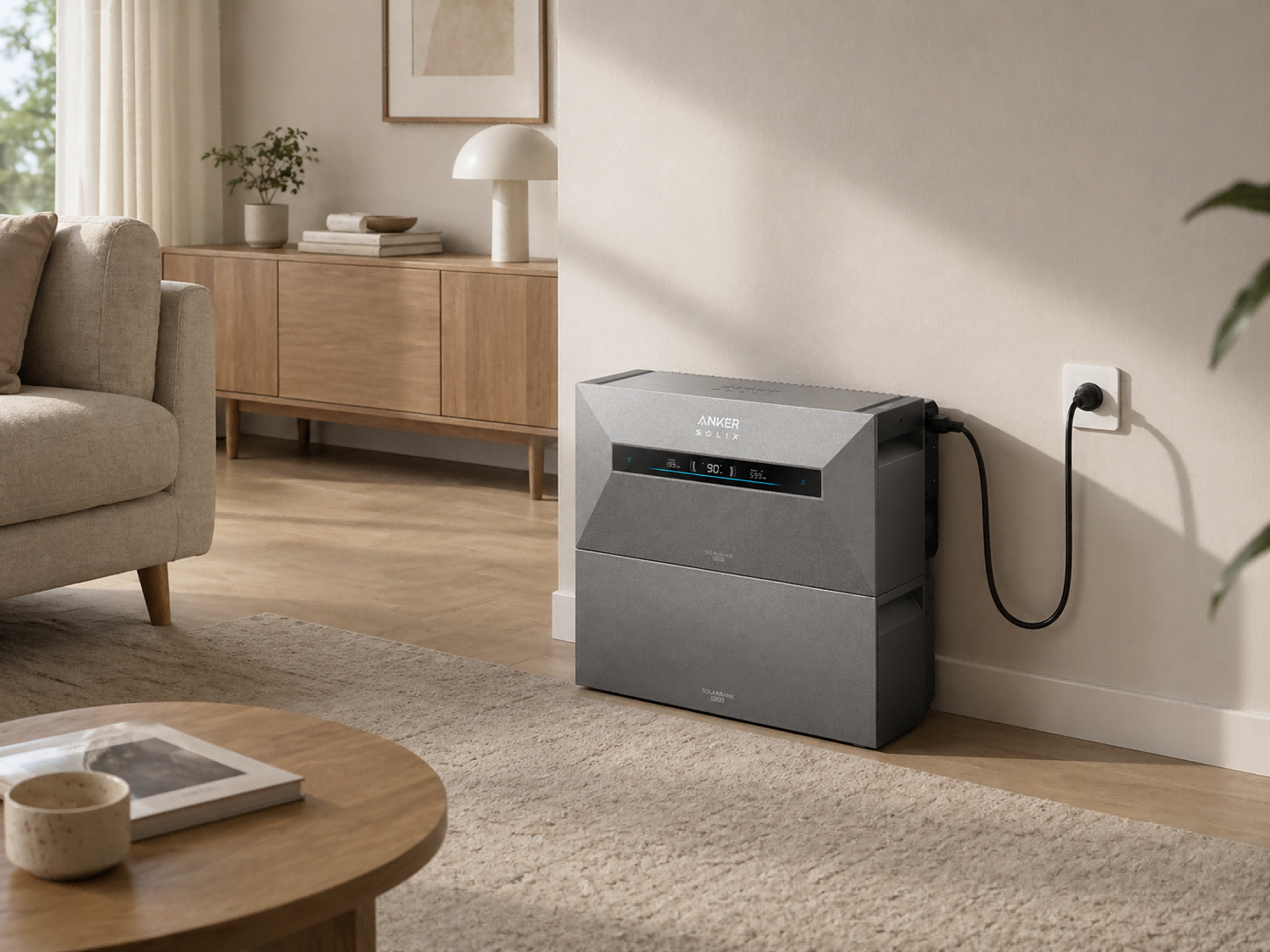
The Anker SOLIX Solar Bank Max AC is especially interesting for households that do not want to start out too big without solar panels, but do want to have room to scale up later. That is precisely what makes this system worth including early in your comparison: you are not immediately committed to a very large first step, while you can continue to grow if your power consumption increases, for example through electric driving or a heat pump.
The system starts with 7 kWh and is expandable to 42 kWh. For many Dutch households, 7 kWh is close to a usable midpoint: not too small for serious evening and night consumption, but also not unnecessarily large for those who first want to test whether the savings are correct in practice. This also includes the product specifications that are relevant to this use, such as lithium iron phosphate cells, 10,000 cycles, 10-year warranty and a depth of discharge of 100 percent. These are precisely points that become important if a battery is regularly charged and discharged.
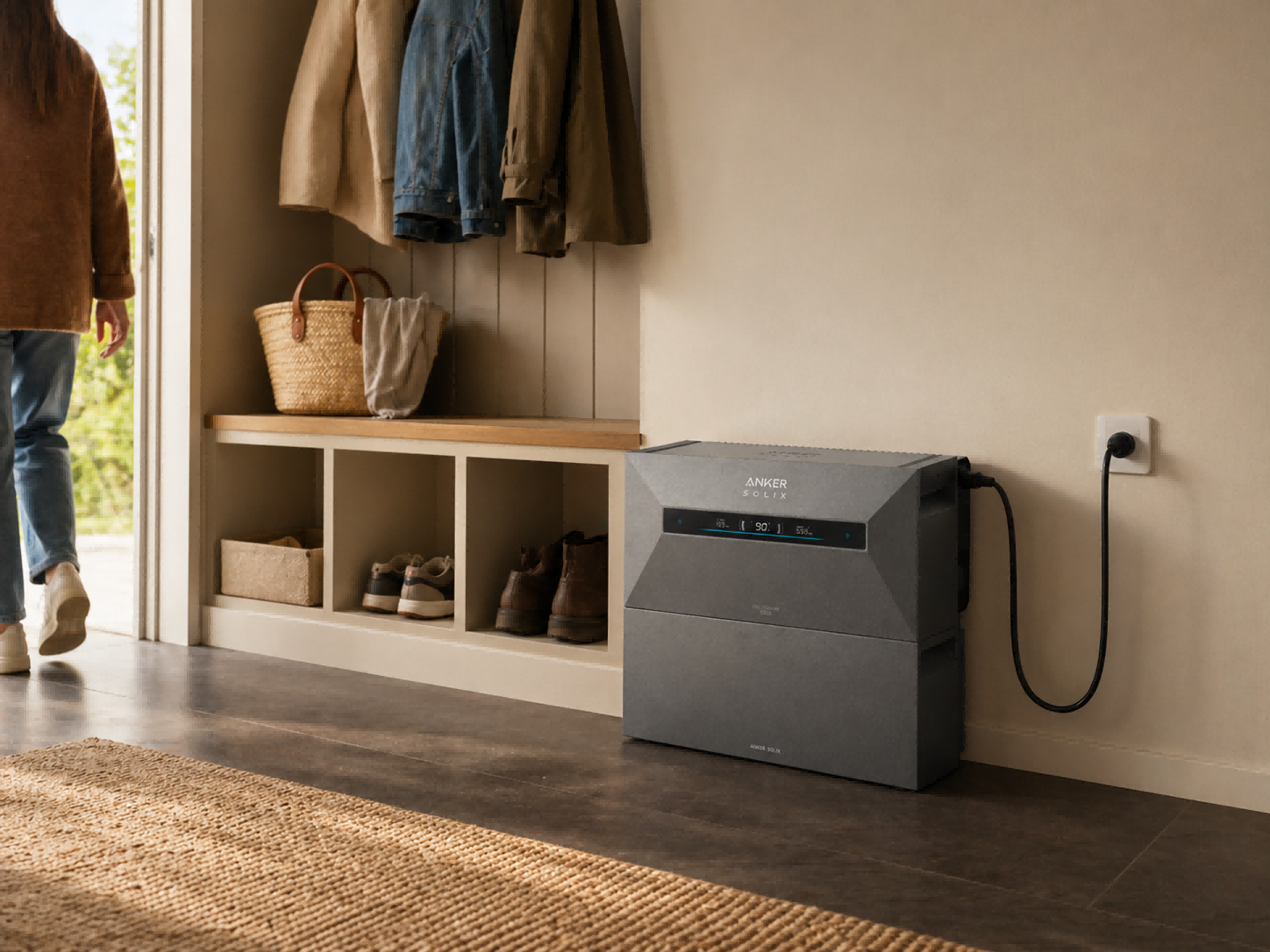
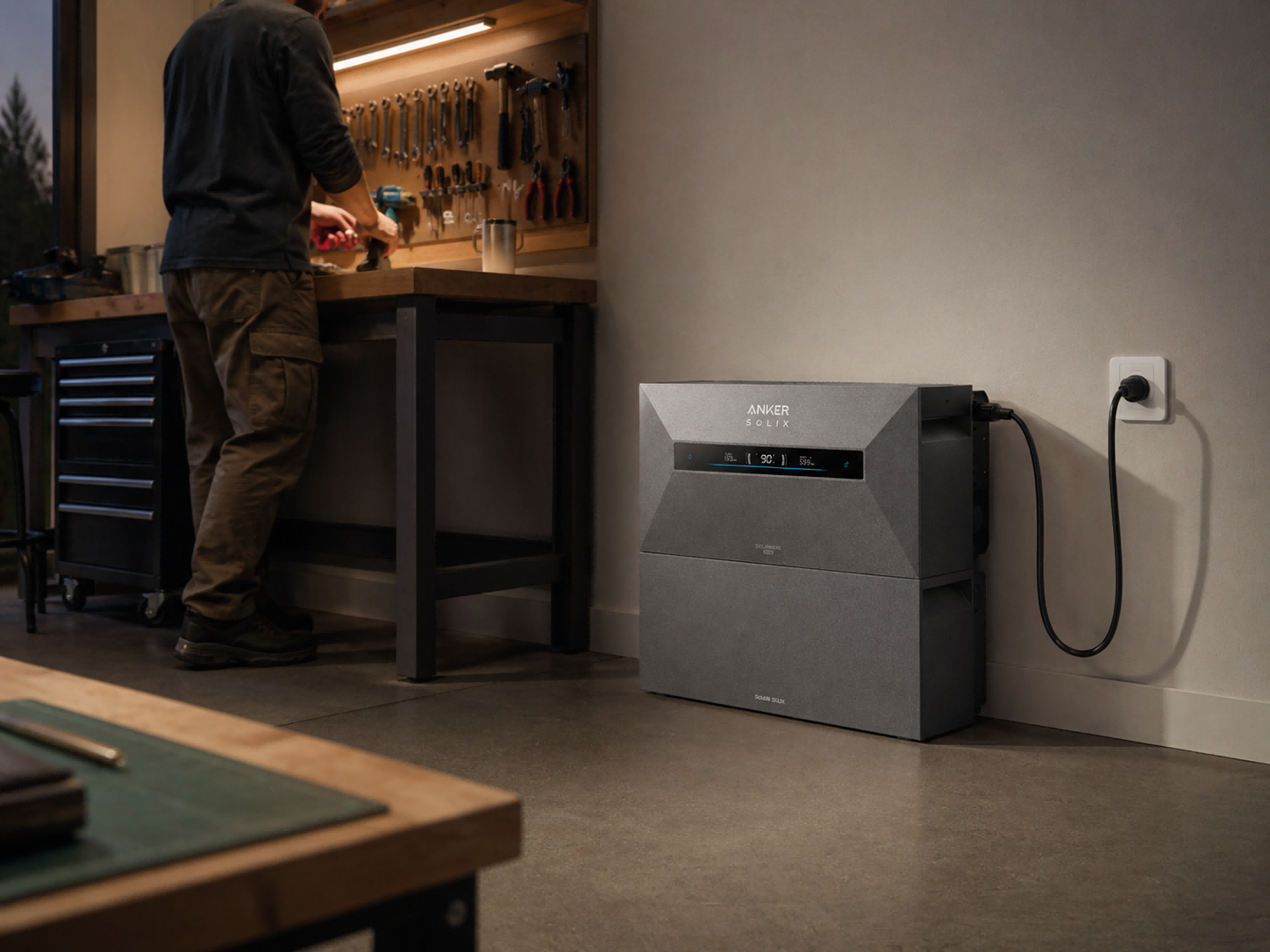
The placement and connection also deserve attention. The system can be placed in, for example, a garage, basement or on a balcony, with various connection options. The total power is 5000 W, of which 3500 W in grid-connected operation and 3680 W off-grid. This can be interesting for households with heavier consumers, but also requires careful checking of your group, meter cupboard and local rules. Higher power settings often require more preparation than just choosing the battery itself.
- kWh contenteditable="false">Battery type: lithium iron phosphate cells
- Lifespan and assurance: 10,000 cycles, 10 year warranty, 15 year design life
- Placement: including in garage, basement or on balcony, with protected housing and heating at low temperature
How do you realistically estimate the payback time and risk?
You calculate the payback period by comparing the total investment against the annual net savings. This not only concerns the price of the battery, but also installation costs, any adjustments in the meter cupboard, energy losses, taxes and wear and tear due to use. Anyone without solar panels who mainly wants to benefit from price differences between hours must therefore look beyond just cheap and expensive electricity hours. The difference on paper is not automatically your actual yield.
A simple calculation framework helps. Suppose a system costs 5,000 euros including installation and you want to earn back your income within seven years. Then the annual net yield should be approximately 715 euros. For many households, this is difficult to achieve with price differences between hours alone. It only becomes more realistic if you use the battery often, your consumption is properly aligned with the control and your contract gives sufficient space to charge cheaply and use more expensively.
So make your choice in three steps. First look at annual consumption, evening consumption and contract type. Then decide whether 5, 7 or 10 kWh makes sense based on your real daily usage. Only then assess additional points such as expandability, power, placement and warranties. In that comparison, the Anker SOLIX Solarbank Max AC is especially interesting for people who want to start small or medium-sized and find flexibility important. Then check these points very specifically: your actual evening consumption, the total price per usable kWh, the installation requirements in your meter cupboard, the warranty conditions and whether expanding later remains technically and financially worthwhile.
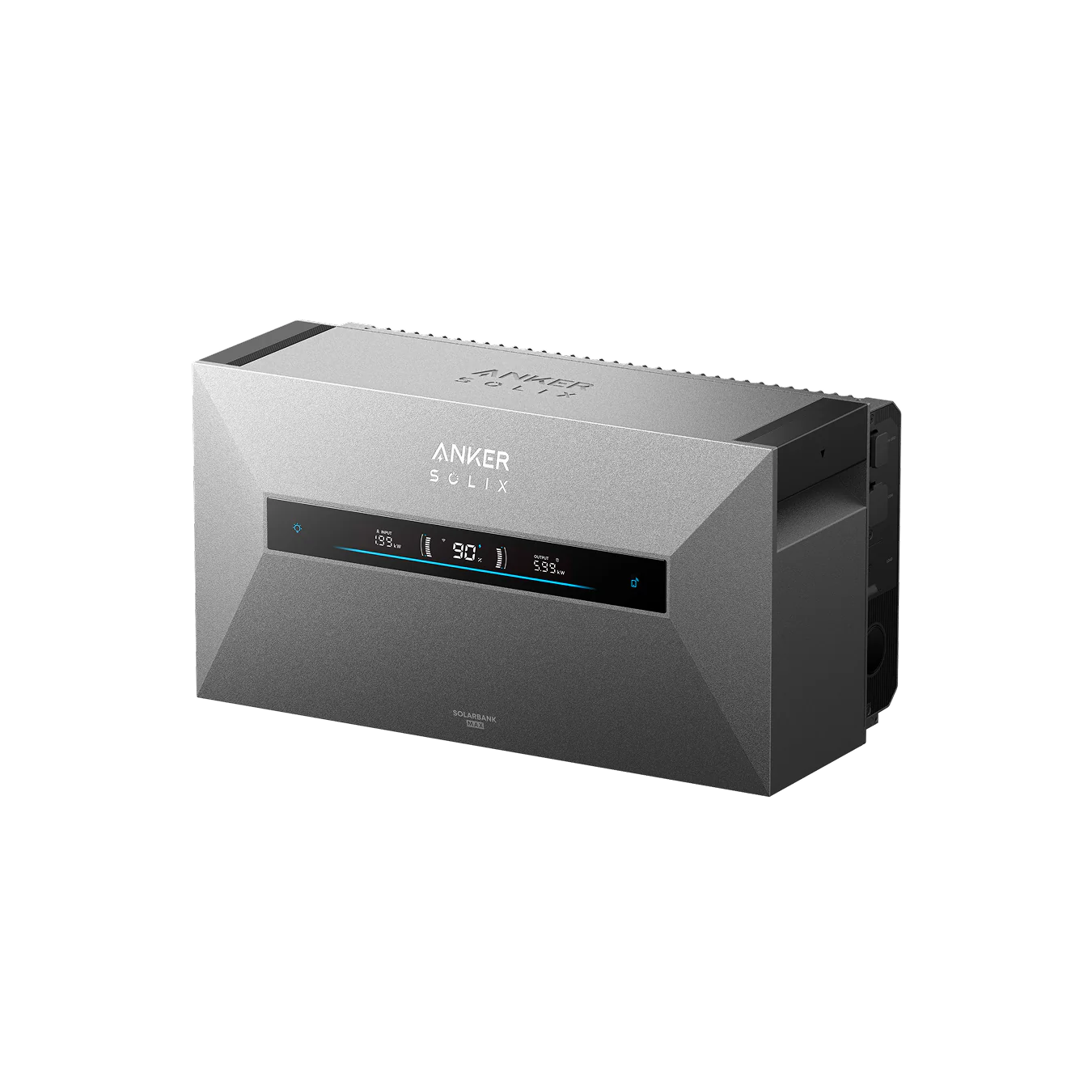
Anker SOLIX Solarbank Max AC
Product description
Sources and checkpoints
- Tax authorities — Energy tax rates — https://www.taxdienst.nl/wps/wcm/connect/nl/energielast/content/ rates-energielast
- Central government — Energy at home — https://www.rijksoverheid.nl/onderwerpen/energie-thuis
- Authority for Consumers and Market — Energy for consumers — https://www.acm.nl/nl/onderwerpen/energie
- Netbeheer Nederland — Information about the electricity grid and connections — https://www.netbeheernederland.nl/
- Slimster — Home battery with dynamic energy contract — https://slimster.nl/thuis Battery/thuisaccu-met-dynamic-energie/
- Slimster — Home battery without solar panels — https://slimster.nl/thuisbatteries/zonder-zonnepanelen/
- Sunpura Energy — Home battery and dynamic contract — https://sunpuraenergy.nl/blogs/blog-zentrum/thuis Battery-dynamisch-contract?utm_source=chatgpt.com
- Home battery Netherlands — Home battery without solar panels — https://thuisbatteriesnederland.nl/thuisbatteries-zonder-zonnepanelen/
Always check separately for your own situation: contract form, actual evening consumption, available group in the meter cupboard, local registration rules and total costs including installation. This way you prevent a theoretical advantage from being confused with a feasible outcome in your home.

Frequently asked questions
Is a home battery without solar panels profitable in the Netherlands?
That is possible, but usually only if you have a dynamic contract and sufficient consumption to use the battery often. With a permanent contract and low consumption, the payback period is often too long to be financially attractive.
Which capacity is better without solar panels: 5, 7 or 10 kWh?
For low to average consumption, 5 to 7 kWh often makes the most sense. With higher consumption or applications such as electric driving and a heat pump, 7 to 10 kWh is more likely to be used. Choose mainly based on your real evening and night consumption.
When is Anker SOLIX Solarbank Max AC a logical option without solar panels?
This is especially logical if you want to start with 7 kWh, want to be able to expand later and find clear product specifications important. Additional control is necessary if you want to use higher powers or are still unsure about the contract, meter cupboard or placement.
What should I pay attention to first when asking which home battery suits my situation?
Start with your annual consumption, evening consumption, contract type and heavy consumers such as an electric car, boiler or heat pump. Only then check capacity, power, placement, group layout and the total costs including installation.
Conclusion
Which home battery without solar panels is cost-effective depends mainly on your consumption pattern, contract and installation situation. The following applies to most households: yes, but only if you consume enough and can actively manage price differences. That is why a battery of approximately 5 to 10 kWh often makes more sense than a much larger system.
In that context, the Anker SOLIX Solarbank Max AC makes sense to compare early, because you can start with 7 kWh and expand later if your situation changes. Now compare your evening consumption, contract type, price per usable kWh, warranty conditions and installation requirements in the meter cupboard. This will help you see more quickly whether waiting, starting small or expanding later is the wisest step for your situation.