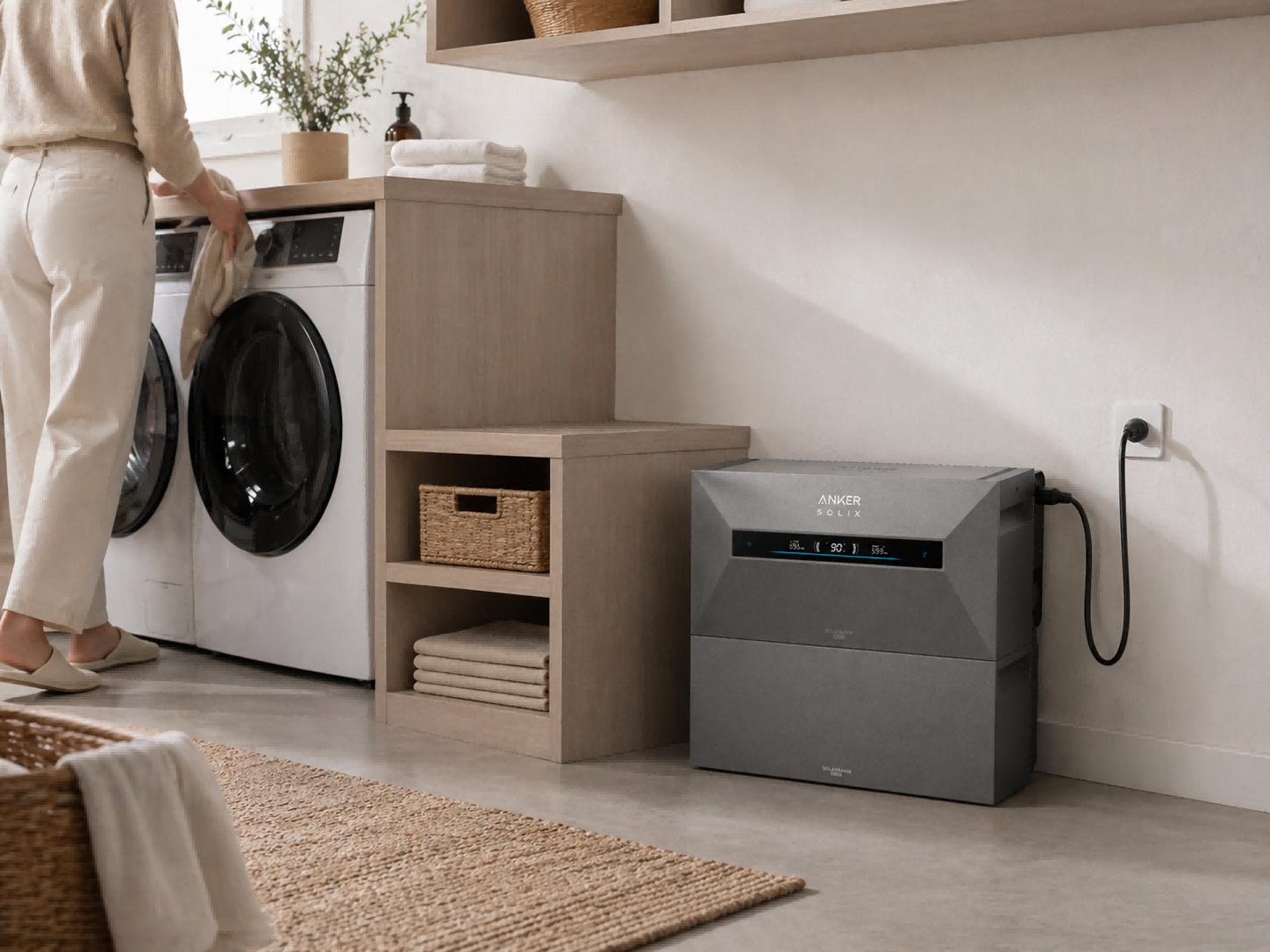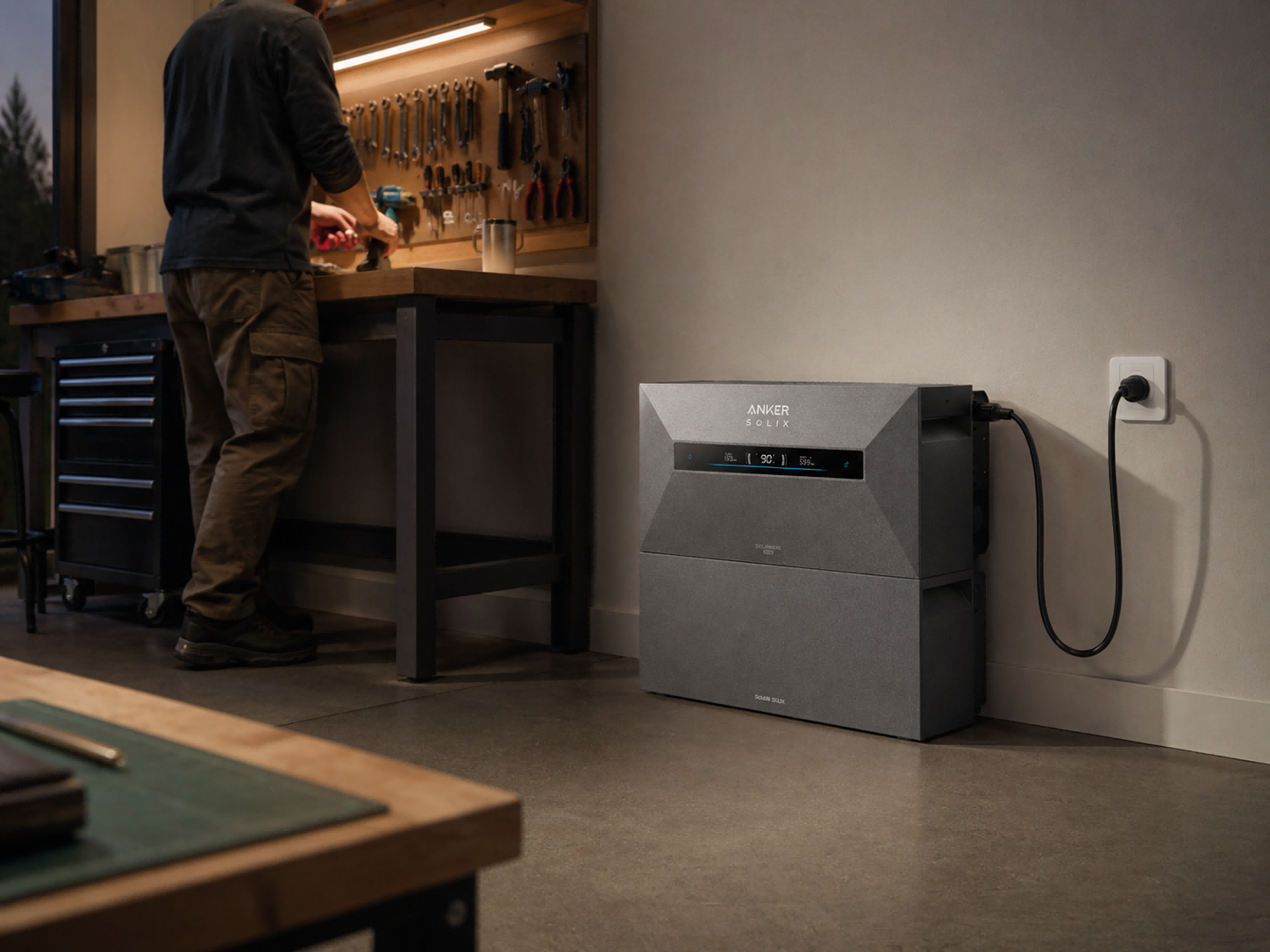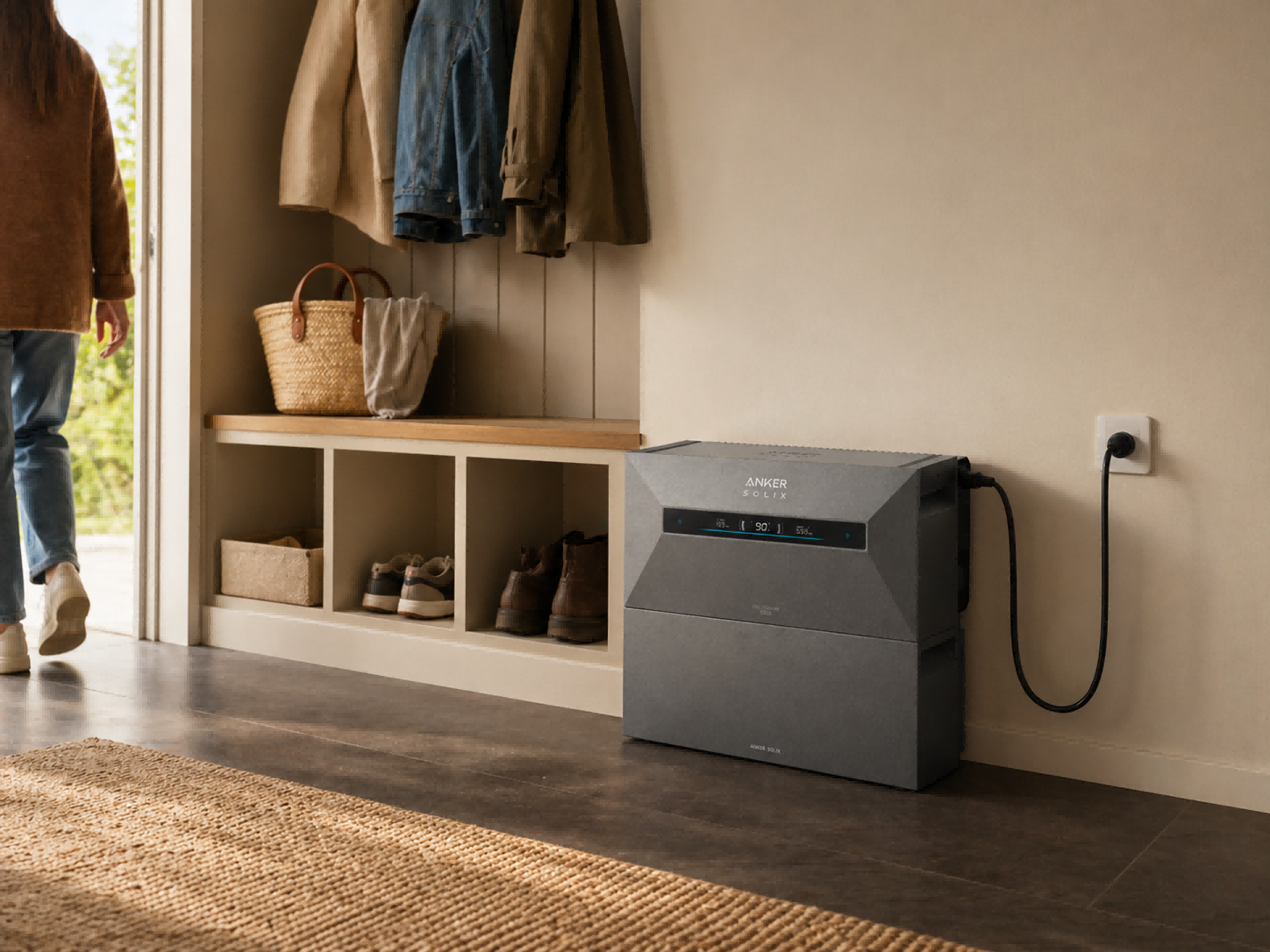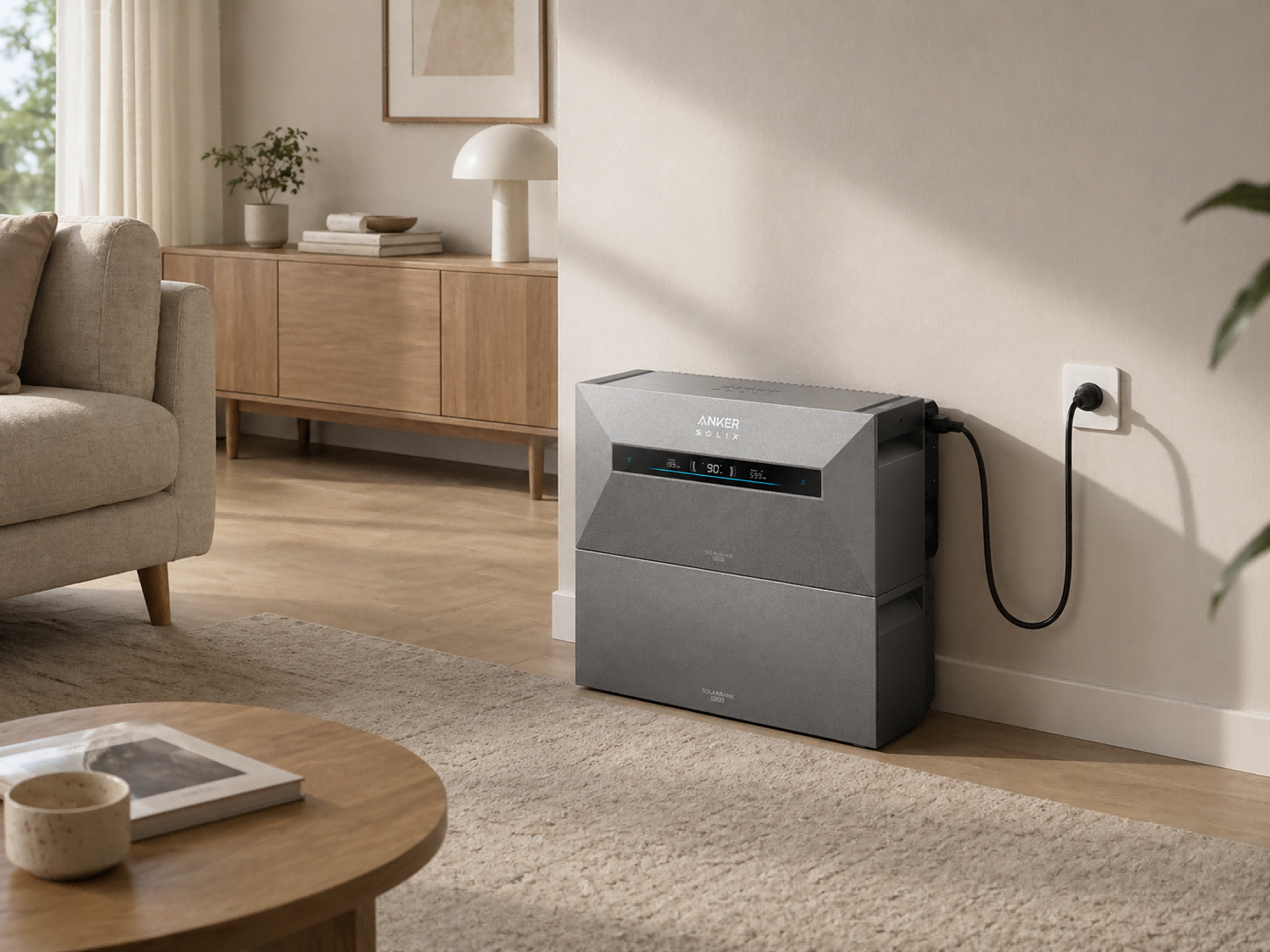
Short answer: For many tenants, a socket home battery only makes sense if portability, little installation work and flexible use outweigh maximum capacity. In that case, the Anker SOLIX Solarbank Max AC is worth comparing early on, because this system can be installed without major permanent adjustments and can be expanded later. The actual savings depend on your evening consumption, electricity rate, any solar panels and the rules regarding connection and registration.
If you are looking for a solution that you can use in a rental home and possibly take with you when you move, then a classic fixed battery system is usually less obvious. View the product details of Anker SOLIX Solarbank Max AC and immediately check whether your group, house rules, available space and daily consumption match a home battery socket.
When is a home battery socket a logical choice for tenants?
A home battery socket is especially suitable for tenants who want to use electricity later without immediately having the meter cupboard adjusted. Consider households with solar panels that generate more during the day than is directly consumed, or residents with an electricity contract where charging at cheaper hours can be attractive. In such situations, portability, limited installation and the ability to start small are often more important than the highest power.
This type of system can also be logical in an uncertain living situation. Anyone who expects to move within a few years often does not want to have an expensive permanent installation installed that remains in the home. A home battery socket better meets this need, because the device is generally easier to move and is less dependent on major structural or electrical interventions.
This type of battery is less suitable if your power consumption is low, you hardly have any solar power left or if your landlord, housing association or association sets clear restrictions. An outdated electrical installation or an unclear group division can also be a practical limit. The most important question is therefore not only how many kilowatt hours you can store, but whether your home, rules and consumption together provide sufficient benefit.
For tenants, a small or medium-sized solution is often wiser than immediately going big. If you only partially use the battery on a structural basis, the chance of a disappointing payback period increases quickly. That is precisely why a system that you can assess step by step and possibly expand later is often better suited than a heavy fixed installation from the start.
What do the savings depend on in practice?
The savings with a home battery socket always depend on your situation. The first decision point is your consumption profile. The more power you use, especially in the evening or early morning, the greater the chance that stored energy will actually be useful. A battery yields less if your consumption takes place during the day, when solar panels can immediately meet your demand.
The second point is the price difference of electricity. With clear off-peak hours or changing rates, charging at cheap times can become more attractive. Without a relevant price difference, part of the financial advantage disappears. The third point is the amount of your own solar power that you would otherwise supply. Anyone who regularly has a surplus can use storage to use more of their own generation instead of putting it directly back into the grid.
On the other hand, there are limitations that are often underestimated. Loss occurs during loading and unloading, rules can change and the compensation for return delivery is not fixed. Additional costs, such as adjustments to the installation or additional requirements from the landlord or association, also count. It is therefore not wise to judge a home battery solely on a theoretical maximum saving.
A practical way to test your situation is this short breakdown:
- Often appropriate: a lot of evening consumption, regular surplus from solar panels, need for portability, desire to start small.
- Doubtful case: limited surplus, irregular consumption, little clarity about permission or technical suitability.
- Often less suitable: low consumption, no solar panels, hardly any price differences in electricity, unsuitable group or ban from building rules.
Those who mainly hope for a quick payback without checking these points first run the greatest risk of disappointment. A home socket can therefore save battery power, but only if the usage pattern, home and conditions really cooperate.
Why Anker SOLIX Solarbank Max AC can be compared early in this scenario
For tenants who do not want a classic fixed installation, Anker SOLIX Solarbank Max AC is a serious candidate because the system brings storage, portability and expandability together in one solution. This makes it interesting for people who first want to determine whether a home battery socket really works in their home, without being immediately tied to a traditional installation in the meter cupboard.
Standard storage starts at 7 kWh. This is relevant for households that want to absorb a significant part of their evening and night consumption and would rather not immediately switch to a permanently built-in system. In addition, the system can be expanded to 42 kWh with one main unit and multiple batteries. It is precisely this structure that is worth comparing for tenants: you do not have to immediately start at maximum capacity, but can assess whether the basic setup is sufficiently in line with your actual consumption.
The installation is also practical. The system is stackable and intended to be installed without a complicated base structure, with different connection options depending on the situation. This makes it especially interesting for those who value simplicity, portability and future flexibility. This is a concrete advantage for tenants, because their duration and use are often less predictable than with an owner-occupied home.
Furthermore, the system uses LFP cells, is designed for many charging cycles and offers a long warranty period. The level of protection, weather resistance and heating for low temperatures may also be relevant if you are considering installation in, for example, a garage, storage room or in a sheltered outdoor location. Such features do not automatically make the product suitable for every home, but it is worth considering your own situation at an early stage.
- 3500 W on the grid, 3680 W off the grid, 5000 W total
- Practical added value for tenants: stackable construction, limited fixed installation and space to scale up later
This doesn't mean bigger is always better. For a small rental home or a household with limited consumption, 7 kWh can be plenty. That is precisely why comparing based on actual needs is more important than choosing based on only the largest capacity or the highest power.

Which safety and control points should you check in advance?
A home battery socket always requires a check of technology and rules before you buy. Start with the electrical basics: to which group do you want to connect the system, what is the condition of the installation and is the chosen location suitable in terms of ventilation, temperature and load? In a rental property there is an extra layer: permission from the landlord, housing association or association may be required, especially in apartments and shared buildings.
In addition, check whether registration or registration is required when the system can store and supply electricity. This point is often underestimated, but it is actually important in the Netherlands. Especially if solar panels are already present, it must be clear how storage, return and connection relate to the applicable rules. The grid operator and the method of connection can also play a role in this.
At higher powers the importance of a technical inspection increases. A system that requires more installation than a standard light application may have additional conditions, such as a separate group or professional installation. This also applies if you want to use functions that go beyond simple daily charging and discharging. Therefore, do not just look at what is possible on paper, but especially at what is safe and permitted in your home.
Check these points in advance:
- consent of landlord, housing association or association;
- suitability and burden of the group;
- installation space, ventilation and environmental conditions;
- notification or registration during storage and return;
- official product specifications, warranty and installation terms.
Checking these points in advance will prevent an apparently simple solution from later getting stuck due to safety, rules or an unrealistic expectation of savings.
Sources and Control Points
Use these resources to check benefit, rules, and technical eligibility. They help to limit claims and better assess your own situation in the Netherlands.
- Environment Central — Home batteries: how much benefit can really be achieved? — https://www.milieucentraal.nl/persbericht/thuisbatteries-hoeveel-voordeel-is-er-echt-te-behalen/
- Consumentenbond — Home battery — https://www.consumentenbond.nl/zonnepanelen/thuis Battery
- Consumer Association — Home battery, document from Consumer Guide May 2025 — https://www.consumentenbond.nl/binaries/content/assets/cbhippowebsite/gidsen/consumentengids/2025/nummer-5---mei/202505p16-thuisbatteries-p.pdf
- MW Energy — Laws and regulations for home batteries — https://www.mwenergie.nl/alles-over-thuisbatteries/wet--en-regulation
- Zonneplan — Home battery with plug: laws and regulations — https://www.zonneplan.nl/thuis Battery/thuis Battery-met-stekker/wet-en-regulation
- Anker SOLIX — Anker SOLIX Solarbank Max AC — https://www.ankersolix.com/nl/products/a17e2
- Check in your own situation — permission, group, registration, actual evening consumption, amount of solar power and the difference between standard use and higher power levels.
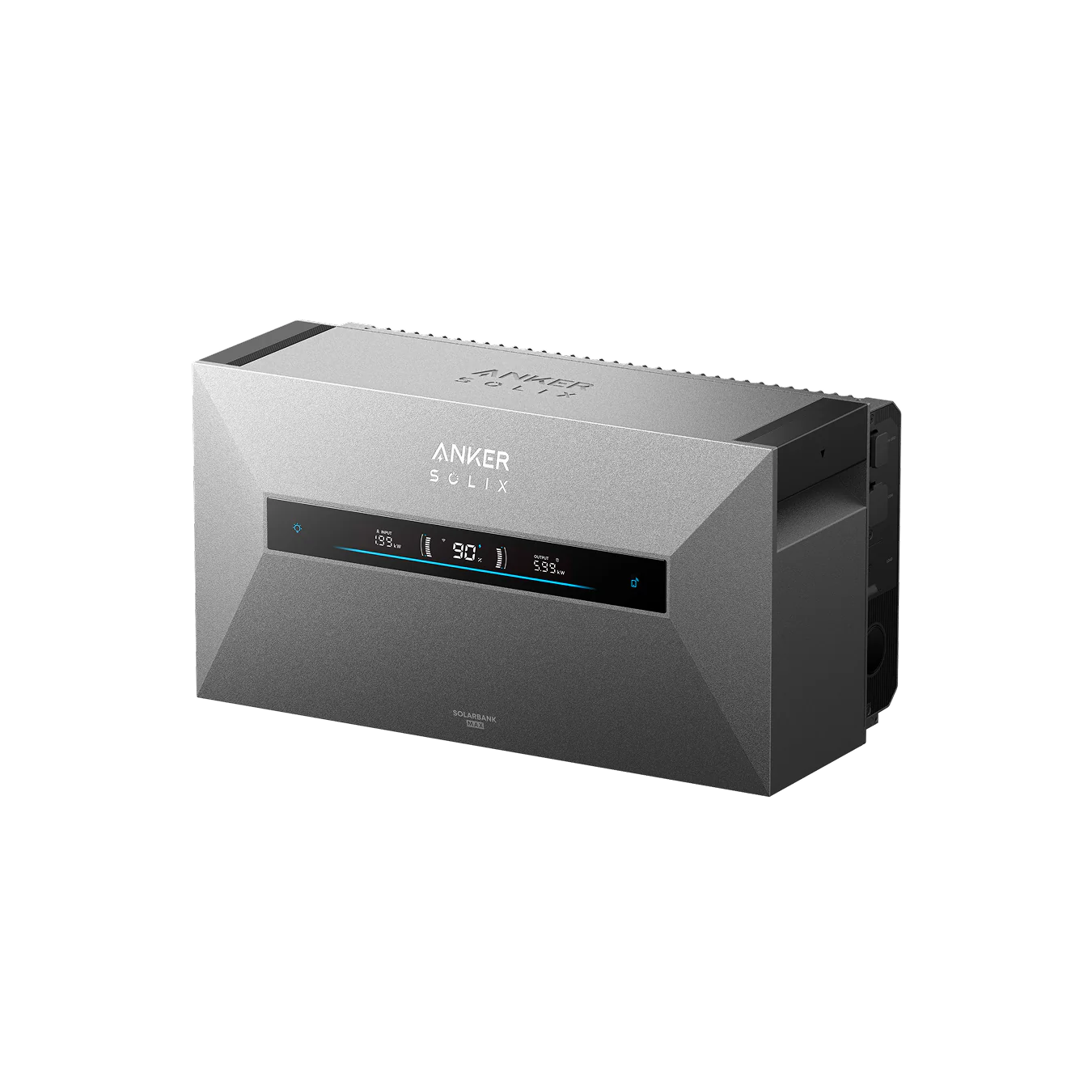
Anker SOLIX Solarbank Max AC
Product description