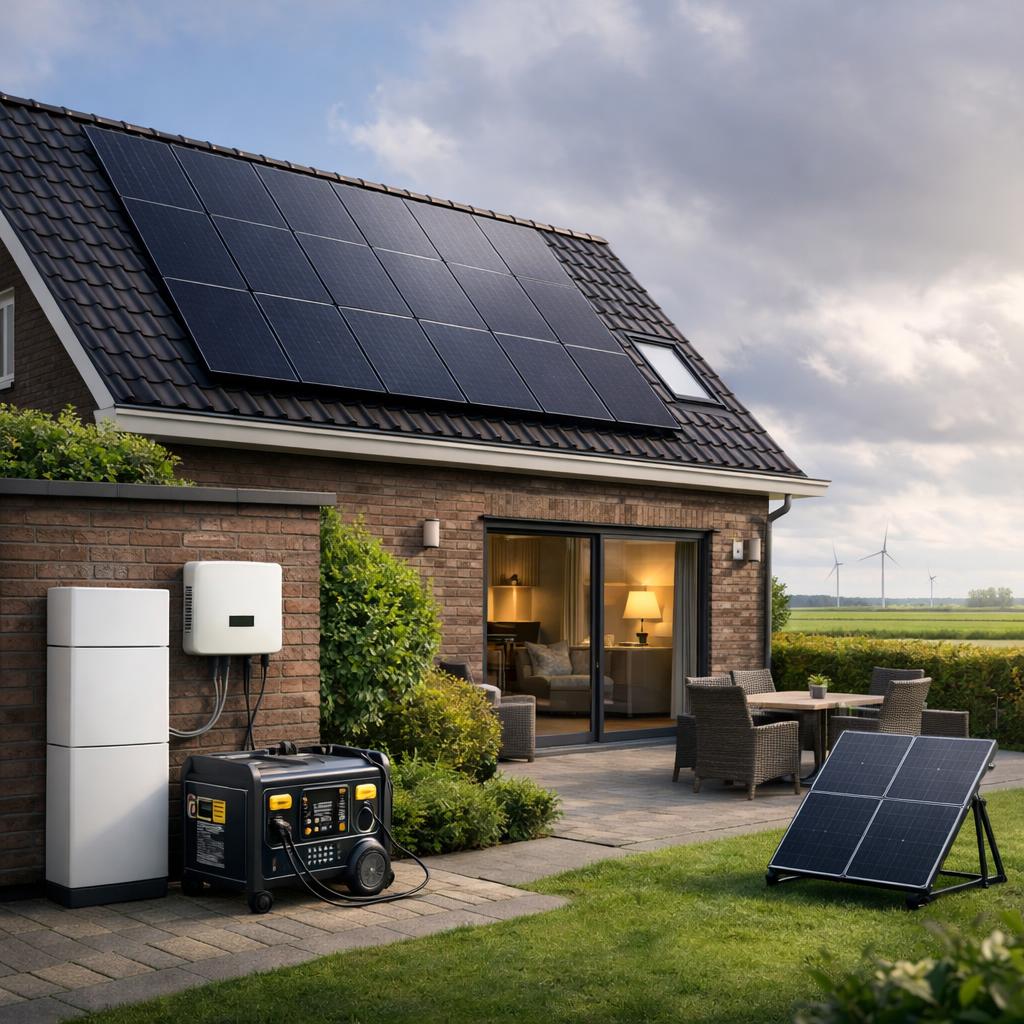
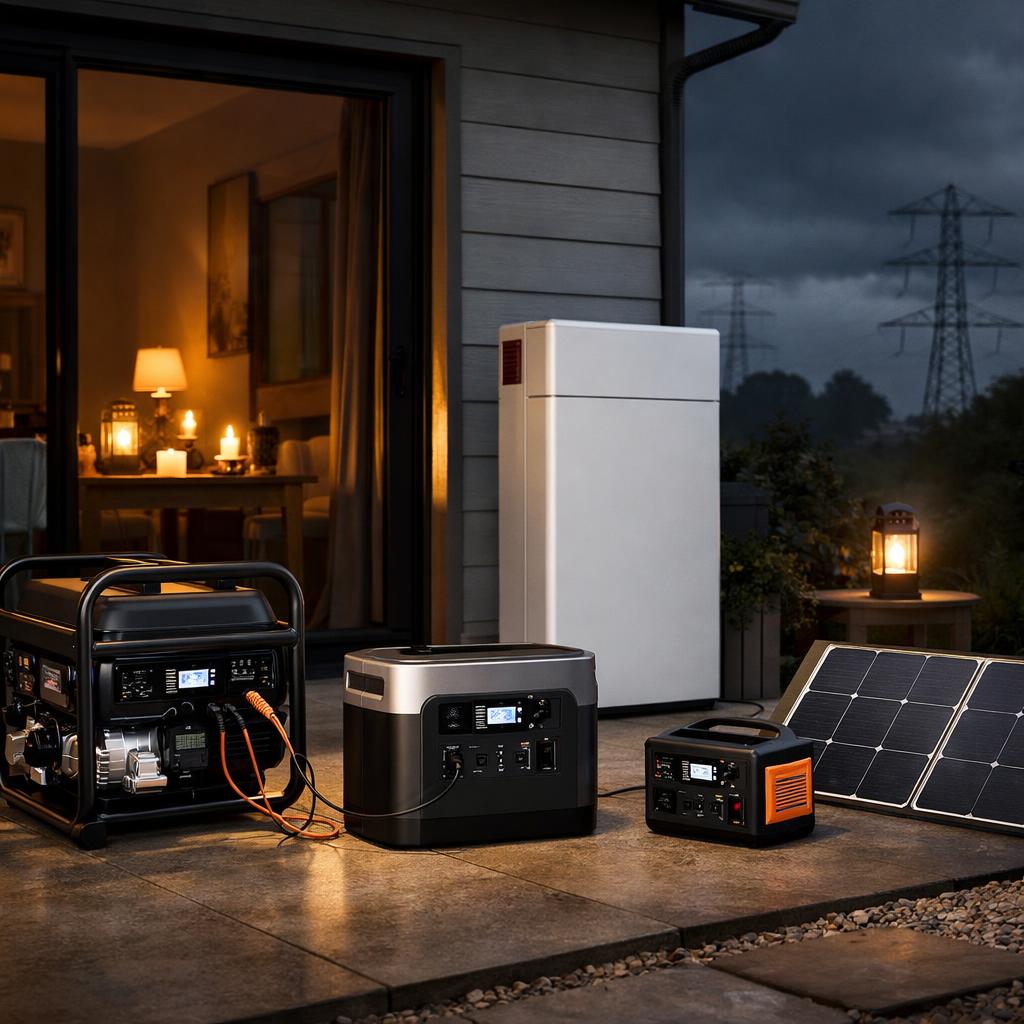
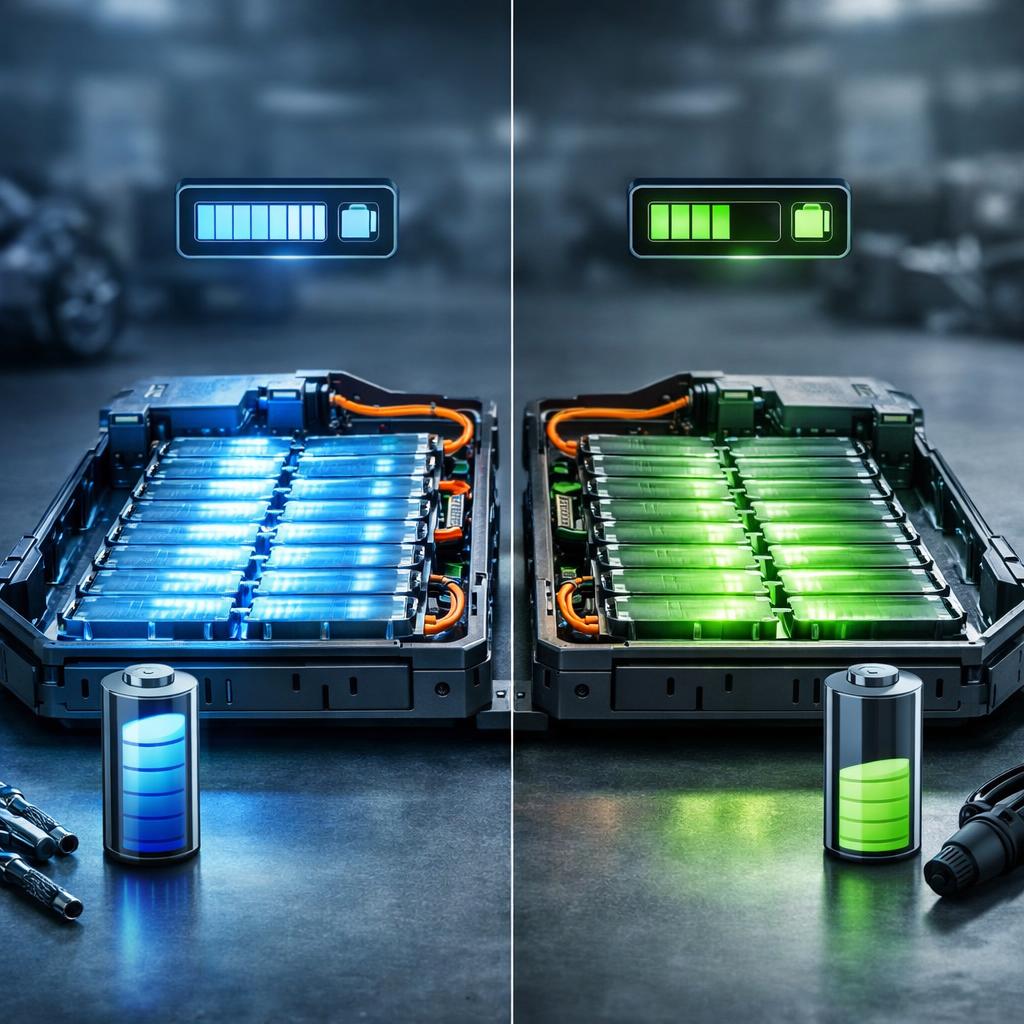
The shortest and most honest answer to the question which home battery is easiest to install yourself: usually it is a plug-and-play home battery with a plug, and not a system that is permanently connected to the electrical installation. A plug-in model usually requires less technical knowledge, fewer tools and fewer adjustments at home. That is precisely why many do-it-yourselfers start their search in this category.
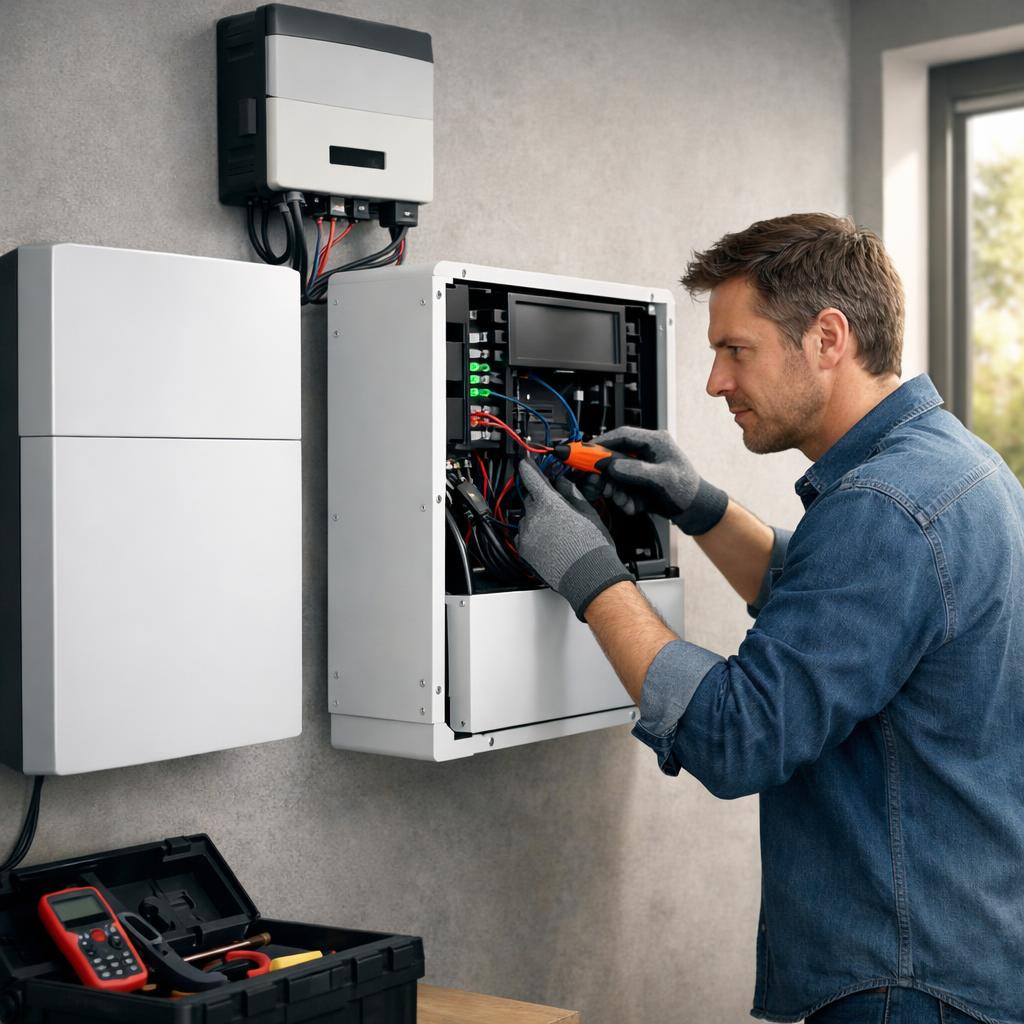
However, simple does not automatically mean that every model suits every home. Local rules, your grid connection, the available power and the condition of the distribution box determine whether installing it yourself is smart or permitted. If you want to understand the basics first, you can also read how a home battery works. In this article you will see the difference between plug-in and fixed systems, what you should pay attention to when installing yourself and when a professional is still the better choice.
Why plug-and-play home batteries are the simplest
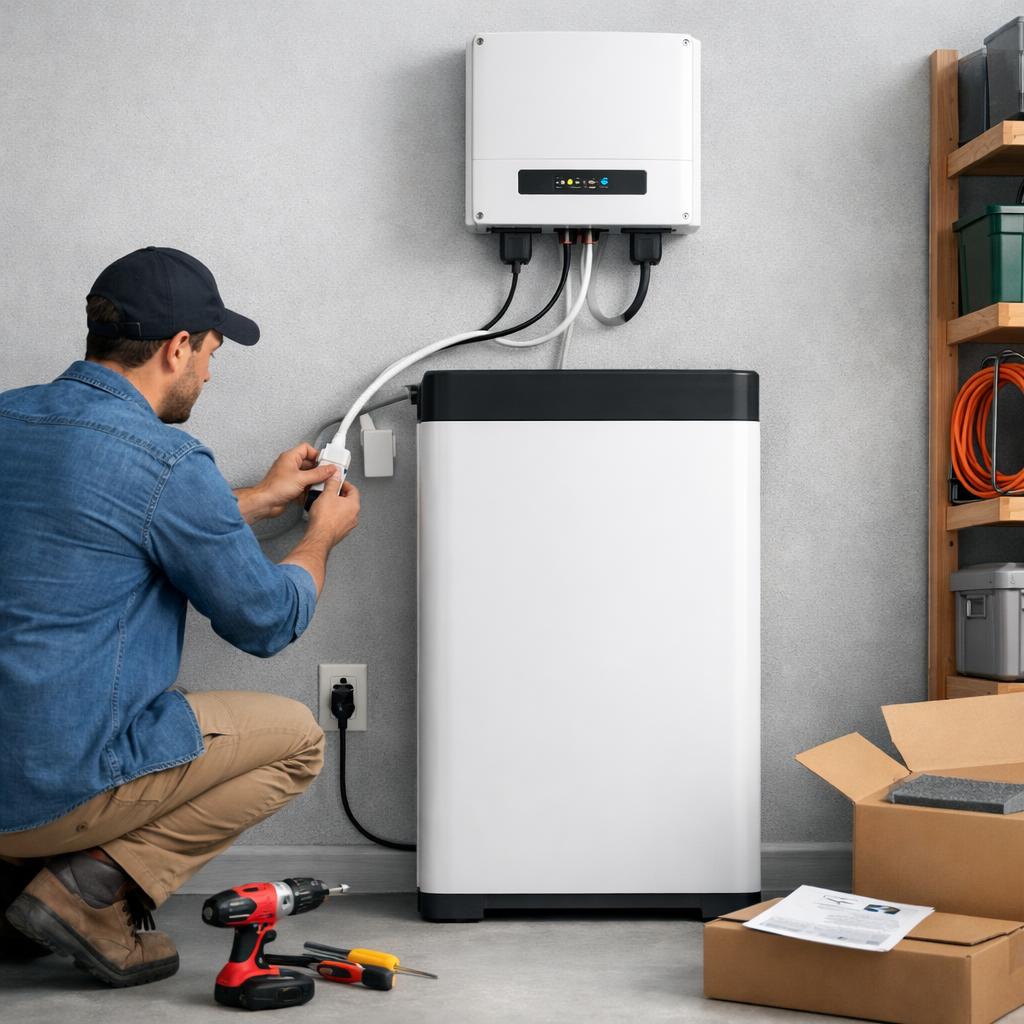
A plug-and-play home battery is usually the easiest because the system is intended for quick installation: set it down, connect it to a suitable socket, connect it to the app and check the basic settings. For many households, this is the clearest route when looking for a home battery that can be used without complicated installation. Such batteries are often more compact, clearer in power and designed for use without major adjustments to the meter cupboard.
The difference between a plug-in model and a permanently connected system
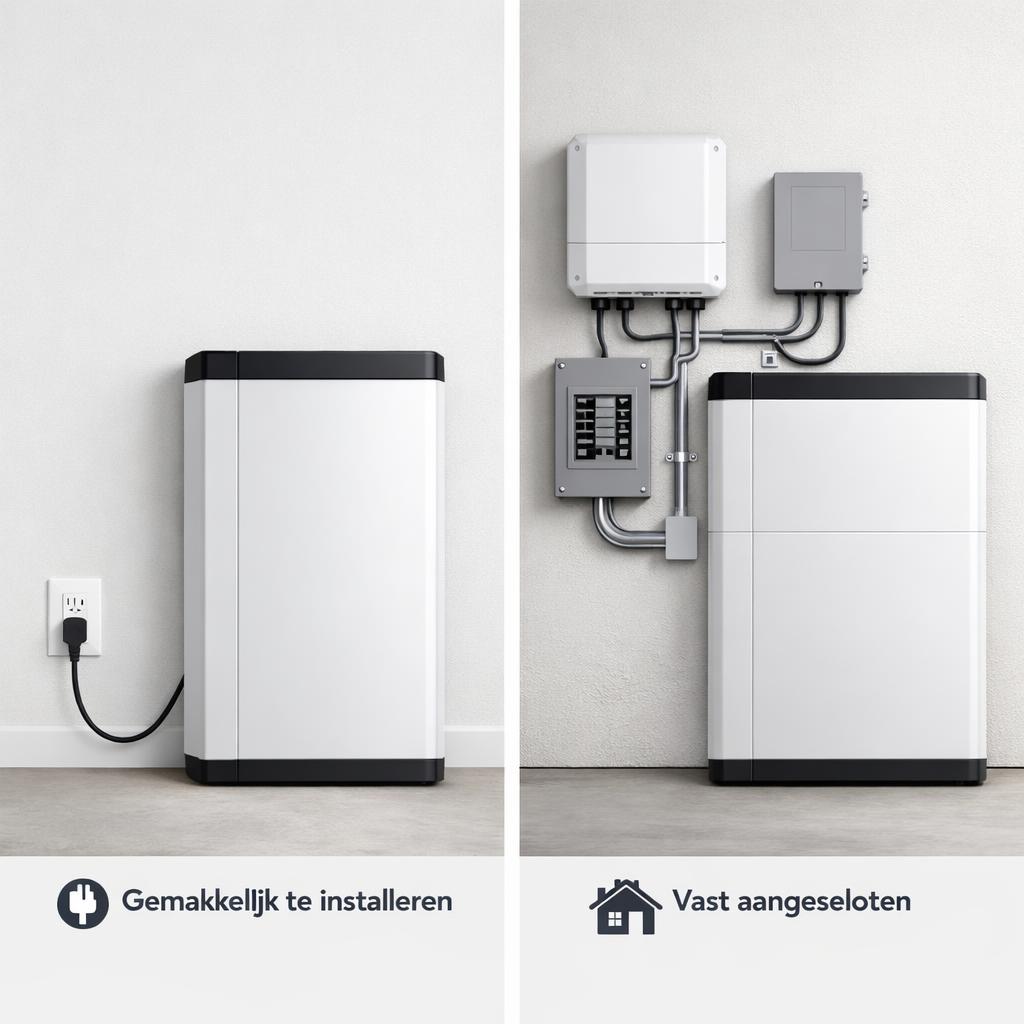
The main difference is in the connection. A plug-in model works via a normal or specially suitable socket and is intended for limited, simple applications. A permanently connected system is directly linked to the electrical installation or distribution box and usually requires additional protection, technical control and professional installation. As a result, a plug-in model is often the practical answer to the question of which home battery is easiest to install yourself, while fixed systems are more suitable for larger homes, higher capacities and more extensive energy systems.
What you should pay attention to if you want to install a home battery yourself
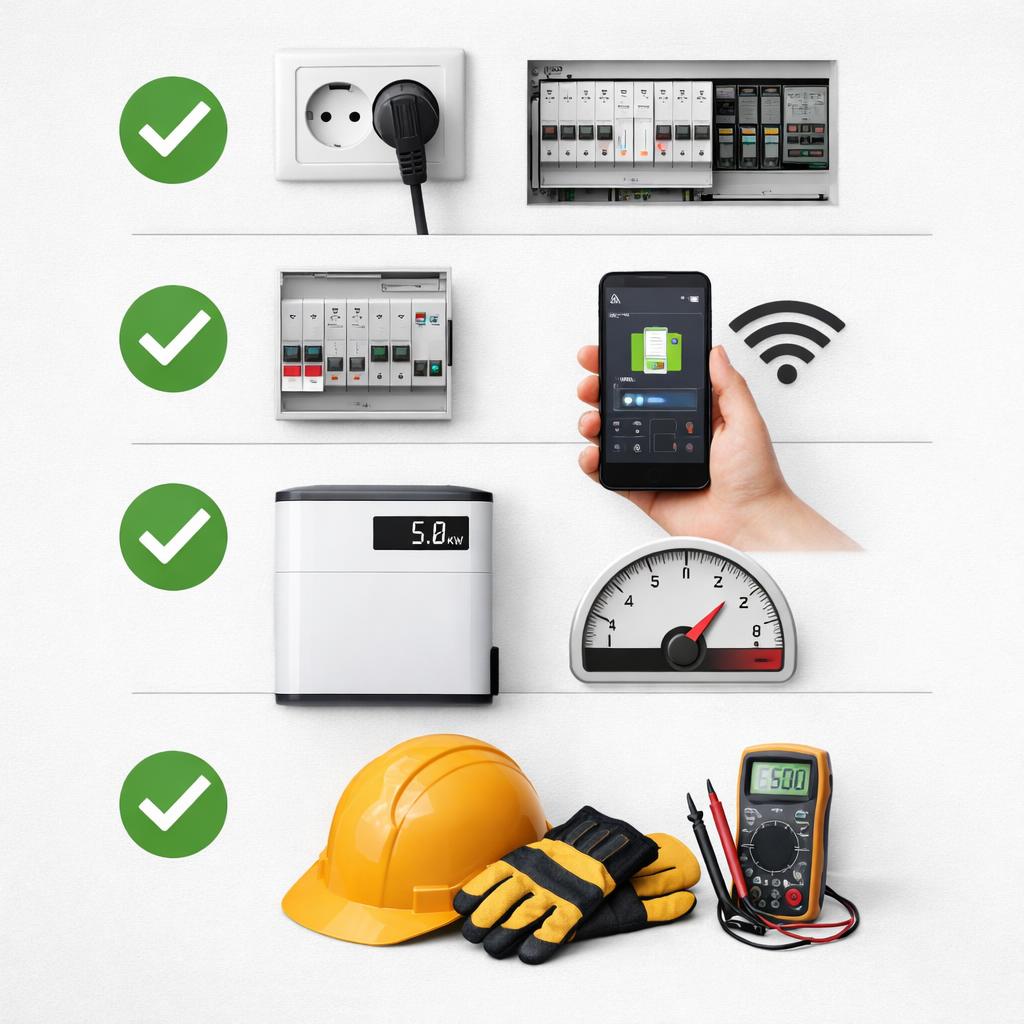
Anyone who wants to install a home battery themselves must look beyond just ease of installation. First check whether the battery fits your socket, group and daily power demand. Pay attention to whether a free and suitable group is available, whether the room is dry and well ventilated and whether the operation via app or display is clear enough. The charging and discharging capacity also counts: a system can be easy to install, but still yield too little for your consumption.
Safety, power and compatibility in one quick check
Therefore, first do a short check. Is the socket suitable? Is overload excluded? Does the system support your mains voltage and does it work logically with any solar panels or a smart meter? In addition, look at temperature limits, installation advice and clear user instructions. For the right size, you can also read about choosing home battery capacity. A battery that is simple to install but does not fit well with your home or consumption profile is ultimately less interesting than a solution that really fits.
When installing it yourself is smart and when not
Installing it yourself is especially smart if you opt for a compact plug-and-play model, the manual is clear and your home appears to be suitable without additional adjustments. Consider households that mainly want to shift part of their own generation or evening consumption, without immediately building a large energy system. In that situation, a simple plug model usually comes into the picture first.
For which households a simple battery is really suitable
A simple home battery is usually better suited to apartments, smaller homes or users who are primarily looking for convenience. Self-installation is less suitable for high powers, complex solar panel installations, doubts about the distribution box or unclear regulations. Then professional installation is often wiser and sometimes mandatory. Therefore, always take local regulations, insurance conditions and electrical safety into account. As soon as a system needs to be permanently connected or needs extra security, the choice shifts from convenience to security.
Conclusion:
To the question which home battery is easiest to install yourself, the most practical answer is: a plug-and-play home battery with a plug. This category usually requires the least technical knowledge and the fewest in-house interventions. This is often the lowest threshold, especially for people who want to start easily.
Yet ease of installation remains only one part of the choice. The best home battery also depends on safety, appropriate power, compatibility with your home and the regulations in your location. Therefore, always compare points such as connection, capacity, ventilation, security and usage situation. This way you not only choose the battery that is easy to install, but above all a solution that fits safely and logically with your home.
FAQ
Is a plug-and-play home battery safe to install yourself?
Often yes, provided the system is explicitly designed for easy installation and you follow the manual carefully. Use only a suitable connection, place the battery in a dry and well-ventilated area and check that the group is not overloaded. If you have any doubts about safety or rules, additional advice is wise.
Also pay attention to practical points such as free space around the battery, maximum ambient temperature and whether the manufacturer recommends installation indoors or in a storage room. Safe installation not only means connecting, but also ensuring that the system can operate stably for a long time.
Do you need an electrician for every home battery?
No. This is not always necessary for some plug models, but usually it is for permanently connected systems. As soon as a battery is connected directly to the electrical installation, distribution box or additional protection, professional installation is often the safest route and is sometimes mandatory locally.
That difference is important: what looks simple in a product video may in practice depend on your home, your existing installation and the requirements of the manufacturer or insurer.
Can a simple home battery work together with solar panels?
That is possible, but not every system works in the same way with solar panels, inverters or a smart meter. Therefore, always check compatibility and see whether the battery is intended for direct self-consumption, simple storage or broader energy management within your home.
The biggest mistake when installing it yourself is thinking that every home battery is equally simple. Many people focus primarily on price or the promise of quick installation and forget to check power, mains connection, ventilation and regulations. It is precisely these points that determine whether a battery is safe, useful and permitted.