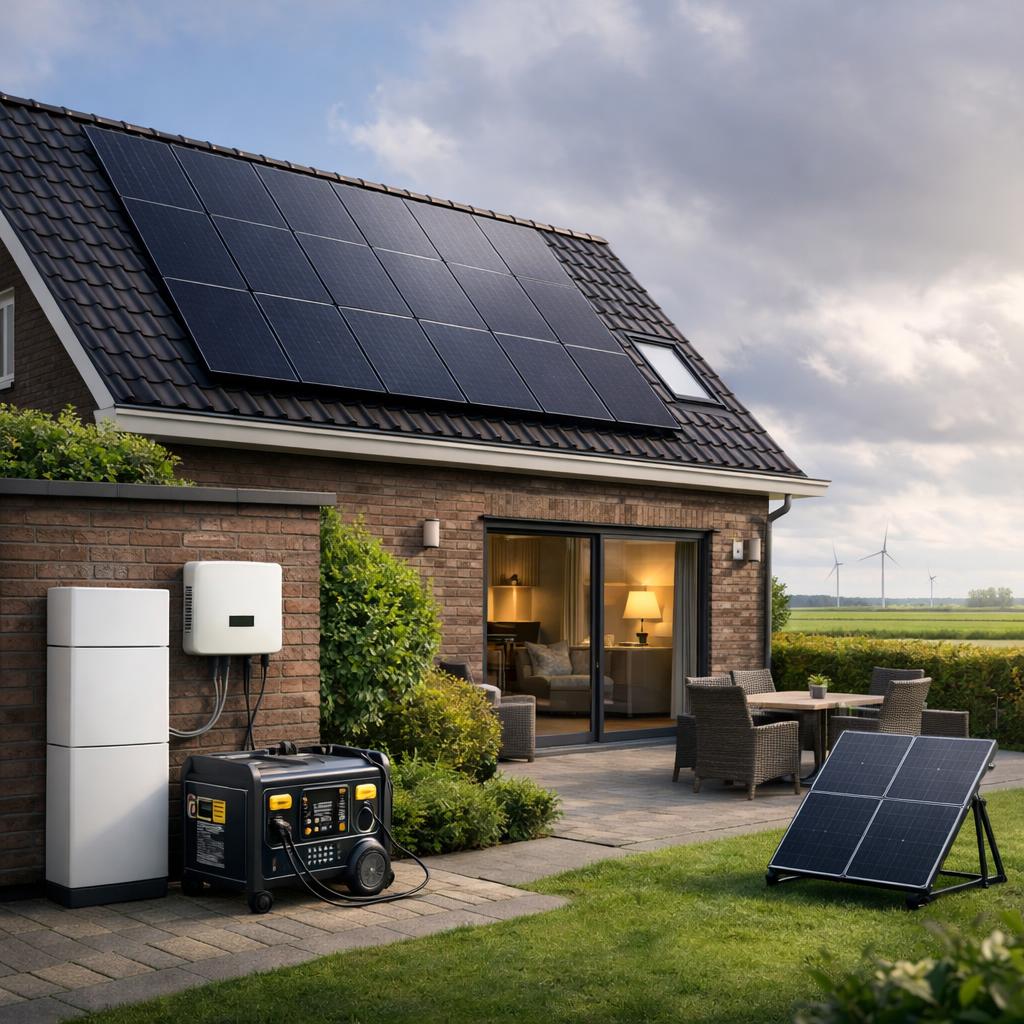
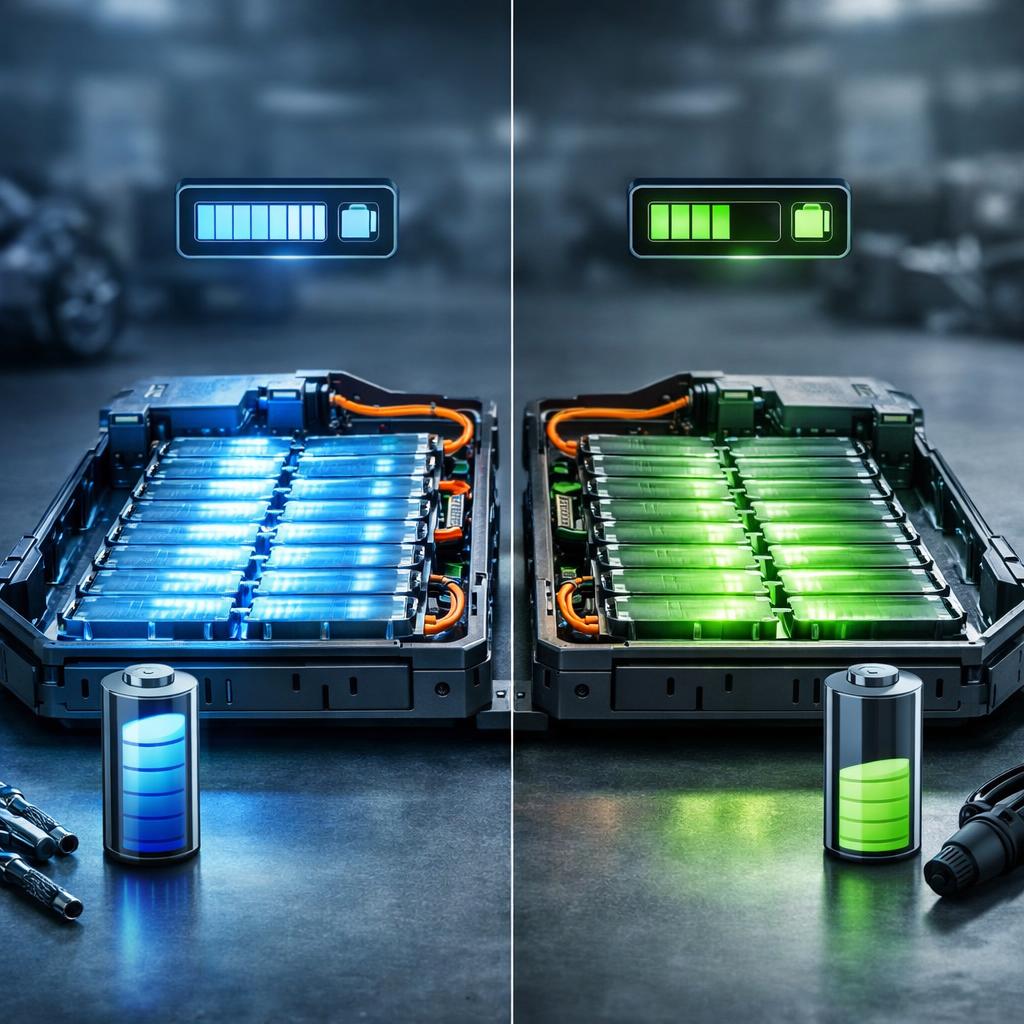
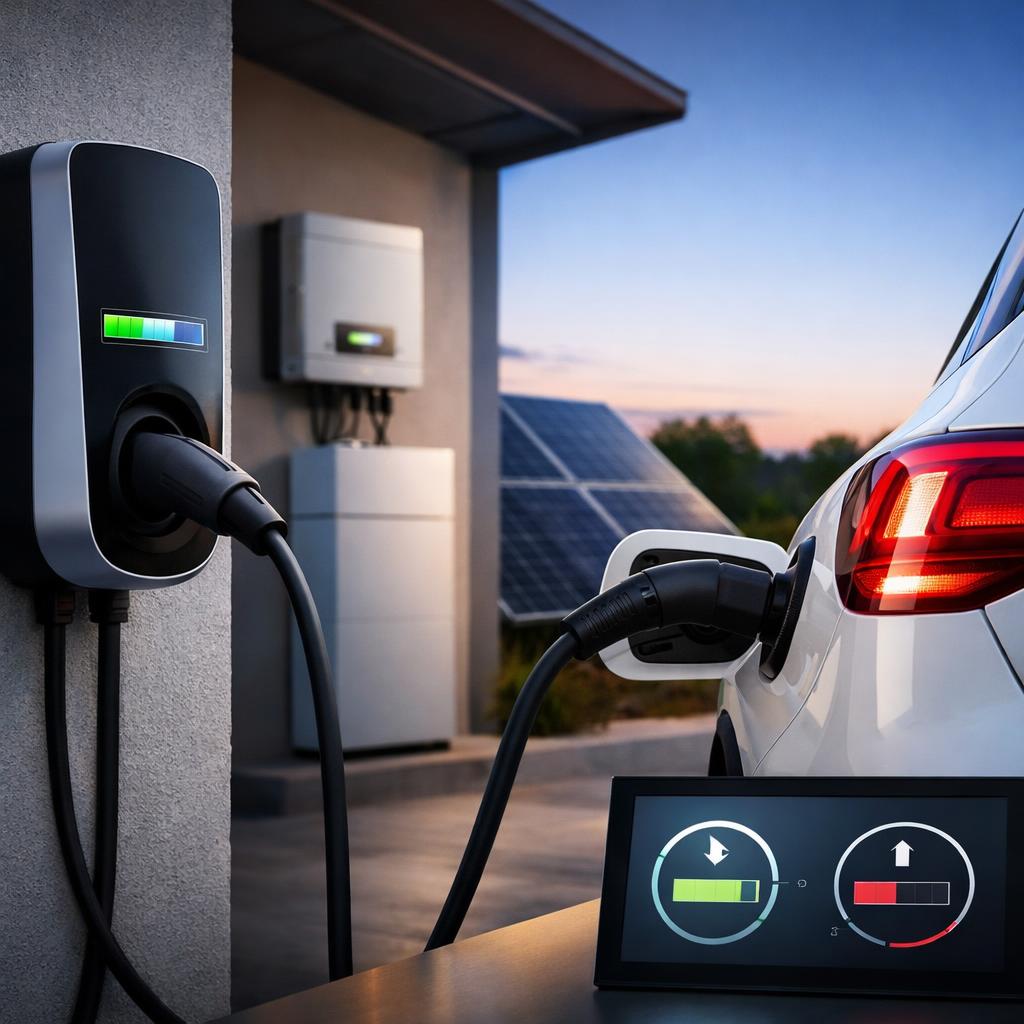
Which emergency power solution is suitable in the event of a power outage at home? For most households, the answer revolves around four practical questions: which appliances really need to keep working, how long a power outage usually lasts, how much noise and maintenance do you find acceptable, and what is your budget? If you only want to run the refrigerator, WiFi, telephones and a few lamps, a portable power station is often enough. For longer outages or more comfort, a home battery or generator may be a better fit.
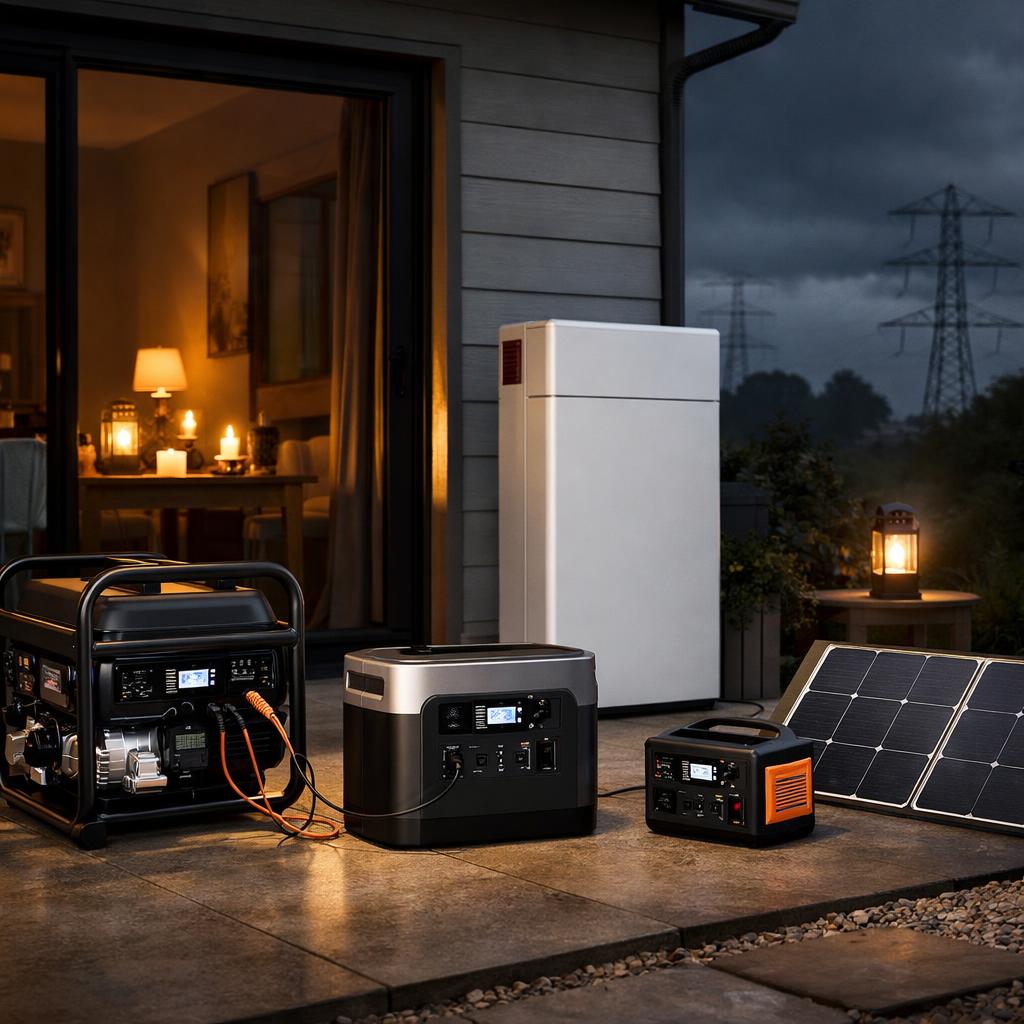
Don't start with the product, but with your consumption. First, make a short list of the equipment you absolutely need during an outage. Then look at the total power, the start-up peaks and the number of hours that everything must continue to work. This way you can make more targeted comparisons and avoid purchasing a solution that is too small or unnecessarily expensive in practice. If you want to understand this in advance, you can calculate how much power you really need at home before you make a choice.
What emergency power solutions are there for the home?
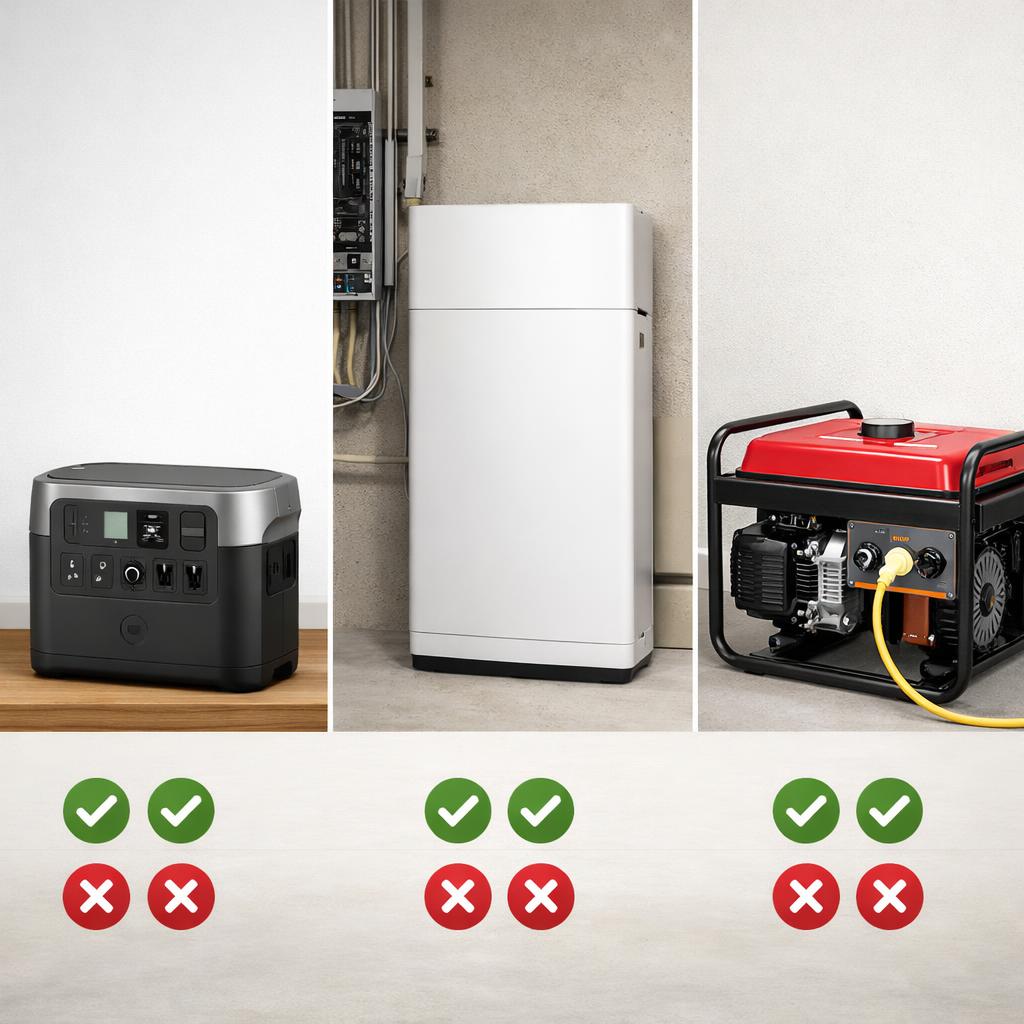
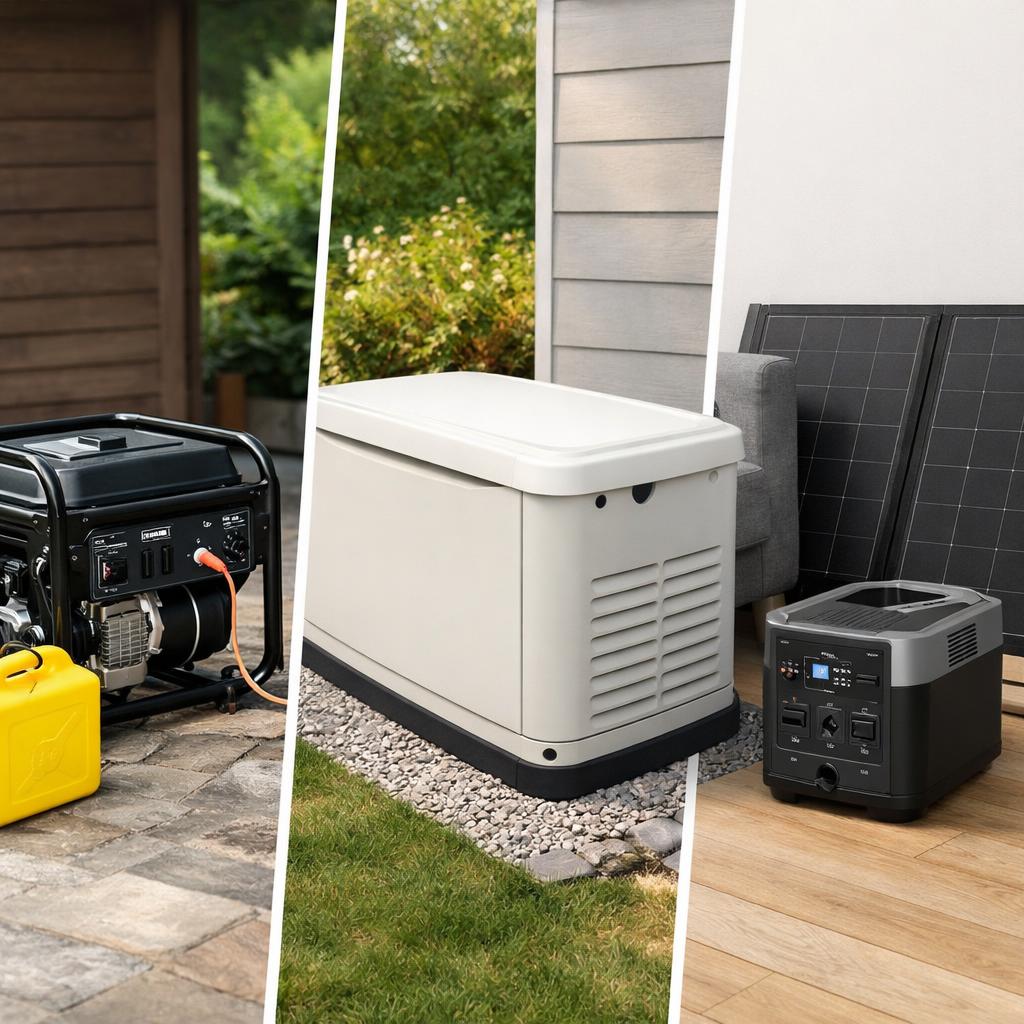
Three solutions are usually compared for the home: a power station, a home battery and a generator. Each system has a different purpose. A power station is compact, quiet and can be used directly for light to medium-heavy devices. A home battery is a permanent solution that can offer more comfort, especially if the home installation is tailored to it. A generator often provides the most power and is useful for longer outages, but requires fuel, maintenance and a safe outdoor installation.
Power station, home battery or generator: the most important differences
A power station is the easiest entry point for many people. You charge it, place it where necessary and immediately connect devices such as a router, lighting, laptop or sometimes a refrigerator. This makes it especially attractive for short power outages and households that do not want a fixed installation. Pay attention to the combination of battery capacity and peak power, because a device can consume little power but still have a high start-up demand.
A home battery is more suitable if you want a more permanent reserve. In a well-designed system, essential groups or selected devices can remain automatically supported during outages. This provides more convenience and less manual work, but on the other hand, purchase and installation are usually more expensive. A generator is especially interesting when you need a lot of power or want to be able to bridge several days. Then fuel consumption, noise and maintenance are decisive. In practice, the following often applies: power station for simplicity, home battery for comfort and generator for long-term or heavier loads.
How do you choose the right solution based on consumption and duration?
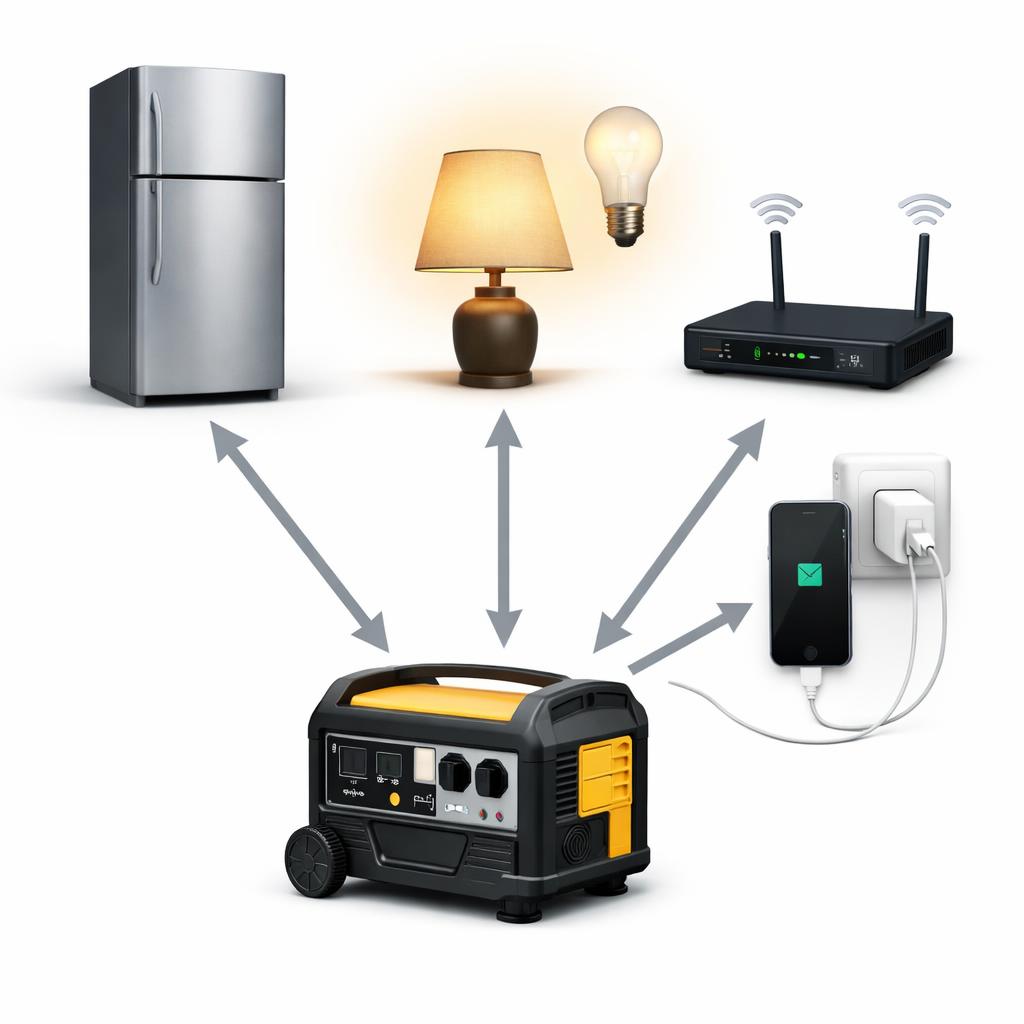
You make the best choice by assessing power and usage time together. A refrigerator, internet router and lighting require a completely different profile than a microwave, hob or electric heating. Some devices use relatively little power once they are running, but require a short peak when starting. As a result, a power station for refrigerator and WiFi can work fine, while the same device is too small for cooking, heating or powering almost the entire house.
Which devices do you want to keep running in the event of a power outage?
A useful approach is to divide your devices into three groups. First the real basics: refrigerator, router, phone chargers, medical equipment and some lamps. Then the comfort layer, such as a laptop, television, fan or chargers for small tools. Finally come the heavy consumers, such as an electric kettle, microwave, washing machine or electric heating. It is precisely the latter group that quickly makes a system larger, more expensive and less practical.
For short outages of one to several hours, a compact power station is often enough if you choose economical. Think of the internet, light and keeping food cool. For half a day or longer, extra battery capacity is usually required, or a home battery that offers more reserve. If you expect disruptions that can last several days, you often end up with a generator or a combination of battery and backup source. This way, choosing emergency power is not a theoretical equation, but a decision based on your daily needs. If you want to tailor the options to the home, you can also map your consumption per device to arrive at a suitable solution more quickly.
What should you pay attention to at home regarding safety, noise and installation?
Safety is at least as important as capacity. A battery solution is often more convenient indoors because it works quietly and does not produce exhaust fumes during use. A generator should always be placed outside, at a sufficient distance from windows, doors and ventilation openings. Never use a generator in the home, in a basement, garage or shed with limited ventilation. This is not only impractical, but can also be life-threatening.
Indoor use, ventilation and connection without risk
Also pay attention to how you want to connect emergency power. Connecting individual devices directly to a power station is usually clear and quick. A permanent connection to the home installation requires much more attention. Incorrect connection can cause damage or risk of feed back to the home installation. Therefore, always have such a system assessed or installed by a certified professional, especially if you want to power multiple groups automatically.
Noise mainly plays a role in dense residential areas and apartments. A power station or home battery is often more pleasant than a generator. On the other hand, a generator can provide more endurance during longer outages, as long as you use fuel safely and do not postpone maintenance. Therefore, do not just think about emergency power on paper, but also in practice: where do you put it, how often do you test the system, and can you use it quickly if the power unexpectedly fails? Anyone who considers safe use important can read more about using emergency power safely in the home for additional points of attention regarding placement, ventilation and use.
Conclusion:
Which emergency power solution is suitable in the event of a power outage at home? For limited use and a quiet, simple solution, a power station is often the most accessible choice. If you want more comfort and a fixed reserve for essential circuits, a home battery is usually a better fit. If you need a lot of power or if you want to bridge longer power outages, a generator is often the logical step.
The right choice ultimately depends on your priorities: which devices are really needed, how long the outage lasts, how much noise you accept and how important a permanent installation is to you. Anyone who carefully examines consumption, peak loads and safety conditions in advance will be more likely to make a choice that actually works in practice. This prevents you from investing in a system that turns out to be too small, too loud or too cumbersome when you need it.
FAQ
Can I run a refrigerator and internet router on a power station at the same time?
Yes, that is often possible, but only if the power station has sufficient continuous power and enough peak power for the start of the refrigerator compressor. The router uses little, but the refrigerator usually determines whether the combination is feasible. Therefore, check not only the wattage, but also how long you want to use both devices. This often works fine for a few hours, while for a longer outage you need more battery capacity or an extra charging option.
Is a generator or a home battery better for longer power outages?
That depends on what you find important. A home battery is quieter, more comfortable and easier to use on a daily basis, but its storage capacity is limited. A generator is often more suitable for longer outages because you can continue running with sufficient fuel. This does mean more noise, maintenance and stricter safety requirements. This is why the following applies to many households: those who mainly want silence and convenience are more likely to choose a home battery; Those who need to be able to continue for longer with more power are more likely to opt for a generator.