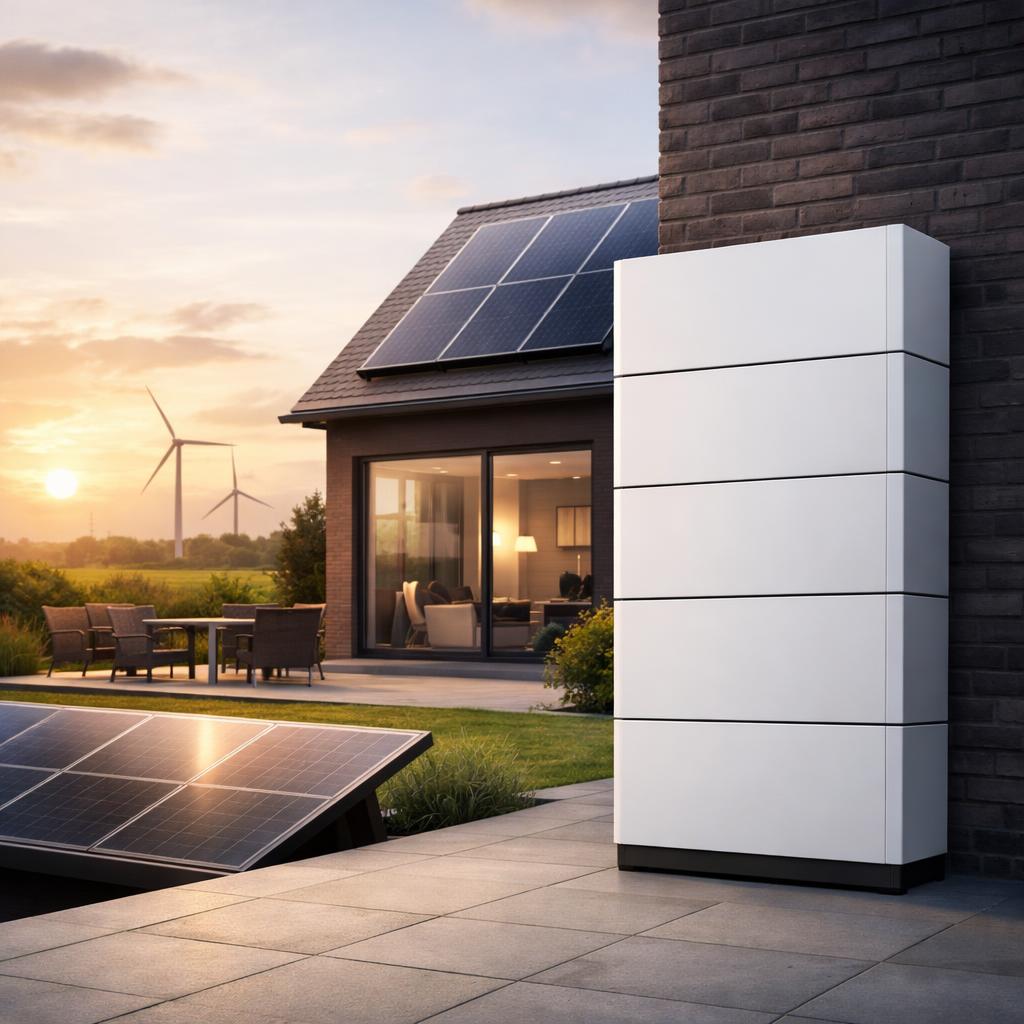
Anyone who searches for Which home battery has the best price per kWh usually wants one clear answer. In practice, this mainly depends on the price per usable kWh, not just on the purchase price stated in the quotation. A battery may seem cheap, but can still be expensive if part of the capacity is unusable, the warranty is limited or the installation and inverter still have to be paid for separately. That's why it's best to compare home batteries based on usable storage, lifespan, warranty, compatibility and total system costs.
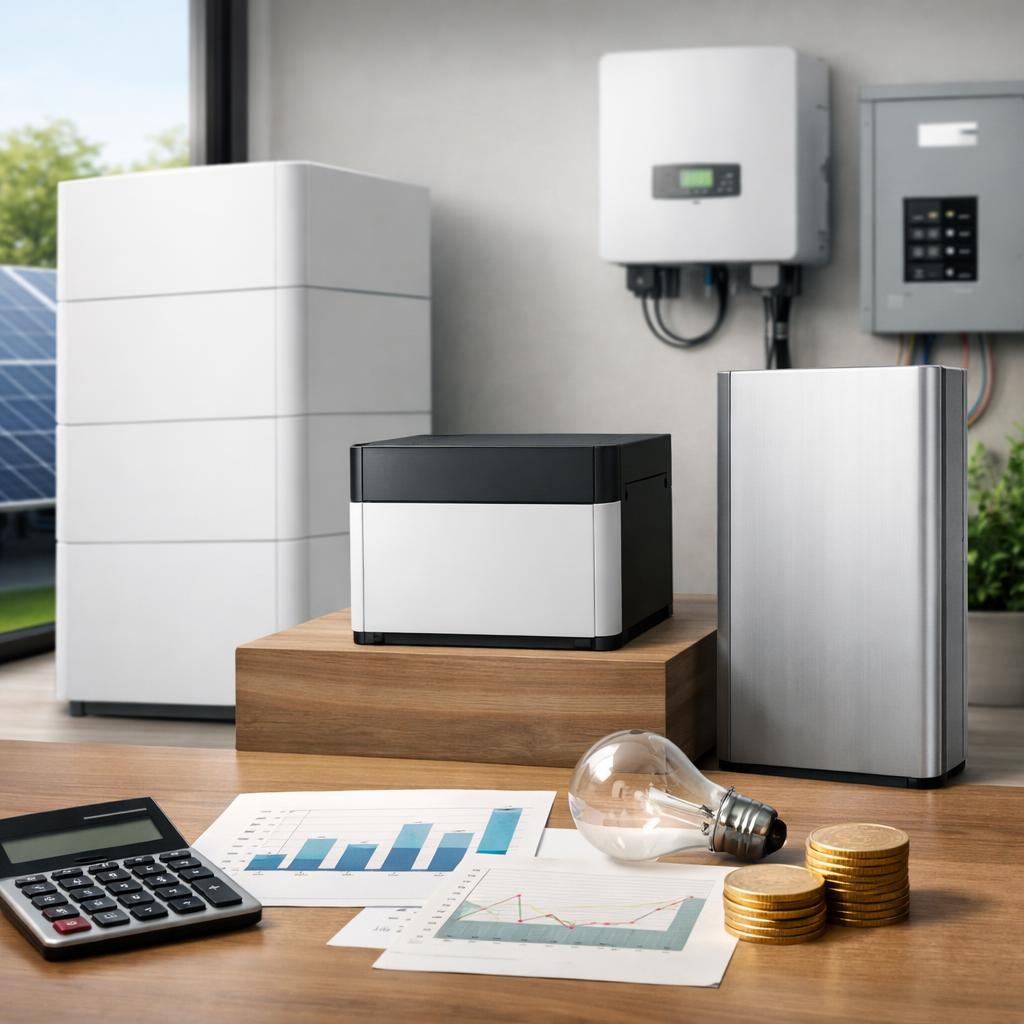
In many cases, modular LiFePO4 systems emerge as the strongest choice if you look purely at value. Brands and systems such as Pylontech, Felicity, Soluna and some rack setups are known for a competitive price per kWh. Premium options such as Tesla, Enphase and SolarEdge are usually higher in price, but often offer better software, service and integration. If you want to better understand in advance how manufacturers calculate, read more about the usable capacity of a home battery.
What you should really pay attention to when it comes to price per usable kWh
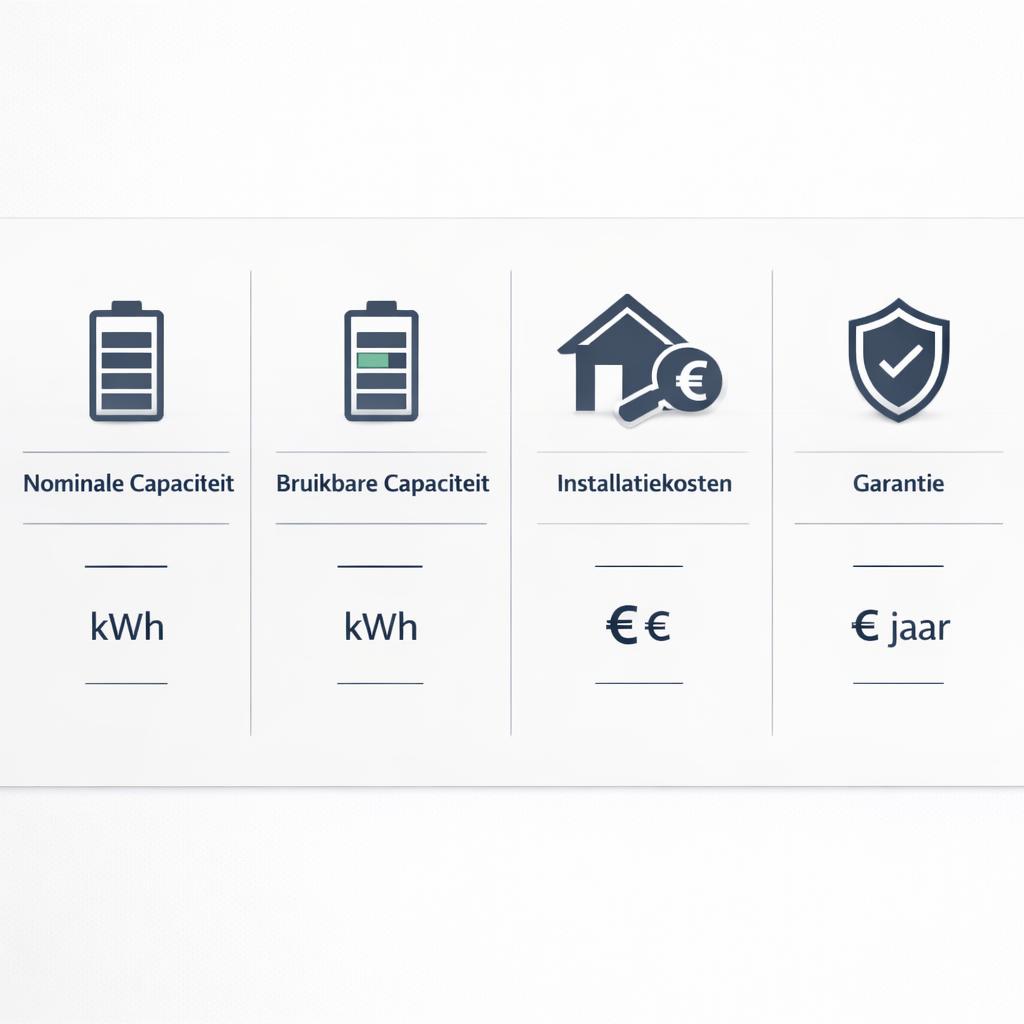
The fairest calculation is simple: divide total costs by usable capacity. So don't just use the nominal kWh from a brochure. Always check whether the price includes installation, cabling, monitoring, inspection and any adjustments to the meter cupboard. This is precisely where the biggest differences arise between a cheap battery on paper and a cheap battery in practice. Anyone who compares home batteries without taking these items into account often draws the wrong conclusion.
Look beyond just the purchase price
In addition, pay attention to the expected lifespan in cycles, the warranty in years and the residual capacity that the manufacturer promises under warranty. A battery with a slightly higher price per usable kWh may still be cheaper in ten or fifteen years if it lasts longer or can handle more daily charging cycles. Efficiency and expandability also count. A modular system can often grow more easily later with additional solar panels or higher consumption. This way you prevent a cheap choice from becoming more expensive later.
In the market you often see that bare battery prices of modular LiFePO4 systems are roughly lower than those of premium total solutions. But for a home, the complete calculation ultimately counts: battery, inverter, installation, service and support. Therefore, also check the costs of a home battery including installation before comparing quotes.
Which type of home battery is usually the cheapest
Those who mainly look for the lowest price per usable kWh usually end up with modular LiFePO4 systems. These batteries usually combine a favorable price, a high usable discharge depth and a long service life. Medium-sized and larger systems in particular often score better per kWh than small entry-level models, because fixed costs such as housing, security and installation are spread over more storage capacity. For price-conscious households, this is often the most logical route.
Why modular LiFePO4 systems often score better
LiFePO4 is popular because this chemistry is known for its stability, long lifespan and wide applicability in homes. Modular systems are extra attractive because you do not have to invest as much as possible right away. You can start small and expand later if your consumption increases or if you want to store more solar power. This makes the investment more predictable and often more efficient.
If you look purely at price per usable kWh, Pylontech systems and comparable rack models are often one of the best choices. Felicity is usually even more competitive in price, but the software, documentation and service are sometimes less strong than with more expensive brands. NKON-like solutions are often mentioned as a good middle ground between price and quality. On the premium side you will find brands such as Huawei, Tesla and Enphase: more expensive per kWh, but often with stronger apps, a tighter ecosystem and a larger installer network. The cheapest option is therefore not automatically the best choice for every home; the technical match remains decisive.
Conclusion
Which home battery has the best price per kWh? If you compare neutrally, modular LiFePO4 systems usually win on pure price per usable kWh. Consider solutions such as Pylontech, Felicity, Soluna and other modular rack systems. They often offer the lowest storage costs, especially if you already have a compatible hybrid inverter or opt for a system that can be expanded later.
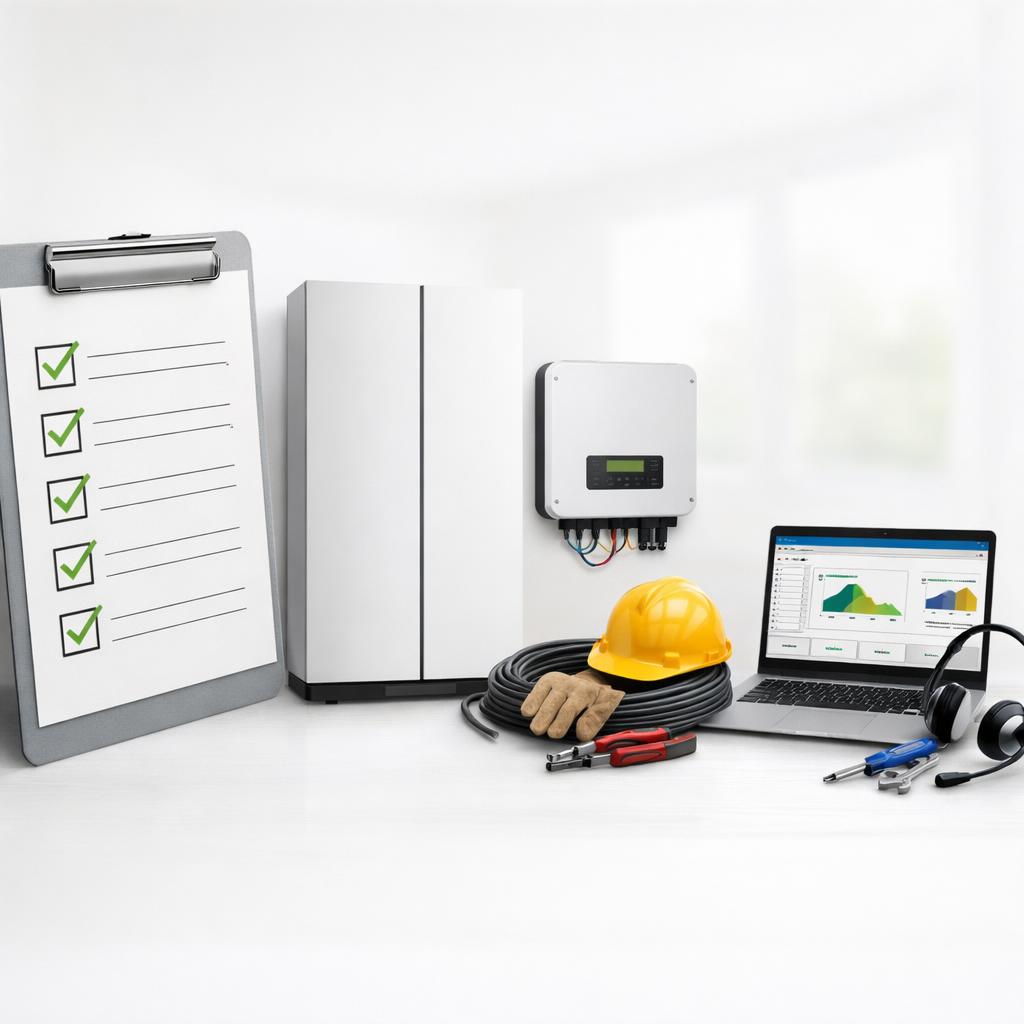
Yet the best choice is not always the cheapest battery on paper. Premium systems from, for example, Tesla, Huawei or Enphase usually cost more per kWh, but can be attractive due to better software, service, monitoring and integration. For most households, the smartest approach is therefore: compare complete quotes, calculate usable kWh, check warranty conditions and see whether installation, inverter and extension are included. This way you will not only find a low price, but also a system that really suits your home and consumption.
FAQ
What is more important: low price per kWh or long warranty?
Both are important, but a long and clear warranty often makes the comparison fairer. A battery with slightly higher costs per kWh may be cheaper in the long term if the capacity is maintained longer and parts are better covered. Therefore, look not only at the purchase price, but also at warranty years, cycles and the promised residual capacity.
Should I calculate price per kWh based on nominal or usable capacity?
Always use the usable capacity. The rated capacity often sounds nicer in marketing materials, but not all of the stored energy is available in normal use. If you calculate with usable kWh, you can compare home batteries much more fairly and see more quickly which solution really offers the best value.
Why does a larger home battery sometimes seem cheaper per kWh?
For larger systems, fixed costs such as installation, security, cabinetry and configuration are spread over more kWh. As a result, the price per usable kWh often drops. That does not mean that bigger is automatically better: the capacity must match your power consumption, solar panels and budget.
Is a cheap battery without a complete quote a good idea?
Usually not. If an inverter, installation, software, monitoring or service is missing, the price appears lower than it actually is. Therefore, always ask for a complete overview of what is and is not included. Only then can you honestly compare home batteries and determine which one really has the best price per kWh.