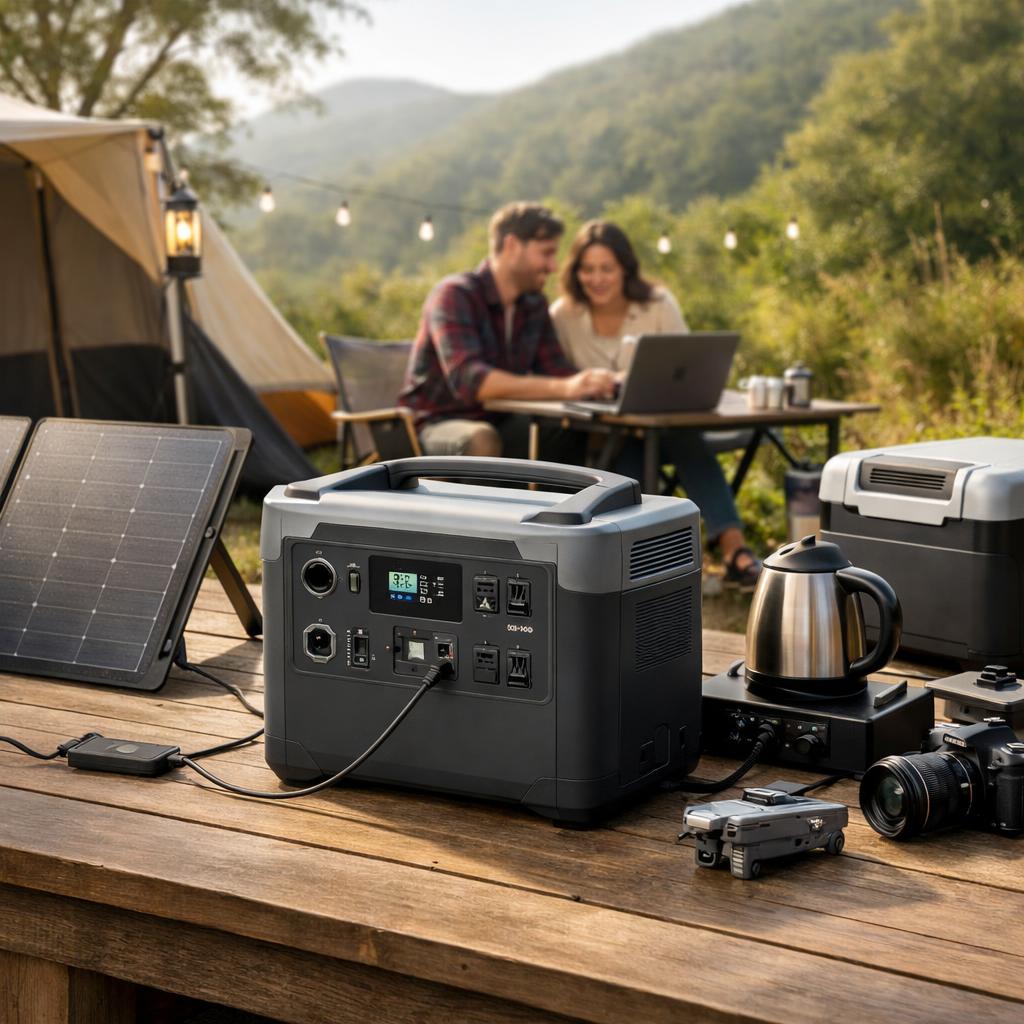
Anyone who searches for How much can I earn with VPP usually wants to know one thing: does participation really yield anything? The short answer is that there is no set amount that applies to everyone. The reimbursement depends on your consumption, the available capacity, the times when your system can participate and the program agreements. As a result, the yield can vary considerably from month to month. It is therefore smarter to calculate with a bandwidth than with a nicely rounded amount that is not always feasible in practice.

To properly assess that question, it helps to first understand how VPP works. You can then better estimate what VPP yields on average, how much earning with VPP per month is realistic and which factors weigh most heavily. In this article you can read how to take a sober look at the possible returns, what you should pay attention to in the conditions and how to set a useful expectation for your own situation.
Which factors determine how much you can earn with VPP?
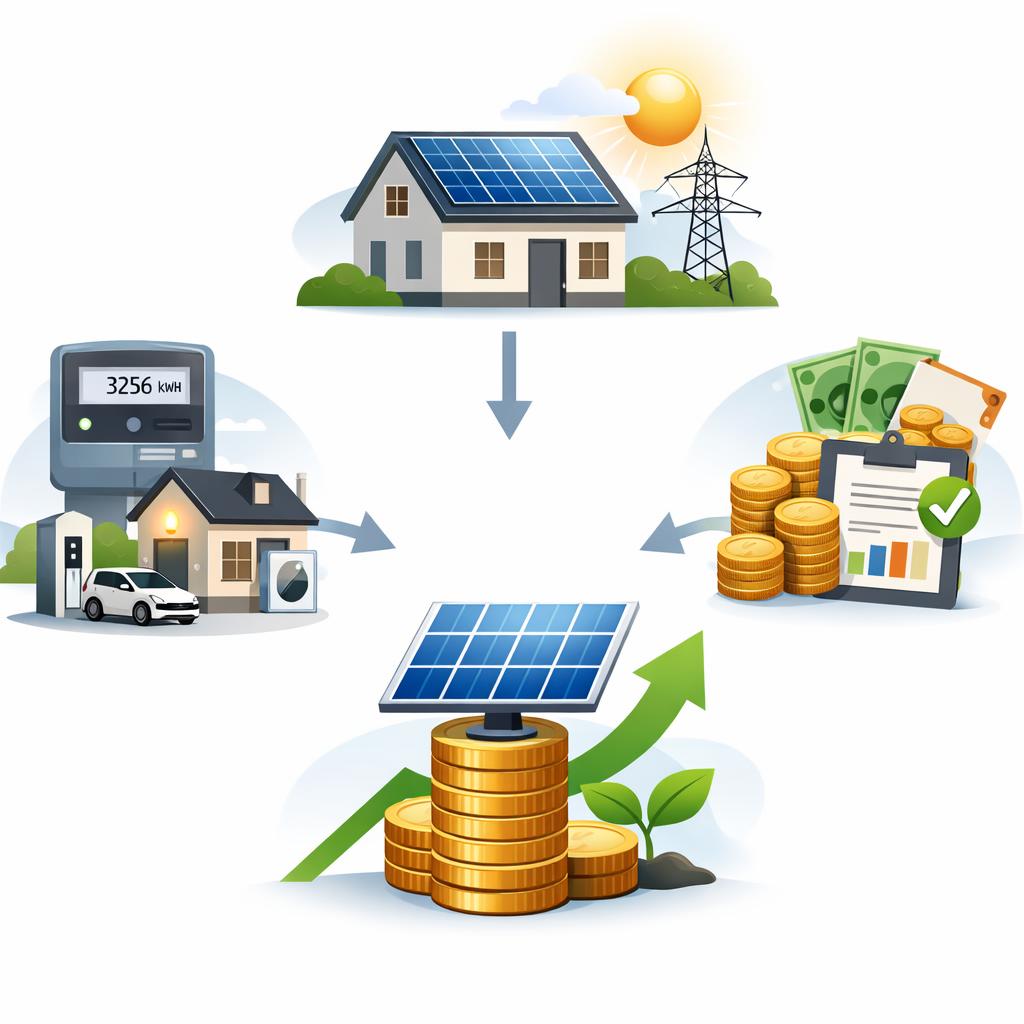
The revenue from VPP is usually determined by three main things: your consumption, your availability and the way in which the compensation is structured. If your installation or device can often be used when there is demand, this can be beneficial for the yield. At the same time, there are technical limits, such as capacity, settings and the moment at which your system can participate at all. As a result, the VPP yield sometimes differs greatly between households that appear very similar at first glance.
The conditions of the program also make a difference. Some plans provide a fixed payment for participation or readiness, while others mainly pay when activation actually takes place. Seasons, maintenance, disruptions and temporarily lower availability also play a role. Anyone who wants to know what VPP yields on average must therefore look at the total picture. An attractive rate on paper means little if your system is not often available in practice or if participation is limited by your daily consumption.
Consumption, availability and reimbursement
Consumption determines whether participation suits your household without putting pressure on comfort or ease of use. Availability is about whether your system can really be deployed at the right times. A system that is often not ready or is often interrupted will usually yield less. The compensation is the financial side: how much you receive for participation, readiness or actual effort. Together, these three points provide a much more reliable picture than individual average amounts that you encounter online.
It is worth assessing these points separately. Check how often your system is normally available, whether your usage is reasonably predictable and what reimbursement is actually paid out rather than just advertised. It is precisely these practical differences that explain why factors that determine VPP earnings are often more important than general estimates. If you calculate honestly in advance, you will prevent an attractive offer from yielding less than expected later.
How do you make a realistic estimate of your yield?
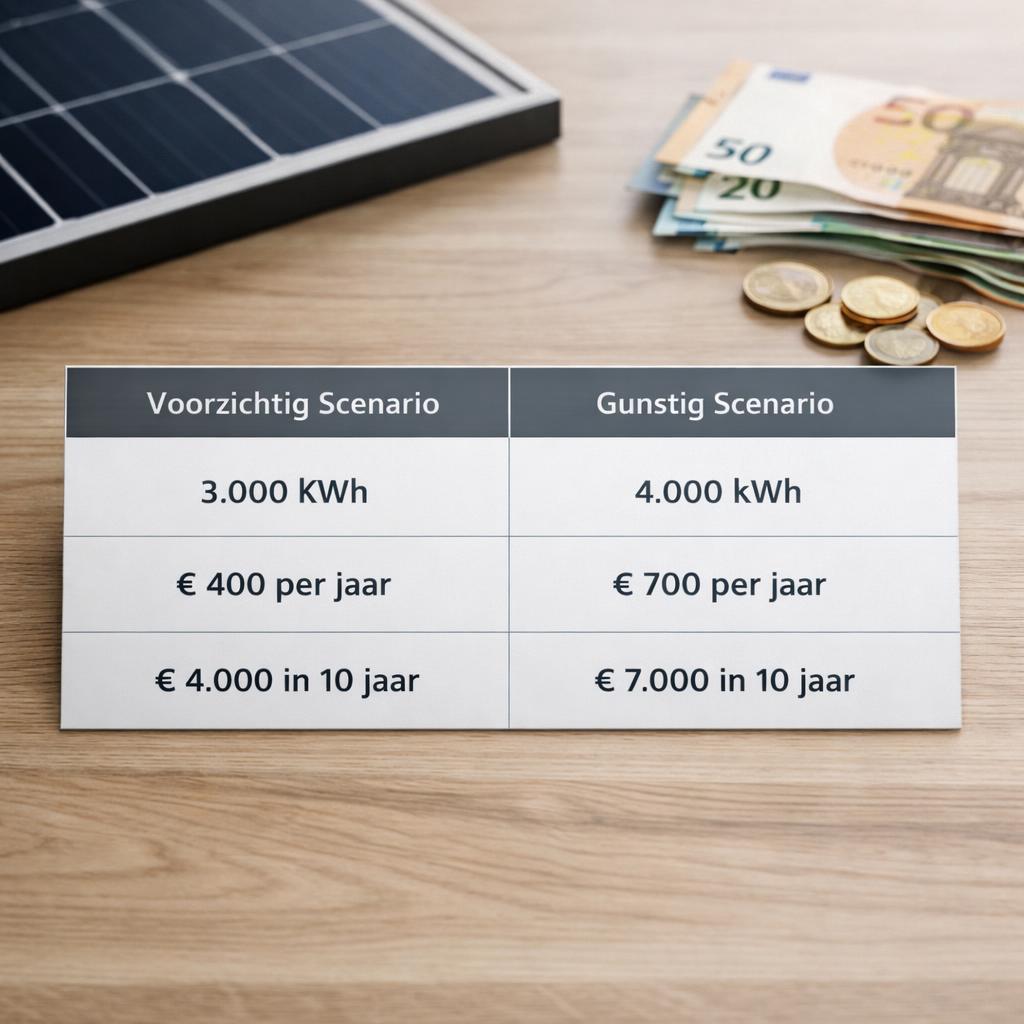
A good estimate starts with cautious assumptions. If you have it, use historical data on consumption and availability. Then create two simple scenarios: a cautious scenario and a favorable scenario. This way you not only calculate with the best case, but you also see what happens if your system can participate less often or if the reimbursement is lower. For many readers, this is the most useful way to determine how much earning with VPP per month is possible. If you want to delve deeper into the figures, you can also view a page about calculating yield.
A simple calculation is often sufficient. In a cautious scenario, you assume lower availability, fewer activations and an average reimbursement. Then the monthly yield usually remains modest. In a favorable scenario you expect higher employability and compensation that is more likely to be positive. The difference between the two shows that calculating VPP yield is mainly about realistic assumptions. Also take into account any costs, restrictions and quiet periods, so that your outcome remains usable and does not become too optimistic.
Take into account cautious and favorable scenarios
A cautious scenario is a strong foundation because it helps to avoid disappointment. You then assume limited commitment, lower availability and compensation that is not always at the highest level. That gives you a lower limit. A favorable scenario shows what is possible when your system is available more often and the circumstances are favorable. The most credible expectation of what VPP delivers on average often lies between those two outcomes.
Keep your calculation clear. Work with a small number of variables and adjust your estimate as you have more real-world data. Then you can quickly see whether your initial assumptions are correct or whether you need to adjust them. This creates a down-to-earth picture of how much you can earn with VPP, without hard promises that later turn out to be unfeasible. That is usually much more valuable than a nice maximum that is rarely achieved in your situation.
Conclusion
The fairest conclusion to the question How much can I earn with VPP is that a feasible expectation is almost always a bandwidth. Some participants receive modest additional revenue, while others receive more thanks to higher availability or more favorable agreements. However, the outcome remains dependent on your consumption, your technique and the conditions of the program. That is why it is wiser to work with a realistic estimate than with a fixed amount per month.
Anyone who wants to seriously estimate what VPP yields on average would do well to first review the most important factors and then draw up a cautious and favorable scenario. This gives you a fairer picture of how much earning is possible with VPP per month. Compare conditions carefully, don't just look at the rate and take into account fluctuations per period. Then you will avoid overstressed expectations and you can better assess whether participation is really worthwhile in your situation.
Frequently asked questions
- How is the compensation for VPP usually calculated?
This varies per scheme. Availability, actual commitment and the agreed fee per participation or activation often count. Always read the terms carefully before setting an expectation.
- Is the VPP revenue the same every month?
No, usually not. Season, availability, consumption and conditions within the program can cause significant differences from month to month. That is why a bandwidth is often more useful than one fixed monthly amount.
- Can you reliably estimate in advance what VPP yields?
You can make a reasonable estimate, but you can never be completely certain. The best approach is to calculate with a cautious and a favorable scenario, so that you are prepared for both lower and higher outcomes.
- What should I pay particular attention to if I want to compare VPP?
Pay attention to the method of reimbursement, the conditions surrounding availability, possible limitations and how often deployment occurs in practice. It is precisely these points that determine whether an offer is really attractive for your situation.