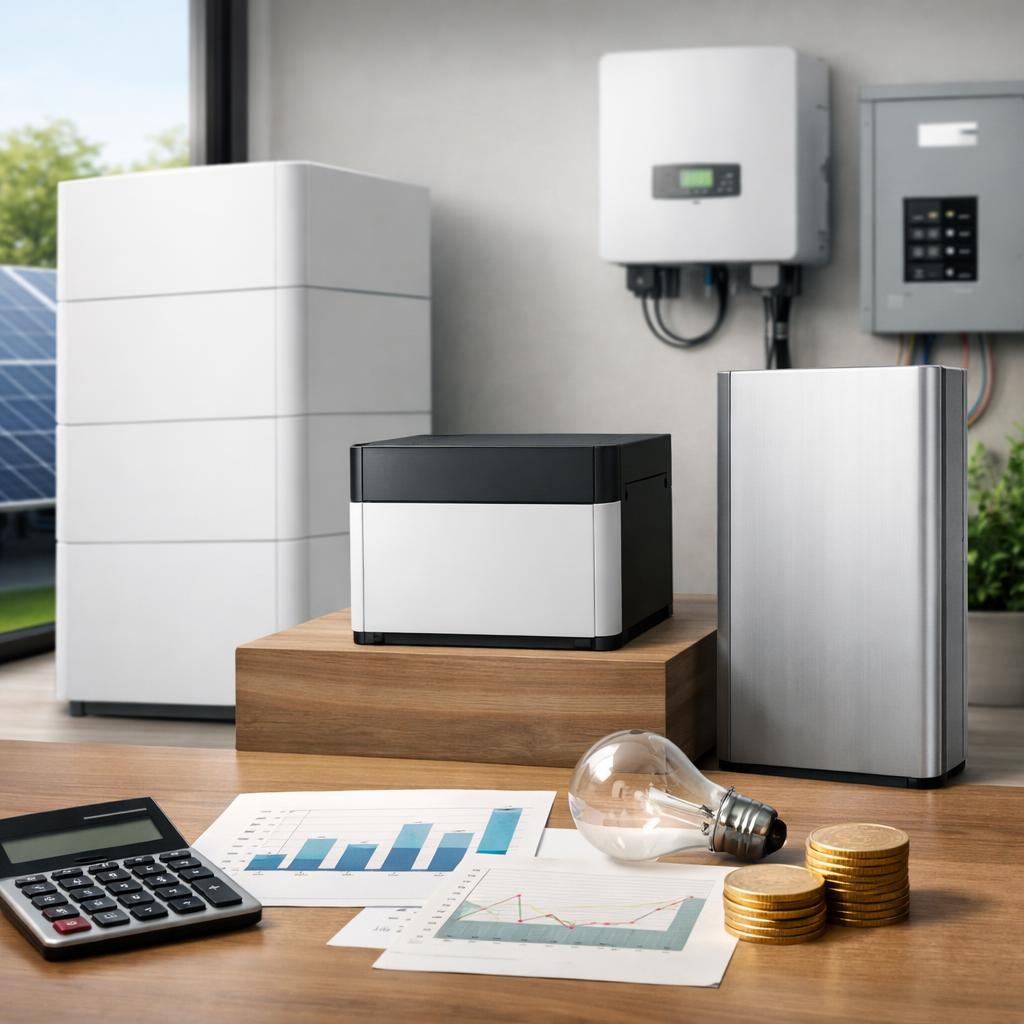
Many readers are wondering: will battery prices drop significantly, and if so, when will batteries become cheaper? The short answer is yes, probably, but not at the same pace every year and not in every market at the same time. The price of batteries changes with raw materials, production capacity, energy costs, transport and the speed at which manufacturers improve their processes. This means that declines are quite possible, but they rarely proceed neatly and predictably.

It is therefore wise for homeowners, electric drivers and business buyers to look beyond just the purchase price. Lifespan, warranty, performance and total costs over several years also count. If you want to store energy at home, you can read more about home batteries and storage. This makes it clear why prices sometimes drop quickly and then remain stable for a while.
Why battery prices could fall
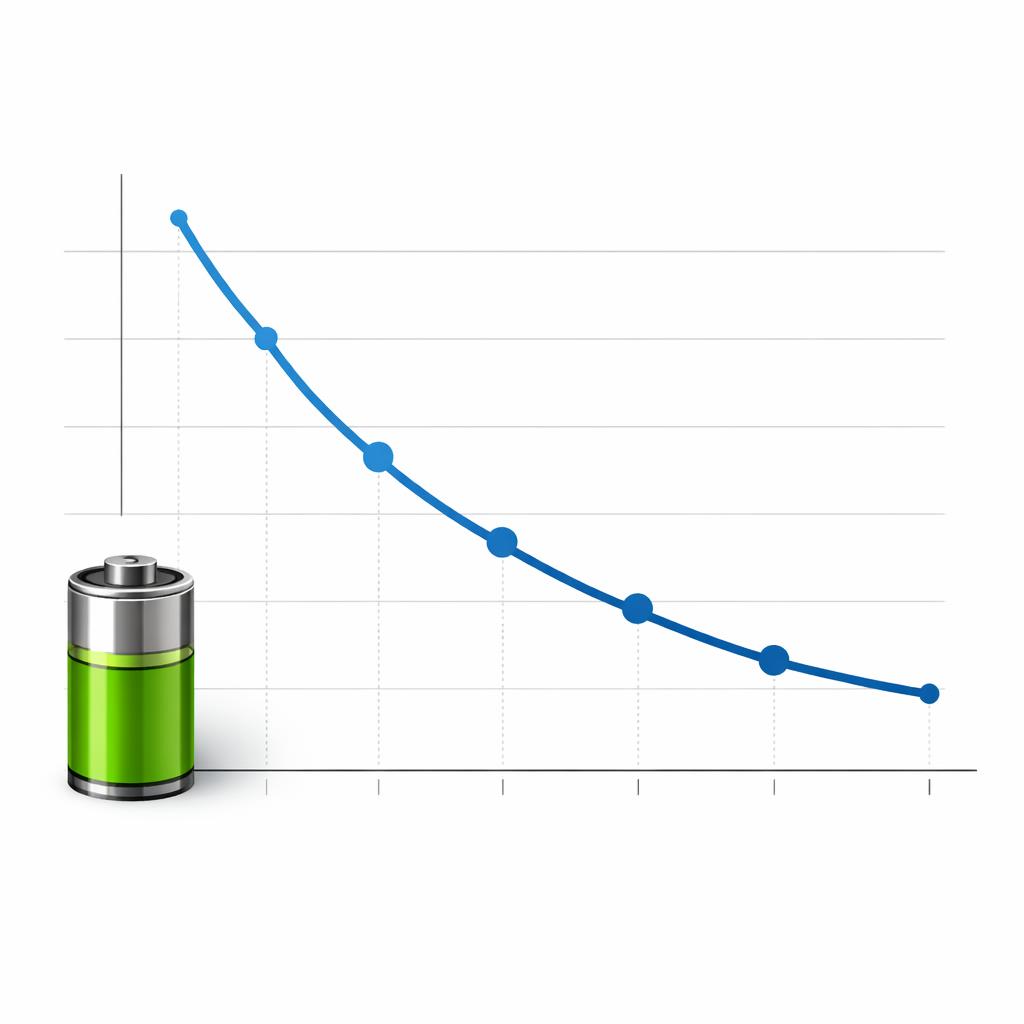
Batteries tend to become cheaper as manufacturers operate on a larger scale. Large factories can purchase more efficiently, use machines better and limit waste. Technical improvements also play a role. If a battery with fewer or cheaper materials delivers the same performance, the cost often decreases automatically. That is an important reason why many market watchers expect battery prices to remain under further pressure in the longer term.
At the same time, a price drop is never automatic. If demand grows faster than supply, prices may remain high temporarily. More expensive energy, higher transport costs or delays in the supply of parts can also slow down a decline. Anyone who wants to know whether battery prices will drop significantly should therefore look at the long view and not just at a few months or a single news item.
Raw materials, production and economies of scale
Raw materials such as lithium, nickel and graphite have a major influence on the price of new batteries. If these materials become scarce or purchase more expensive, the cost often rises quickly. If they become cheaper or more available, there will be room for lower sales prices. That's why manufacturers and buyers follow the commodity market so closely.
Economies of scale are particularly effective when factories produce at a high level for a long period of time. Then the costs per battery cell decrease, logistics become more efficient and production security increases. In addition, competition between manufacturers ensures that price pressure is passed on to the market more quickly. This does not mean that every battery type will immediately become much cheaper, but it does mean that broad growth often lays the foundation for further declines.
What price drops mean for buyers
If batteries become cheaper, the barrier to entry will drop for many buyers. Households may then find energy storage more interesting, especially if they want to make better use of solar power or want to be less dependent on fluctuating electricity prices. For companies, it is also important whether an investment pays for itself within a reasonable period. A lower price helps, but only if the performance and lifespan also match the use.
However, waiting for a lower price is not always smart. A battery that is already well suited to your situation today can provide immediate benefits in the form of savings, comfort or more control over energy consumption. That benefit may outweigh a possible price drop later. It is therefore wise to also look at maintenance, expected useful life and the total costs over the entire term. More background on this can be found in this overview of battery life and costs.
Differences between home storage, vehicles and electronics
Not every market responds the same to lower battery prices. For home storage, a large part of the total price consists of installation, inverters, cabling and additional parts. As a result, a falling battery price does not automatically lead to an equally large drop in the entire system. For electric vehicles, a cheaper battery can have a clearer impact on the total cost price, although production volume and design also remain important.
In consumer electronics, the battery is often only one part of the final price. That is why a buyer sometimes notices a price drop less strongly there. Anyone who wants to understand when will batteries become cheaper for a specific product must therefore look at the entire chain. A lower cell price is favorable, but does not only determine what ultimately appears in the store or in a quotation.

Conclusion
Will battery prices drop significantly? In the long term this is plausible, but not in a straight line and not for all applications at the same time. Lower raw material costs, more efficient production, larger factories and technical advances can bring prices down. On the other hand, there are risks such as scarcity, high demand, more expensive energy and disruptions in the supply chain, which could temporarily delay a decline.
For buyers, the best approach is not to just wait for the lowest future price. Look especially at the total costs, lifespan, warranty and the benefit in your own situation. It will then become clearer whether buying now makes sense or whether delay will yield more. Anyone who assesses the market in this way usually makes a wiser choice than someone who only relies on the expectation that prices will fall quickly on their own.

Frequently asked questions
Why have battery prices changed in recent years?
Battery prices changed due to fluctuations in raw material prices, rapid growth in demand, expansion of factory capacity and improvements in production. In some years, increases in scale led to clear price decreases, while in other periods increases were visible due to scarcity or higher costs.
What role do raw material prices play in battery costs?
Raw material prices are important because materials represent a large part of production costs. When important substances become more expensive, the price of new batteries often rises. If these materials become cheaper and more available, there will be more room for lower battery costs.
Is waiting for lower battery prices always wise?
No, not always. If a battery already offers immediate benefits in terms of savings, reliability or ease of use, purchasing may be wiser than waiting. That depends on your consumption, the expected lifespan and whether a later price drop outweighs any missed benefits in the meantime.
Which signals point to lower battery prices in the near future?
Important signals are falling raw material costs, opening of new factories, better availability and increasing competition. Simpler production and battery designs with less expensive materials can also drive down prices. However, caution remains necessary, because unexpected disruptions can delay a decline.