Short answer: The war in Ukraine is affecting battery prices mainly through more expensive raw materials, higher energy costs and more pressure on transport and supply chains. This increases the costs of refining, production and supply, even if demand varies from market to market. Anyone who wants to understand How does the war in Ukraine affect battery prices must therefore look at the entire chain: from mining and metal processing to factory, transport and final product.

Nickel, lithium, cobalt, graphite and copper in particular play a role in the price structure of batteries. The impact is not always immediately visible in a retail price, but often works step by step through manufacturers, energy suppliers and logistics companies. In this explanation about battery raw materials you can read more about the materials behind batteries. This makes it clear why price changes for electric cars, home batteries and portable electronics do not occur at the same time or to the same extent.
Why the war in Ukraine is putting pressure on battery prices
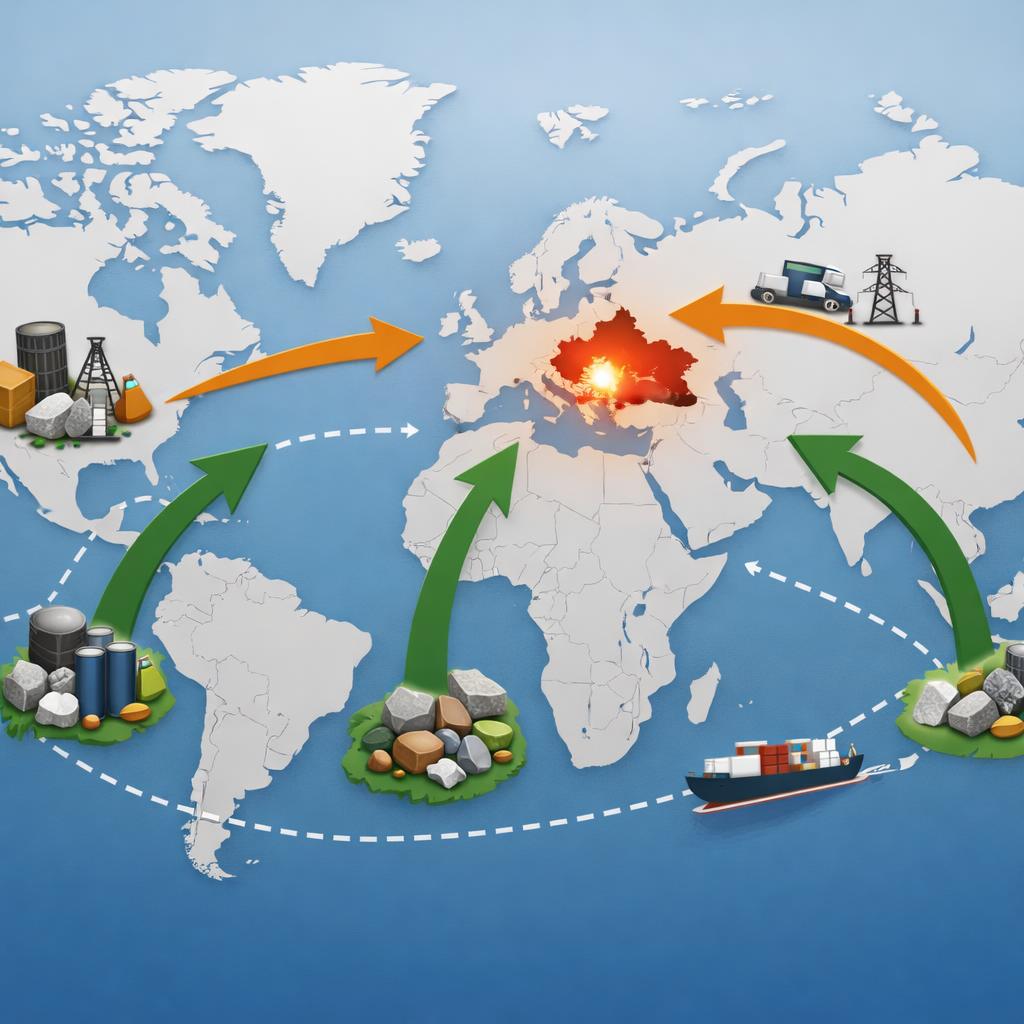
The biggest reason is that the battery sector is highly dependent on international markets. War increases uncertainty, and that uncertainty often leads to higher prices, extra supplies and more cautious purchasing. Nickel in particular received a lot of attention, because this metal is important for certain battery chemistries. But lithium, copper and other raw materials also move along when trade, energy and industry are under tension.
In addition, batteries require a lot of energy during the processing of metals, the production of cells and the assembly of packages. When gas and electricity prices rise, costs rise in almost every link. This increases the influence of energy prices on battery costs, even if the availability of raw materials themselves does not completely disappear. Producers often do not immediately pass on these higher costs in full, but in the long term they usually end up in quotations and sales prices.
Raw materials, energy and transport as direct price factors
In addition to materials and energy, transport is also a clear price factor. Longer routes, more expensive fuel, port delays and higher insurance costs make deliveries more expensive and less predictable. Especially for products that come from multiple countries, small disruptions can have a noticeable effect on the final price. Manufacturers try to compensate for this with other suppliers or larger inventories, but these solutions also cost money.
You can find more background in this article about energy prices and supply chains. That helps to understand why the war is not just a commodity story, but also a story about industrial costs, planning and risk. This combination is decisive for the question of why battery prices are rising due to the war in Ukraine.
Which batteries and markets are most affected
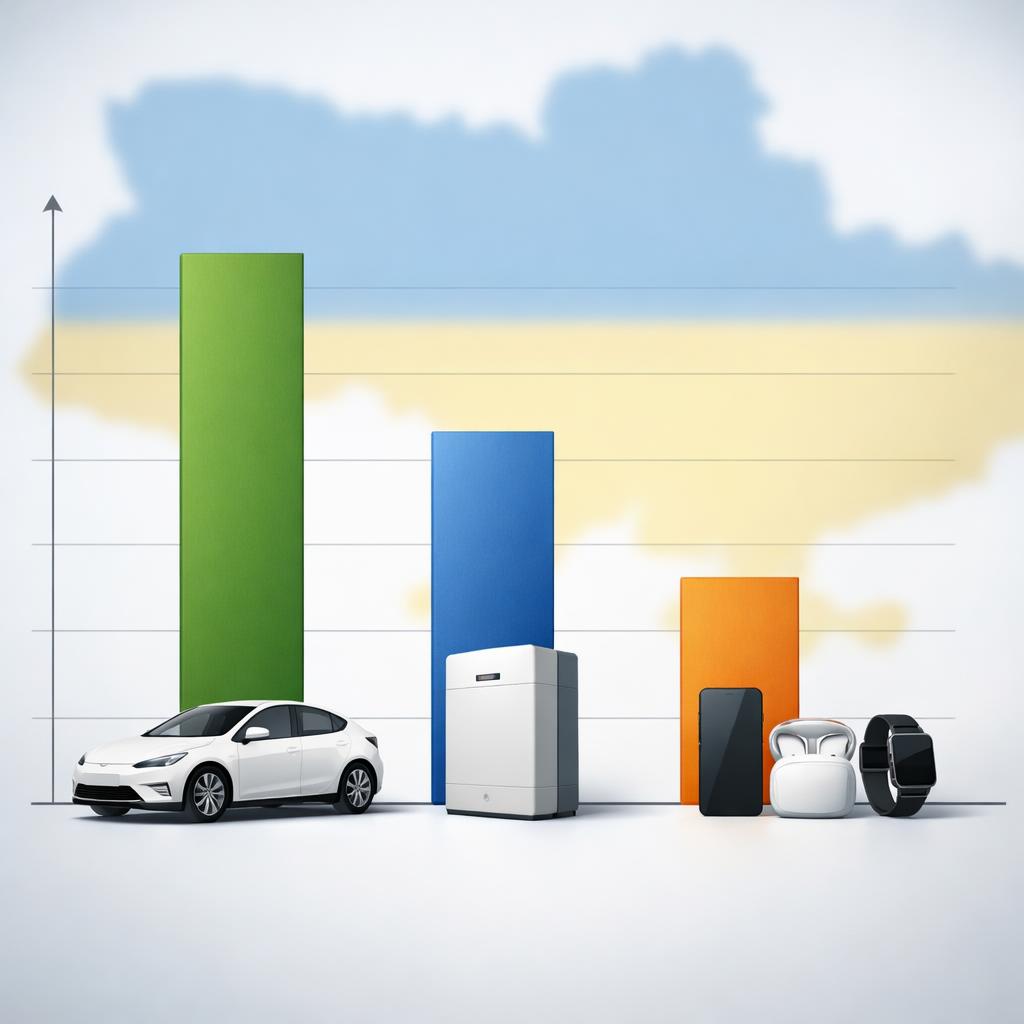
Not every battery market responds in the same way. Electric cars often feel fluctuations more strongly because their battery packs are large and contain a lot of material. A limited increase in metal or energy costs can quickly become visible in the total vehicle price. Electric car manufacturers also often work with large volumes, which means that changes in the raw materials market quickly have financial consequences.
When storing at home, the picture is slightly wider. The battery is important, but inverters, installation, local demand, subsidies and energy rates also determine the final price. As a result, a home battery can become more expensive in one region much faster than in another. Batteries are smaller in consumer electronics, such as phones and laptops. As a result, the direct impact per device is usually more limited, although more expensive parts and transport can still increase the price.
Differences between electric cars, home storage and electronics
Electric cars usually respond fastest to price pressure, because the battery represents a large part of the production costs. With home batteries, much depends on the time of purchase and the regional market. In some cases, part of the higher costs are compensated by energy savings or favorable arrangements, so that buyers focus less solely on the purchase price.
Electronics are less directly sensitive, but not immune. Brands sometimes temporarily absorb increases with smaller margins, adjusted product mixes or later price rounds. Therefore, the answer to the question what does the war in Ukraine mean for battery prices is not the same for every product. Large storage systems and vehicles typically respond faster and more visibly than smaller everyday devices.
What consumers and businesses can expect now
In the short term, battery prices remain sensitive to news about raw materials, energy and production capacity. That doesn't mean prices will only go up. The industry is constantly looking for alternative battery chemistries, more efficient factories, new suppliers and better contracts. Such adjustments can alleviate some of the price pressure later, although this rarely happens immediately.
It is wise for consumers and companies to look beyond just the basic battery price. Delivery time, installation costs, warranty, lifespan and operating costs over several years are just as important. Especially for electric cars and home storage, a slightly higher purchase price can still be beneficial if the performance, reliability and total costs are better. Anyone who compares quotes should not only look at the amount at the bottom, but also the specifications and conditions.
Short term versus longer term price development
In the longer term, the market can become calmer through additional mining, more refining capacity, economies of scale and technological improvements. Yet geopolitical uncertainty remains a factor that makes planning difficult. This especially applies to companies that depend on fixed delivery times or large purchasing volumes. A more stable market is possible, but not self-evident.
The key is that How does the war in Ukraine affect battery prices? is not a simple story with one cause or one outcome. It involves an interplay of raw materials, energy, logistics, demand and industrial adaptation. Anyone investing in storage or electric mobility today will therefore benefit from a broad cost consideration rather than a strict price forecast for the coming months.
Conclusion
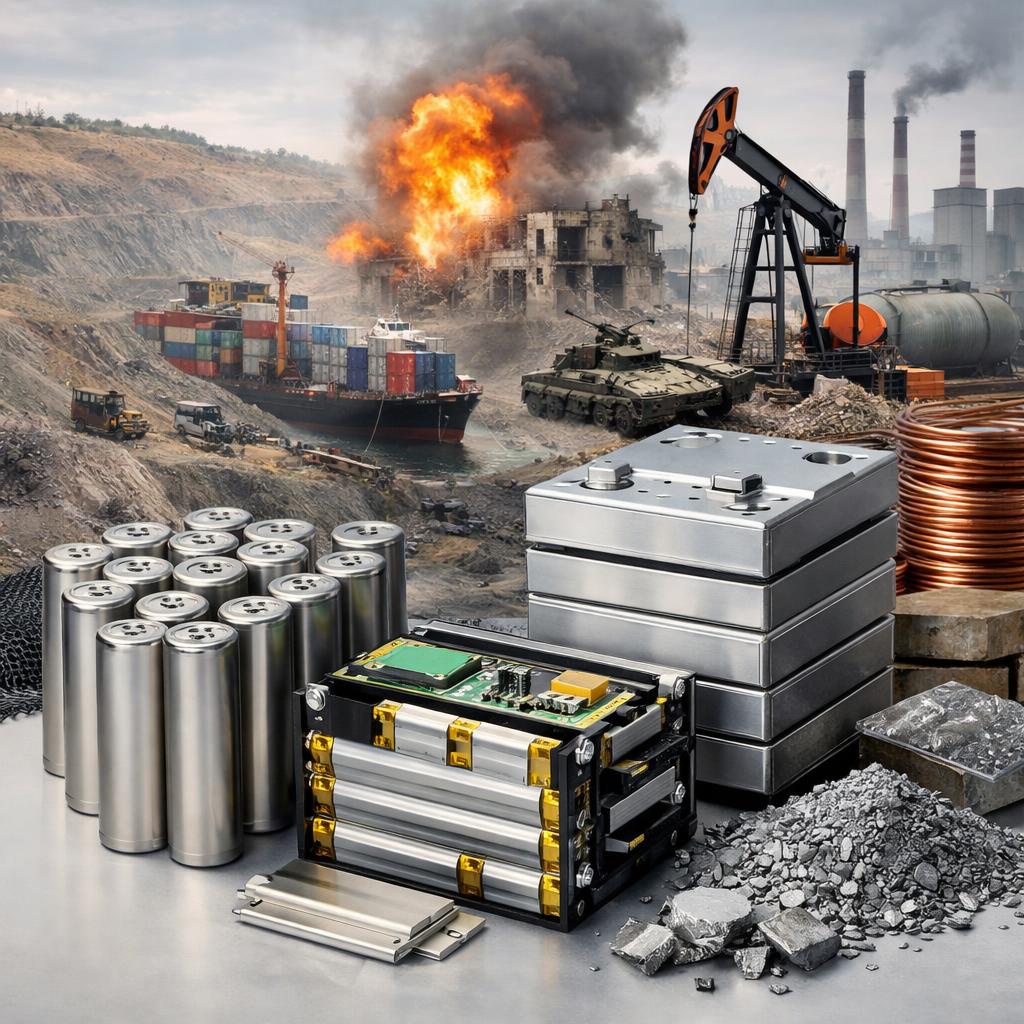
The question How does the war in Ukraine affect battery prices is best answered by looking at the entire chain. The war affects raw material markets, energy costs, transport and uncertainty in international trade. As a result, battery prices may rise, but the speed and size vary per application and market.
Electric cars and larger storage systems usually notice these fluctuations first, while consumer electronics often respond later or less immediately. For buyers and businesses, the most important lesson is that battery prices are closely linked to the global market. Anyone who follows developments surrounding nickel, lithium, energy and logistics will have a better understanding of why quotes change and why price differences are sometimes greater than expected.
Frequently asked questions
Why does the war in Ukraine affect battery prices?
Because the war causes uncertainty around raw materials, energy and transport. This increases production, delivery and purchasing costs, which can ultimately affect the price of batteries.
Which raw materials are most important for the price of batteries?
Lithium, nickel, cobalt, graphite and copper are the most important. Not every battery uses the same composition, but price changes in these materials often have a major impact on the total cost.
Are all battery types equally sensitive to this price pressure?
No, large batteries for electric cars and storage systems are usually more sensitive than small batteries in electronics. This is because they require more material, energy and production capacity.
Can battery prices drop again later?
Yes, this is possible through additional production capacity, more efficient factories, alternative chemicals and calmer raw material markets. However, prices remain dependent on energy, demand and international supply chains.