An electric bicycle battery insurance can make a big difference if you are faced with theft, fire damage or an unexpected fall. Yet coverage is rarely self-evident. Many electric bicycle owners in the United States wonder: Is the electric bicycle battery insured when only the battery is stolen, when the battery stops working after an accident, or when performance deteriorates rapidly? The honest short answer is: it depends on the insurer, the policy and the coverage chosen.
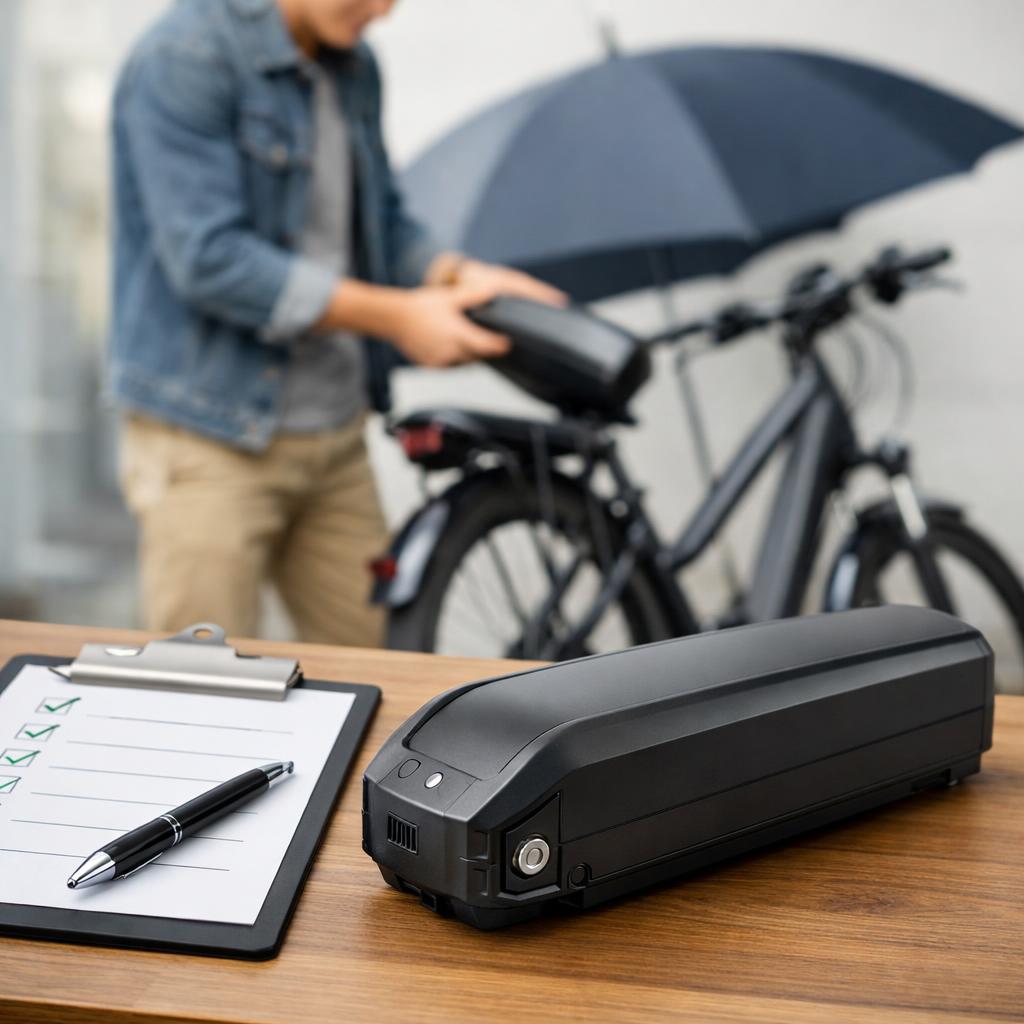
Anyone looking at insurance for electric bicycles will quickly see that the battery is often included in the insurance, but not always under all circumstances. The electric bicycle battery insurance coverage is usually determined by the cause of the damage, the method of protection and the use of the correct charger and parts. That is why it is smart not only to look at the premium, but especially at exclusions, maximum reimbursements and the evidence that you must be able to show.
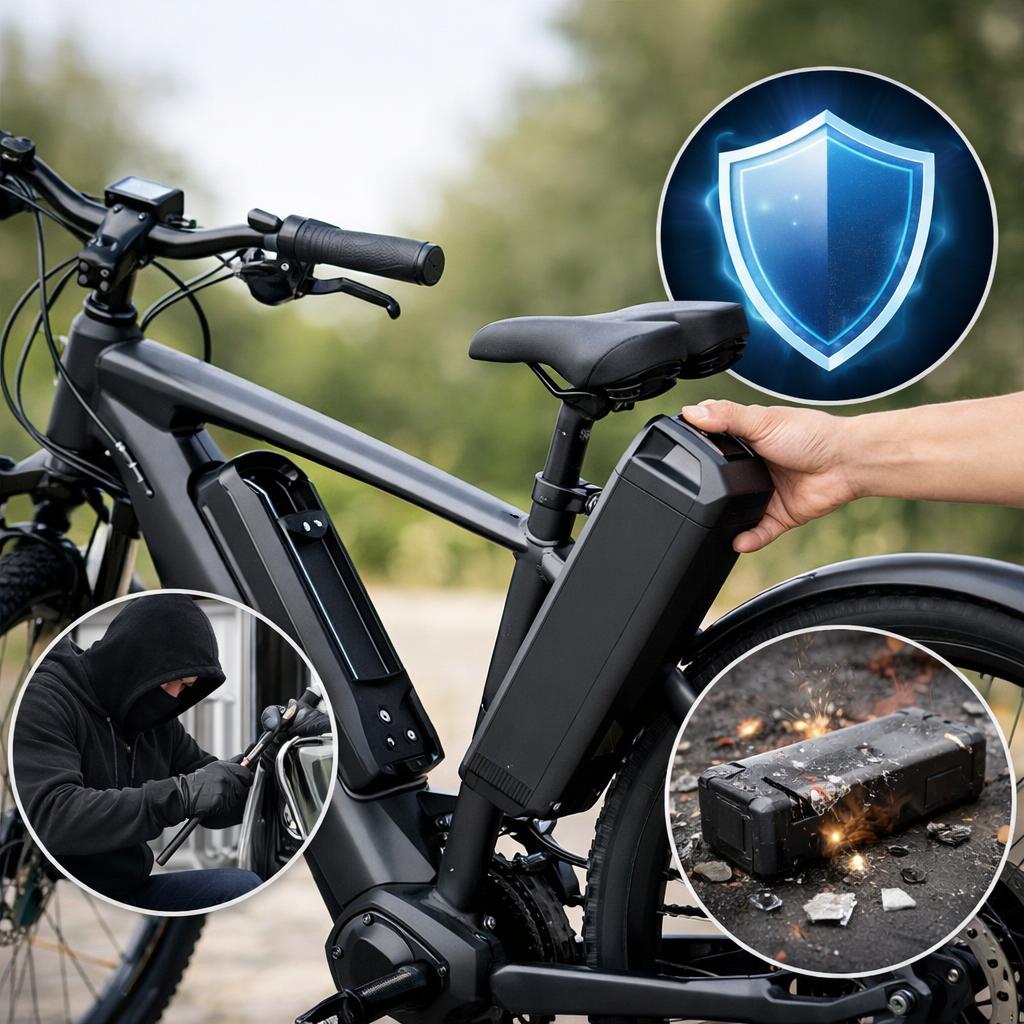
Overview image at top showing an electric bicycle and removable battery, with emphasis on coverage, theft and damage.
When damage to the battery is usually reimbursed
Many policies insure damage to the battery if it is caused by a sudden and unexpected external event. Consider a collision, vandalism, a hard fall or fire due to an incident that is not related to incorrect use. Theft may also be covered by the policy, especially if the battery was on the bicycle at the time of the theft or if the conditions clearly state that a separate, removable battery is separately insured. The compensation does differ: some insurers pay the current value, while others temporarily charge the new value or replacement value.
Theft, fire and fall damage clearly explained
Theft electric bicycle battery insurance is a lot about evidence. You often have to be able to show that the bicycle was properly locked, that a report has been made and sometimes also that there are traces of forced entry. In the case of fire damage, insurers usually look extra critically at the cause. If the fire was caused by an approved charger and normal use, reimbursement is possible sooner. If the battery has been charged with the wrong charger or has been modified, a claim is often rejected. Accidental damage is usually seen as an insured event more quickly than gradual battery deterioration. That is precisely why it is important to check the policy rules word for word.
Which exclusions and conditions often result in rejection
Most disappointment comes from the small print. Normal wear and tear, reduced capacity due to age and gradual deterioration are often excluded. A battery that does not get as far after a few years is therefore usually not covered by insurance. Damage due to incorrect charging, moisture due to careless storage, use of an unsuitable charger or your own technical adjustments to the battery is also often excluded. Anyone who wants to know whether a decreasing range is insured should pay close attention to the difference between sudden damage and normal aging.
Note loading, storage, locks and evidence
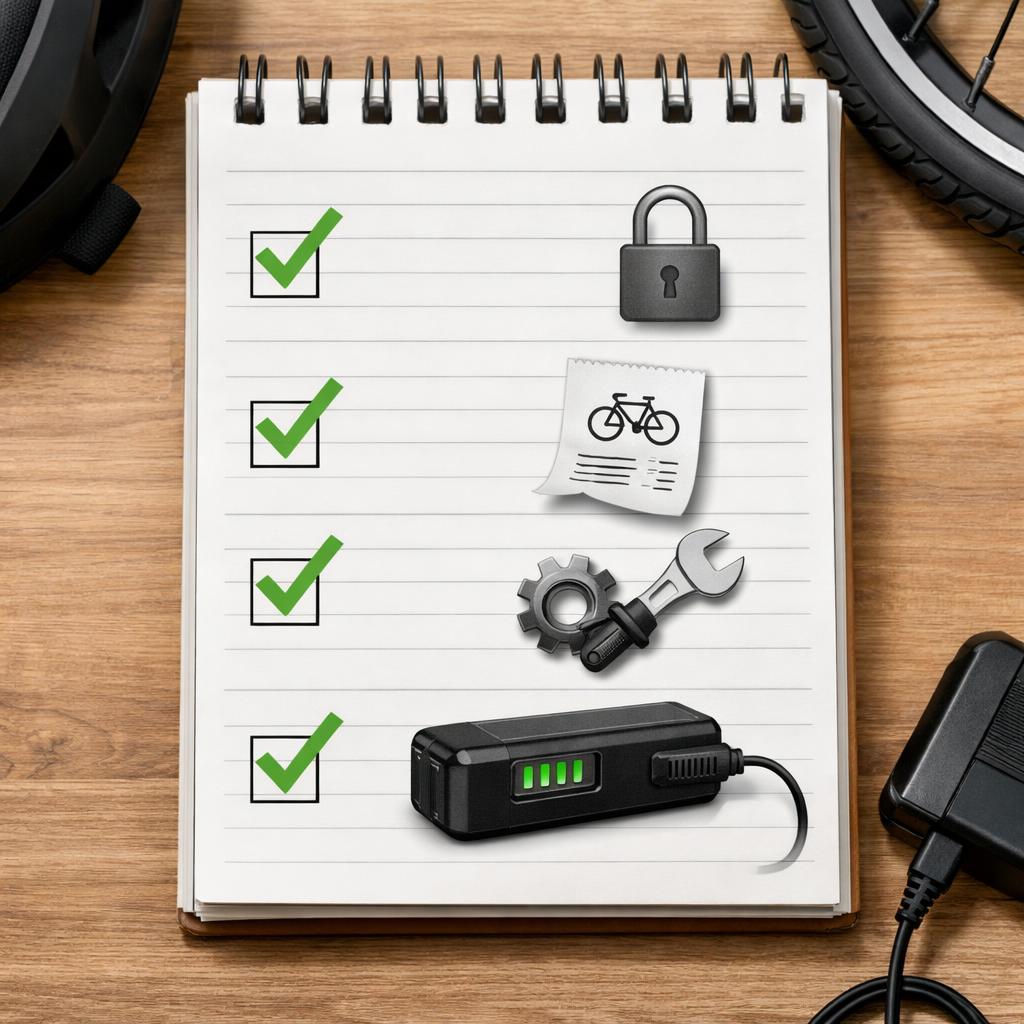
Insurers often impose strict conditions on security and documentation. If the bicycle was not locked with a mandatory approved lock, or if only the battery was stolen while it was not stored according to the policy, an application may be rejected. Therefore, always keep the proof of purchase, serial number, key details, photos and maintenance documents. It is also wise to record which charger you use and whether maintenance has been carried out according to the regulations. If you experience damage, a practical explanation about reporting damage to your bicycle will help you take the right steps more quickly. Simple checklist to illustrate this section, with items such as lock, proof of purchase, maintenance and charging usage.
Conclusion
An electric bicycle battery insurance can be valuable protection, but only if the cause of the damage is covered and you meet all policy conditions. Theft, fire and damage due to an accident are regularly reimbursed, while wear and tear, loss of capacity and damage due to misuse are often not covered. The way you secure the bicycle, charge the battery and store your documents also plays a major role in the assessment of a claim.
If you want to avoid surprises, don't compare solely on price. Look at the maximum reimbursement for the battery, the deductible, the rules regarding loose battery theft and the requirements for maintenance and charging. For many people searching for is electric bicycle battery insured or electric bicycle battery insurance coverage, the most important lesson is simple: read the conditions carefully in advance and, if in doubt, ask for written confirmation. This takes little time and can save a lot of money and discussion later.

Frequently asked questions
Is wear and tear of an electric bicycle battery covered by insurance?
Usually not. Normal wear and tear, loss of capacity and aging are usually seen as a consequence of use and not as sudden damage. Exceptions exist, but are rare. Therefore, always check your policy conditions.
Is theft of just the battery also reimbursed?
Sometimes yes. This depends on whether the battery is separately insured and whether you can demonstrate that the bicycle and battery were locked or stored in accordance with the security requirements. Without that proof, the chance of rejection is greater.
What should you keep to properly report battery damage?
Keep the proof of purchase of the bicycle and battery, the serial number, keys, photos of the damage, a theft report and any maintenance information. With complete documents, a claim is usually processed faster and assessed better.
Is damage due to incorrect charging insured?
Often not. Damage caused by an unsuitable charger, incorrect charging behavior or personal adjustments to the battery are regularly excluded. Therefore, read carefully in advance which charging and usage rules are included in your policy.