Anyone looking for the Top 10 home batteries in Europe usually wants to know quickly which systems are really interesting and for which type of home. In 2026, the choice will be less about marketing and more about practical questions: do you already have solar panels, is your home 1-phase or 3-phase, do you want emergency power, and how important are expandability and smart management with dynamic energy rates? If you first want to understand the basics, read how a home battery works. There is no one universally best battery for most households, but there is a system that better suits your consumption, home type and plans for the coming years.
This comparison helps homeowners, apartment dwellers and doubters who are looking for the best home battery Europe 2026 without spending hours reading data sheets. Below you will find a compact top 10, plus clear selection help regarding installation, backup, software and price. Please note that availability, features and compatibility in Europe may vary by country, installer, inverter and grid connection.
Top 10 home batteries in Europe: the shortlist for 2026
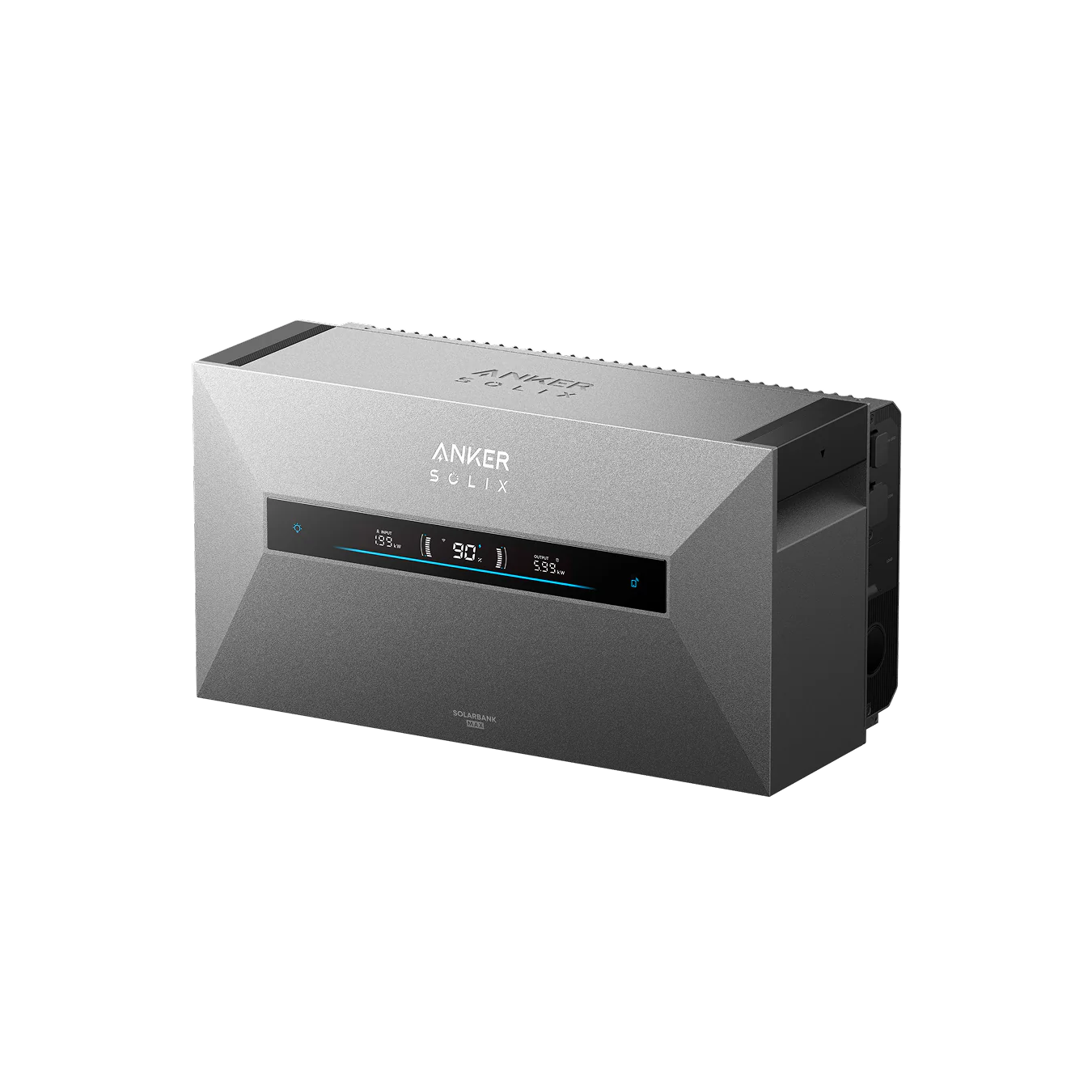
The practical top 10 for 2026 is as follows:1. Tesla Powerwall 3, 2. Huawei Luna2000, 3. BYD Battery-Box Premium, 4. EcoFlow PowerOcean, 5. Enphase IQ Battery 5P, 6. Anker SOLIX Solarbank 3 E2700 Pro, 7. Sigenergy SigenStor, 8. Sungrow SBH Series, 9. Zendure SolarFlow Hyperand 10. AlphaESS. This list is based on market position, reliability, software, expandability, compatibility and user experiences in Europe.
Tesla Powerwall 3 remains the strongest all-round choice for many larger homes. The system offers a lot of power, good backup options and a mature ecosystem, which is especially interesting with a heat pump, charging station or high evening consumption. Huawei Luna2000 scores highly with households that want to manage their consumption intelligently and use dynamic rates. BYD Battery-Box Premium is often chosen by installers because of its broad compatibility with inverters such as Fronius, SMA, GoodWe and Kostal.
EcoFlow PowerOcean is attractive for homes with existing solar panels, because it is relatively flexible and can often be expanded later. Enphase IQ Battery 5P is a strong premium option for smaller installations and homes with Enphase microinverters. If you are mainly looking for a low entry threshold or you live in an apartment, then Anker SOLIX Solarbank 3 E2700 Pro and Zendure SolarFlow Hyper often make more sense than large fixed systems.
Sungrow SBH series stands out for its good price-performance ratio for medium-sized households. Sigenergy SigenStor is interesting for those who want a modern, scalable system around a larger energy hub. AlphaESS remains relevant as a mid-range choice between price, features and availability. Anyone who compares the Top 10 home batteries in Europe will quickly see that the best choice depends largely on the usage situation and not only on capacity in kWh.
Which systems stand out per use case
If you are mainly looking for a battery for emergency power, Tesla Powerwall 3, Enphase IQ Battery 5P and some EcoFlow configurations often come into the picture first. If you want maximum flexibility and later expansion, BYD Battery-Box Premium and Huawei Luna2000 remain strong choices due to their modular construction. Sungrow is often interesting for price-conscious buyers, while Sigenergy stands out in larger, more modern installations.
Apartment dwellers usually have different priorities than owners of a detached home. Then compact size, easy installation and local rules regarding plug-and-play count more. In that segment, Anker and Zendure often make the most sense, especially for balcony panels or limited space. This makes it clearer more quickly which models are useful in practice and which only seem attractive on paper.
How to choose the right home battery for your home
The best home battery mainly depends on your situation: existing solar panels or not, 1-phase or 3-phase, backup/emergency power, dynamic energy rates, plug-and-play, expandability and app or API options. Therefore, do not start with brand preference, but with your home and your consumption profile. A large family with a heat pump and EV needs something different than an apartment with balcony panels.
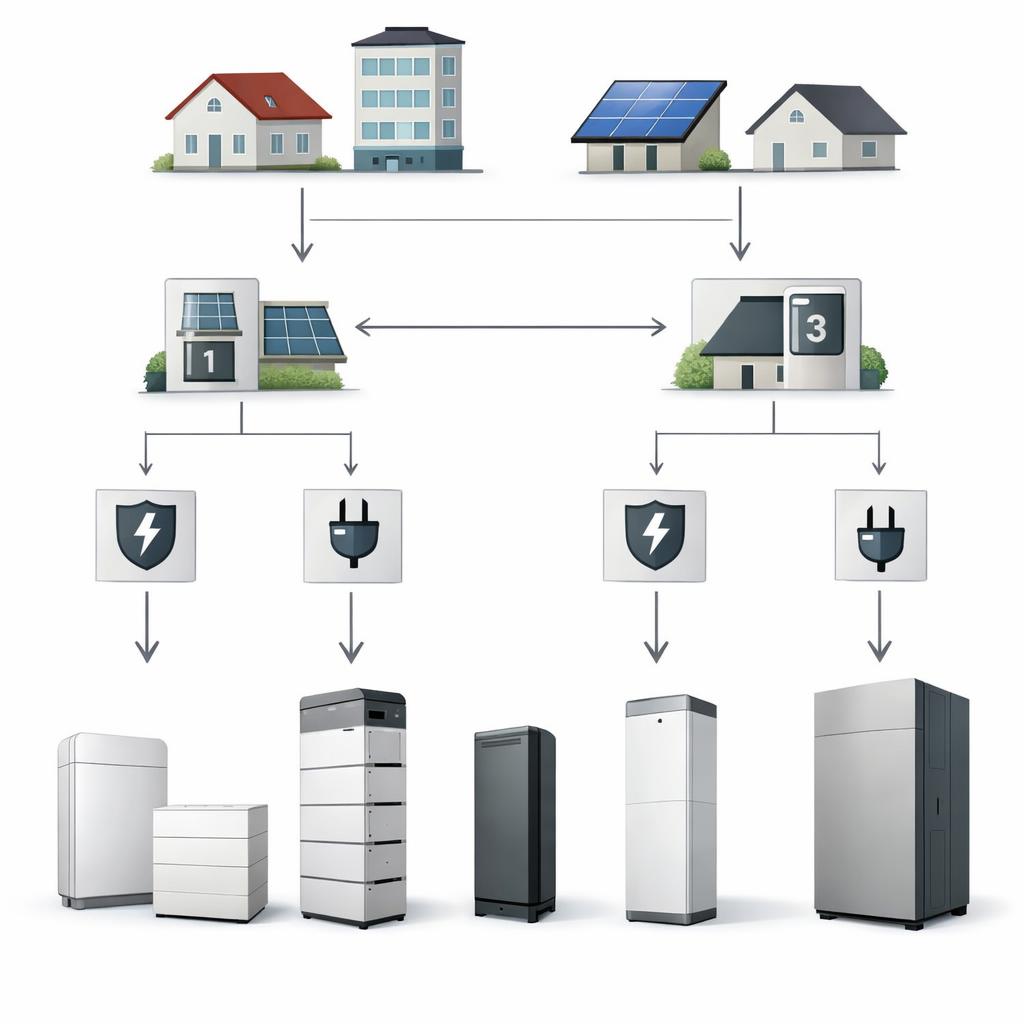
First look at the connection. The question choosing a 1-phase or 3-phase home battery is important, because not every system is equally suitable for high peak loads or an even distribution over multiple phases. If you already have solar panels, check whether the battery matches your current inverter or whether an AC-connected solution is smarter. You can read more about this in Combining home batteries and solar panels. If you don't have solar panels yet, a battery can still make sense, but especially if you want to actively respond to price differences in the market.
Also consider backup, noise level, placement and software. Not everyone needs full emergency power, but anyone who wants to keep their refrigerator, internet or part of the home running in the event of a power outage must explicitly take this into account in advance. The app also deserves attention. Good software makes the difference between a battery that runs passively and a system that really helps to use solar power more intelligently, reduce peaks and utilize favorable moments for charging and discharging.
Note phase connection, solar panels, backup and app
A simple rule of thumb will help you choose. If you live in an apartment or use balcony panels, first look at compact plug-and-play models such as Anker or Zendure. If you have a single-family home with existing solar panels, EcoFlow, Huawei or BYD are often logical routes, depending on your inverter and desire to expand later. For larger homes with a heat pump, charging station or high evening consumption, Tesla, Huawei, BYD and Sigenergy often come to the fore.
Also check whether the app clearly shows how much electricity you generate, store and consume. That sounds small, but in daily use good monitoring is often just as important as raw capacity. If you want to save through dynamic energy rate explanations, clear management, reliable support and stable software are often more valuable than the lowest purchase price. In 2026, systems with LiFePO4 chemistry, smart energy management and good European support will dominate.
Conclusion
The Top 10 home batteries in Europe is above all a strong starting point for your comparison. Tesla Powerwall 3, Huawei Luna2000 and BYD Battery-Box Premium will be among the most complete choices for many households in 2026, while EcoFlow, Enphase, Sungrow, Anker and Zendure each have their own clear profile. The best battery ultimately depends on your home, existing solar panels, connection, wish for emergency power, expandability and the way in which you want to deal with electricity prices.
Therefore, compare not only price and capacity, but also compatibility, local support and installation quality. A system that seems perfect in an overall ranking may make less sense in your home. Anyone who looks this way gets much more out of a shortlist than just a table of specifications.
FAQ
Which home battery is best for existing solar panels?
That mainly depends on your current inverter and whether you want an AC or DC-coupled solution. EcoFlow PowerOcean, Huawei Luna2000 and BYD Battery-Box Premium are often strong candidates. For existing installations, compatibility is more important than position in a general ranking.
Therefore, always have it checked whether the system technically works well with your solar panels, inverter and meter cupboard. This prevents disappointment afterwards and often makes the investment a lot more future-proof.
Is a home battery profitable in Europe without solar panels?
Sometimes yes, especially if you have a dynamic energy contract and there are large price differences between cheap and expensive hours. A battery can then store electricity cheaply and use it later when rates are higher.
In practice, it is often financially more attractive in combination with solar panels, because you can then save your own generation for the evening. Without solar panels, profitability depends much more on market prices and software management.
What is better: plug-and-play or a permanently installed home battery?
Plug-and-play is especially interesting for apartments, small setups and people who want to start with a limited budget. The installation is simpler and the entry level is lower, but capacity and backup options are usually more limited.
A permanently installed system is better suited to family homes, larger consumptions and those who want serious home integration or emergency power. It is less flexible when moving, but often more powerful and complete.
Is LiFePO4 the standard for new home batteries?
For many new systems, yes. LiFePO4 is popular due to the combination of safety, long service life and stable performance in daily charging and discharging.
As a result, you will see this chemistry in many of the popular models in the Top 10 home batteries in Europe in 2026. There are still differences in software, warranty and ecosystem, but in terms of battery chemistry, LiFePO4 is now the logical standard for many buyers.