The second-hand market has grown into a broad and vibrant market in which consumers want to save, use things longer and buy more consciously. Anyone who wonders what the second-hand market looks like today sees a combination of private sellers, specialized stores, online platforms and local thrift channels. As a result, the range is larger, more varied and easier to access than before. Buyers can compare prices faster, better assess the condition of products and search more specifically for quality within their budget.
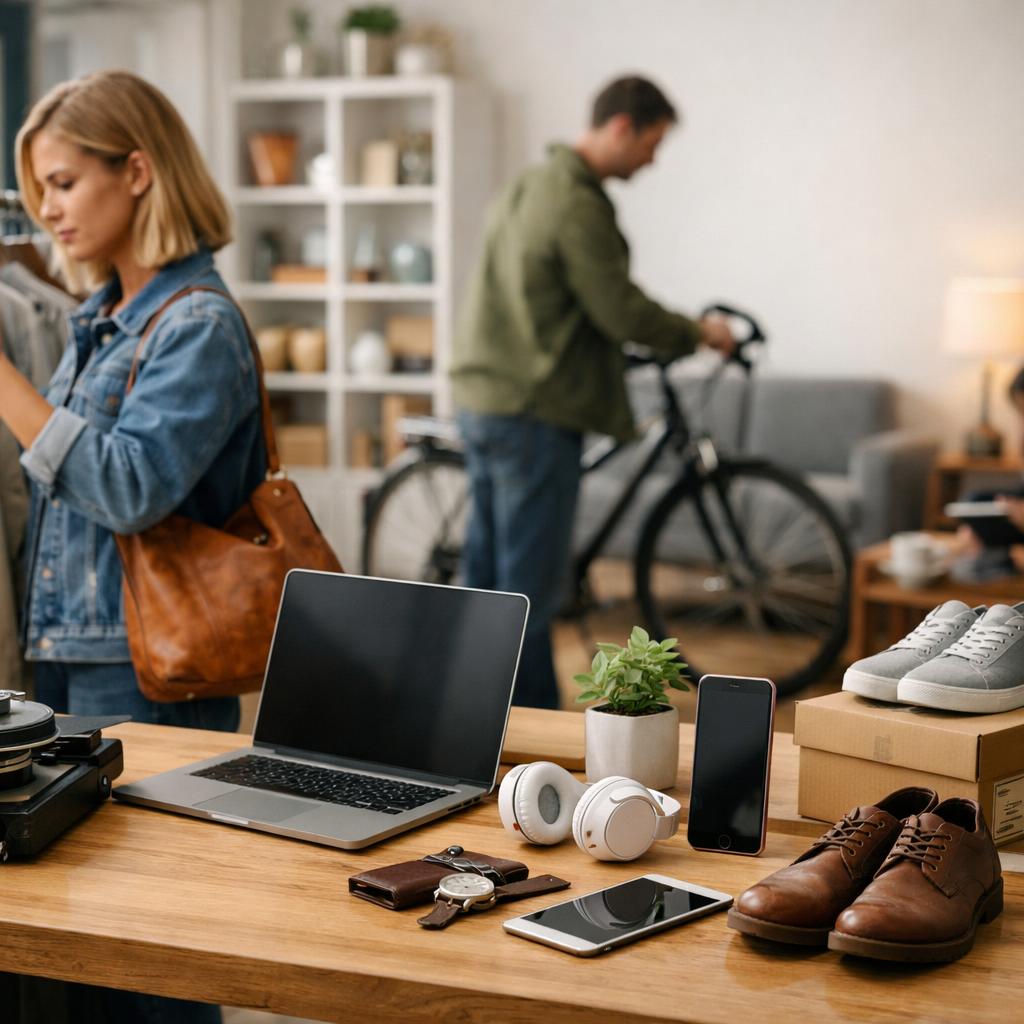
This development is related to price consciousness, changing purchasing habits and more attention to sustainable consumption. Many people want to know not only what is for sale, but also how the market works in practice. Why does one product sell within a day, while another lasts for weeks? Why do prices vary so widely? Broadly speaking, it's about supply, demand, product condition, timing and trust. It is precisely these factors that determine what the second-hand market looks like and why this market continues to grow in many countries.
Why the second-hand market is becoming increasingly important
The second-hand market is becoming more important because it responds to multiple needs at the same time. For buyers, second-hand often means a lower price, more choice and the ability to buy better quality for the same amount. It is a practical way for sellers to recover value from items that are still perfectly usable. This creates a cycle in which products change owners more often instead of being replaced prematurely.
Convenience also plays a major role. Thanks to search filters, clear photos, reviews and local pickup options, buying or selling second-hand has become much easier. Economic uncertainty reinforces this development even further: consumers are paying more attention to their expenditure and are looking for smart alternatives to new purchases. You see this not only in clothing and furniture, but also in electronics, sporting goods, children's products and collectibles.
Top reasons for growth among buyers and sellers
Buyers usually choose second-hand for price advantages, a wider selection and more control over their purchase. They pay attention to signs of use, lifespan, material and original quality. Sellers benefit from wide reach, quick visibility and low entry costs. Product groups with a large price difference compared to new are doing particularly well. This applies especially to items where brand, material or durability remain important even after use.
- Lower costs: Buyers often save significantly compared to new.
- Recapture value: Sellers turn unused items into money.
- Greater reach: Online offering connects local and broader markets.
- Longer use: Products stay in circulation longer and retain value.
How to ask, supply and trust shape the market
Anyone who wants to understand how the second-hand market works must mainly look at demand, supply and trust. The price of a used product depends not only on its age, but also on brand, maintenance, scarcity, season and visible condition. An article with complete accessories, clear photos and an honest description often yields more than a comparable product without context. Location also counts: in heavily populated areas the turnover rate is often higher, while special products reach a much larger target group online.
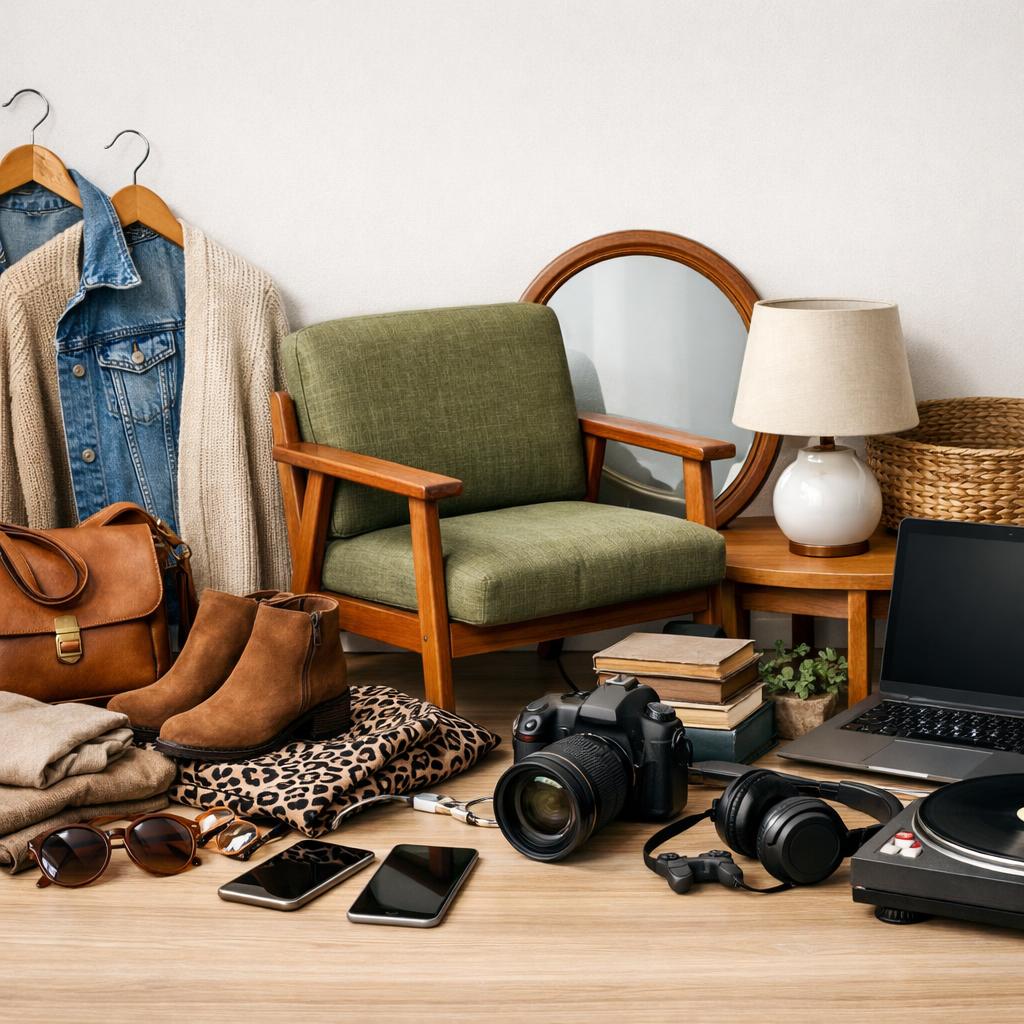
The market also differs greatly per product group. When it comes to furniture, material, dimensions and transport count heavily. When it comes to clothing, buyers often look at brand, condition and whether it still fits the current style. With electronics, a lot revolves around operation, battery condition, model year and presence of chargers or box. As a result, prices sometimes move quickly. Buyers are increasingly looking less and less at the lowest price and more at the total value. This makes transparency and quality more important than ever.
Which product groups are most popular
Some categories almost always attract a lot of attention. Clothing remains popular due to the wide range, the low entry price and the ability to resell quickly. Furniture is in demand because new often becomes more expensive and many buyers are looking for sturdy or characterful pieces. Electronics remain attractive when their operation is clearly demonstrable and important accessories are present. In addition, children's items, books, sports equipment and home decoration often do well, because the useful life can be short or because people want to try something inexpensively.
Anyone who wonders what the second-hand market looks like sees a market that is mature, versatile and constantly changing. Lower prices, wider choice, more convenience and more conscious purchasing together ensure continued growth. At the same time, success remains dependent on clarity. Clear information, realistic prices and trust between buyer and seller often make the difference between a quick, pleasant sale and a difficult experience.
The gist is that second-hand is no longer a small alternative, but a permanent part of modern purchasing behavior. Anyone who understands how the market works can make better choices, reduce risks and get more value from buying or selling. Whether it concerns clothing, furniture or electronics, a smart approach starts with comparing, assessing and communicating honestly. This makes it clear what the second-hand market looks like: broad, accessible and increasingly important for consumers who want to buy smart and consciously.
Frequently asked questions
Why is the second-hand market growing so quickly?
The growth is mainly due to price consciousness, easier online trading, greater range and more attention to longer use of products. Many consumers want to save without sacrificing quality. In addition, the wide online offering makes it easier to quickly find something suitable or sell it quickly.
Which products are the most popular on the second-hand market?
Clothing, furniture, electronics, children's items and sports equipment are usually among the most popular categories. These groups often combine a broad demand with a clear price advantage compared to new. Books and home decoration also remain popular, especially when the condition is good and the price remains attractive.
How do you determine whether a second-hand price is fair?
Compare similar offers and pay close attention to condition, age, brand, completeness and visible signs of use. Also look at recently sold comparable products if possible. A fair price is in line with the real condition of the item and the current demand in the market.
What do buyers look for in second-hand products?
Buyers pay particular attention to condition, operation, photos, description, reliability of the seller and the overall value. Clear communication increases trust. For extra security, it is smart to also look into safe online purchases, especially for more expensive items or shipping.