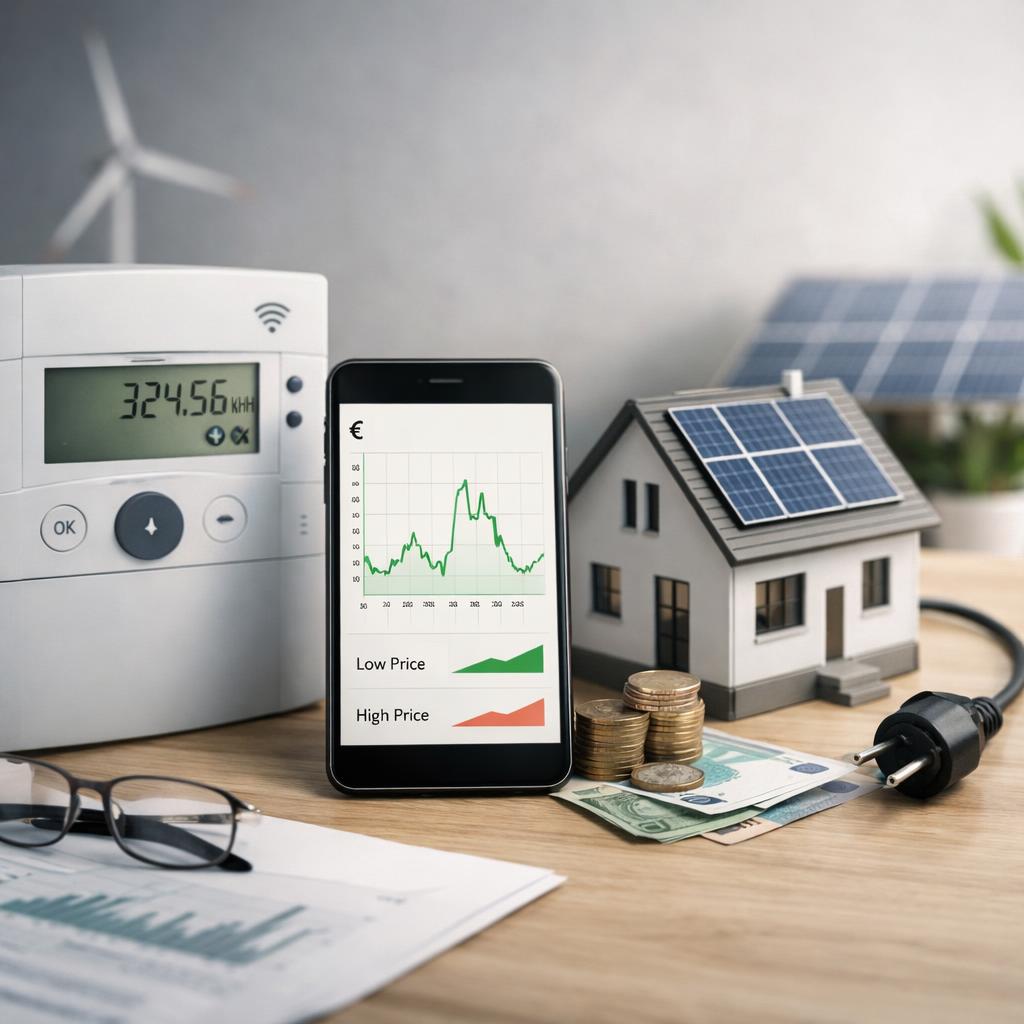
If a solution supports dynamic electricity prices, it means that it can take into account electricity rates that change during the day. This is especially interesting for households and small businesses in the United States that want to shift consumption to cheaper hours. In this explanation you can read what this function means in practice via dynamic electricity prices and why it can make a difference for costs, planning and daily comfort.
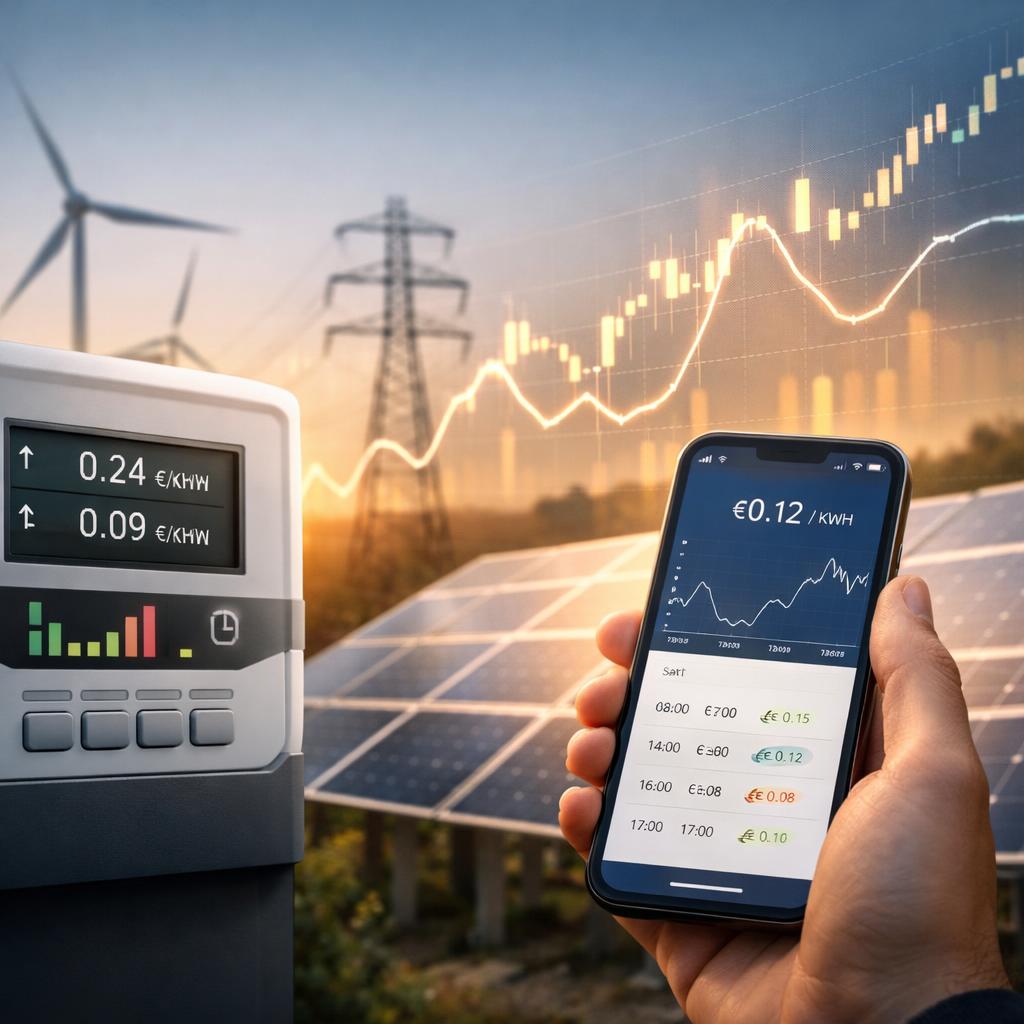
A device, service or energy system that supports dynamic electricity prices uses price information to plan consumption more intelligently. Consider charging, heating, cooling or heating water at times when the rate is lower. The benefit depends on your contract, supplier, region, institutions and whether everything works well together. That is why it is wise to not only look at the position itself, but also at how it suits your situation.
What exactly does supporting dynamic electricity prices mean
The phrase supports dynamic electricity pricing usually means that a device or service can use current or pre-available price data to control electricity consumption. Instead of seeing each hour as equally expensive, the solution takes into account cheaper and more expensive time slots. This means that a charging, heating cycle or cooling job can start later when the price is more favorable.
That does not automatically mean that everything works optimally without effort. Good support often requires a suitable energy contract, access to price data and settings that match your daily use. Sometimes a connection is also necessary with a meter, an application or an energy service. Anyone who wants to understand what exactly supports dynamic electricity prices means must look further than just a technical mention on a product page.
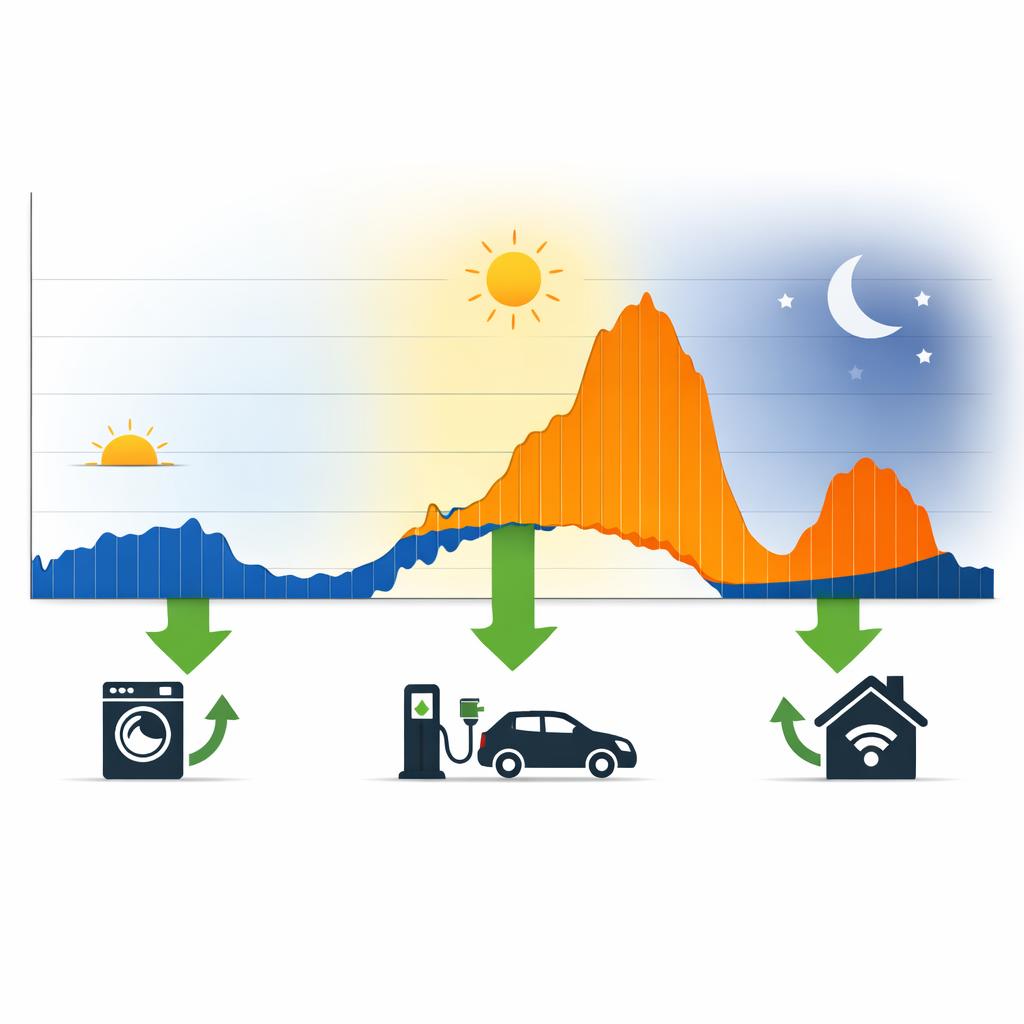
What benefits this offers for costs, planning and daily use
The biggest advantage is often that you can save by using electricity when the rate is lower. Examples include charging at night, cooling a room earlier outside peak hours or running appliances later. For small companies, this can also help to better spread recurring consumption. The actual savings differ per supplier, region and consumption profile. Not every household or company achieves the same results.
In addition, support for dynamic rates gives more control over planning. You can plan energy consumption smartly without having to monitor prices yourself every time. This is useful when you can postpone consumption without a noticeable loss of comfort. Many users also get a better view of peak times, making choices about charging, heating or cooling easier. This function not only helps with saving, but also with quieter and more predictable energy use.
When this function is especially useful in daily use
This function is especially useful for consumption that is not needed at exactly the same time. Consider loading a vehicle, heating water, pre-cooling a room or running equipment outside busy hours. In households with a fixed daily rhythm, it is usually easier to set such shifts than in situations where consumption keeps changing unexpectedly.
Support for dynamic pricing can also be attractive for small businesses with recurring processes. The outcome remains dependent on price fluctuations, the space to move consumption and the limits you set yourself. Those who have little flexible consumption sometimes notice less benefit than someone who can postpone several tasks without any problem.
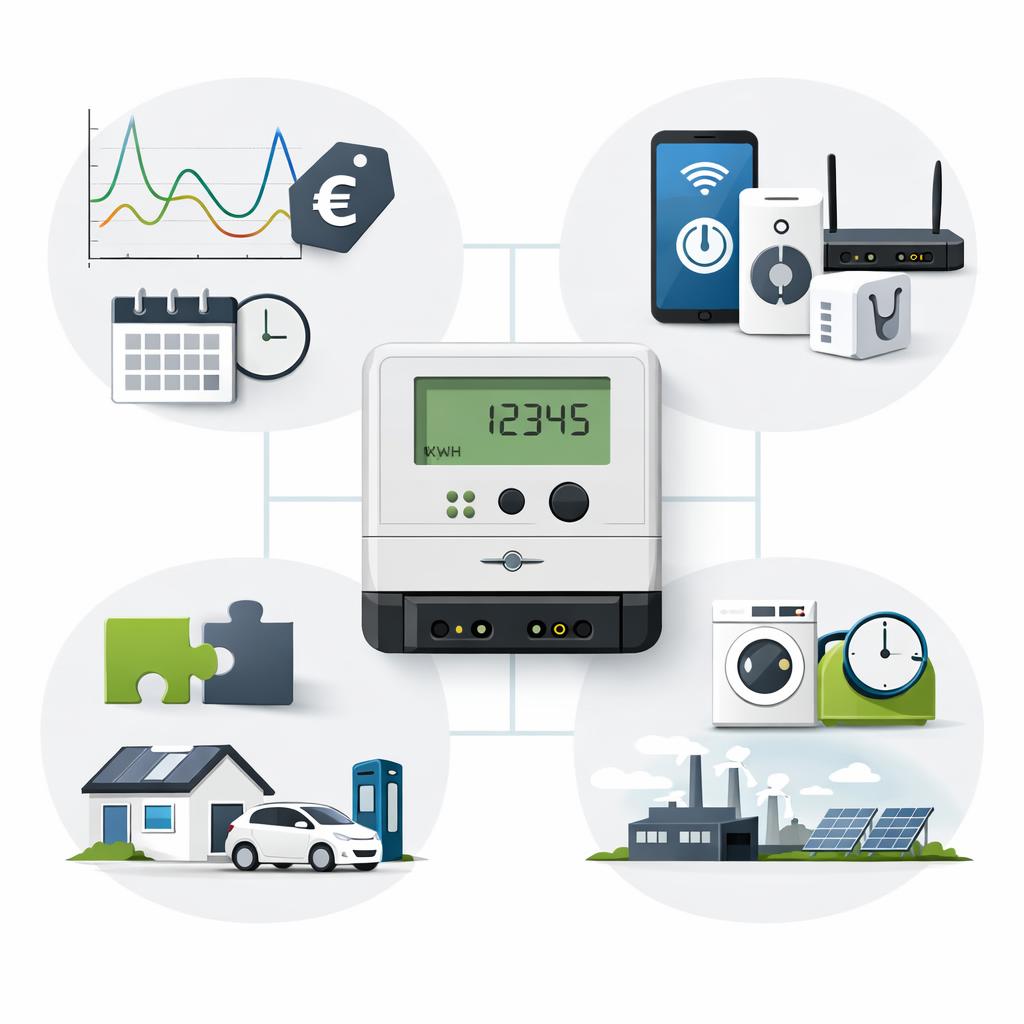
What to pay attention to when choosing, setting and compatibility
When choosing, compatibility is one of the most important points. Verify that the solution works with your rate type, supplier, region, and meter setup in the United States. Also check whether price data is retrieved automatically, how much manual setting is required and whether you can set limits yourself, such as an end time or a maximum price. This way you prevent convenience from sacrificing control.
Additionally, pay attention to how the solution handles daily use. Some systems are mainly suitable for simple schedules, while others offer more room for exceptions, comfort levels and notifications. Therefore, do not just choose based on a general promise of savings, but assess whether the function suits your devices and habits. The fact that a product supports dynamic electricity prices is only really valuable if the connections are reliable and the settings remain understandable.
Concluded
Supporting dynamic electricity prices means that a solution can take changing electricity rates into account when planning or controlling consumption. For many households and small businesses, this can help them save, plan better and deal more calmly with peak hours. At the same time, it is no guarantee of benefit in every situation. The return depends on the contract, the supplier, the region, the settings and the compatibility of the chosen solution.
If you want to properly assess whether this function is really useful, look further than just the statement on paper. It is precisely the combination of contract, connections, flexibility of consumption and ease of use that determines whether the function adds value in practice. If these components fit together well, a solution that supports dynamic electricity prices can be a smart step towards more targeted and better plannable energy use.
Frequently asked questions