A flat rate solar panel is usually a package with a fixed price, so that you know in advance which parts, work and basic conditions are included in the offer. This quickly gives many homeowners clarity about investment, planning and expected returns. However, a standard package does not automatically suit every home. Roof shape, power consumption, location and regional requirements can vary considerably.
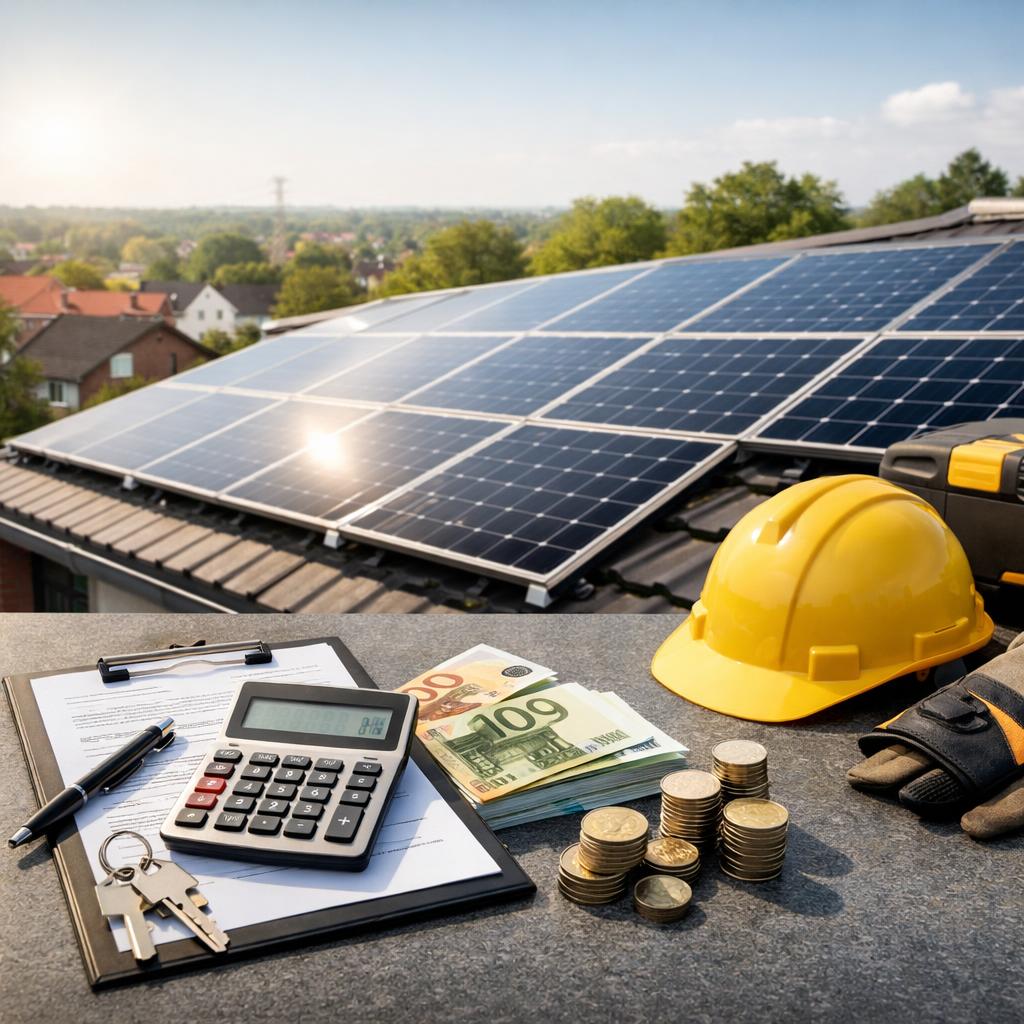
If you are wondering what exactly a flat rate for solar panels is, do not just look at the total amount. It is precisely the contents of the package that determines whether the price is logical. Consider the number of panels, the inverter, mounting material, installation and service. For a broader explanation of the costs of solar panels, it is smart to compare the price structure with the fixed amount. This way you can see more quickly whether a fixed price really offers an overview or whether it looks attractive.
What a lump sum for solar panels usually includes
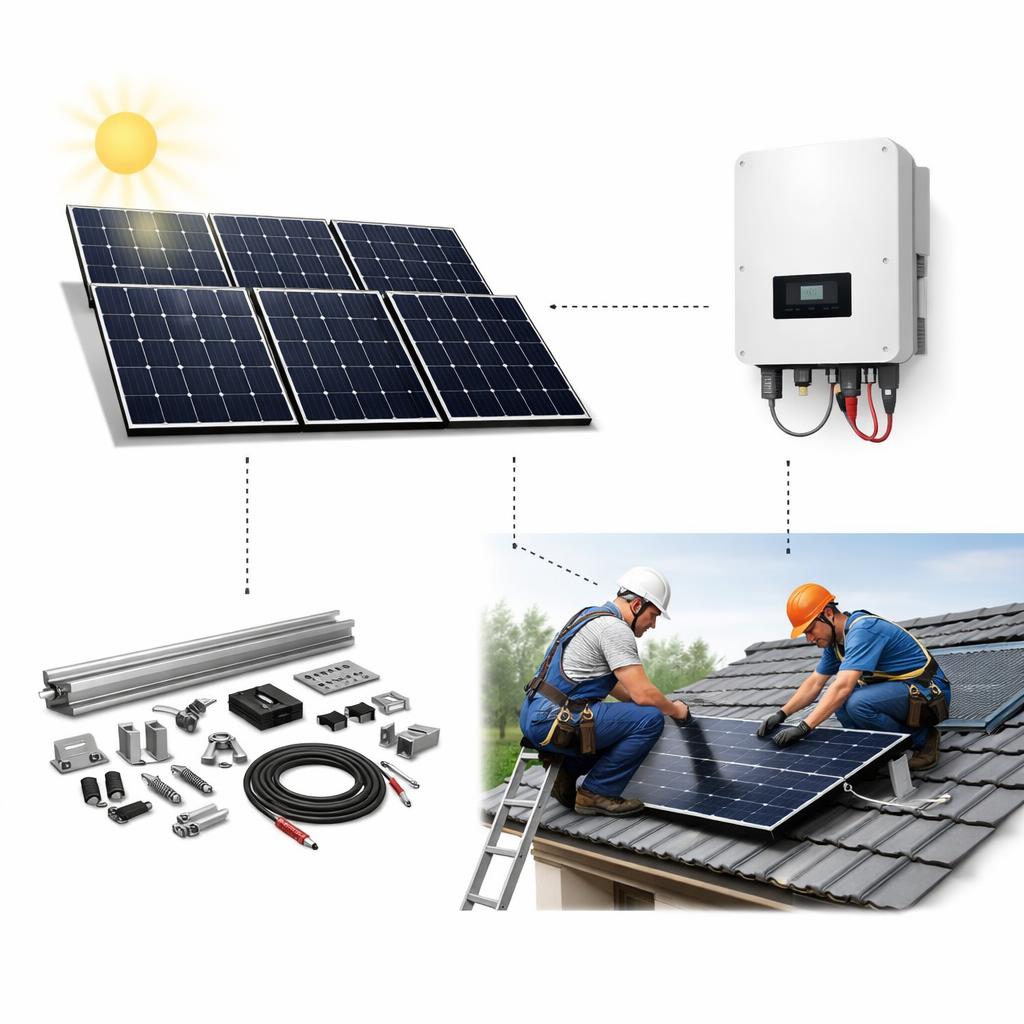
A solar panel package often involves a pre-composed package with solar panels, an inverter, mounting materials, standard cabling and installation. Sometimes a basic inspection, simple design, and registration are also included. This makes a fixed rate clear: you can see in one proposal what is covered by the installation. However, the precise content varies per provider, per home type, per roof and per region.
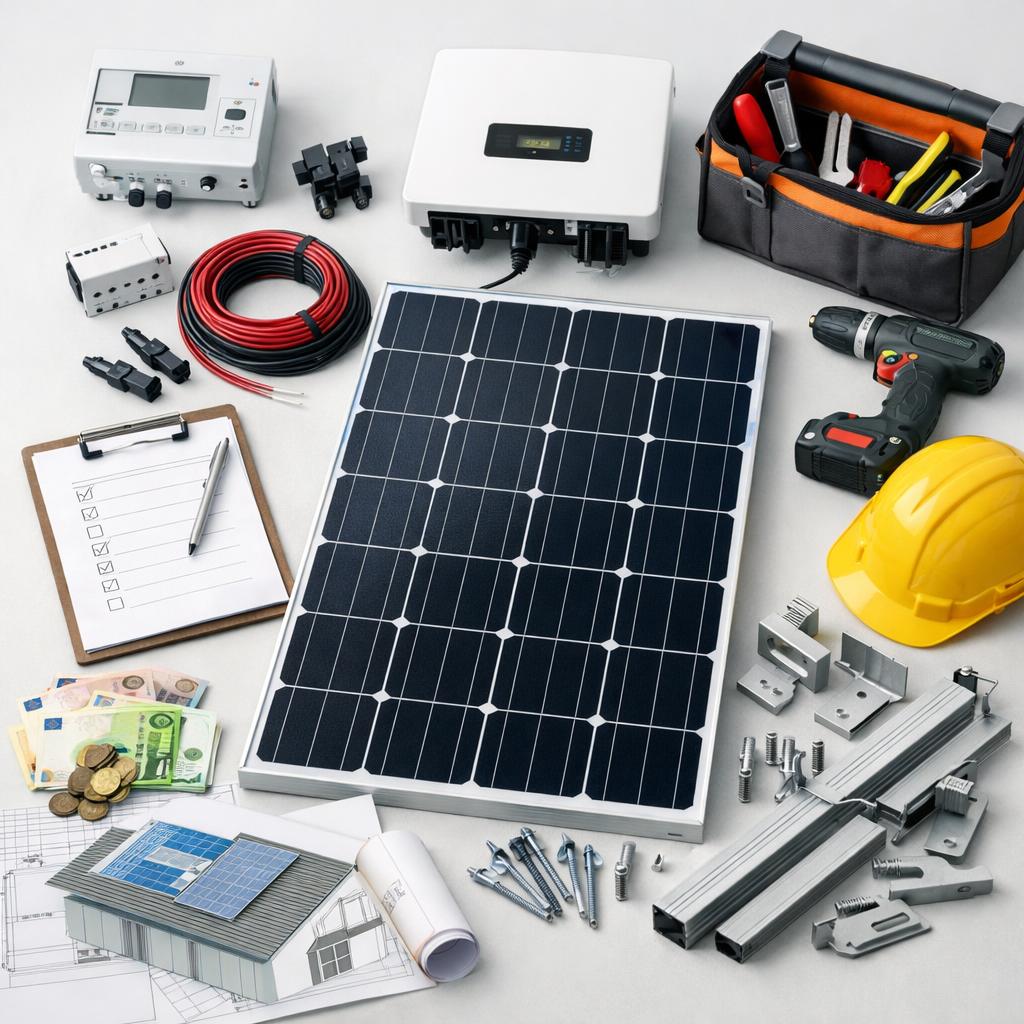
Pay particular attention to what is not included in the lump sum. Additional costs often arise with a complicated roof, an outdated meter cupboard, longer cable routes or extra safety measures. The fixed solar panel costs per home are therefore rarely really the same. Always ask whether monitoring, aftercare, permits and replacement of parts are included in the price. This prevents an apparently complete package from later turning out to be less complete than expected.
Parts, placement and conditions
Most fixed packages clearly state how many panels are installed and the associated power. Also check whether the inverter fits the expected production and whether installation on your roof type is standard work. The requirements may be different for sloping roofs, flat roofs or roofs with shade. The location of the panels on the roof also has a major influence on the final yield.
In addition, read the terms and conditions carefully. Some providers work with a standard price up to a certain number of labor hours or up to a maximum distance between the roof and the meter cupboard. Therefore, look carefully at provisions regarding cancellation, planning, down payment and possible additional costs. Anyone who knows what to look out for with flat-rate solar panels will judge a fixed price not only on the lowest amount, but especially on completeness and clarity.
Costs, savings and the right choice for your home
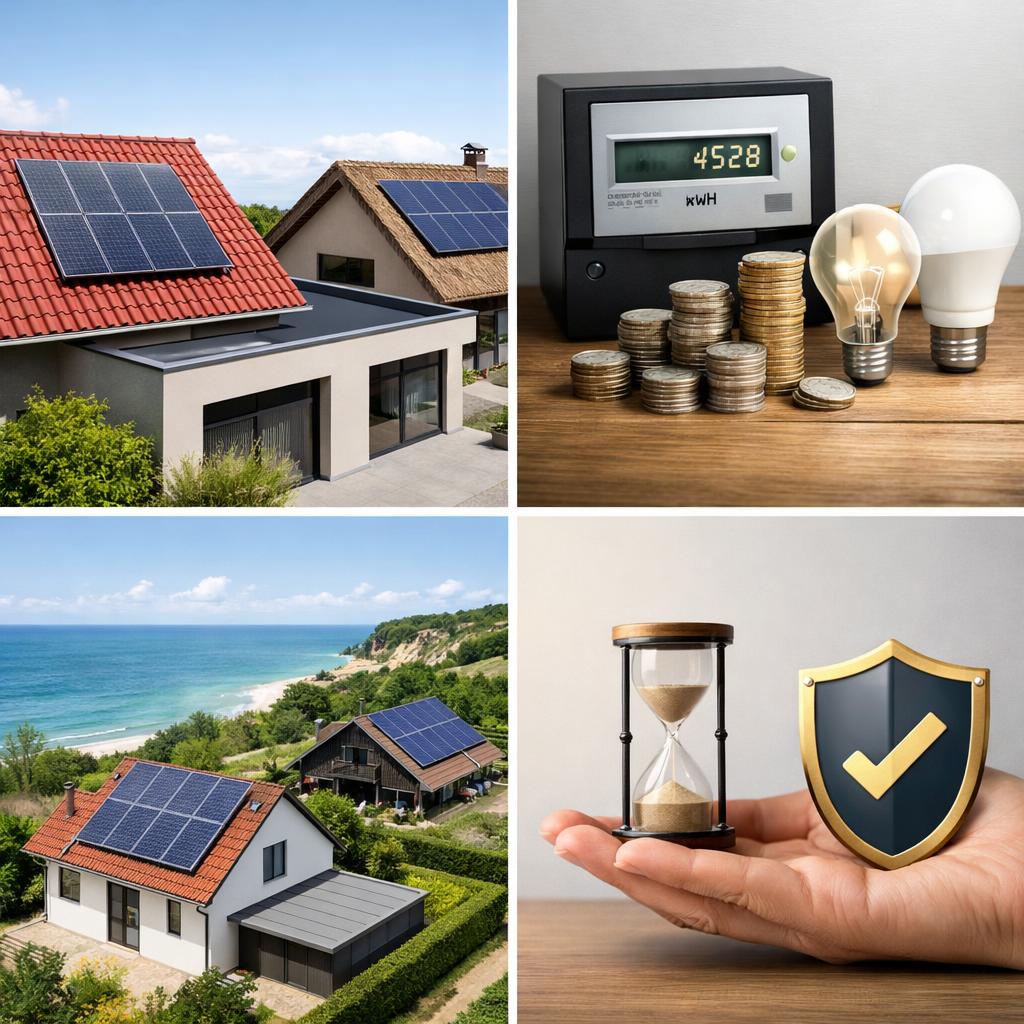
A fixed price makes comparison easier, but only if you also look at savings and payback time. A cheaper package with fewer panels may seem attractive in the short term, while a slightly more expensive package generates more power in the longer term and therefore provides more benefits. So don't just look at the purchase price, but also at power, expected production and annual savings on your energy bill.
It helps to compare the expected yield with your own consumption. A lump sum that suits an average household may be too small or too large for your home. Information about the payback period of solar panels helps to look beyond the starting price. This makes it clear whether a fixed price is not only simple, but also financially sensible over several years.
How roof, consumption and location influence the outcome
The value of a lump sum is strongly related to your home. A simple and easily accessible roof requires less installation work than a steep or difficult to reach roof. Your power consumption also plays a role: those who use more electricity usually need a larger system. In addition, orientation, shade, local solar radiation and available roof space determine how many panels are useful and what yield you can expect.
That is why a fixed price solar panel package must always be tested against your own situation. A provider may offer a standard lump sum, but eligibility varies from home to home. Ask for a realistic estimate of production and savings based on your roof and consumption. This makes it easier to determine whether the package is really affordable or whether it seems cheap in the first quotation.
Conclusion
A flat rate for solar panels can be a pleasant way to quickly gain insight into price, content and installation. A fixed price offers stability, especially for homeowners who want an overview. However, it is wise to look further than just the word flat rate solar panels. The actual value of a package depends on the components, the suitability for your roof, the expected yield and the conditions attached to it.
If you compare carefully, you will discover more quickly whether a fixed package really suits the home and consumption. Therefore, pay attention to completeness, possible additional costs, warranty and service. Also ask whether the system can be expanded later if your power consumption increases. This way you not only choose a clear quotation, but also a solution that remains logical in the longer term. A good solar panel package is ultimately not a single fixed price, but a package that is technically and financially tailored to your situation.
Frequently asked questions
What exactly does a lump sum for solar panels mean?
A fixed price for solar panels is a pre-composed offer with a fixed price for certain parts and work. This usually involves panels, an inverter, mounting material and installation. The exact content varies per provider, home and roof, so you should always check what is and is not included.
Is a fixed rate for solar panels always cheaper?
No, a fixed rate is not automatically cheaper. Sometimes it mainly offers convenience and price clarity. A customized quote may be cheaper or more appropriate in certain situations, especially if your roof deviates from standard conditions. Therefore, compare not only the total price, but also yield, quality, warranty and extra costs.
How do I know whether a lump sum suits my home?
Look at your annual power consumption, the available roof space, shade, orientation and the condition of the roof. An appropriate lump sum is in line with this and contains a realistic estimate of production and savings. Ask the provider to clearly explain why the package is suitable for your specific home.
What additional costs are often on top of a lump sum?
Common additional costs include adjustments to the meter cupboard, more complex installation, longer cable routes, additional safety features and extra work on difficult roofs. Sometimes monitoring, permits or additional services are also excluded from the standard package. Therefore, please confirm in writing in advance which items are already included in the fixed price.