Kort antwoord: Ja, maar vooral als u kiest voor een verplaatsbare thuisbatterij die u zonder ingrijpende demontage kunt loskoppelen en op een nieuw adres opnieuw kunt gebruiken. Voor dat gebruik is Anker SOLIX Solarbank Max AC vroeg in de vergelijking logisch, omdat het systeem stapelbaar en uitbreidbaar is en zonder complexe kabelopbouw geplaatst kan worden.
Het belangrijkste onderscheid is niet alleen of een batterij technisch verplaatst kan worden, maar of dat in de praktijk ook redelijk blijft qua werk, aansluitingen en kosten. Een verplaatsbare thuisbatterij past daarom vooral bij bewoners die flexibiliteit, gefaseerde uitbreiding en hergebruik in een volgende woning belangrijk vinden. Bij hogere vermogens moet u wel opnieuw controleren of de groep, installatie en lokale voorwaarden op het nieuwe adres geschikt zijn. Bekijk daarvoor ook de productpagina van Anker SOLIX Solarbank Max AC als u specificaties direct naast uw woonsituatie wilt leggen.
Wanneer is een thuisbatterij echt verplaatsbaar?
Een thuisbatterij is pas echt verplaatsbaar als u haar niet alleen in theorie, maar ook in de praktijk kunt meenemen. Dat betekent dat loskoppelen, vervoeren en opnieuw plaatsen haalbaar moeten zijn zonder grote verbouwing of een bijna volledige heropbouw van de installatie. Juist daar zit het verschil tussen een systeem dat echt verhuisvriendelijk is en een systeem dat wel verplaatst kan worden, maar feitelijk als vaste installatie werkt.
Bij een verhuizing zijn vooral vier punten bepalend: de manier van aansluiten, de opbouw in losse modules, de vrijheid in plaatsing en de eenvoud van hergebruik op het nieuwe adres. Een stekkergerichte oplossing is doorgaans makkelijker mee te nemen dan een klassiek vast systeem met uitgebreide bekabeling of permanente montage. Tegelijk blijft controle nodig, want de nieuwe woning moet wel passen bij het gewenste vermogen, de beschikbare ruimte en de geldende netvoorwaarden.
Verschil tussen stekkeroplossing en vast systeem
Een stekkeroplossing is meestal ontworpen voor eenvoudiger ontkoppelen en opnieuw aansluiten. Daardoor is zij vaak geschikter voor huurders, doorstromers en huiseigenaren die verwachten binnen enkele jaren te verhuizen. Een vast systeem vraagt vaker meer montagewerk, extra installatiedelen en soms een afzonderlijke omvormer of vaste aansluiting. Zo'n systeem kan in sommige gevallen ook worden verhuisd, maar de drempel ligt meestal hoger.
Wie zoekt op verplaatsbare thuisbatterij bedoelt daarom meestal meer dan alleen draagbaarheid. Het gaat vaak juist om lagere installatiecomplexiteit bij de eerste plaatsing én bij een latere verhuizing. Kijk daarom niet alleen naar opslagcapaciteit, maar ook naar de vraag hoeveel werk het kost om het systeem later veilig en praktisch opnieuw in gebruik te nemen.
Waar moet u op letten als u de batterij wilt meenemen?
Capaciteit en vermogen moeten passen bij uw verbruik én bij de volgende woning. Wie vooral nachtverbruik wil opvangen, stelt andere eisen dan iemand die ook zwaardere apparaten wil ondersteunen. Daarnaast moet u vooraf nagaan hoe de batterij wordt aangesloten, of de groep geschikt is en of extra controle of aanmelding nodig is. Wat in uw huidige woning goed werkt, hoeft op een nieuw adres niet automatisch hetzelfde uit te pakken.
Let ook op de plaatsingsomstandigheden. Een verplaatsbare thuisbatterij is sterker inzetbaar als zij op meerdere plekken kan staan, zoals in een garage, kelder of beschutte buitenruimte. Bescherming tegen vocht, vuil, temperatuurverschillen en corrosie telt dan mee. Ook de verwachte levensduur is belangrijk: als u de batterij wilt meenemen naar een volgende woning, moet het zinvol zijn om haar daar nog jaren te gebruiken.
Capaciteit, vermogen en regels bij herplaatsing
Bij hogere vermogens worden de voorwaarden strenger. Boven ongeveer 800 watt krijgt de aansluiting meer aandacht, en bij vermogens rond 3500 watt zijn een aparte groep, vakkundige installatie en controle van plaatselijke regels belangrijke punten. Dat is geen detail, maar een kernvoorwaarde voor veilig en passend gebruik na een verhuizing.
Het helpt om steeds naar drie vragen tegelijk te kijken: hoeveel energie wilt u opslaan, welk ontlaadvermogen heeft u echt nodig en welke installatie-eisen horen daarbij? Wie alleen op capaciteit let, kiest soms een batterij die ruim lijkt, maar op het nieuwe adres niet goed aansluit. Wie vermogen, plaatsing en regelgeving direct meeneemt, maakt meestal een duurzamere en beter bruikbare keuze.
Wanneer past Anker SOLIX Solarbank Max AC bij dit gebruik?
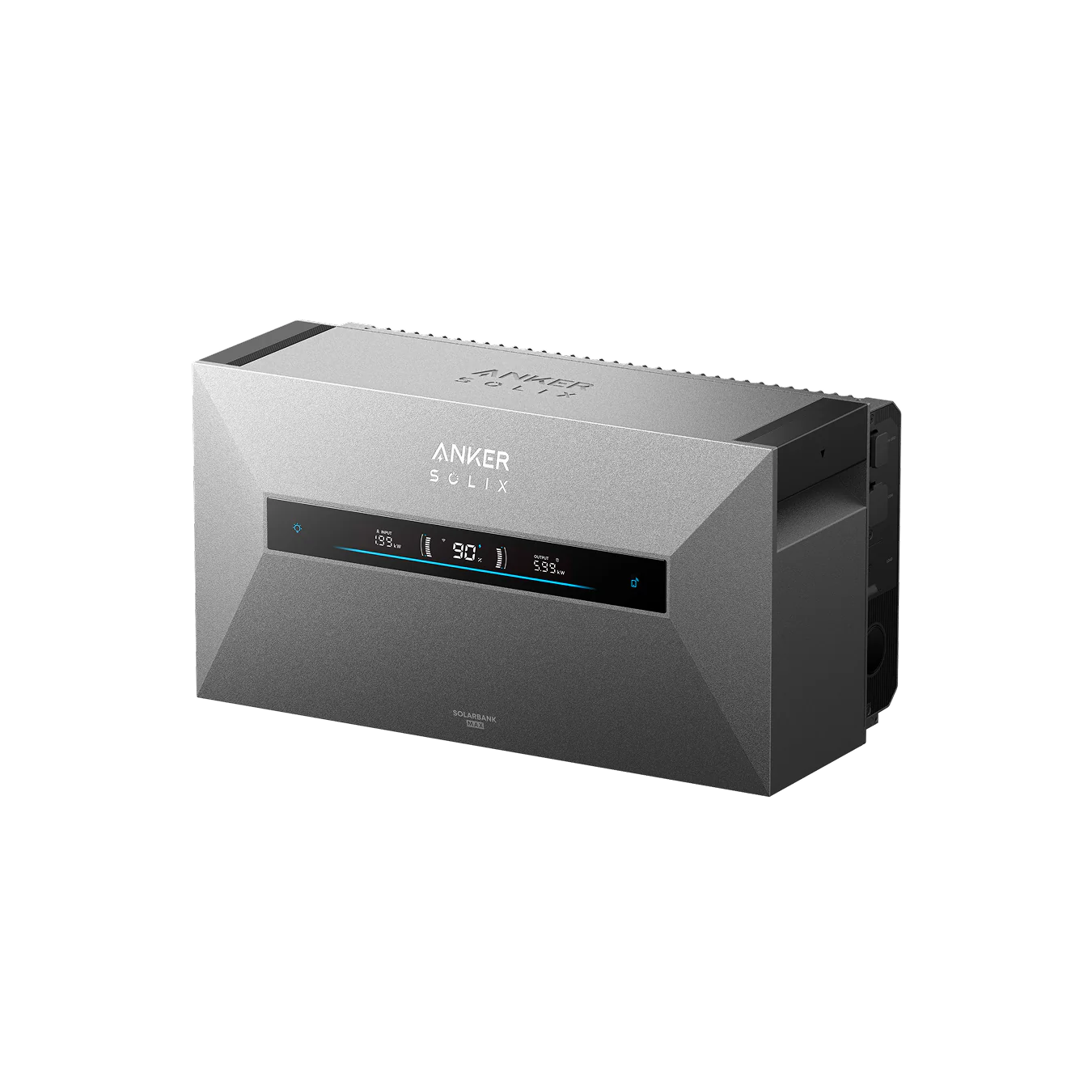
Anker SOLIX Solarbank Max AC is voor dit onderwerp relevant omdat het systeem is gericht op flexibel gebruik en latere uitbreiding. De basiscapaciteit is 7 kilowattuur, wat voor veel Nederlandse huishoudens een bruikbaar vertrekpunt is voor avond- en nachtverbruik. Daarnaast is uitbreiding mogelijk tot 42 kilowattuur met één hoofdeenheid en meerdere batterijen. Juist die opbouw maakt het model het vergelijken waard voor mensen die nu klein of middelgroot willen starten en later zonder volledig nieuw systeem willen doorgroeien.
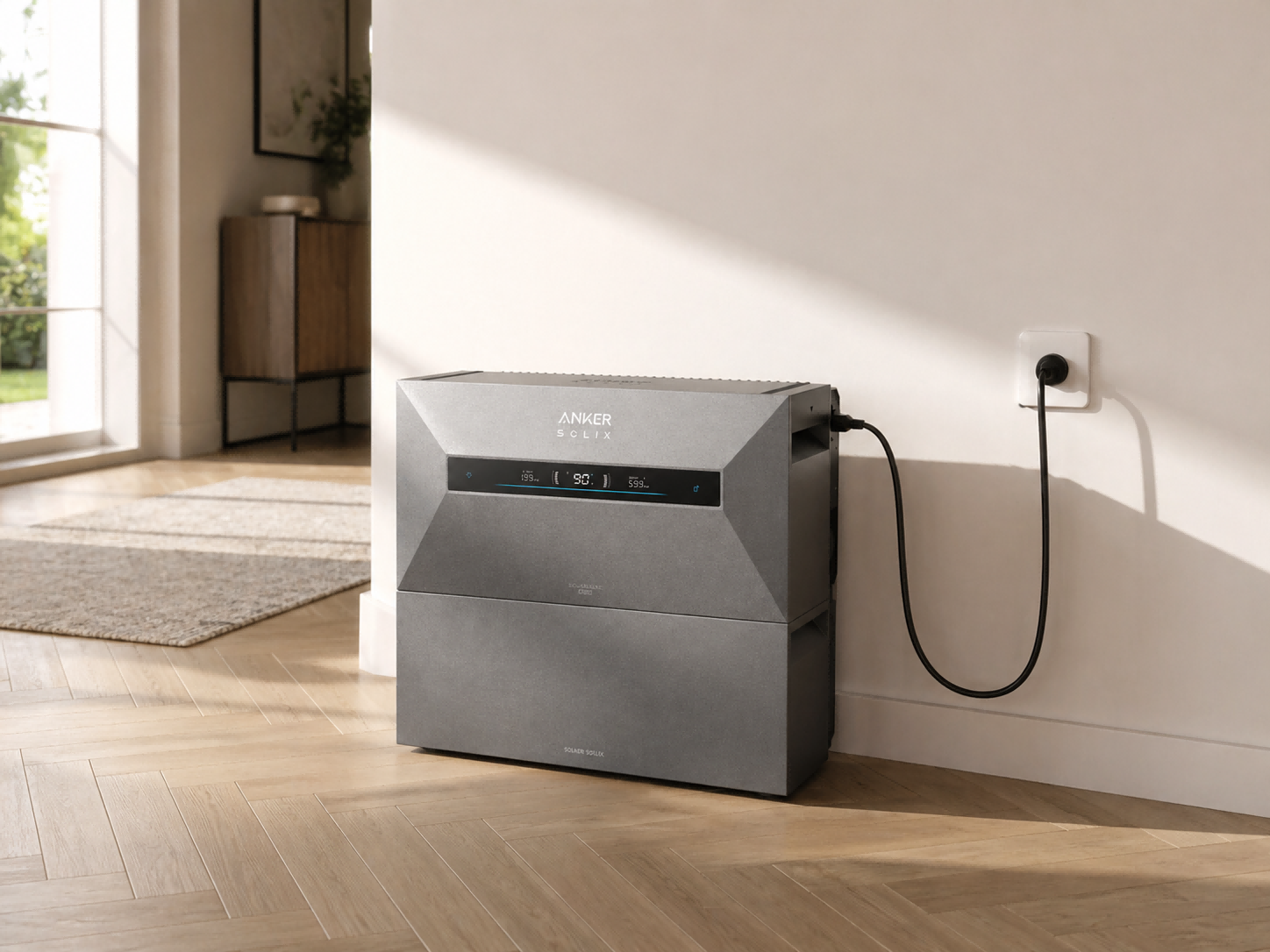
Ook de plaatsing past bij een verhuisgericht scenario. Het systeem is stapelbaar en zonder kabelstapeling te plaatsen, wat de installatie overzichtelijker maakt. Er zijn meerdere aansluitmogelijkheden, waaronder een stekkeraansluiting en vaste aansluiting. Dat geeft meer vrijheid om te beoordelen of het systeem in uw huidige woning én in een volgende woning bruikbaar blijft. De nuance is wel belangrijk: de hogere vermogensstand vraagt extra controle en is niet gelijk aan eenvoudig standaardgebruik op lager vermogen.
Korte productsamenvatting met hoofdgegevens
Voor verhuizers zijn vooral de praktische eigenschappen van belang. Het opgegeven netgekoppelde vermogen is 3500 watt, het vermogen buiten het net is 3680 watt en het totaalvermogen is 5000 watt. Daarmee kan opgeslagen zonnestroom ook voor zwaardere toepassingen worden ingezet, mits de installatievoorwaarden kloppen. De batterij gebruikt lithium-ijzerfosfaatcellen, ondersteunt 10000 cycli, heeft 10 jaar garantie en is ontworpen voor een levensduur van 15 jaar. Dat maakt hergebruik over een langere periode aannemelijker.
- Capaciteit: 7 kilowattuur basis, uitbreidbaar tot 42 kilowattuur
- Vermogen: 3500 watt netgekoppeld, 3680 watt buiten het net, 5000 watt totaal
- Plaatsing: stapelbaar, zonder kabelstapeling, geschikt voor onder meer garage, kelder of balkon
- Bescherming: hoge bescherming tegen stof en water, corrosiebestendige afwerking en verwarming bij lage temperatuur
- Controlepunt: boven 800 watt en zeker richting 3500 watt gelden aanvullende installatie-eisen
Geschikt voor en minder geschikt voor
Anker SOLIX Solarbank Max AC is vooral geschikt voor huishoudens die een verplaatsbare thuisbatterij zoeken met beperkte instapcomplexiteit, uitbreidbare capaciteit en een redelijke kans op hergebruik na verhuizing. Dat geldt bijvoorbeeld voor bewoners met zonnepanelen, voor huishoudens die hun eigen stroomverbruik beter willen spreiden en voor mensen die nu flexibiliteit willen zonder direct vast te zitten aan een zwaar permanent systeem. Ook voor wie stapsgewijs wil opbouwen, is dit model interessant om vroeg te vergelijken, omdat uitbreiding mogelijk is zonder direct op maximale capaciteit te beginnen.
Minder geschikt is deze oplossing voor wie geen enkele installatiecontrole wil uitvoeren of voor situaties waarin het gewenste hogere vermogen niet past bij de elektrische infrastructuur van de woning. Ook de financiële uitkomst blijft afhankelijk van verbruik, opwek, tariefstructuur en lokale voorwaarden. Zie dit model daarom niet als automatisch passend, maar als een serieuze kandidaat die vooral sterk scoort wanneer verplaatsbaarheid, modulaire groei en hergebruik zwaar meewegen in uw keuze.
Bronnen en controlepunten
- Anker SOLIX – Anker SOLIX Solarbank Max AC productpagina – https://www.ankersolix.com/nl/products/a17e2
- Rijksoverheid – informatie over elektriciteit, veiligheid en verantwoordelijkheid in de woning – https://www.rijksoverheid.nl/
- Netbeheer Nederland – informatie over aansluiten, terugleveren en de rol van de netbeheerder – https://www.netbeheernederland.nl/
- Zonneplan – thuisbatterij met stekker en wet- en regelgeving in Nederland – https://www.zonneplan.nl/thuisbatterij/thuisbatterij-met-stekker/wet-en-regelgeving
- PlusOnline – thuisbatterij met stekker in Nederland en praktische aandachtspunten – https://www.plusonline.nl/wonen/thuisbatterij-met-stekker-mag-dat-in-nederland-en-heeft-het-zin
Controleer bij een verhuizing steeds opnieuw uw nachtverbruik, het gewenste ontlaadvermogen, de beschikbare groep en de plaatsingslocatie. Verifieer daarna of de gekozen aansluitwijze, eventuele meldplicht en installatievoorwaarden op het nieuwe adres overeenkomen met uw huidige situatie.

Veelgestelde vragen
Kan ik een verplaatsbare thuisbatterij zonder meer meenemen naar mijn nieuwe woning?
Vaak wel, maar alleen als het systeem praktisch los te koppelen en opnieuw te plaatsen is. Controleer op het nieuwe adres de groep, aansluitwijze, plaatsingsruimte en eventuele meldplicht. Verplaatsbaar betekent dus niet automatisch dat de batterij overal direct zonder voorwaarden inzetbaar is.
Wat is het verschil tussen een verplaatsbare thuisbatterij en een vast systeem?
Een verplaatsbare thuisbatterij is gericht op eenvoudiger ontkoppelen, verhuizen en hergebruiken. Een vast systeem kan soms ook worden verhuisd, maar vraagt vaker meer demontage, installatiewerk en aanpassing van de elektrische installatie. Daardoor is het in de praktijk meestal minder verhuisvriendelijk.
Waar moet ik op letten als ik meer dan 800 watt wil gebruiken na een verhuizing?
Dan moet u extra letten op de elektrische groep, de aansluitmethode en de plaatselijke regels. Bij hogere vermogens, en zeker richting 3500 watt, zijn een aparte groep, vakkundige installatie en controle van de toepasselijke voorschriften belangrijke aandachtspunten.
Wanneer is Anker SOLIX Solarbank Max AC een logische keuze?
Dit model is logisch als u flexibiliteit, uitbreidbaarheid en hergebruik na een verhuizing belangrijk vindt. Extra controle is nodig als uw huidige of nieuwe woning niet vanzelf geschikt is voor het gewenste hogere vermogen. Vergelijk daarom eerst uw verbruik, beschikbare groep, plaatsingslocatie en aansluitvoorwaarden met de productspecificaties.
Conclusie
De beste verplaatsbare thuisbatterij voor een verhuizing is meestal niet de lichtste of kleinste optie, maar het systeem dat u zonder grote ingrepen kunt loskoppelen, vervoeren en opnieuw gebruiken. Daarbij tellen draagbaarheid en capaciteit mee, maar vooral ook de aansluitwijze, de plaatsingsvrijheid, het gewenste vermogen en de regels op het nieuwe adres. Ja, meenemen kan dus, maar vooral wanneer het systeem echt is ontworpen voor praktische herplaatsing.
Voor lezers die nu willen starten en later zonder grote verbouwing willen verhuizen, is Anker SOLIX Solarbank Max AC een zinvolle kandidaat om vroeg te vergelijken. De combinatie van 7 kilowattuur basiscapaciteit, uitbreiding tot 42 kilowattuur en stapelbare plaatsing maakt het model interessant voor dit scenario. Vergelijk daarom nu uw nachtverbruik, gewenste ontlaadvermogens, beschikbare groep, plaatsingslocatie en aansluitwijze, en controleer daarna de productspecificaties op de productpagina. Zo ziet u sneller of deze verplaatsbare thuisbatterij niet alleen vandaag past, maar ook op uw volgende adres.