Welke thuisbatterij met stekker kunt u zonder installateur gebruiken?
Kort antwoord: Ja, dat kan in Nederland soms, maar alleen als het vermogen, de aansluiting en de aanmelding bij uw situatie passen. De vraag Welke thuisbatterij geschikt is, draait daarom niet alleen om een stekker, maar vooral om veiligheid, netkoppeling en uw werkelijke verbruik. Wie eenvoudig wil starten en tegelijk ruimte voor uitbreiding wil houden, kan Anker SOLIX Solarbank Max AC vroeg in de vergelijking opnemen.
Praktisch gezien is een thuisbatterij met stekker vooral interessant als u overdag opgewekte zonnestroom later op de dag wilt gebruiken of verbruik wilt verschuiven naar gunstigere uren. Wilt u meer vermogen benutten, dan is extra controle nodig op uw groep, kring, meterkoppeling en aanmeldplicht. Juist daarom is het verstandig om niet alleen naar het stopcontact te kijken, maar naar het hele gebruiksplaatje.
Wanneer kan een thuisbatterij met stekker echt zonder installateur?
Een thuisbatterij met stekker is niet automatisch een systeem dat u zonder verdere controle veilig zelf kunt gebruiken. Er is een verschil tussen technisch kunnen aansluiten en verantwoord gebruiken in een woning. In Nederland hangt dat meestal af van vier punten: het ingestelde vermogen, de groep waarop u aansluit, de samenwerking met uw meter en de vraag of aanmelding verplicht is.
Voor veel huishoudens is een lagere vermogensinstelling de meest logische route als zij zonder installateur willen beginnen. In zo'n situatie is een stekkerbatterij vooral bruikbaar om zonnestroom van overdag naar de avond te verplaatsen. Dat past vooral bij woningen waar overdag panelen veel opwekken, maar het verbruik later op de dag hoger ligt.
Zodra het systeem meer vermogen levert, wordt de beoordeling strenger. Dan is niet alleen van belang of het apparaat in een stopcontact kan, maar ook of uw elektrische installatie daarvoor geschikt is. Een stekker verlaagt dus de instap, maar haalt de technische randvoorwaarden niet weg.
- Een stekker betekent niet automatisch dat elk huishouden het systeem zonder meer veilig kan gebruiken.
- Een lagere vermogensinstelling is vaak het meest passend voor een eenvoudige start.
- Bij hoger vermogen worden groep, kring en plaatsingsvoorwaarden belangrijker.
- Een thuisbatterij met stekker is vooral nuttig als uw avondverbruik of tariefverschil dat voordeel ondersteunt.
Waar let u op als u wilt bepalen welke thuisbatterij past?
Capaciteit, vermogen, meterkoppeling en aanmelding
Wie wil bepalen Welke thuisbatterij het best past, moet verder kijken dan alleen de vraag of er een gewone stekker aan zit. De kern ligt bij vier praktische punten: opslagcapaciteit, laad- en ontlaadvermogen, koppeling met de meter en uitbreidbaarheid. Daarbij telt niet alleen hoeveel energie een batterij kan opslaan, maar ook of u die opslag in het dagelijks gebruik werkelijk benut.
Voor een huishouden dat vooral avondverbruik wil afdekken, is een passende capaciteit belangrijker dan een zo groot mogelijk systeem. Een te kleine batterij raakt snel leeg, maar een te grote batterij blijft juist deels onbenut als uw verbruik of opwek daarvoor te laag is. Daarom is het slim om eerst enkele weken te kijken naar uw verbruik in de avond en naar de hoeveelheid zonnestroom die u overdag overhoudt.
Daarnaast is de meterkoppeling van belang. Een systeem dat goed samenwerkt met uw slimme meter of aanvullende meetoplossing kan beter afstemmen wanneer laden of ontladen logisch is. Dat helpt om ongewenste teruglevering te beperken en maakt het gebruik praktischer.
Ook aanmelding hoort bij de keuze. In Nederland is registratie van netgekoppelde opslag een belangrijk controlepunt. U beoordeelt een thuisbatterij dus niet alleen op gebruiksgemak, maar ook op de vraag of het systeem correct kan worden aangemeld en binnen de voorwaarden van uw aansluiting past.
- Kies op basis van werkelijk verbruik in de avond, niet alleen op basis van gemak.
- Controleer of het systeem met uw meter of meetoplossing kan samenwerken.
- Let op de maximale netuitvoer en op eventuele begrenzing per instelling.
- Kijk vooraf of plaatsing in garage, berging of andere ruimte veilig en praktisch is.
Wanneer past Anker SOLIX Solarbank Max AC goed?
Geschikt voor en minder geschikt voor
Anker SOLIX Solarbank Max AC is vooral interessant voor huishoudens die laagdrempelig willen beginnen, maar niet direct vast willen zitten aan een kleine eindoplossing. Juist daarom is dit model de moeite waard om vroeg te vergelijken: het combineert meerdere aansluitmogelijkheden met uitbreidbare opslag, waardoor het kan passen bij woningen die eerst klein willen starten en later meer capaciteit willen toevoegen.
De basiscapaciteit bedraagt 7 kilowattuur en het systeem is uit te breiden tot 42 kilowattuur met één hoofdeenheid en vijf batterijen. Dat maakt het bruikbaar voor huishoudens die overdag zonnestroom opslaan voor later gebruik in de avond, of die verbruik willen verschuiven op basis van wisselende stroomprijzen. Voor mensen die niet direct een volledige vaste installatie willen laten plaatsen, is die opbouw aantrekkelijk omdat de eerste stap kleiner blijft.
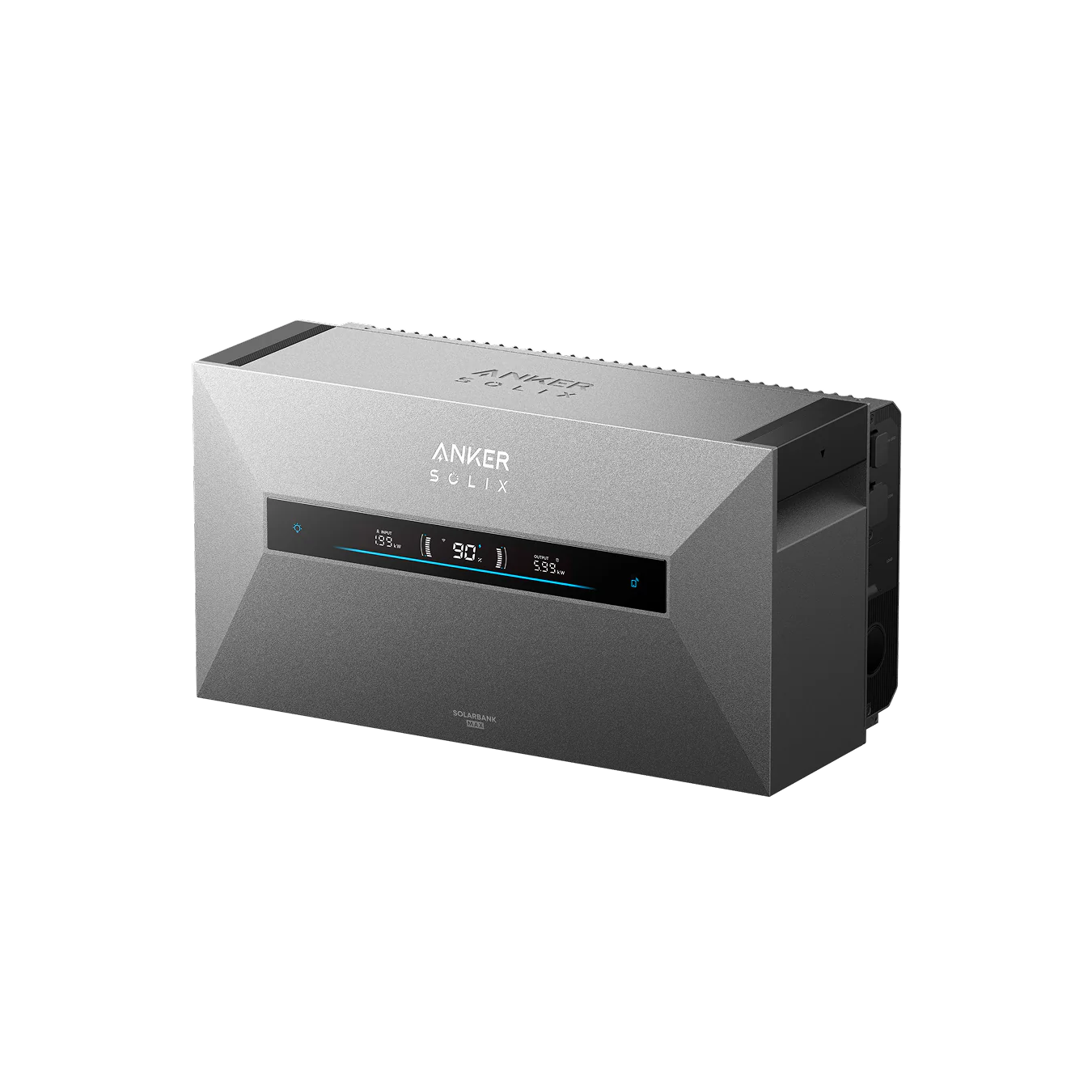
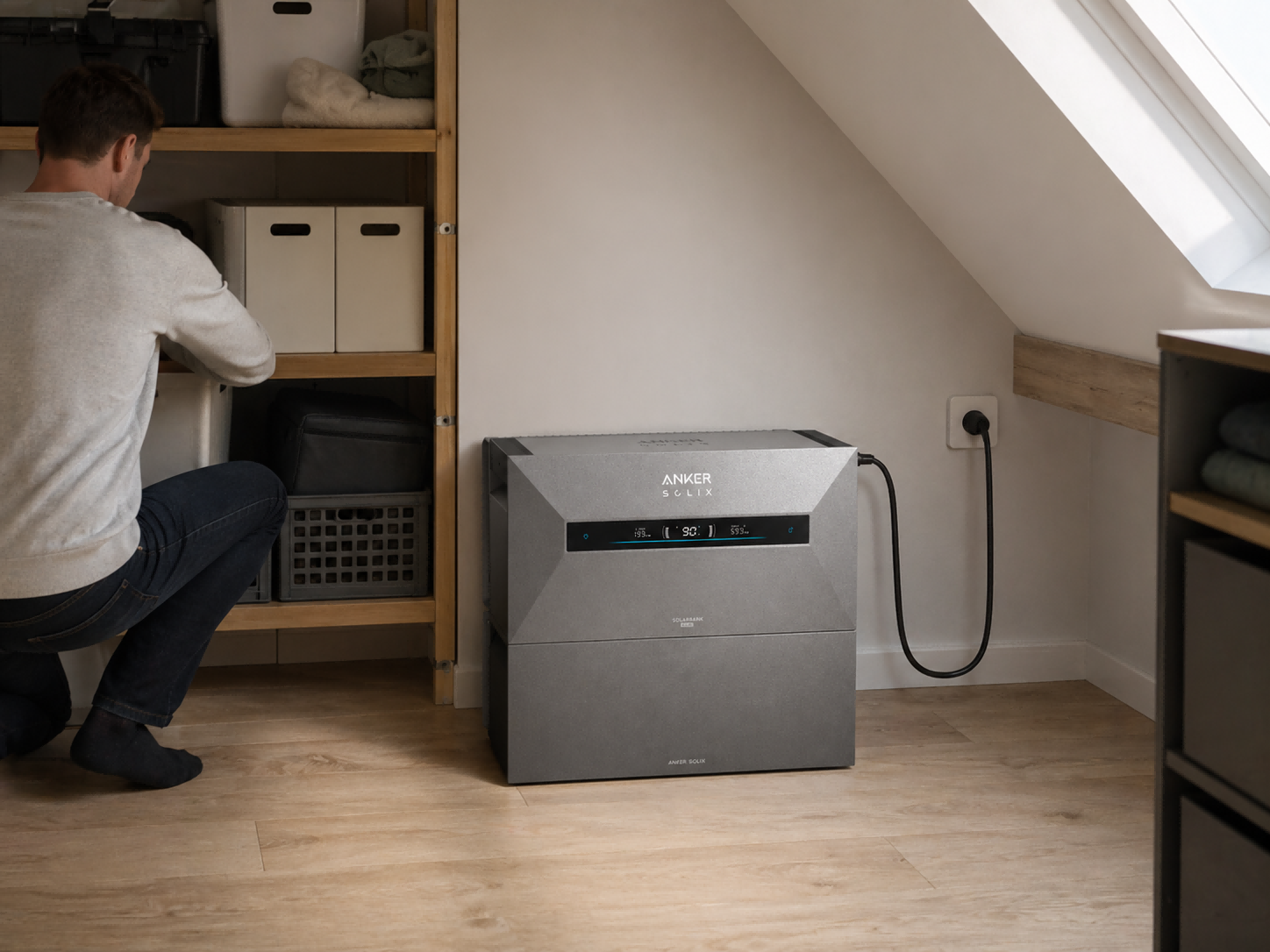
Ook de aansluitvormen maken dit model relevant binnen dit onderwerp. Een aansluiting via Schuko-stekker, Wieland en vaste aansluiting is mogelijk. De modules zijn stapelbaar en bedoeld om zonder losse kabelverbinding tussen de batterijen te worden geplaatst. Tegelijk blijft een duidelijke grens gelden: zodra u meer dan ongeveer 800 watt uitgangsvermogen wilt benutten, moet u extra zorgvuldig controleren of uw groep, kring en plaatsingssituatie daarvoor geschikt zijn.

Volgens de productspecificaties kan het systeem hogere vermogens ondersteunen, maar juist dan wordt professionele beoordeling belangrijker. Dat betekent dat dit model vooral logisch is voor huishoudens die de combinatie van eenvoudige start, latere uitbreiding en mogelijke reservevoeding willen onderzoeken, en minder logisch voor wie zonder enige extra controle direct hoog vermogen wil gebruiken.
- Geschikt als u eenvoudig wilt starten en later wilt uitbreiden.
- Geschikt als u zonnestroom naar de avond wilt verschuiven of op tarieven wilt sturen.
- Minder geschikt als u geen veilige plaatsingsruimte beschikbaar heeft.
- Minder geschikt als u hoger vermogen wilt gebruiken zonder extra controle van de installatie.
- Onderdeel: capaciteit
- Waarde: 7 kilowattuur basis, uitbreidbaar tot 42 kilowattuur
- Praktisch belang: bruikbaar voor avondverbruik en groei in een latere fase
- Onderdeel: vermogen
- Waarde: tot 3500 watt gekoppeld aan het net, 3680 watt buiten het net, 5000 watt totaal
- Praktisch belang: kan zwaardere toepassingen ondersteunen, maar alleen als de installatie daarvoor geschikt is
- Onderdeel: batterij en bescherming
- Waarde: LFP, 10000 cycli, 10 jaar garantie, beschermingsklasse 66
- Praktisch belang: gericht op lange gebruiksduur en plaatsing in uiteenlopende omstandigheden
Welke controlepunten voorkomen een verkeerde keuze?
Een goede keuze begint met een korte thuisscan. Kijk eerst naar uw verbruik in de avond, daarna naar uw groep, uw meter en de vraag of u alleen energie wilt opslaan of ook reservevoeding belangrijk vindt. Daarmee voorkomt u dat u een systeem kiest dat op papier aantrekkelijk lijkt, maar in de praktijk te groot, te klein of te zwaar voor uw situatie is.
Bij Anker SOLIX Solarbank Max AC is vooral de combinatie van uitbreidbare capaciteit, meerdere aansluitvormen en reservevoeding relevant voor huishoudens die niet te klein willen beginnen. De snelle omschakeling naar reservevoeding kan nuttig zijn als bepaalde apparaten bij stroomuitval moeten blijven werken. Toch is dat voordeel alleen waardevol als de rest van uw installatie en uw gebruiksdoel daarbij aansluiten.
Houd ook rekening met de grenzen van besparingsvoorbeelden en terugverdientijd. Zulke berekeningen blijven afhankelijk van uw eigen verbruik, het aantal zonnepanelen, uw tarief en de gekozen instellingen. Laat een mooie rekensom daarom nooit belangrijker worden dan de technische geschiktheid van uw woning.
- Meet uw avondverbruik gedurende enkele weken.
- Controleer of de gewenste groep vrij en passend is.
- Ga na of aanmelding van de batterij verplicht is.
- Vergelijk uw behoefte aan reservevoeding, opslag en uitbreidbaarheid.
- Controleer de productspecificaties altijd naast de regels van uw netbeheerder.
Bronnen en controlepunten
Gebruik deze bronnen om regels, aanmelding en productspecificaties te controleren voordat u beslist Welke thuisbatterij in uw situatie past.
- Rijksdienst voor Ondernemend Nederland, Thuisbatterij registreren, https://www.rvo.nl/onderwerpen/duurzaam-ondernemen/energie-thuisbatterij/thuisbatterij-registreren
- Energieleveren, Apparatuur aanmelden voor teruglevering of opslag, https://www.energieleveren.nl/
- Enexis Netbeheer, Zonnepanelen, batterij of andere opwek aanmelden, https://www.enexis.nl/
- Anker SOLIX, Anker SOLIX Solarbank Max AC, https://www.ankersolix.com/nl/products/a17e2
Deze bronnen helpen u om regels en specificaties te controleren, maar vervangen geen beoordeling van uw eigen groep, kring, verbruik en plaatsing. Vooral bij hogere vermogens is vooraf verifiëren de verstandigste stap.
Veelgestelde vragen
Kan ik een thuisbatterij met stekker in Nederland zelf aansluiten?
Dat kan soms, maar niet zonder grenzen. Een lagere vermogensinstelling is meestal het meest praktisch als u zonder installateur wilt beginnen. Zodra u meer vermogen wilt gebruiken, moet u controleren of uw groep, kring en aanmeldplicht dat toelaten.
Waar moet ik op letten als ik wil bepalen welke thuisbatterij bij mijn woning past?
Let op opslagcapaciteit, maximaal vermogen, meterkoppeling, plaatsing en uitbreidbaarheid. Kijk daarnaast naar uw werkelijke verbruik in de avond. Welke thuisbatterij logisch is, hangt af van uw gebruikspatroon en niet alleen van het feit dat er een stekker aan zit.
Wanneer is Anker SOLIX Solarbank Max AC een logische keuze?
Dit model is logisch als u eenvoudig wilt beginnen, zonnestroom later op de dag wilt gebruiken en ruimte wilt houden voor uitbreiding. Extra controle is nodig als u hoger vermogen wilt benutten of als u niet zeker weet of uw groep, meterkoppeling en aanmelding op orde zijn.
Is een grotere thuisbatterij automatisch beter?
Nee. Meer capaciteit is alleen nuttig als uw verbruik, opwek en laadsituatie daar ook echt gebruik van maken. Kies daarom niet automatisch de grootste batterij, maar vergelijk capaciteit, vermogen, uitbreidbaarheid en uw dagelijkse verbruik.
Conclusie
Het korte antwoord op de vraag Welke thuisbatterij met stekker u zonder installateur kunt gebruiken, is: dat kan, maar alleen als vermogen, aansluiting, aanmelding en gebruikssituatie kloppen. Een stekker maakt de start eenvoudiger, maar zegt op zichzelf nog niet genoeg over veiligheid en geschiktheid.
Wilt u eenvoudig beginnen en tegelijk ruimte houden om later uit te breiden, dan is Anker SOLIX Solarbank Max AC een model dat u vroeg in uw vergelijking kunt meenemen. Controleer daarbij heel concreet uw avondverbruik, beschikbare groep, meterkoppeling, gewenste vermogensinstelling en aanmeldplicht, en leg die punten naast de productspecificaties. Zo ziet u sneller of deze oplossing niet alleen nu past, maar ook op langere termijn logisch blijft voor uw woning.