De korte conclusie: in 2026 bestaat er niet één perfecte thuisbatterij voor iedereen. De juiste keuze hangt vooral af van je stroomverbruik, of je al zonnepanelen hebt, of je wilt profiteren van dynamische tarieven en of noodstroom voor jou echt belangrijk is. Wie zoekt op Wat is de beste thuisbatterij in Europa 2026, wil meestal geen eindeloze merkenlijst, maar een helder antwoord op de vraag welk systeem technisch én financieel het best past.
Voor de meeste huishoudens is een modulair systeem met goede monitoring, betrouwbare garantie en nette uitbreidingsmogelijkheden de veiligste route. In onafhankelijke vergelijkingen en gebruikersreviews komen in Europa vooral Sigenergy, Tesla, Enphase, BYD, Sonnen en Anker SOLIX vaak naar voren. Sigenergy SigenStor wordt daarbij vaak gezien als sterk totaalpakket, Tesla Powerwall 3 als premium keuze voor back-up, Enphase IQ Battery 5P als veilige en flexibele oplossing bij bestaande zonnepanelen, en plug-and-play modellen zoals Marstek Venus E 3.0 of Zendure SolarFlow Station als laagdrempelige optie voor kleinere woningen. Kijk daarom niet alleen naar prijs, maar ook naar compatibiliteit met je omvormer en groepenkast, installatie-eisen en de verwachte kosten van een thuisbatterij op langere termijn.
Welke thuisbatterij past het best bij jouw situatie in 2026?
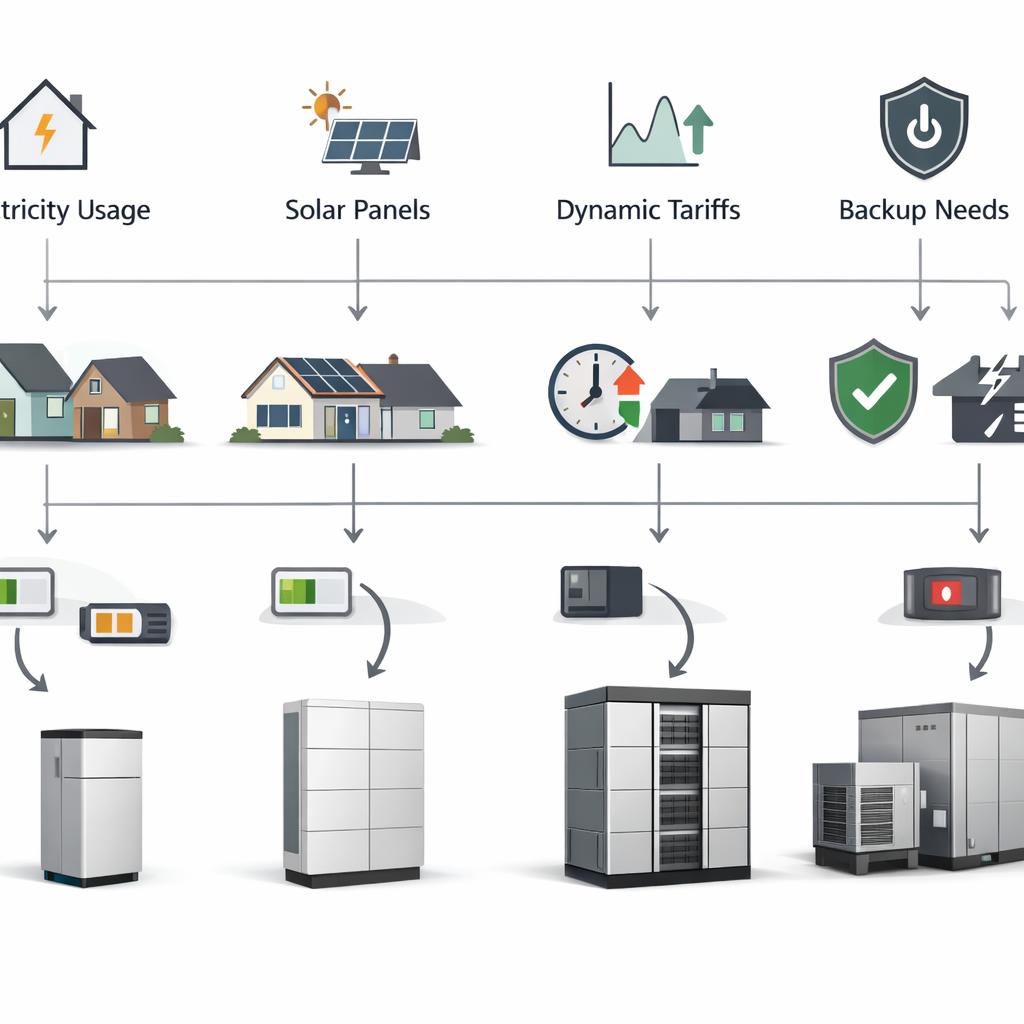
Kies op verbruik, zonnepanelen, dynamische tarieven en back-up
Als je vooral zonnestroom wilt opslaan voor gebruik in de avond, dan is een thuisbatterij met degelijke koppeling aan zonnepanelen meestal de logischste keuze. Heb je een gemiddeld gezinshuis, dan is een uitbreidbaar systeem vaak slimmer dan meteen de grootste batterij kopen. Voor huishoudens zonder panelen kan opslag nog steeds interessant zijn, vooral als je actief wilt sturen op goedkope en dure stroomuren.
Wil je vooral zekerheid bij stroomuitval, let dan niet alleen op capaciteit, maar ook op back-upvermogen, omschakeltijd en de vraag welke groepen in huis gevoed blijven. Daar maken premium systemen vaak het verschil. Tesla Powerwall 3 en SolarEdge Home Battery 10 kWh blijven bijvoorbeeld populair bij mensen die veel waarde hechten aan betrouwbaarheid, ecosysteemintegratie en sterke noodstroommogelijkheden. Tesla scoort vooral op gebruiksgemak en back-up, terwijl SolarEdge extra logisch is als je al SolarEdge-omvormers of optimizers hebt.
Heb je al micro-omvormers of een bestaande PV-installatie, dan wordt Enphase IQ Battery 5P vaak genoemd als veilige en flexibele keuze. Dit systeem staat bekend om stille werking, sterke monitoring, LiFePO4-chemie en schaalbaarheid. Voor veel huishoudens voelt dat praktischer dan een model dat alleen goed werkt binnen één beperkt ecosysteem. Bekijk daarvoor ook onze gids over thuisbatterij en zonnepanelen.
Voor appartementen of kleine woningen ligt de afweging anders. Daar zijn compacte plug-and-play systemen vaak aantrekkelijker dan zware, professioneel geïnstalleerde installaties. Modellen zoals Marstek Venus E 3.0, Zendure SolarFlow Station en HomeWizard Plug-In Battery winnen terrein, vooral in markten waar eenvoudige plaatsing en lagere instapkosten belangrijk zijn. Ze zijn vooral interessant als je snel wilt starten, weinig ruimte hebt of balkonzonnepanelen gebruikt. De beste thuisbatterij voor back-up is dus niet automatisch de beste keuze voor besparing, gemak of flexibiliteit.
Waar let je op bij het vergelijken van thuisbatterijen in Europa?
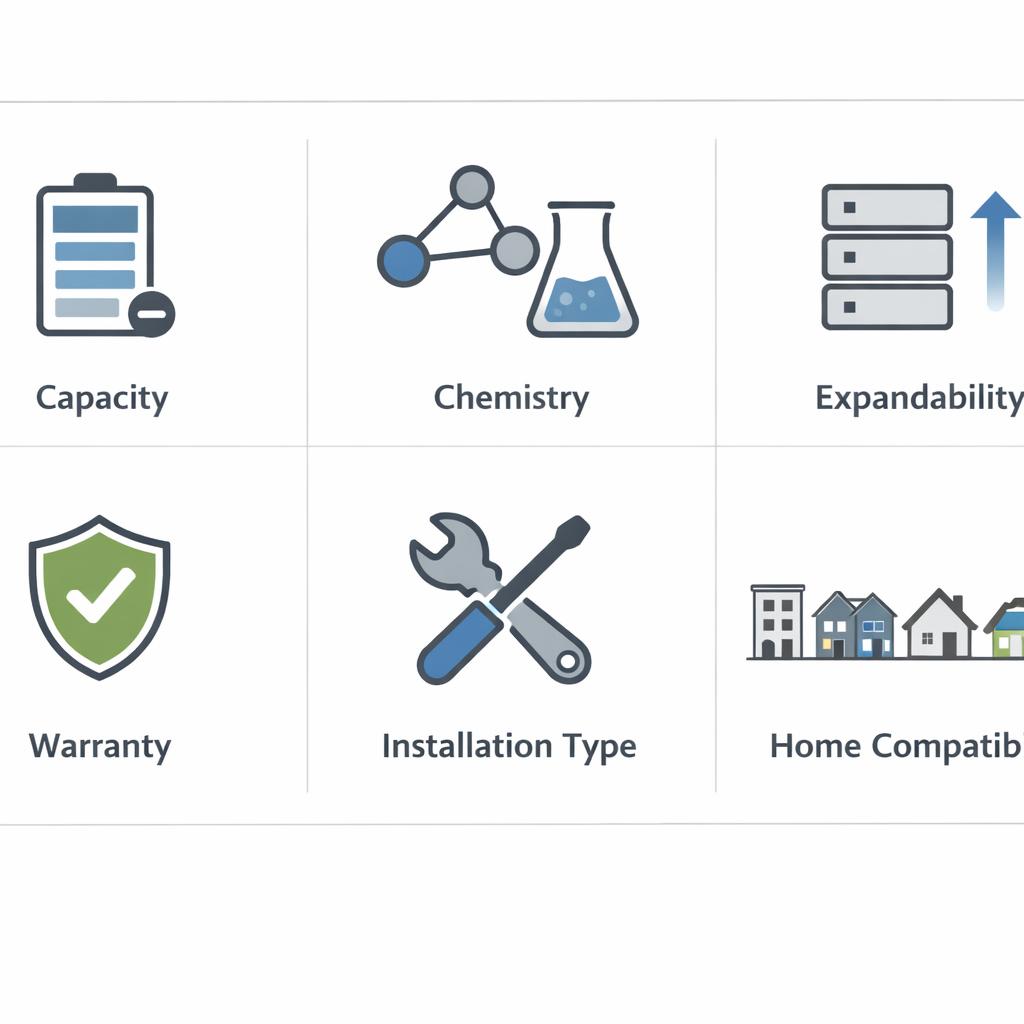
Let vooral op capaciteit, uitbreidbaarheid, installatie en garantie
Begin met de bruikbare capaciteit in kWh en het laad- en ontlaadvermogen in kW. Een grote batterij klinkt aantrekkelijk, maar als het vermogen te laag is, merk je daar in de praktijk weinig van bij koken, warmtepompgebruik of meerdere apparaten tegelijk. Let daarnaast op batterijchemie, levensduur in laadcycli, garantievoorwaarden en de mogelijkheid om later uit te breiden. Wie later een elektrische auto, laadpaal of extra zonnepanelen toevoegt, wil niet opnieuw vanaf nul beginnen.
Ook compatibiliteit is essentieel. Niet elk systeem werkt even goed met iedere omvormer of meterkast. Soms is AC-koppeling logischer, in andere situaties juist DC-koppeling. Kijk ook naar de benodigde ruimte, geluidsniveau, plaatsingsvoorwaarden en lokale regels rond netaansluiting. De beste thuisbatterij in Europa 2026 scoort dus niet alleen op techniek, maar ook op installatiegemak, service en geschiktheid voor jouw woning.
Verder is software in de praktijk belangrijker dan veel kopers vooraf denken. Goede monitoring laat zien wanneer je opslaat, verbruikt of teruglevert en helpt om beter te sturen op rendement. Zeker als je gebruikmaakt van dynamische energietarieven, maakt dat een merkbaar verschil. Sigenergy SigenStor wordt juist daarom vaak als allround topkeuze genoemd: modulair, sterk bij prijssturing, geschikt voor uiteenlopende woningtypes en interessant voor wie later extra functies wil toevoegen. Laat compatibiliteit wel altijd controleren door een erkende installateur, omdat regels en aansluitvoorwaarden per land kunnen verschillen.
Wie merken onderling vergelijkt, ziet grofweg dit beeld terug. Sigenergy SigenStor is voor veel huishoudens het sterkste totaalpakket. Tesla Powerwall 3 springt eruit voor premium prestaties en backup. Enphase IQ Battery 5P is sterk voor betrouwbaarheid en integratie met bestaande PV-opstellingen. SolarEdge Home Battery 10 kWh is logisch voor huishoudens die al in het SolarEdge-ecosysteem zitten. Marstek Venus E 3.0 is vooral interessant als betaalbare plug-and-play optie. Er is dus geen universele winnaar, maar wel een duidelijke shortlist per gebruikssituatie.
Conclusie: de beste keuze is de batterij die technisch en financieel past
Wie zich afvraagt Wat is de beste thuisbatterij in Europa 2026, krijgt het eerlijkste antwoord met een tegenvraag: waarvoor wil je hem gebruiken? Voor eigen zonnestroomverbruik is een degelijk modulair systeem vaak de beste investering. Voor handelen op uurprijzen zijn goede monitoring en slimme prijssturing belangrijker. Voor noodstroom moet je vooral kijken naar vermogen, omschakeling en de groepen die actief blijven tijdens een storing.
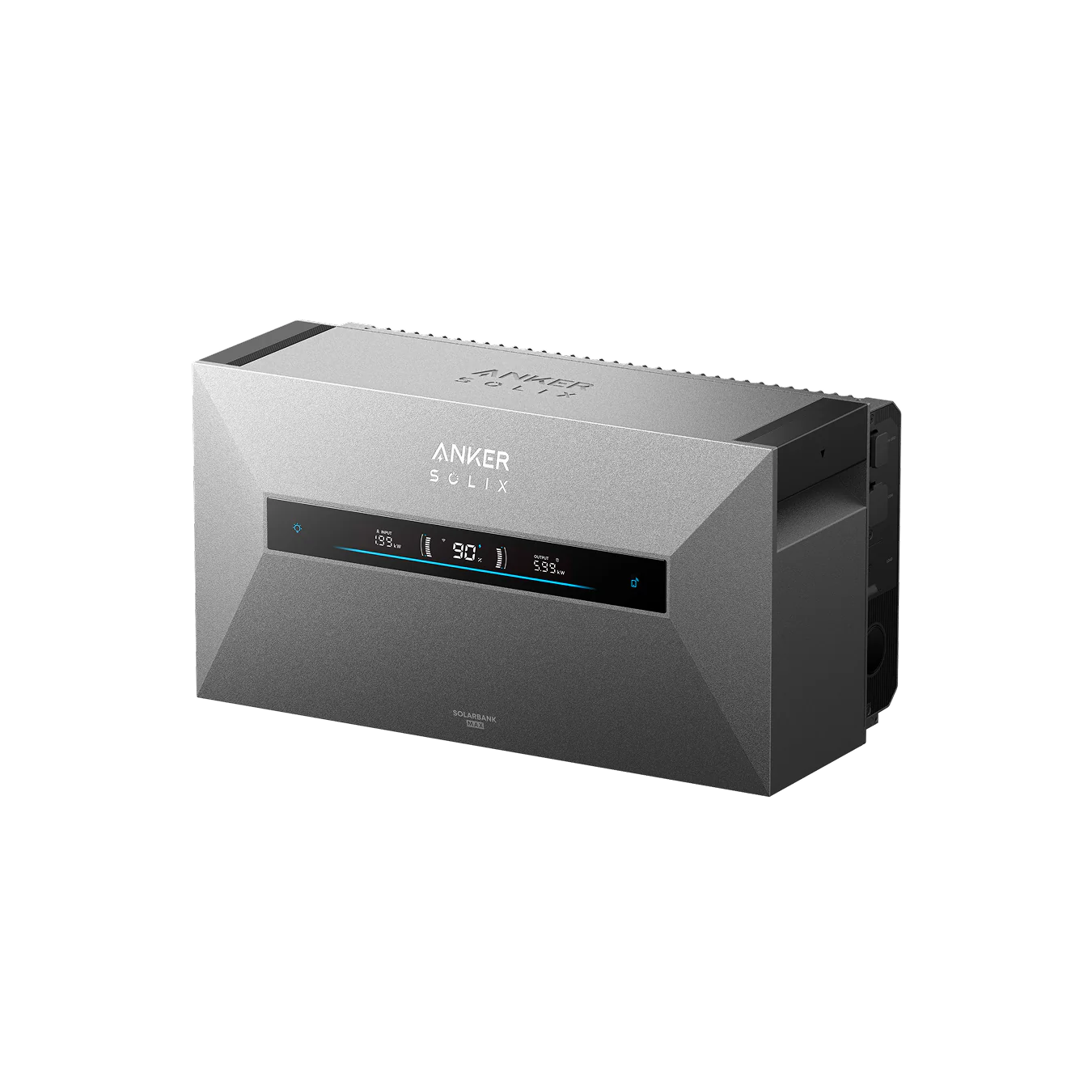
Voor Europa in 2026 kun je de markt grof samenvatten als volgt: Sigenergy SigenStor is voor veel situaties het beste totaalpakket, Tesla Powerwall 3 is een sterke premium keuze voor back-up en vermogen, Enphase IQ Battery 5P is bijzonder geschikt bij bestaande zonnepanelen en micro-omvormers, SolarEdge Home Battery 10 kWh is logisch voor SolarEdge-gebruikers en Marstek Venus E 3.0 is aantrekkelijk voor wie eenvoud en plug-and-play belangrijk vindt. Ook merken als BYD, Sonnen en Anker SOLIX blijven relevant in vergelijkingen, afhankelijk van land, installateur en woningtype.
Kies dus niet alleen op aanschafprijs. Vergelijk bruikbare capaciteit, uitbreidbaarheid, garantie, geluidsniveau, installatie, compatibiliteit met je omvormer en de vraag of het systeem geschikt is voor zonnepanelen, prijssturing en back-up. Zo voorkom je dat je te groot, te klein of technisch onhandig koopt. Voor de meeste huishoudens geldt: bepaal eerst je gebruikssituatie en vergelijk daarna pas modellen. Dat levert bijna altijd een betere uitkomst op dan zoeken naar één universele winnaar.
Veelgestelde vragen over de beste thuisbatterij in Europa in 2026
Welke capaciteit thuisbatterij heb ik nodig voor mijn woning?
Dat hangt af van je dagelijkse verbruik, de opbrengst van je zonnepanelen en je doel. Voor avondverbruik is een middelgrote batterij vaak genoeg, terwijl een groter huishouden of een woning met warmtepomp meestal meer opslag en hoger vermogen nodig heeft. Kijk daarom naar je verbruik per uur, niet alleen naar je jaarverbruik.
Is een thuisbatterij in 2026 interessant zonder zonnepanelen?
Ja, dat kan, vooral als je gebruikmaakt van dynamische tarieven. Zonder zonnepanelen is de terugverdientijd wel gevoeliger voor stroomprijzen, netkosten en lokale regels. De besparing zit dan vooral in laden op goedkope uren en gebruiken op dure momenten.
Is back-upstroom standaard op elke thuisbatterij aanwezig?
Nee. Sommige systemen slaan alleen energie op, terwijl andere ook noodstroom leveren. Zelfs dan wordt niet altijd het hele huis gevoed. Controleer daarom welke groepen actief blijven, hoe snel het systeem omschakelt en of extra hardware nodig is.
Moet ik kiezen voor een uitbreidbaar systeem?
In veel gevallen wel. Een uitbreidbare thuisbatterij geeft meer flexibiliteit als je later extra zonnepanelen, een laadpaal of een warmtepomp toevoegt. Zeker bij onzeker verbruik of veranderende energieprijzen is modulair opbouwen vaak verstandiger dan direct te groot inkopen.