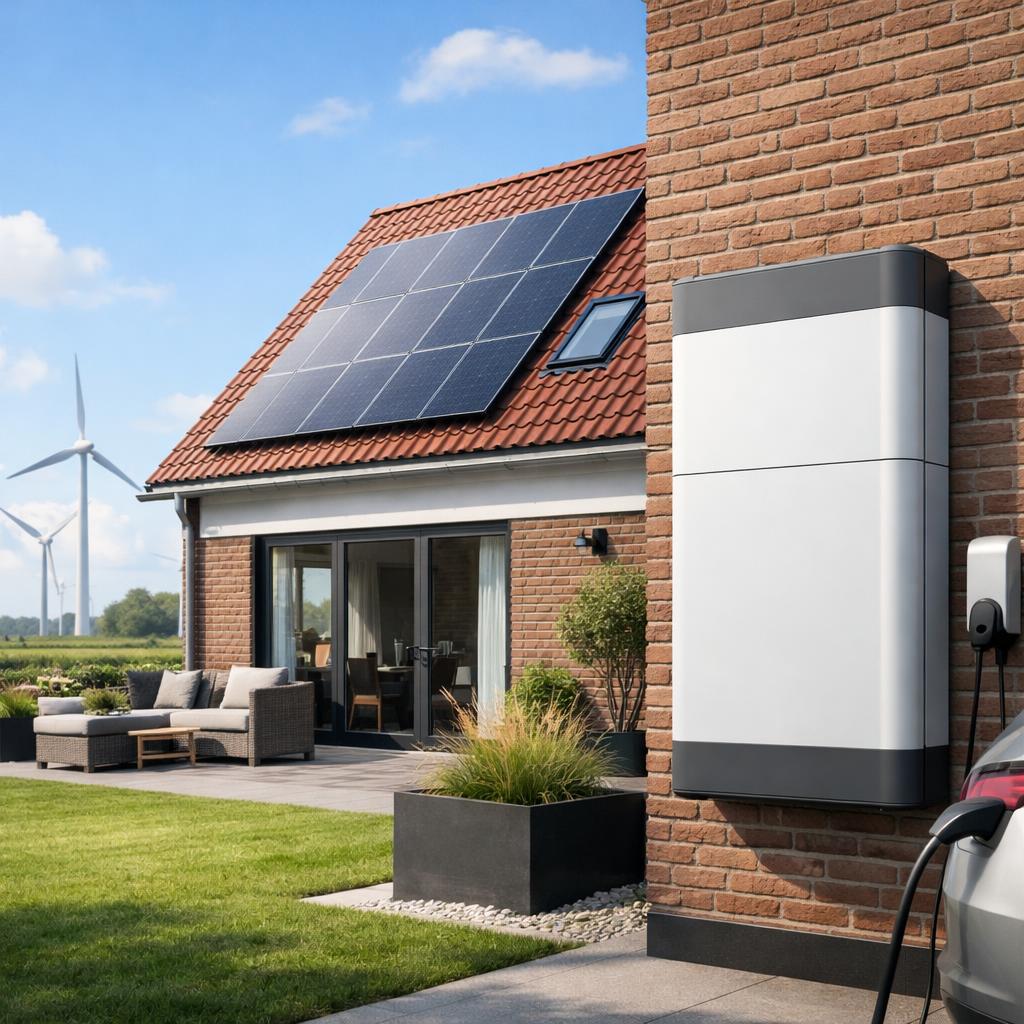
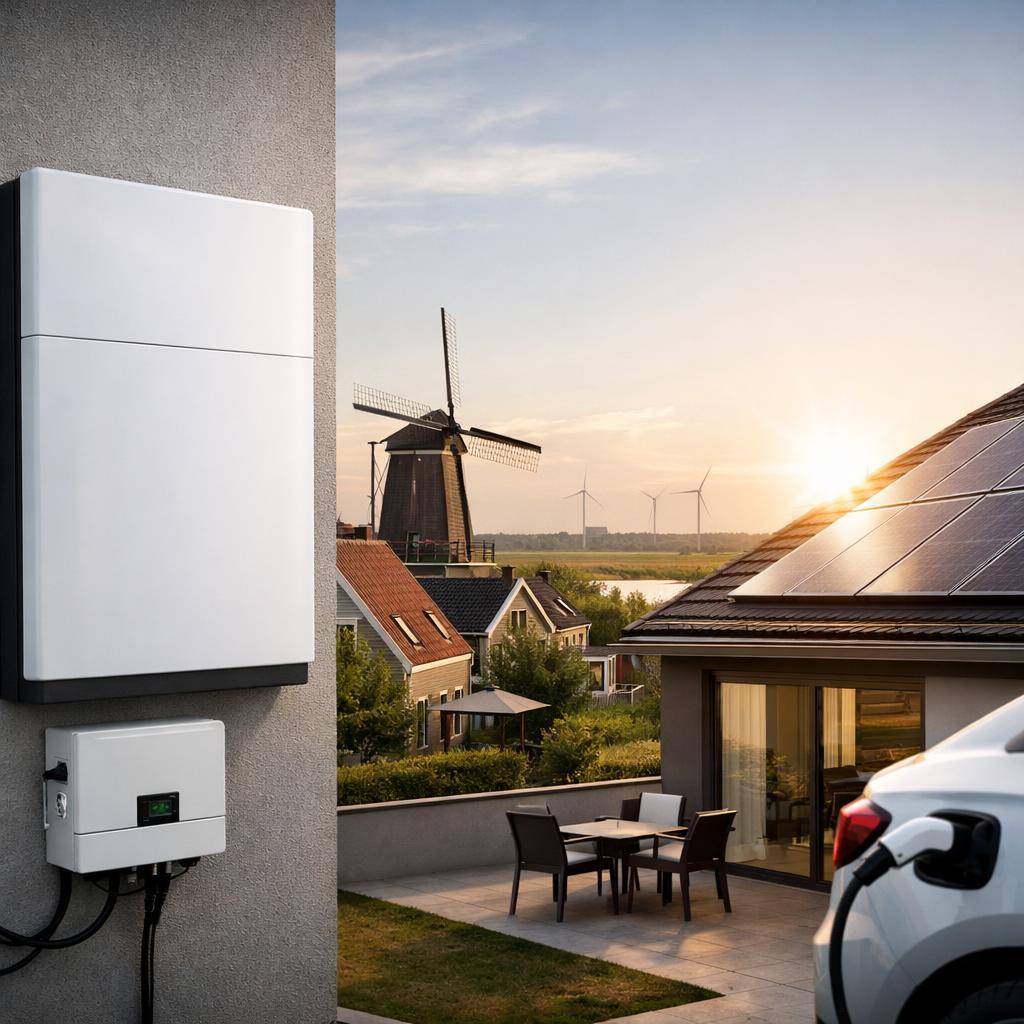
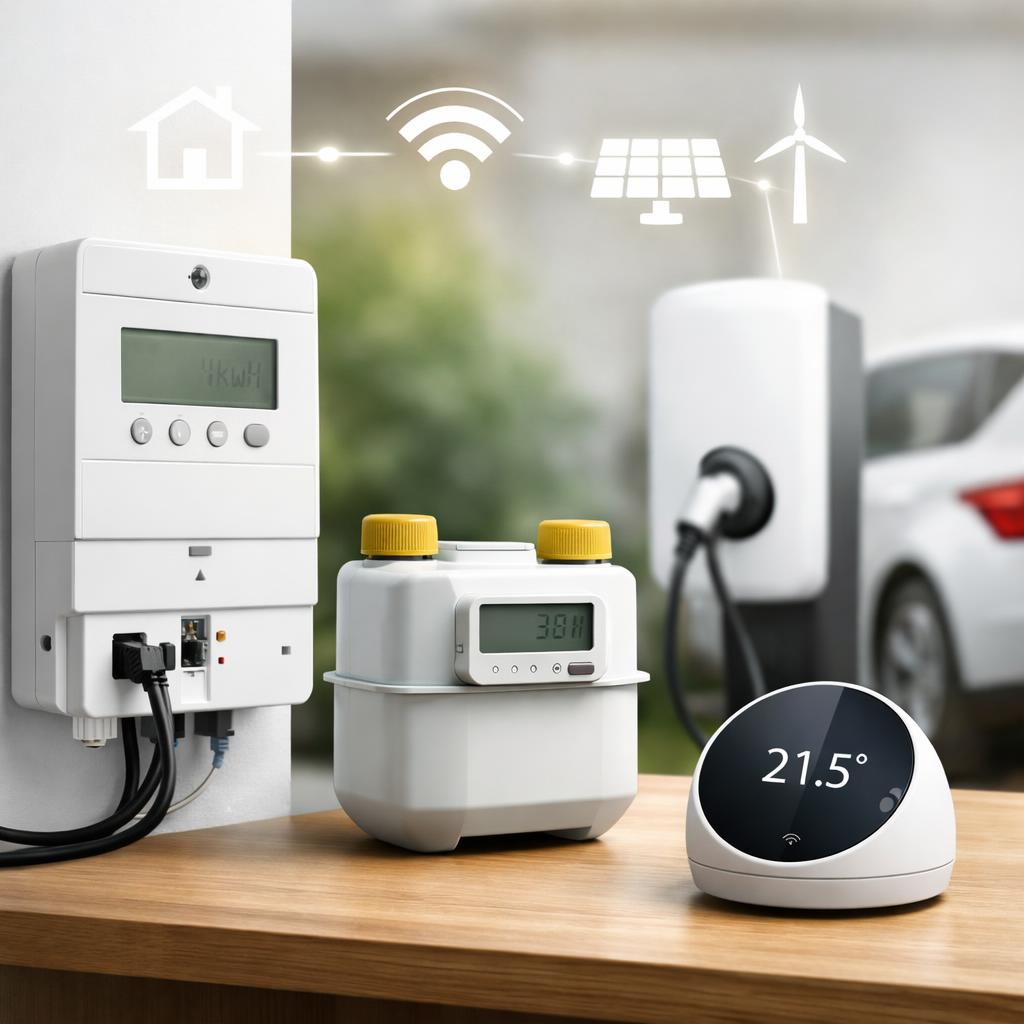
Many households with solar panels wonder: what will happen to netting in 2027? The short answer is that the netting scheme is expected to end. As a result, the power you supply back will probably no longer be offset in the same way against the power you later use from the grid. This can affect your energy bill, the reimbursement for return and the way in which you get the most out of your solar panels. Those who first want to understand how netting works will also see more quickly why 2027 is such an important moment.
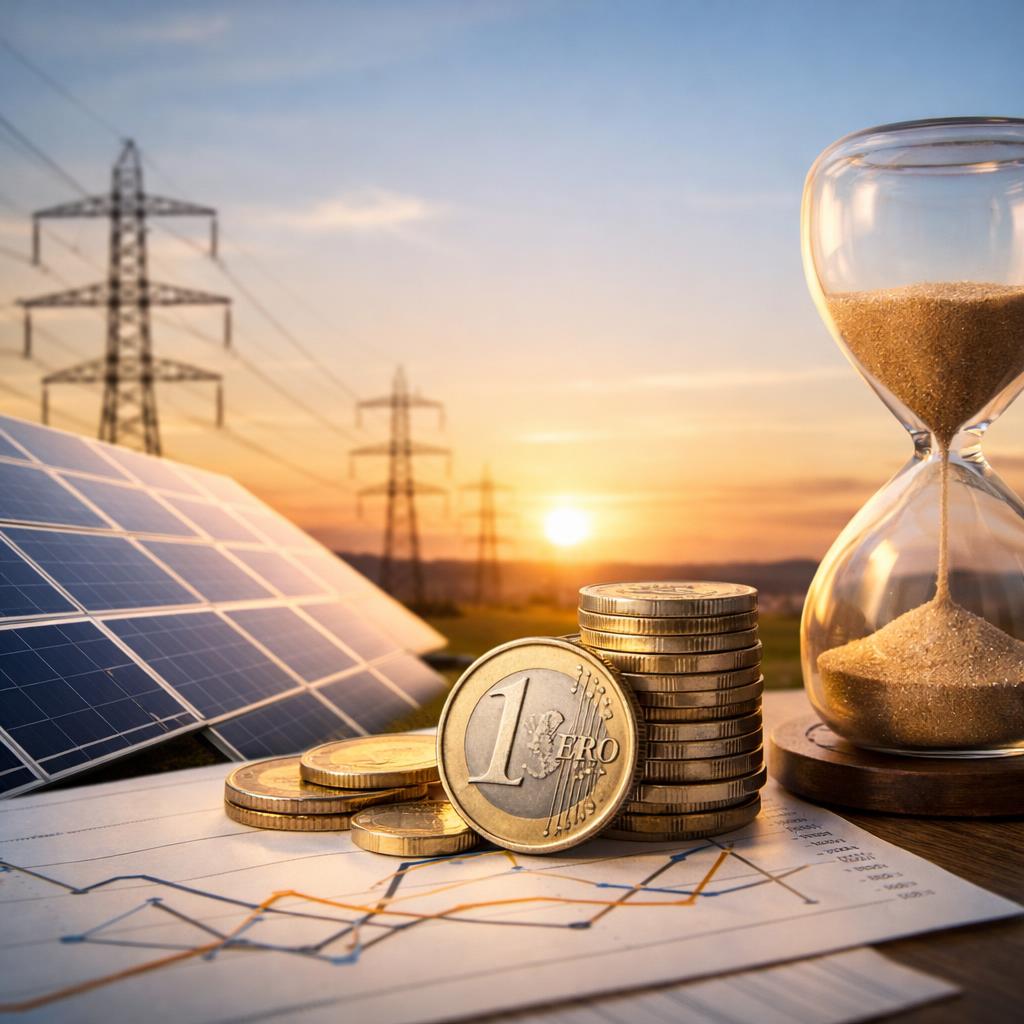
This does not mean that solar panels suddenly become unfavorable. However, smart use of your own electricity is becoming more important. The precise effect depends on legislation, policy and the conditions of your energy supplier. Therefore, always check current government information and look carefully at your energy contract. This way you can better estimate whether disappearing in 2027 in your situation will mainly have consequences for your monthly costs or also for your yield in the longer term.
What will change with netting in 2027?
In many cases you can now offset the power you supply with solar panels against power you purchase from the grid at another time. That is netting. As a result, electricity that you generate on a sunny afternoon often still has the same financial value later. The question of netting solar panels 2027 is that this advantage is expected to disappear or decrease significantly.
When netting stops, you usually no longer receive the same rate for electricity supplied as you do for electricity you purchase. Instead, you will receive a separate return payment. The compensation is often lower. This makes it financially more attractive to use generated electricity directly yourself, for example for washing, charging or heating water during hours with a lot of sun. Please note that rules and conditions may still change.
What netting means for your electricity bill
Offsetting often ensures that your annual accounts are significantly lower. If you supply back approximately the same amount of electricity as you consume over a year, then in practice you pay much less for that part. For many households, this was an important reason for choosing solar panels for years.
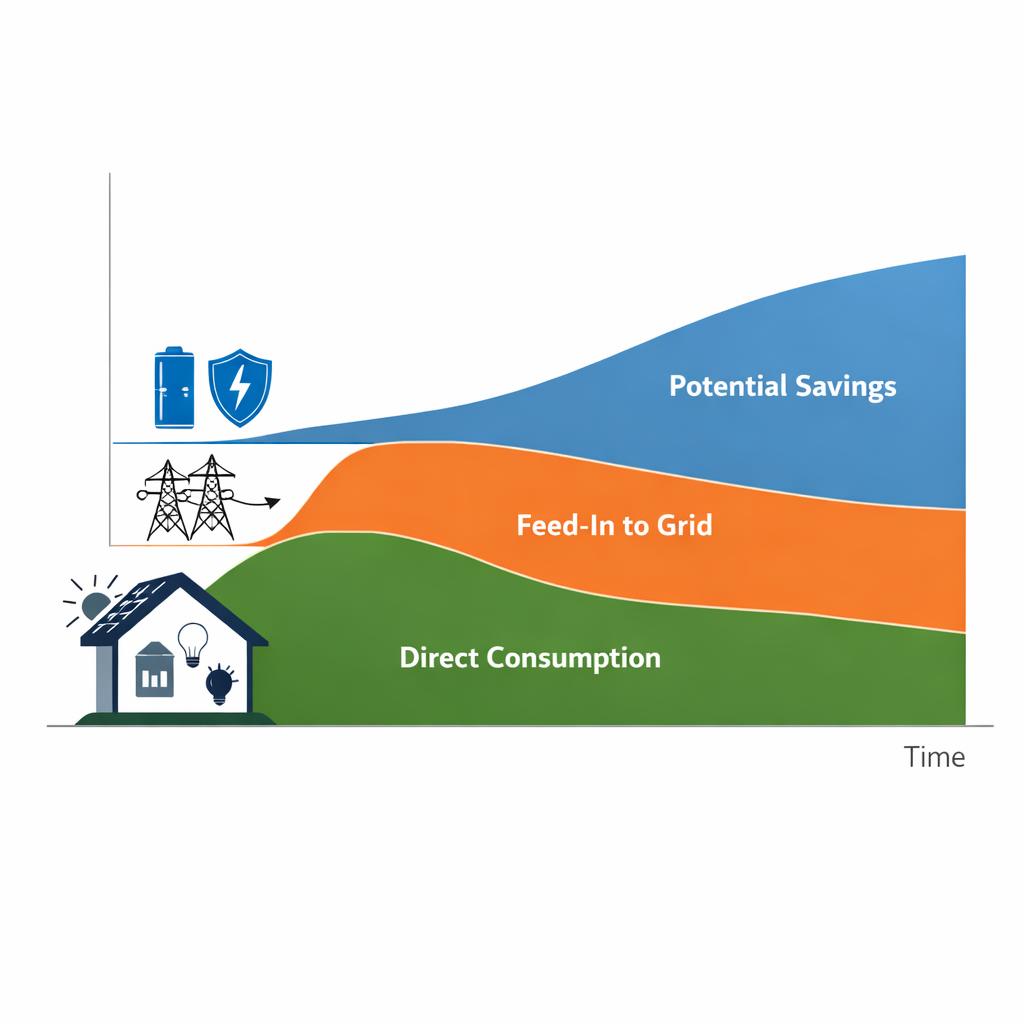
Without netting, the difference between direct consumption and return becomes much greater. Electricity that you use yourself immediately saves you the full rate that you would otherwise pay. Electricity that you supply back will probably only result in a separate payment per kilowatt hour. As a result, what does netting 2027 mean for my energy bill mainly revolves around the question of how much of your own solar power you can use immediately.
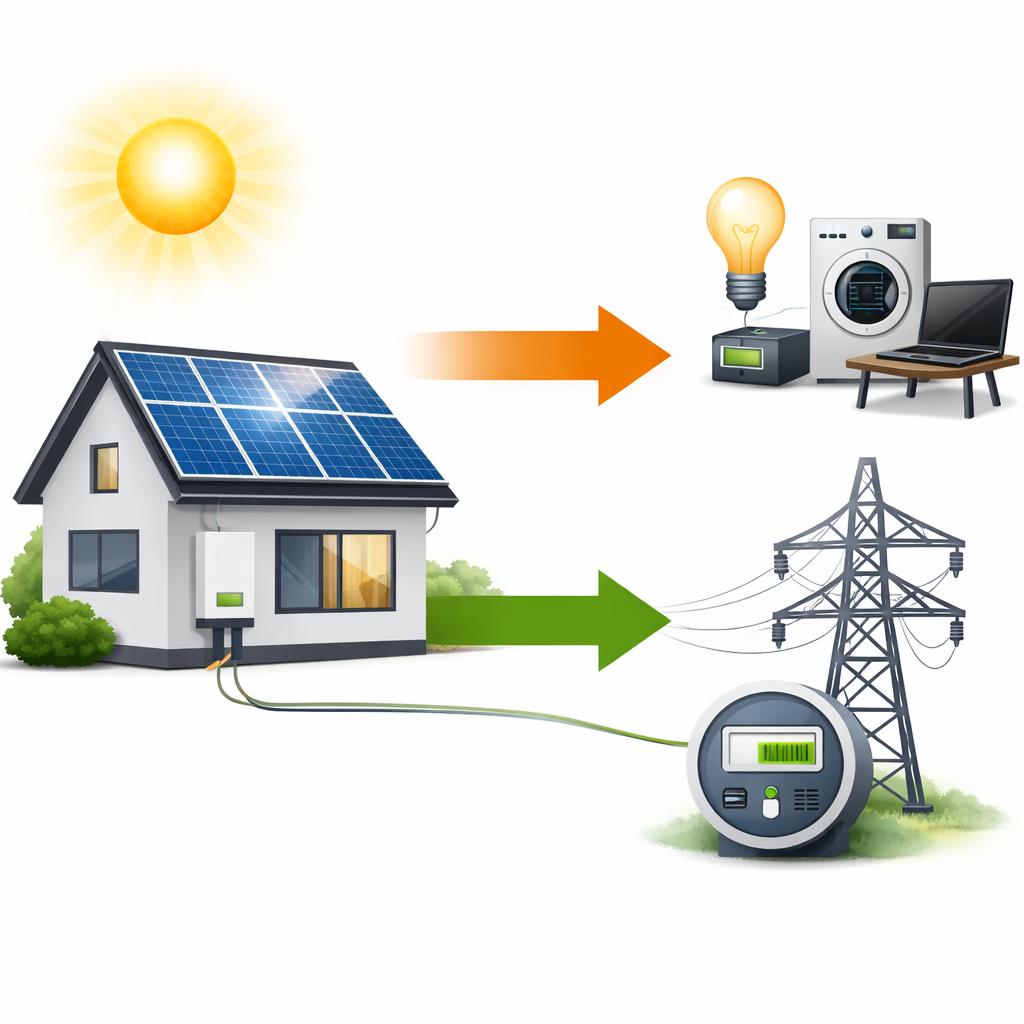
What the change in 2027 means for households with solar panels
The consequences vary greatly per household. If you are often at home during the day and turn on appliances at times when your panels are generating power, you can use more of your own production directly. Those who are not at home much during the day usually feed more back into the grid and are therefore likely to notice more of the disappearance of the scheme. This does not mean that solar panels lose their value, but it does mean that the calculation changes.
Your energy supplier also plays a major role. The amount of the compensation, possible costs for return delivery and the structure of your contract can vary considerably. That is why the question of feed-in compensation after netting 2027 is so important. Don't just look at the monthly amount, but also at fixed costs, conditions regarding return delivery and the term of the contract. This gives you a more honest picture of what your installation will still yield after 2027.
Consequences for returns, compensation and returns
If the scheme ends, resupply usually becomes less valuable than direct personal use. This can affect the time it takes to recoup your investment. Households that supply a lot of electricity in particular may notice that the yield per kilowatt hour generated decreases. At the same time, electricity that you use yourself remains valuable because you do not have to purchase it.
Anyone who wants to properly assess the efficiency of solar panels must therefore look beyond just the number of panels or the annual yield. Your consumption rhythm, the return fee and any additional costs are just as important. That is precisely why it is wise to reassess your situation if policy or contract conditions change in the run-up to 2027.
Conclusion
For most households, what will happen with netting in 2027 mainly means that returned solar power will probably yield less than now. For years, the netting scheme made it easy to offset generation and consumption, but after 2027 the advantage will probably shift more to direct personal use. As a result, your consumption rhythm, your contract and the reimbursement for return delivery become more important.
Solar panels remain interesting for many homes, but it pays to look ahead now. Use appliances more often during sunny hours, compare energy contracts carefully and follow current information from the government and energy supplier. Those who prepare in time can better cope with the consequences and have more control over costs, revenue and future power consumption.
Frequently asked questions
Will the netting scheme disappear completely in 2027?
That is currently the expectation that requires a lot of explanation. The final situation does depend on legislation and the way in which it is implemented. Therefore, always check the most recent information from the government.
What does 2027 mean for the feed-in tariff?
If netting stops, the compensation for returned electricity becomes much more important. This compensation is usually lower than the rate you pay for the electricity you purchase. This makes direct personal use financially more attractive than returning a lot.
Are solar panels still profitable without netting?
In many cases yes, but the payback period can change. That depends on how much electricity you use during the day, how high the compensation for feed-in is and what costs your energy supplier charges. Households with a lot of direct consumption often remain more favorable.
What can I do now to prepare?
Start by moving power consumption to sun hours. Think of washing, washing dishes, loading or heating water during the day. In addition, compare energy contracts carefully and take a critical look at whether storage really makes sense in your situation.