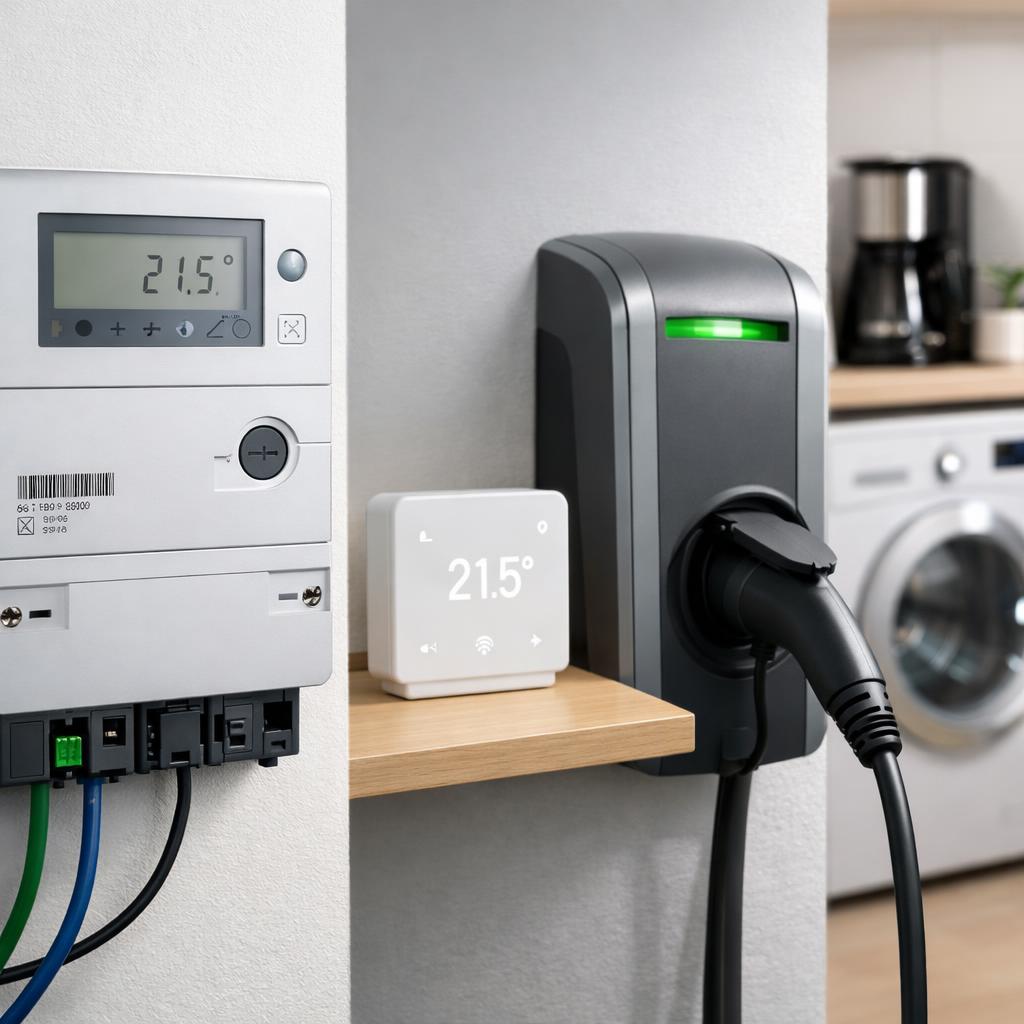
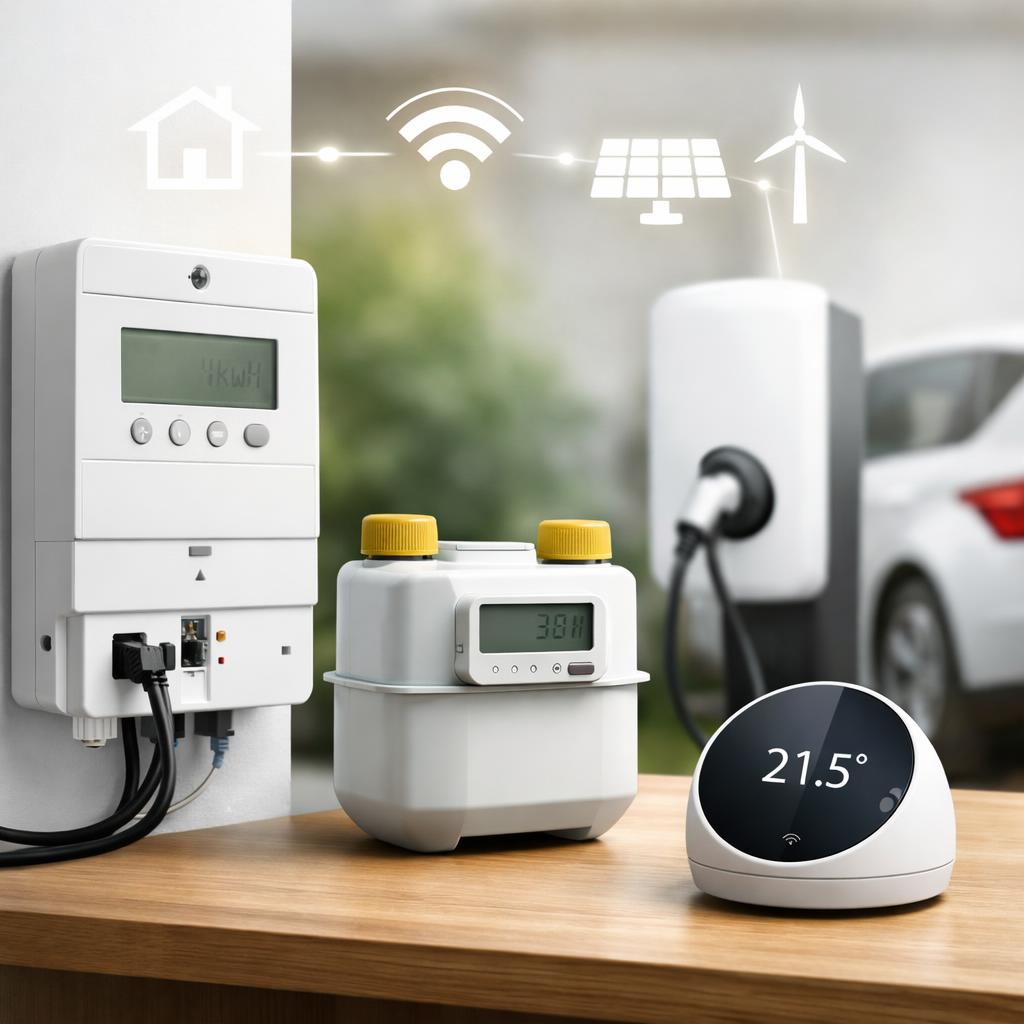
A Liander compatible device is a device that can work well with your connection, meter or settings within the Liander network environment. Anyone who searches for what a Liander compatible device is usually wants to know whether a product can really be used in their own home or at the workplace. That is why it is smart to not only look at a nice sales page, but especially at product specifications, supported connections, communication requirements and the manufacturer's manual.
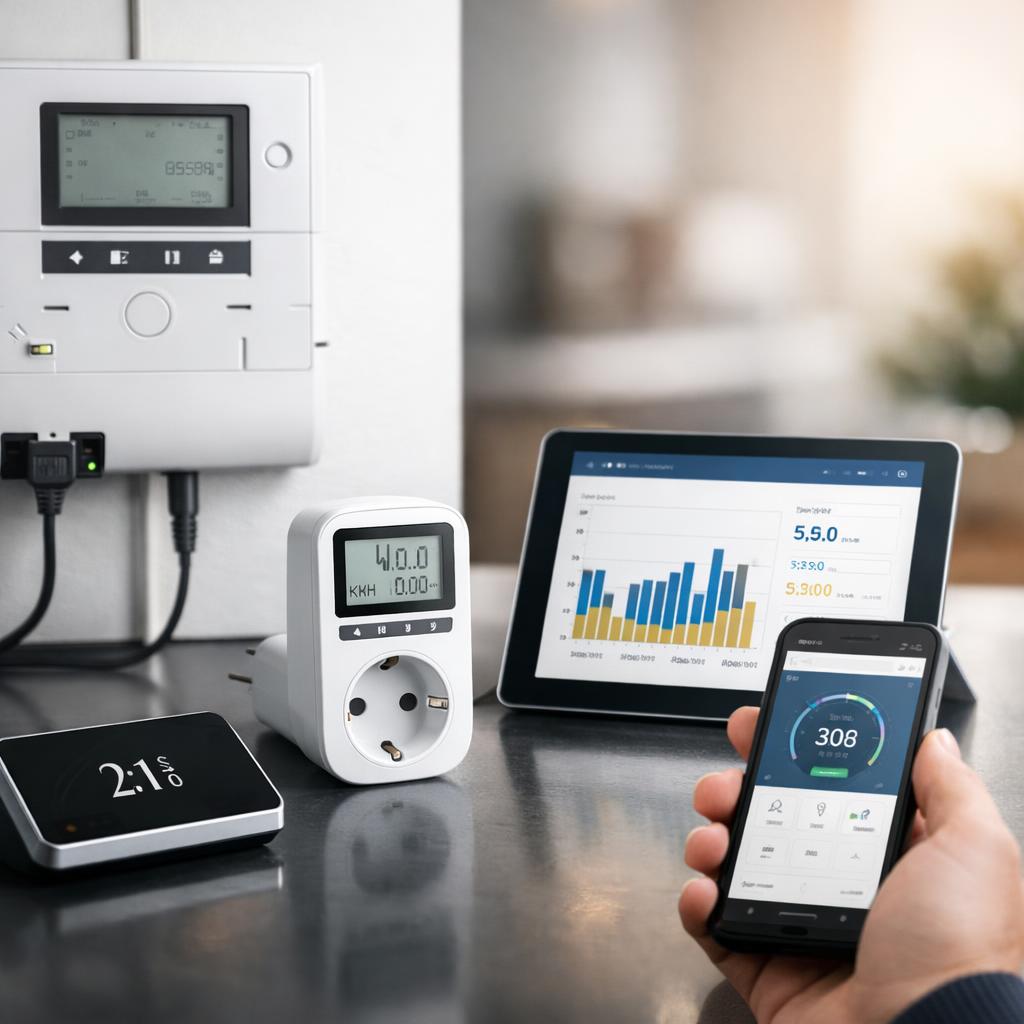
Always start with your own situation. Consider the type of connection, the meter available, the location where the device will be located and the functions you need. First check your details via check connection, so that you do not choose a product that does not technically fit. This way you can judge much better how to check Liander compatibility, without relying on vague claims or unclear promises.
What a Liander compatible device means in practice
The term Liander compatible device does not mean that every device automatically works in every situation. This usually concerns equipment that is suitable for use in combination with certain meter data, connection values, communication protocols or grid settings that apply in your situation. Consider products for energy insight, charging, switching or measuring. Compatibility therefore always depends on the combination of device, home installation and technical documentation.
Always read a product description critically. A manufacturer may state that a device is suitable for Dutch connections, but that is not proof that it also works with your meter or installation. Check whether it is clearly stated which connection types are supported, which settings are required and whether any conditions apply to installation and use. Only if that information matches your situation can you be reasonably certain of a good choice.
You can often recognize a suitable device by a few clear signals. There is a clear product specification, an overview of supported connections, information about connecting to the meter and an installation manual with concrete steps. It is also a good sign if the manufacturer explains for which situations the product is and is not intended. This makes it easier to understand what to pay attention to when using a Liander compatible device in practice.
In addition, pay attention to practical points such as power requirements, available space in the meter cupboard, the type of connection and settings required after installation. A device that only works under certain conditions is not necessarily unsuitable, but it can only be used if it suits your situation. If in doubt, it helps to check your meter details and installation points next to the manual before purchasing.
How to check whether the device suits your situation
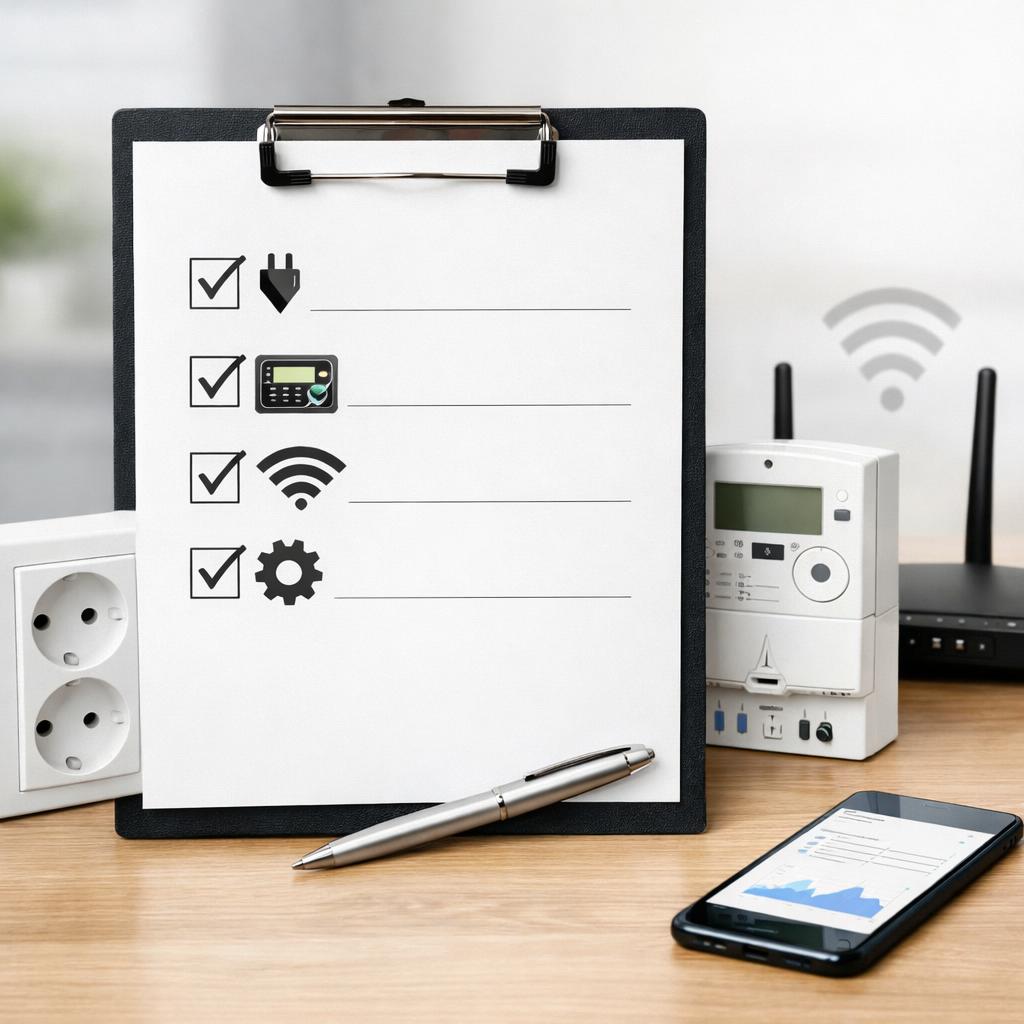
If you want to know how to check Liander compatibility, it is best to start with a short and clear checklist. Look at the connection in your home or business premises, the meter that is present, the location where the device will be located and the way in which data or control is handled. Then compare these points with the technical information of the product. This way you prevent a device that seems suitable on paper, but does not work well with your facilities in practice.
Also pay attention to the purpose of the device. If you mainly want insight into consumption, safe switching, charging or automating part of your installation, the requirements differ considerably. A broader assessment is wise at this stage. Therefore, also use a general guide such as what to pay attention to when purchasing to calmly compare specifications, ease of installation and maintenance. This makes connecting a Liander compatible device a lot clearer.
Always check the type of connection, the available voltage, the phase division, the maximum load and the data of your meter in advance. In addition, check whether the device requires a wired or wireless connection and whether additional components are required. Some products only work with certain readout options or specific settings. Without these conditions, a device can sometimes be installed, but not function completely as you expect.
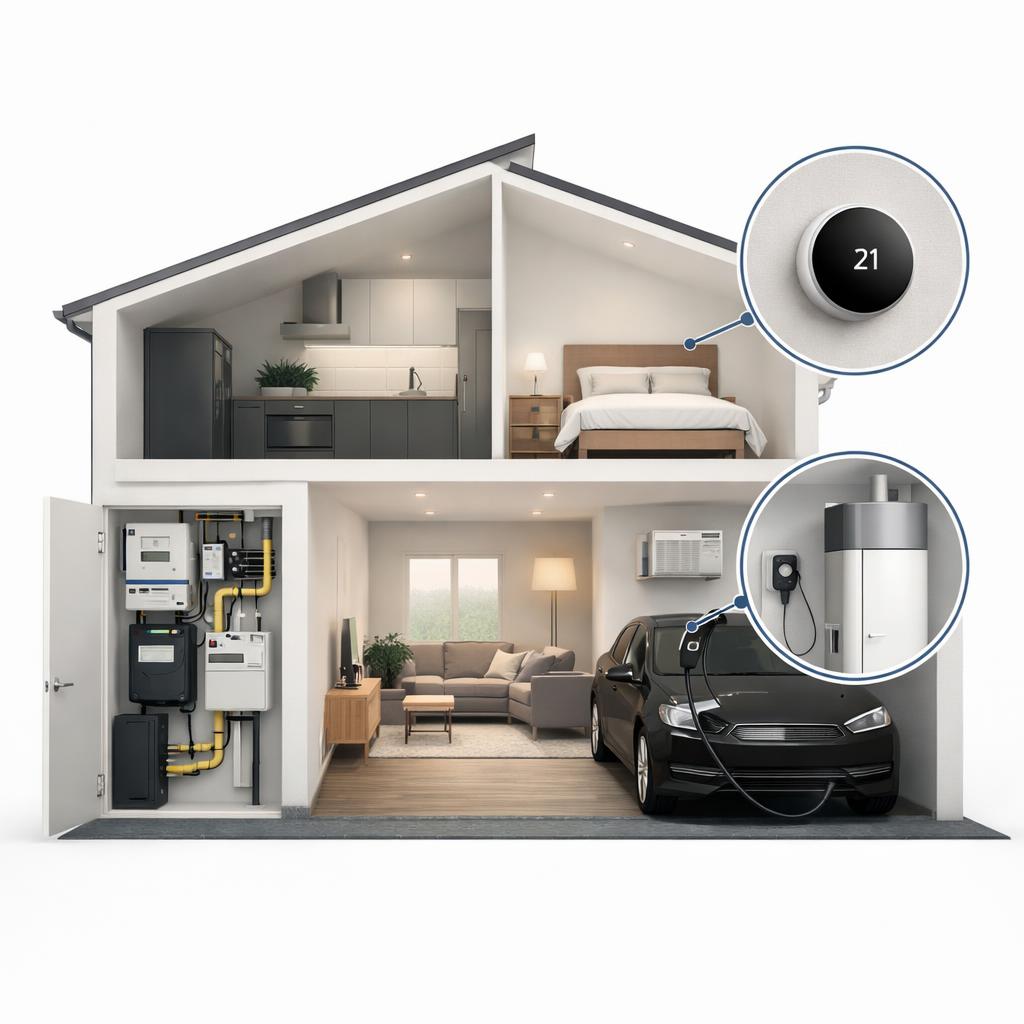
Also pay close attention to the installation location. Is there enough space, is the environment dry and safe, and can the device be mounted in the meter cupboard or outside it according to the manual? Also check whether you can connect anything yourself or whether a certified installer is required. This is important for anyone looking to connect a Liander compatible device: compatibility is not only about technical fit, but also about safe and correct use.
Conclusion and frequently asked questions
The best purchasing advice is simple: never choose based on name or promise alone, but on demonstrable technical suitability. Compare product specifications, read the manual before purchase and check whether your connection and meter meet the conditions. Common mistakes include assuming too quickly that every comparable device works the same, skipping meter data, or not checking the installation site. This can lead to disappointment, extra costs or unnecessary adjustments afterwards.
Conclusion: A Liander compatible device is only a really good choice if it matches your meter, connection, purpose of use and installation conditions. Anyone wondering what a Liander compatible device is or what to look for with a Liander compatible device would do well to compare the documentation and technical data with their own situation. So check carefully and don't assume unconfirmed compatibility. This makes you a safer and more sustainable choice.
A common mistake is relying on a short sales page without reading the full technical explanation. Buyers also regularly forget to look at phase classification, connection value or the way in which meter information is made available. Another mistake is thinking that ease of installation is more important than technical suitability. In reality, a device must first be suitable and safe, and only then does ease of use come into play.
Furthermore, things often go wrong with the settings after installation. Even a suitable product can function incorrectly if basic settings are not completed correctly. Therefore, take the time to check after installation and keep the manual. This reduces the risk of malfunctions and makes it easier to determine later why a function is or is not available.
Frequently asked questions
What exactly does Liander compatible mean?
It means that a device can work according to the product specifications and documentation in a situation with relevant connections, meter data or settings that suit your network environment. This must be evident from technical information and not just from general sales language.
How do I know if my device is suitable for my connection?
Check the connection type, voltage, phase division, meter data and installation requirements of the product. Compare that data with the manual. If any of these points deviate, the device may be unsuitable or only partially functional.
Can I connect a Liander compatible device myself?
That depends on the type of device and the installation requirements. Some products are easy to install, while others require a permanent connection or adjustments in the meter cupboard. Always follow the manual and, if necessary, call in a certified installer.
What should I consider before purchasing?
Please note proven compatibility, supported connections, meter requirements, connection type, installation location, safety regulations and any additional components. Also check whether the manufacturer provides clear documentation, so that you know in advance whether the device really suits your situation.