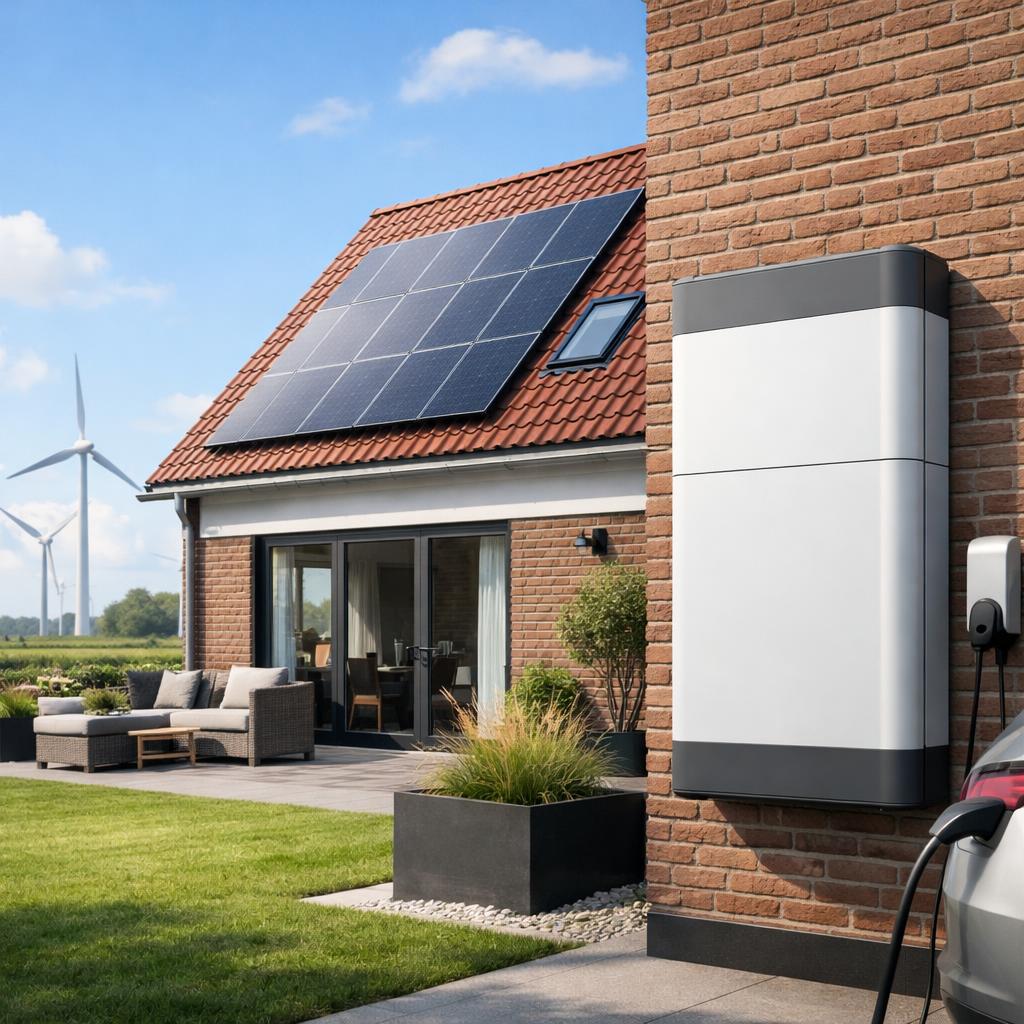
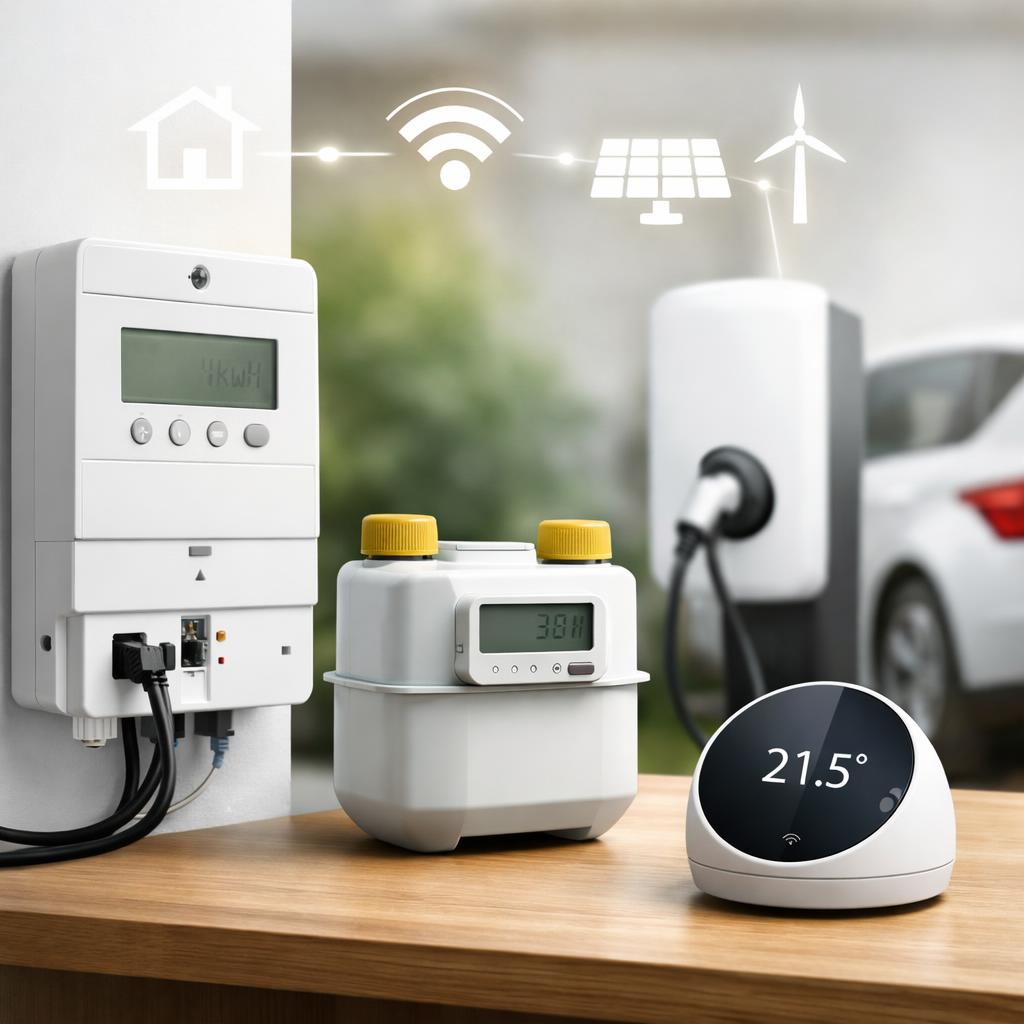
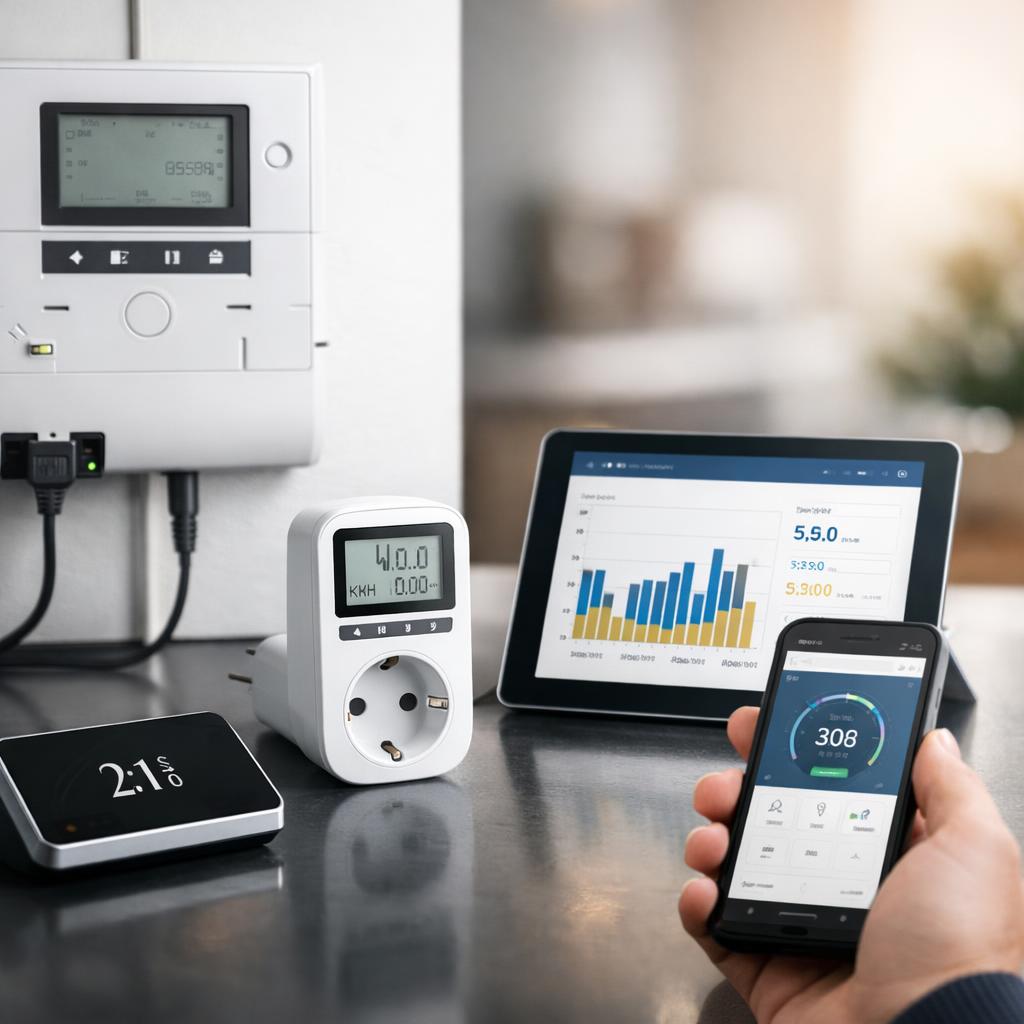
Anyone looking for ISDE home battery subsidy Netherlands 2026 usually wants to know one thing: can you count on a national contribution for the purchase of a home battery in 2026? The honest answer is that you cannot just assume that. Regulations change, conditions are adjusted and not every form of energy storage automatically falls under existing support measures. Checking with official sources therefore remains necessary.
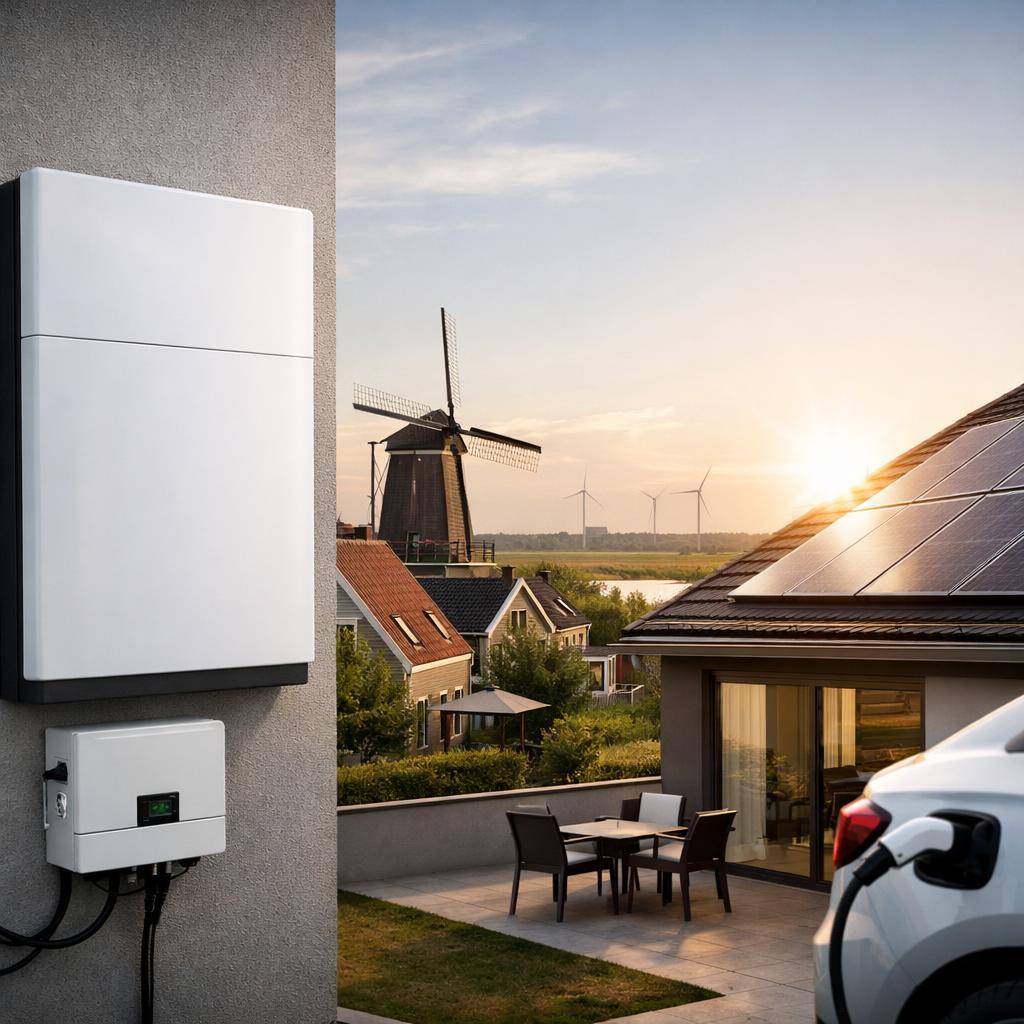
Especially with home batteries, it is important to look closely at the difference between a national subsidy, a local scheme, a loan or a tax benefit. This distinction determines whether your application has a chance and what conditions apply. If you first want more context about making your home more sustainable, take a look at the ISDE regulations for homes. This way you can better estimate whether a battery counts as a separate measure or is only interesting as part of a broader energy system.
A home battery sounds attractive, especially with solar panels and increasing attention for self-consumption. Yet the choice is not just about subsidy. Consumption pattern, payback period, technical requirements and local options also play a role. That is precisely why a sober, up-to-date assessment is more important than a quick promise.
Will the ISDE apply to a home battery in the Netherlands in 2026?
The ISDE is best known as a regulation for measures that make homes more sustainable, such as insulation and certain heating installations. This is less easy with a home battery. Anyone searching for ISDE home battery subsidy Netherlands 2026 should first check whether a battery in 2026 is explicitly mentioned in the official conditions. If this statement is not clearly stated, you cannot assume that a home battery is covered by the regulation.
This also remains the case if you already have solar panels. Many people think that storage is automatically assessed as soon as there is self-generated electricity, but that is not necessary at all. A home battery can be treated separately in policy, for example as an independent investment or as technology that falls outside the main design of the scheme. That is why the presence of solar panels in itself says little about subsidy options.
In addition, rules regarding feed-in, grid tax and storage change regularly. What is mentioned in sales information today may no longer apply to the actual application. Therefore, always look at the official regulation text, the publication date and the implementing body immediately before purchasing. In the Netherlands, this is often the Netherlands Enterprise Agency, but municipalities and provinces can also have their own conditions. Those who want certainty do not base themselves on general claims, but on the most recent public rules.
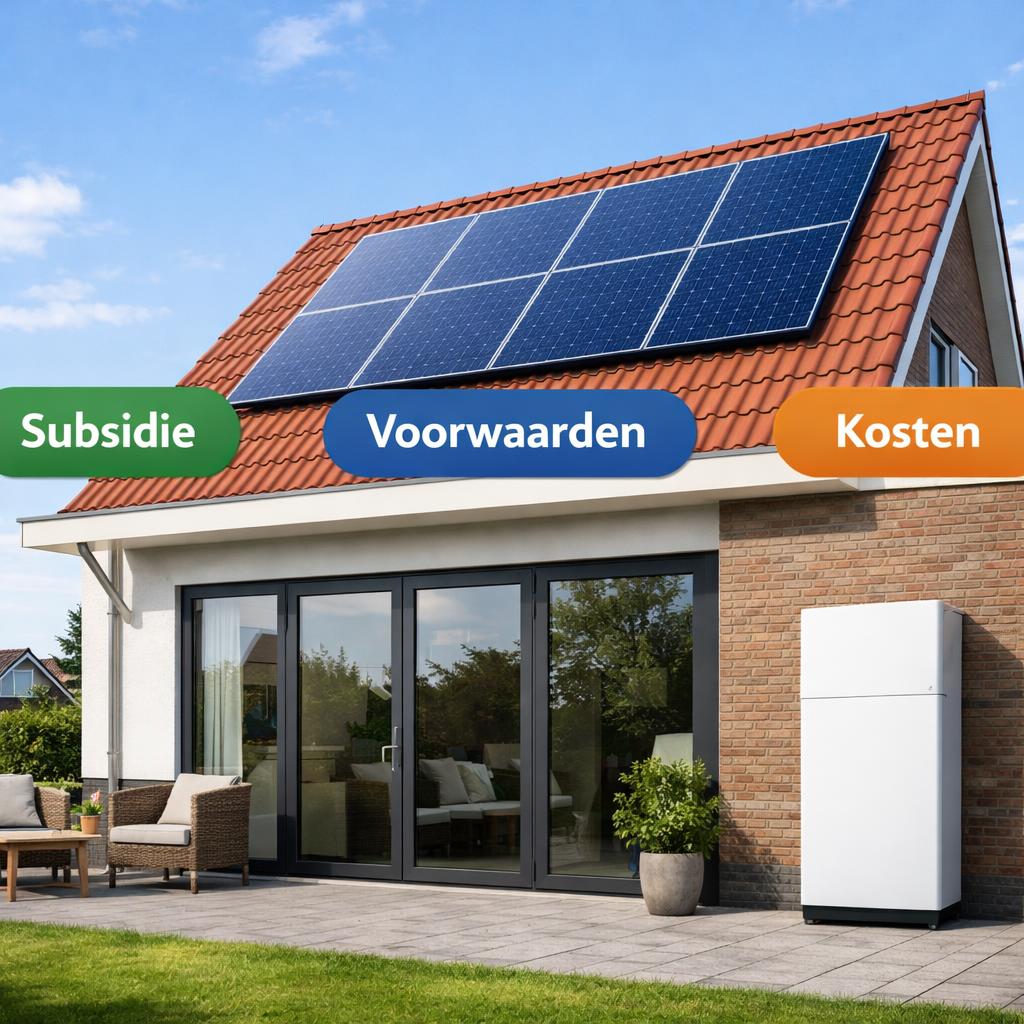
Which conditions, exceptions and alternatives do you need to know?
Even if some form of support exists in 2026, that does not mean that every home battery will be eligible. Technical and administrative requirements often apply, such as a minimum or appropriate capacity, installation by a recognized professional company, installation in an existing home or combination with other energy measures. It may also be that only certain types of systems count.
In addition, there are exceptions. A battery that is mainly intended for emergency power, commercial purposes or business use may fall outside a consumer scheme. This makes it extra important to first determine what exactly you are looking for: a subsidy, a loan, a tax benefit or a local incentive scheme. Especially with the search question ISDE home battery subsidy Netherlands 2026, these concepts often become confused, while in practice they have very different consequences.
Difference between subsidy, tax benefit and local scheme
A subsidy is usually a direct financial contribution after approval of an application. A tax benefit works differently and runs through tax rules, with its own conditions and often a different target group. Local regulations from the municipality or province can be temporary, have a limited budget or only apply in specific neighborhoods or projects.
Therefore, pay attention not only to the name of a scheme, but also to the details. Consider the duration, application time, property type, technical requirements and the question of which costs do or do not count. Sometimes only the battery itself is covered by a regulation, while installation, meter cupboard adjustment or additional parts are not taken into account. In other cases, the battery must be part of a larger sustainability plan. By comparing these conditions in advance, you avoid disappointment afterwards.
What you should pay attention to with costs and application
Always look at the total investment. In addition to the purchase price, installation, inverter, adjustments to the electrical installation, maintenance and possible replacement in the long term also count. An arrangement sometimes seems attractive, but yields less than expected if additional costs are high or if the application requires a lot of supporting documents.
Also check when you need to apply. With some schemes this must be done before purchase, with others only after installation. If you miss that moment, the contribution may be canceled. Therefore, keep quotations, invoices, product specifications and installation documents carefully. This not only makes an application easier, but also helps to compare different providers fairly.
When is a home battery interesting without ISDE?
Even without a national subsidy, a home battery can be useful, but that largely depends on your situation. Households that generate a lot of solar power during the day and use a lot of electricity in the evening can benefit more from storage than households with a flat consumption pattern. This advantage increases if feed-in tariffs decrease or if self-consumption becomes financially more important.
At the same time, a home battery is not automatically profitable. The outcome depends on the purchase price, usable storage capacity, charging losses, lifespan and warranty. A battery that is too large can also be unfavorable: you then pay for capacity that you hardly use in practice. A smaller battery may actually better match the household's actual power consumption.
That is why calculating is more important than hoping for a settlement. Estimate your annual consumption, your generation via solar panels and the times when you draw power from the grid. Preferably use an independent explanation of the costs and payback time of a home battery. This way you can see more quickly whether direct purchase makes sense, or whether waiting for lower prices, clearer policy or a local scheme is wiser.
The gist is simple: subsidies can help, but should not be the only reason to buy a home battery. If the system without support hardly fits your consumption or budget, a limited compensation often does not fundamentally change this.
Conclusion
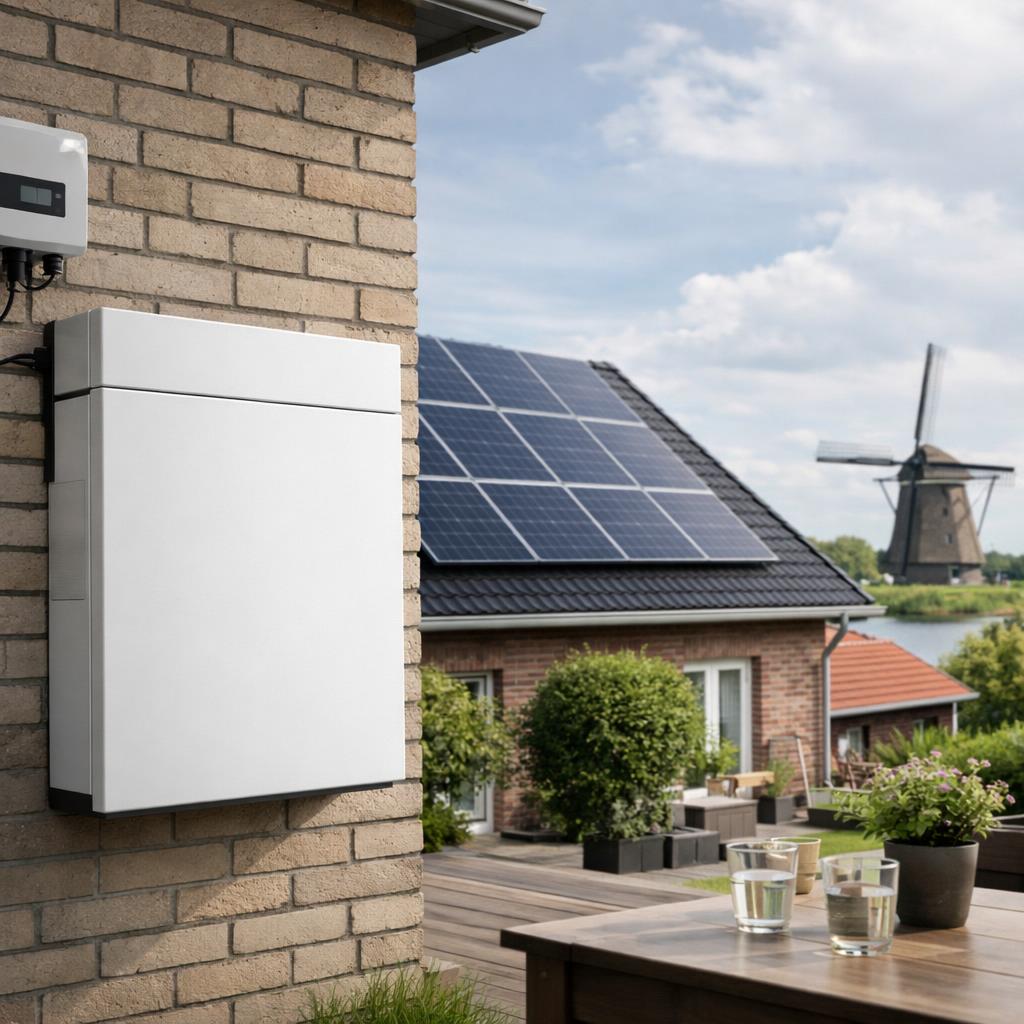
The safest conclusion for the search question ISDE home battery subsidy Netherlands 2026 is that you should not assume automatic national subsidy without current confirmation from an official source. A home battery may fall outside the classic ISDE in 2026, while other routes may exist, such as municipal schemes, provincial support, loans or tax benefits in specific situations.
The practical side is at least as important. If a home battery fits your power consumption, solar panels and budget, the investment can also be interesting without a national contribution. If this does not fit, the subsidy often makes the difference smaller than expected. Therefore, always check the current conditions, compare the total costs and base your decision on both financial feasibility and real usage value.
Frequently asked questions
Will there be a national subsidy for a home battery in the Netherlands in 2026?
You can only know for sure by checking the official conditions in 2026. Without a clear mention of the home battery as an eligible measure, you cannot assume that national support is available.
Does a home battery fall under the ISDE if I also have solar panels?
No, not automatically. Solar panels in themselves do not entitle you to support for a battery. The regulation must explicitly allow storage and may impose additional technical and administrative requirements.
What other regulations may be relevant in addition to the ISDE?
Consider municipal or provincial incentive schemes, sustainability loans and in some cases tax benefits. Which option is suitable depends on your home, your location and the purpose of the system.
When is a home battery worth it without a subsidy?
Especially if you want to store a lot of your own solar power, have relatively high evening consumption and the costs, lifespan and savings are favorable in a realistic calculation. Without such a calculation, the benefit remains too uncertain.