The question of when does the netting scheme end is an issue for many households with solar panels. The short answer is clear: according to the current decision-making, the scheme will end on 1 January 2027. However, the end date is not the only thing that matters. Your energy contract, the reimbursement for feed-in and your own electricity consumption are also important for your energy bill.
Anyone who already has solar panels or is considering them usually wants to know what will change after that date. It helps to first understand how netting works. You can then better estimate what the end of the scheme means for your home, your monthly costs and the payback period of your installation. In addition, always check current government information and the conditions of your supplier, because rules and rates can change.
When the netting arrangement ends and what that means in practice
The netting scheme has been introduced so that electricity that you supply back to the grid with solar panels can be offset against electricity that you purchase later. According to the current rules, this arrangement ends on January 1, 2027. Until 2026 you can still settle in accordance with the applicable conditions. That is the core of the answer to the question when does the netting arrangement end.
After stopping the control, you can no longer fully offset the electricity supplied against the electricity you use from the grid. Instead, you will receive a return allowance. This compensation varies per energy supplier and sometimes also per contract. As a result, the same amount of electricity generated can yield more for one provider than for another. That is precisely why it is smart to not only look at the date, but also at the financial consequences afterwards.
For many households, the value of electricity that they do not directly use themselves changes. Electricity that you use immediately during the day for cooking, washing or charging usually remains the most economical. Power that you send back to the grid will probably yield less after 2027 than during the netting scheme. This makes your own consumption pattern increasingly important.
Difference between netting and feed-in compensation
Netting means that purchased power and returned power are offset against each other, usually on an annual basis. As a result, returned solar power has approximately the same value for many households as the electricity price they pay. This makes solar panels financially attractive, especially if you return a lot in the summer and use more electricity later in the year.
A return allowance works differently. You will then receive a separate amount for the electricity that you do not use yourself and return to the grid. That amount is often lower than the rate you pay for purchased electricity. This makes direct use of your own solar power more valuable than supplying it back. Also read our explanation of feed-in compensation if you want to know how this affects your energy bill.
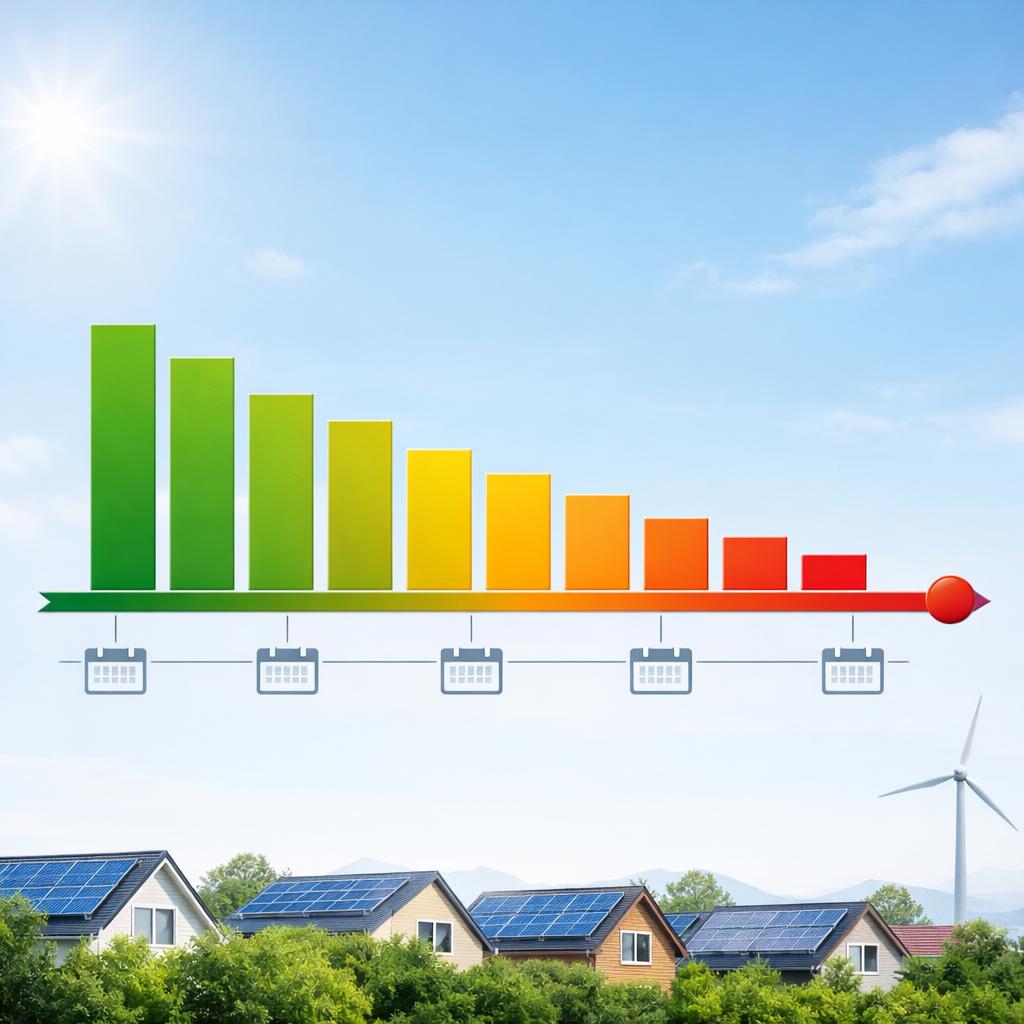
What the end of the scheme means for your energy bill
The consequences are not the same for every household. If you use a lot of your own generated electricity during the day, you will often notice less of the disappearance of net balances. If you deliver a lot in return at times when you need little power, your financial benefit may be smaller. The question is therefore not only when the netting scheme will stop, but also how much electricity you immediately consume yourself.
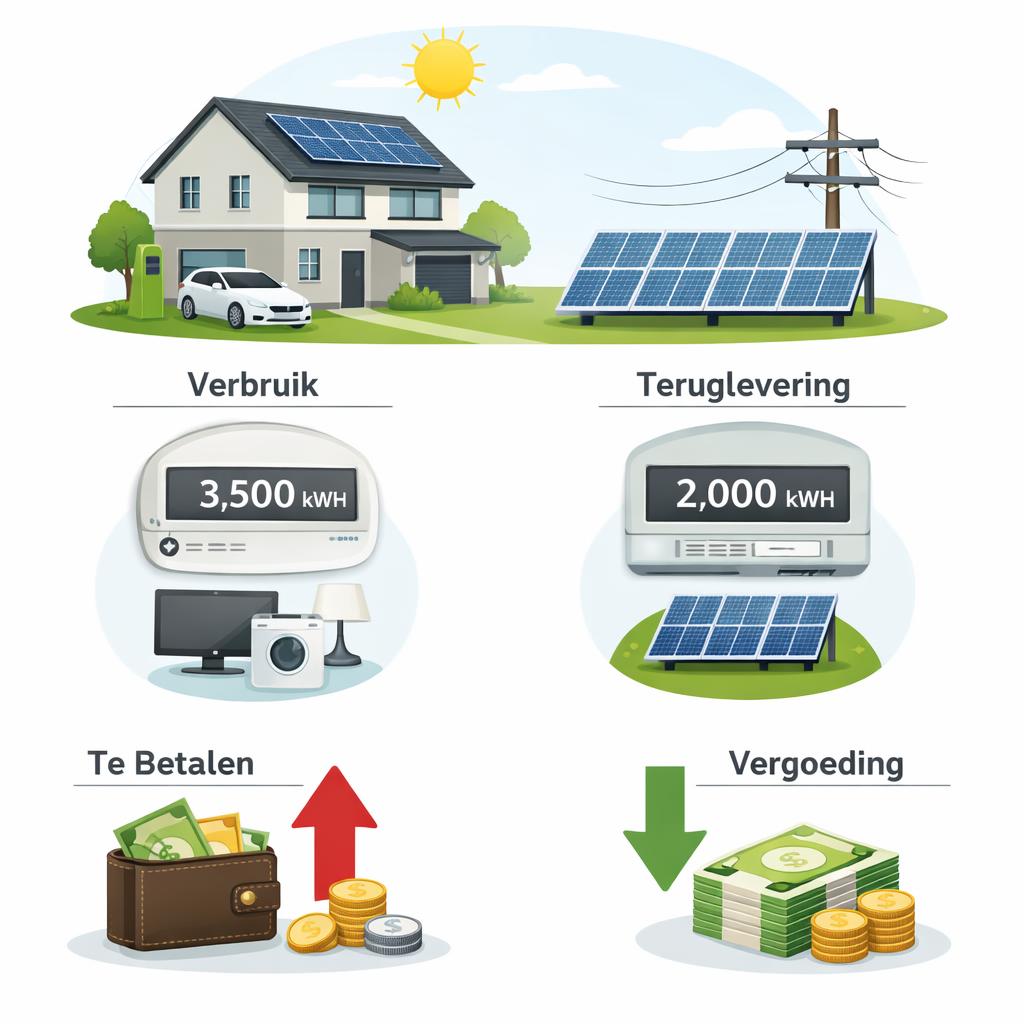
A simple example makes this clear. Suppose you generate 3,000 kilowatt hours per year. Of this amount, you use 1,000 kilowatt hours directly in your home and 2,000 kilowatt hours are returned to the grid. As long as netting applies, you can offset the returned electricity against later consumption. After 2027, you will probably only receive compensation for that part. If that compensation is lower than the supply rate, the financial benefit of those 2,000 kilowatt hours decreases.
Contract conditions also weigh more heavily. Some suppliers charge different fees, others charge extra costs for households with solar panels. Therefore, do not just look at the basic price per kilowatt hour, but at the total contract. The search question when does the netting arrangement end also includes the follow-up question: what is left for me at the bottom line?
What you should pay attention to regarding consumption, return delivery and contract conditions
Start with your own numbers. Look at how much electricity you generate annually, how much you use directly and how much you supply back. The higher your direct self-consumption, the better your outcome is often once netting stops. It therefore helps to use devices more often during the day, especially at times when there is a lot of sun.
Then check your energy contract. Pay attention to the amount of the feed-in compensation, possible additional costs and the way in which the supplier deals with customers with solar panels. Compare not only monthly amounts, but also the annual statement. This way you can better see whether your current advance payment and contract still fit the situation after 2027.
It is also wise to re-examine your consumption and conditions every year. The market is changing, and suppliers may adjust their rates or rules. Those who already have insight into their own generation and feed-in can make adjustments more quickly later and prevent unpleasant surprises.
Conclusion
The answer to the question when does the netting arrangement end is currently: January 1, 2027. The arrangement will still apply until that date. After that, the benefit of solar panels shifts more to direct self-consumption and to the compensation you receive for electricity that you supply back.
For one home the change will be limited, while another household will notice the difference more clearly. That depends on how much solar power you use yourself, how much you send back to the grid and what contract conditions you have. Anyone who wants to be well prepared is already looking at daytime consumption, the supplier's conditions and the development of reimbursements. This way you not only know when the scheme ends, but also what you can do specifically to keep solar panels profitable.
Frequently asked questions
When exactly will the netting scheme end?
According to the current decision-making, the netting scheme will end on January 1, 2027. Because laws and regulations can change, it is wise to also check the most up-to-date information from the government at that time.
Does the netting scheme still apply to existing solar panels?
Yes, until the end of the scheme, netting in principle also applies to households that already have solar panels. After that date, netting will also expire for existing installations, unless the rules are adjusted again.
Do solar panels remain interesting after the end of netting?
For many households, yes. Especially when you use a large part of the electricity you generate directly, solar panels remain financially attractive. However, the payback period may be different than under the current scheme.
What should I look at first?
First look at your annual consumption, your return and the conditions of your energy contract. This will quickly give you a more realistic picture of the consequences of the end of the netting scheme for your energy bill.