With the rise in concern about climate change and the push for renewable energy sources, solar panels are becoming a more popular alternative to traditional power sources. Solar panels offer an environmentally friendly way to generate electricity ?C but could they have additional, unintended side effects? One such potential consequence has been raised recently: some studies have suggested that solar panel farms may be linked to bird fatalities. This blog post looks into current understanding of the potential risks associated with solar panels for birds as well as what solutions exist to mitigate them. By exploring these topics together, readers can make a better-informed decision about whether or not this move is right for them in terms of both sustainability and animal welfare goals.

Do Solar Panels Kill Birds?
To address the question of whether solar panels killing birds, it's important to consider two main categories: residential solar panels and solar power plants. Residential solar panels are typically installed on rooftops, while solar power plants consist of large-scale installations.
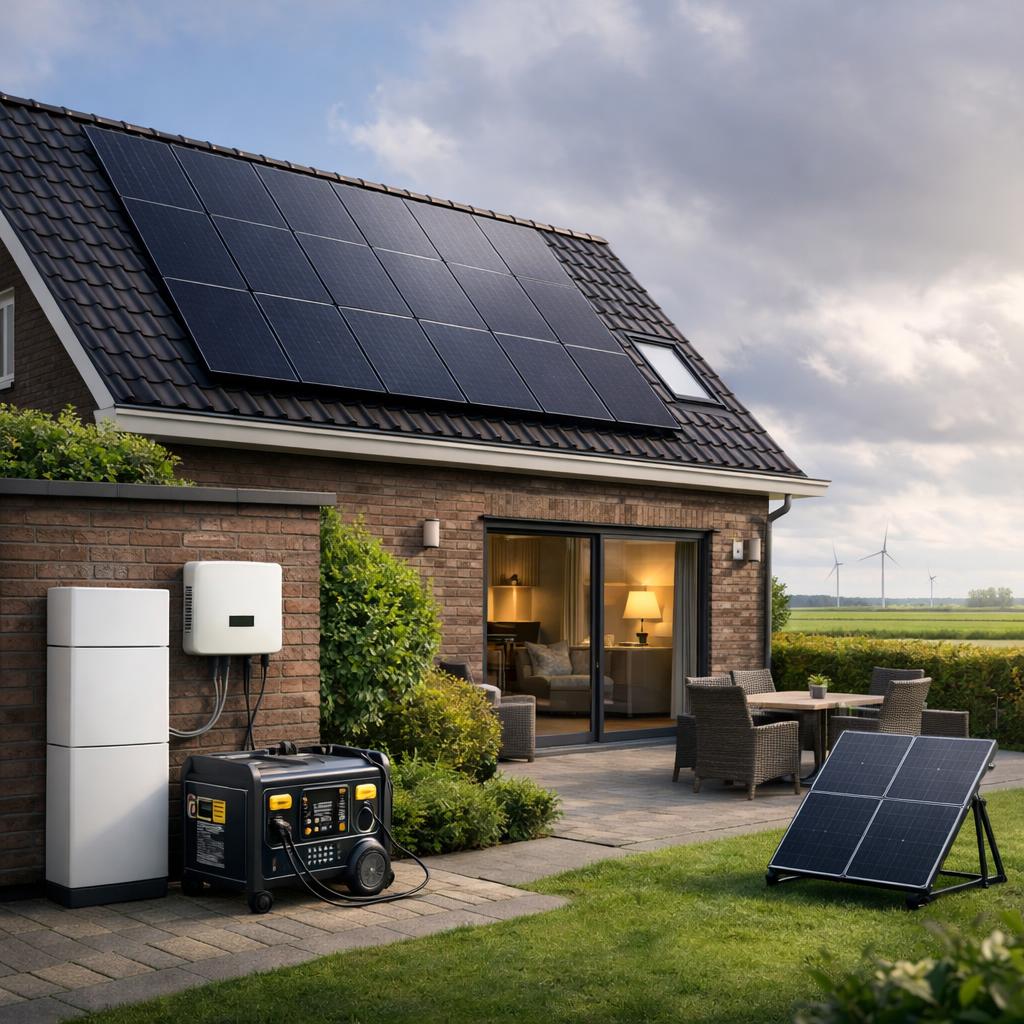
When it comes to residential solar panels, the risk of bird mortality is relatively low. These solar panels are typically installed on rooftops and angled surfaces, making them less attractive for birds to perch or nest on. Furthermore, residential installations are generally smaller in scale, which reduces the likelihood of significant bird collisions.
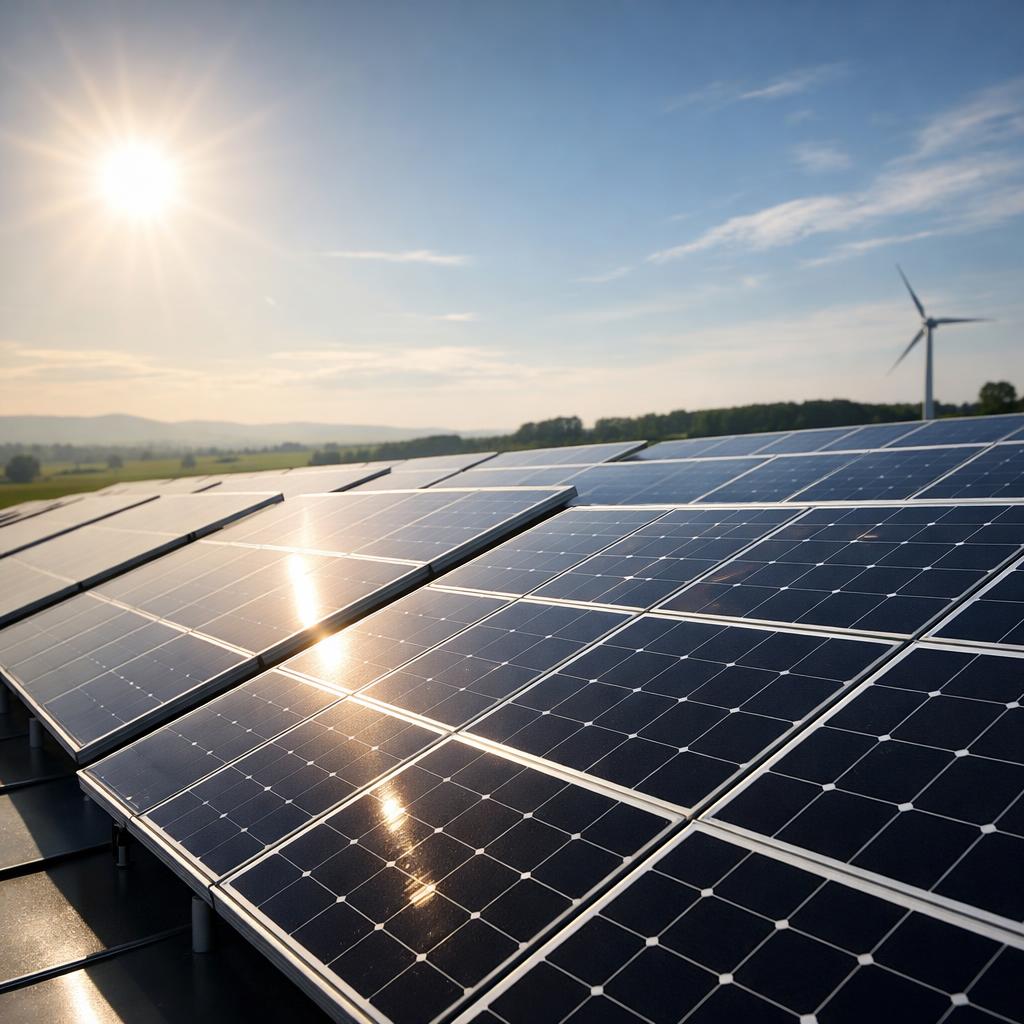
Solar power plants, on the other hand, may pose a greater risk to birds, primarily due to the vast size of the installations and the presence of reflective surfaces. These large-scale solar arrays can sometimes be mistaken by birds as bodies of water, leading to collisions. However, it's worth noting that the overall impact on bird populations is still relatively low compared to other human-made structures.
How Do Solar Panels Kill Birds?

Solar panels can contribute to bird mortality through two primary mechanisms: collisions and habitat disruption. Let's explore how do solar panels kill birds:
Collisions
Birds may collide with solar panels, mistaking them for open space or bodies of water. This is more likely to occur in areas with high bird activity or near migration routes. Several factors can contribute to collisions:
Habitat Disruption
The construction and operation of solar power plants can disrupt bird habitats, leading to indirect harm. Here are some factors contributing to habitat disruption:
While the impact of residential solar panels on birds is generally minimal, larger-scale solar power plants have a higher potential for bird mortality. It's important to consider these factors and take proactive measures to mitigate the risks associated with solar panel installations. By implementing bird deterrents, carefully choosing installation locations, and conducting thorough environmental impact assessments, we can reduce the likelihood of bird collisions and minimize habitat disruption.
How to Prevent Killing Birds When Installing Solar Panels?

To prevent harm to birds when installing solar panels, several measures can be taken. Here are some important steps to consider:
Strategic Placement
Carefully choose the location for solar panel installations to minimize the risk to birds. Consider the following factors:
Avian Deterrents
Implement bird deterrents to make solar panels less attractive or noticeable to birds. These deterrents can include:
Environmental Impact Assessments
Conduct thorough environmental impact assessments before installing large-scale solar power plants. This ensures a comprehensive understanding of the local bird habitats and allows for the implementation of appropriate mitigation measures. Some considerations include:
By considering these preventive measures and incorporating them into the installation and operation of solar generator, we can significantly reduce the potential harm to birds and promote the coexistence of clean energy generation and bird populations.
Can a Portable Power Station Be One of the Solutions to Protecting Birds?
Yes, portable solar power stations can be a solution to protect birds from the potential harm associated with fixed solar panels. Here's how portable solar power stations can contribute to bird protection:
- Flexibility in Placement: Portable solar power stations provide the advantage of flexibility in their placement. They can be easily moved to different locations, allowing for strategic placement that avoids high bird activity areas or sensitive bird habitats. This flexibility reduces the risk of bird collisions and disturbance.
- Temporary Installation: Portable solar power stations are often set up for shorter durations or specific events, unlike permanent installations. This temporary nature minimizes the potential long-term impact on bird populations and habitats.
- Reduced Habitat Disruption: Unlike large-scale solar power plants, the footprint of portable solar power stations is generally smaller. As a result, the disruption to bird nesting areas and foraging habitats is minimized. Birds can continue to utilize their natural habitats without significant displacement.
- Quick Removal: If a portable solar power station is no longer needed in a particular location, it can be swiftly dismantled and relocated. This flexibility allows for adaptive management, ensuring minimal disturbance to bird populations in the long run.
While the solar portable power station provides advantages in terms of bird protection, it's still crucial to follow best practices, such as strategic placement and avian deterrents, to further minimize any potential risks.
Conclusion
Solar panels have proven to be an important tool in combating climate change and transitioning to renewable energy sources. While there are instances where solar panels can cause harm to birds, particularly in large-scale installations, the overall impact is relatively low compared to other human-made structures. By implementing appropriate mitigation strategies, we can further minimize any negative effects and ensure the continued coexistence of solar energy and bird populations.
[ddshopfaq-59449]