Cleaning solar panels is not always necessary, but in some situations it can certainly help. Think of a layer of dust after a dry period, pollen in the spring, bird droppings, leaves or stubborn deposits that remain. Especially when rain does not wash away the dirt properly, pollution can accumulate and affect yields in the long term. If you are unsure whether dirt really plays a role, first look at visible dirt and performance differences over a longer period. Also read more about recognizing lower yields from solar panels if you want to better assess whether cleaning makes sense.
For many homeowners in the United States, safety is more important than quick results. The height of the roof, the slope, accessibility and the weather together determine whether cleaning yourself is wise. That is why cleaning solar panels is not just about water and a brush, but mainly about preventing damage and risk. In this article you can read when cleaning is really useful, how you can safely approach cleaning solar panels and when a specialist is the better choice.
When cleaning solar panels is really necessary
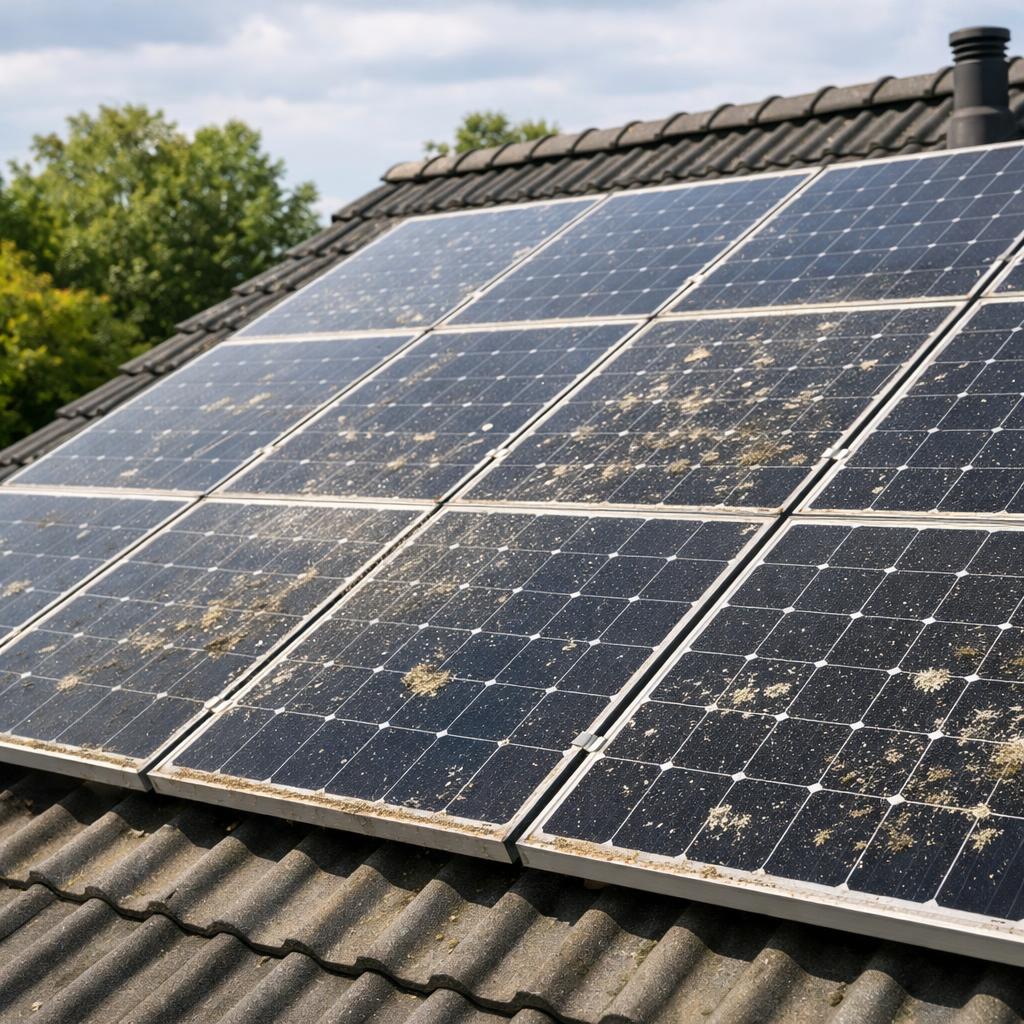
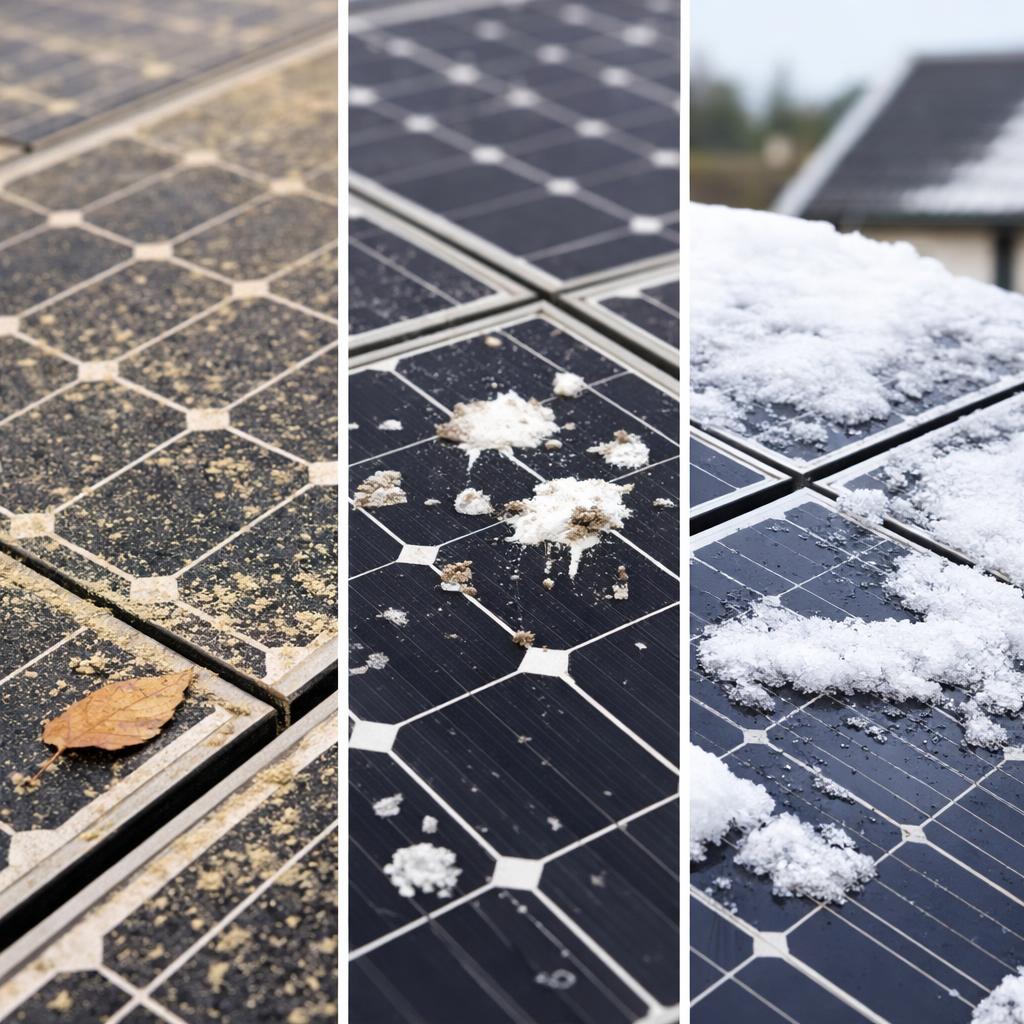
In many cases, rain simply washes dust and light dirt from the panels. However, there are circumstances in which cleaning solar panels may be necessary. You especially see this after longer droughts, in neighborhoods with a lot of traffic, in homes next to agricultural land or in places where there are many trees around the house. Bird droppings, leaves and sticky dirt sometimes also remain there longer than you think. In coastal areas or regions with a lot of fine dust, a gray layer can also build up more quickly.
Signs of contamination, reduced yield and permanent deposits
Look for clear signals. Visible stains, built-up dirt around the edges, white or gray deposits, and panels that appear unevenly soiled are good clues. In addition, look at performance over several weeks or months, not at one bad day. A lower yield can also be caused by shade, wear or a technical problem. Therefore, do not clean automatically, but only if you see visible contamination and reasonably expect that cleaning will make a difference.
Cleaning solar panels without unnecessary risk
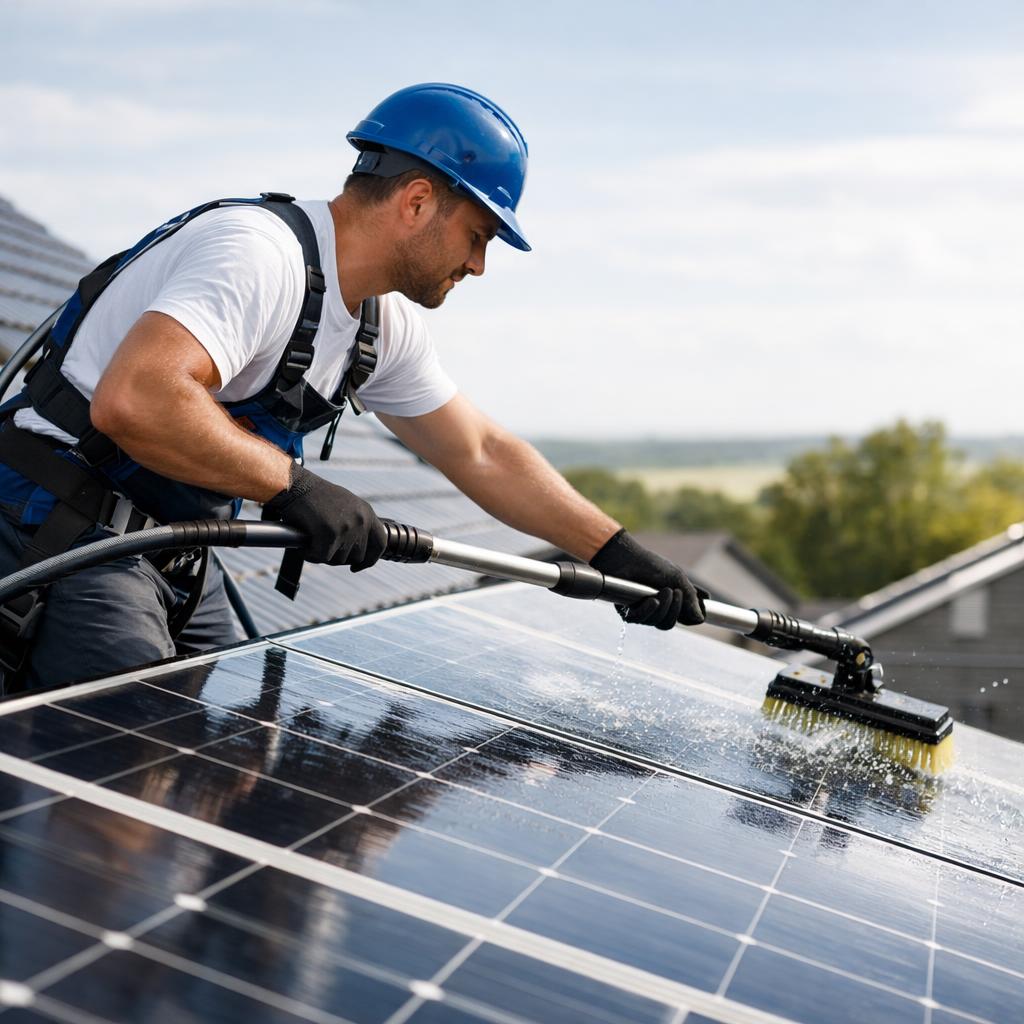
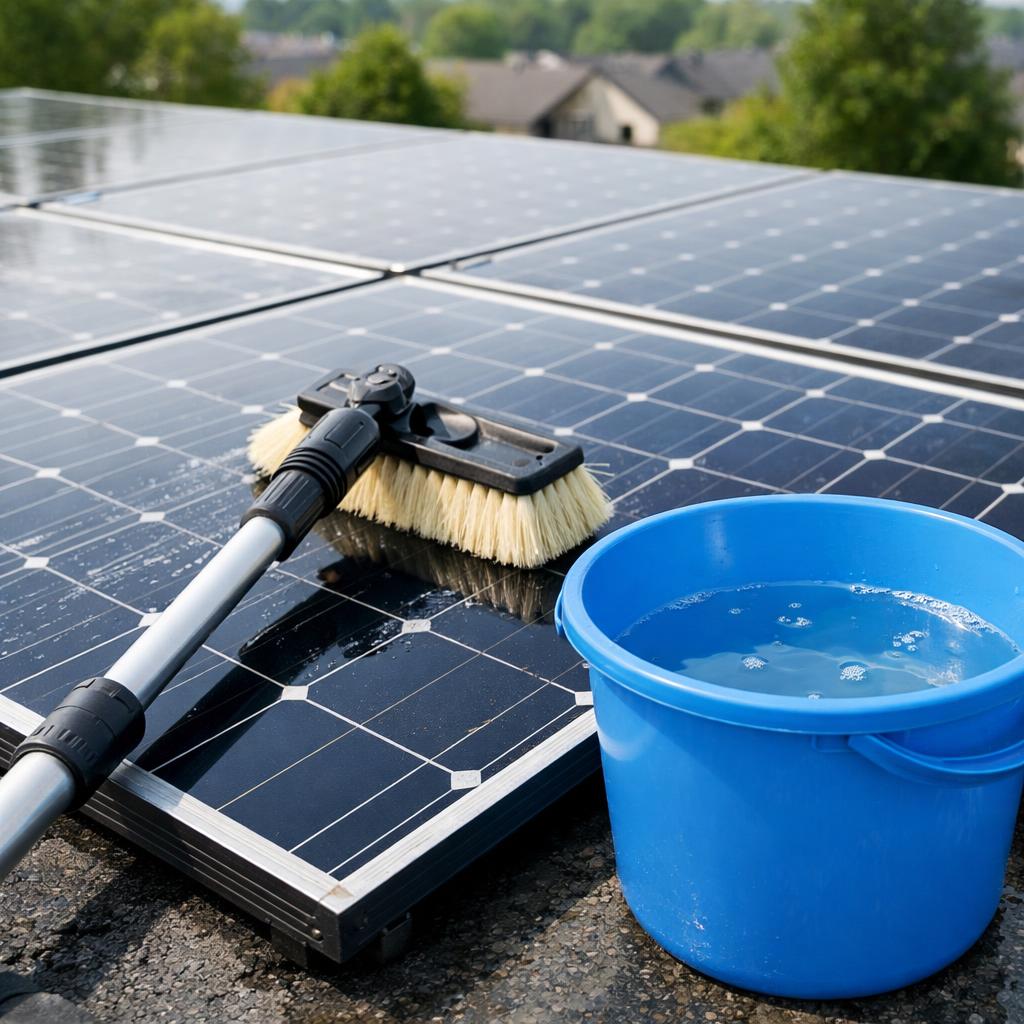
Cleaning solar panels yourself starts with an honest question: can you reach the panels without dangerous antics on the roof? If not, stop immediately and seek help. If you can work safely, preferably do it from the ground with a soft brush on a telescopic handle. Use lukewarm water and apply little pressure. Clean at a cool time of the day, such as early in the morning or later in the evening, so that large temperature differences are avoided. Work gently from top to bottom and rinse away dirt instead of scrubbing.
Which substances are suitable and which ones should be avoided
If you want to clean solar panels without streaks or damage, it is best to keep it simple. Suitable are lukewarm water, a soft sponge, a soft brush and possibly a clean squeegee if you can use it safely without pressing hard. Avoid abrasive cloths, hard brushes, aggressive cleaning agents and high-pressure cleaners. These can damage the surface, edges or seals. Tap water is often usable, but in areas with hard water, traces of limescale may remain. Never use hot water on warm panels and never stand or walk on the panels.
When a specialist is usually the smartest choice
Sometimes doing it yourself is simply not the best solution. This applies to high or steep roofs, difficult to reach panels, stubborn deposits or doubts about the correct working method. A professional costs more, but often reduces the risk of falls, scratches and damage to cabling or mounting. Always check the manual and warranty conditions of the manufacturer or installer. Some warranties impose maintenance requirements or exclude damage caused by improper cleaning. Anyone who wants to combine cleaning with checking the system can also look at planning maintenance for solar panels.
Conclusion
Cleaning solar panels is especially useful if there is clear contamination visible or if dirt accumulation is likely to be associated with a lower yield. For many installations, rain already does a large part of the work, but bird droppings, leaves, dust and deposits can be an exception. If you clean yourself, you do so with soft materials, lukewarm water and as little pressure as possible. This reduces the risk of streaks and damage.
If you have any doubts about height, accessibility or warranty, outsourcing is usually the safest choice. Ultimately, cleaning solar panels is not about cleaning as often as possible, but about acting wisely at the right time. First take a good look at the conditions around your home, assess the type of contamination and then decide whether you can do it safely yourself or whether it is better to call in a specialist.
Frequently asked questions
How often should you clean solar panels?
There is no fixed schedule for this. In many situations, checking seasonally is sufficient and cleaning is only necessary if there is visible contamination or stubborn deposits. Homes near busy roads, many trees or dry, dusty areas usually require more frequent inspections.
Can you clean solar panels with tap water?
Yes, usually. This is often sufficient, especially for light pollution. Please note that tap water in some areas contains lime, which can cause streaks or residue. Therefore, work with clean, lukewarm water and a soft brush and, if necessary, dry carefully without putting too much pressure on the surface.
Is cleaning yourself dangerous on a sloping roof?
Yes, that can be dangerous. A sloping, high or smooth roof significantly increases the risk of slipping and falling. If you cannot reach the panels safely from the ground or from a stable workplace, a specialist is usually the wisest choice.
Can you cause damage with the wrong means?
Yes. Abrasive materials, strong cleaning agents and high-pressure cleaners can cause scratches, wear or damage to edges and seals. Therefore, always check the manufacturer's or installer's guidelines, because maintenance advice and warranty conditions may differ per system.