Installing solar panels yourself sounds attractive if you want to save on installation costs and are handy with odd jobs. Yet it is no ordinary DIY job. You work at height, drill into or on the roof and have to deal with electrical parts that need to be installed accurately. Anyone looking to install solar panels themselves usually wants to know whether it is feasible, what steps are involved and at what time a professional is the wisest choice.
For many homeowners it is smart to first check whether your roof is suitable. Pay attention to the condition of the roof covering, the angle of inclination, shade provided by trees or surrounding buildings and the free space around chimneys, windows or dormers. Installing solar panels yourself is especially feasible if your roof is easily accessible, you can work safely and you are clear in advance which rules, warranty conditions and insurance points apply to your home.
When installing solar panels yourself is a wise choice
Installing solar panels yourself is especially suitable for people who already have experience with precise installation work, working safely on a ladder or scaffolding and following technical instructions. You can save on labor costs, but those savings quickly disappear if panels are crooked, roof tiles are damaged or cables are installed incorrectly. That is why it is important to take an honest look in advance at your own knowledge of roofing, tools and safety.
The situation on the roof also plays a major role. A simple system on an easily accessible sloping roof is much clearer than a roof with multiple angles, height differences or parts with shade. When considering whether to install solar panels yourself, it is not only about costs, but also about time, risk and responsibility. If you have any doubts about the supporting structure, the watertightness or the electrical connection, partial outsourcing is often the safer route.
Conditions on the roof and in the meter cupboard
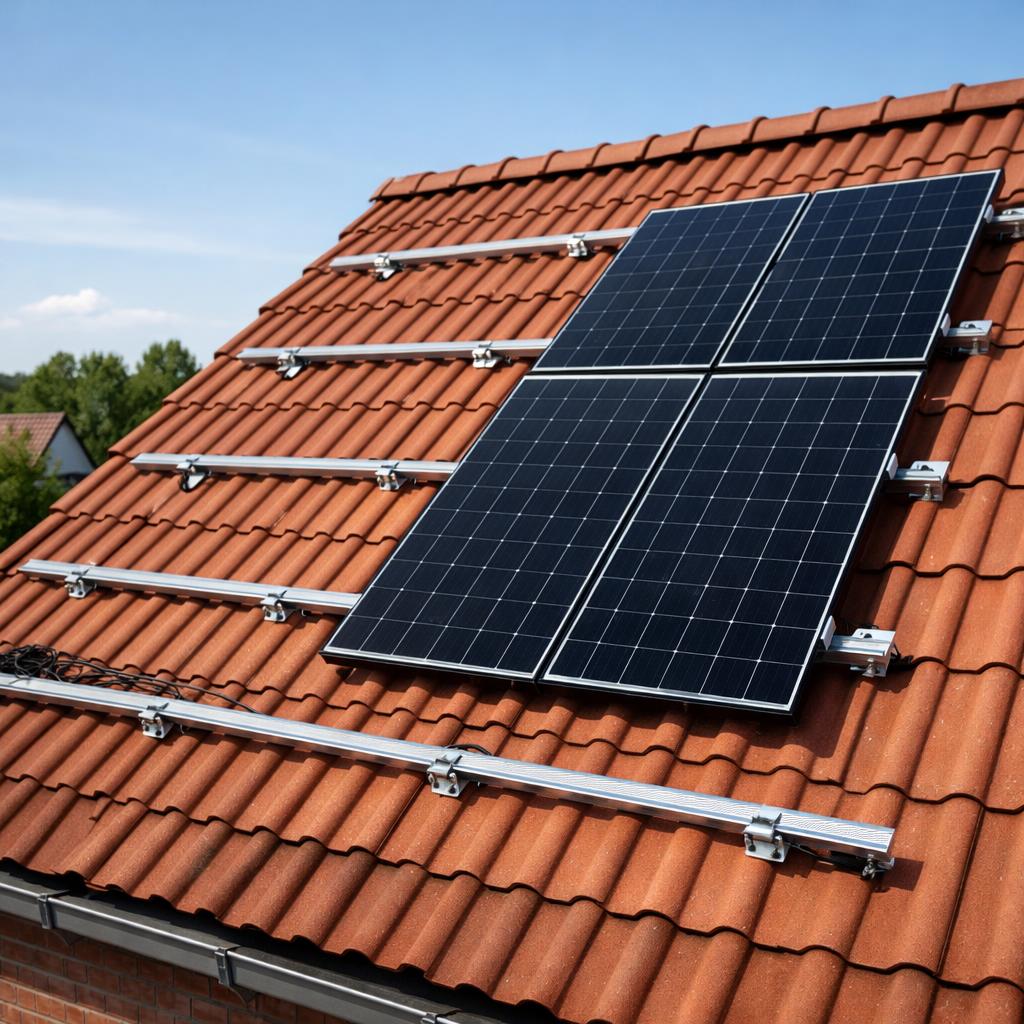
Before you start, the roof must be in good technical condition. Check the age of the roof covering, the strength of the underlying structure and the way in which the mounting parts are attached. On tiled roofs, roof hooks must fit exactly on load-bearing parts, without roof tiles becoming stuck or under tension. If the roof is outdated or vulnerable, repair is often necessary before installing panels.
Everything in the meter cupboard must also be suitable for expansion. There must be sufficient space for a safe connection and the existing installation must match the capacity of the system. This is where problems often arise that you do not immediately see. Therefore, have at least the electrical part checked if you do the installation yourself. This is also wise if you later receive questions about warranty, inspection or insurance.
Installing solar panels yourself step by step
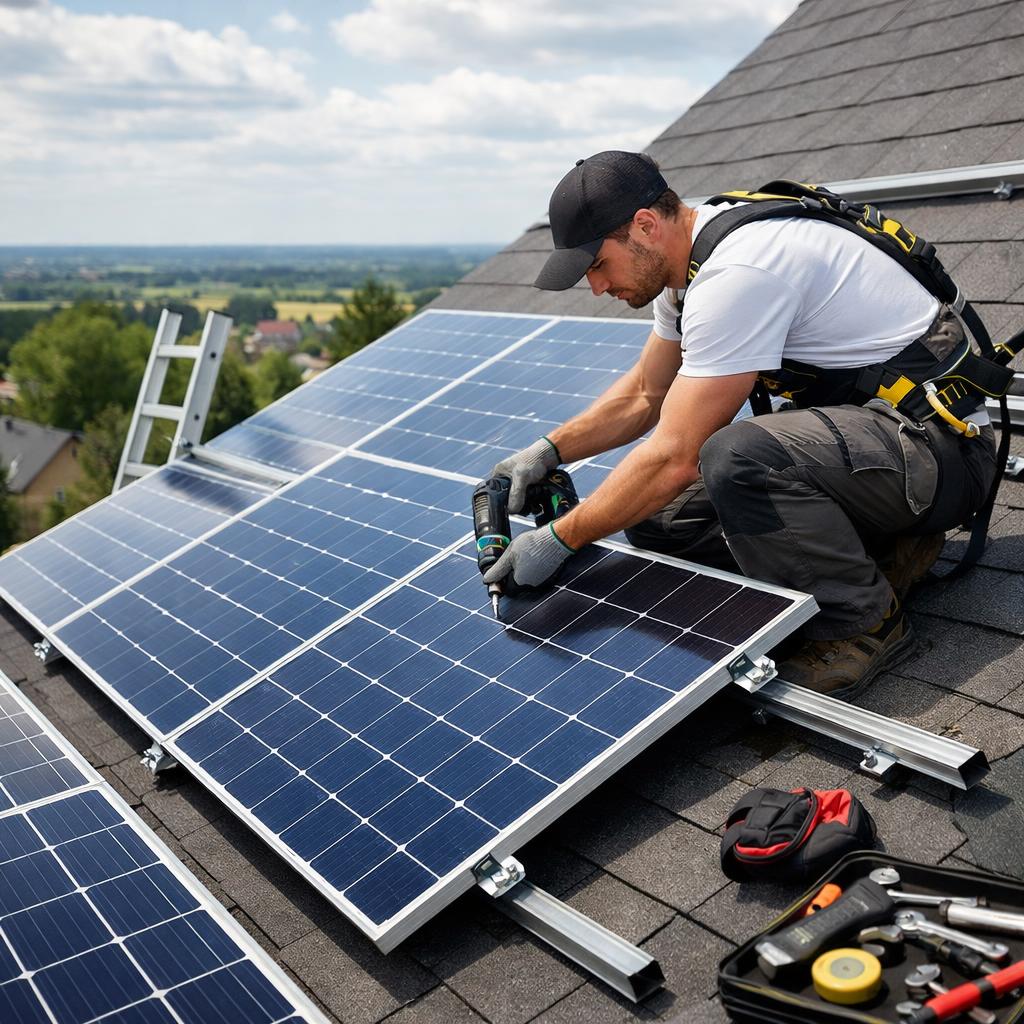
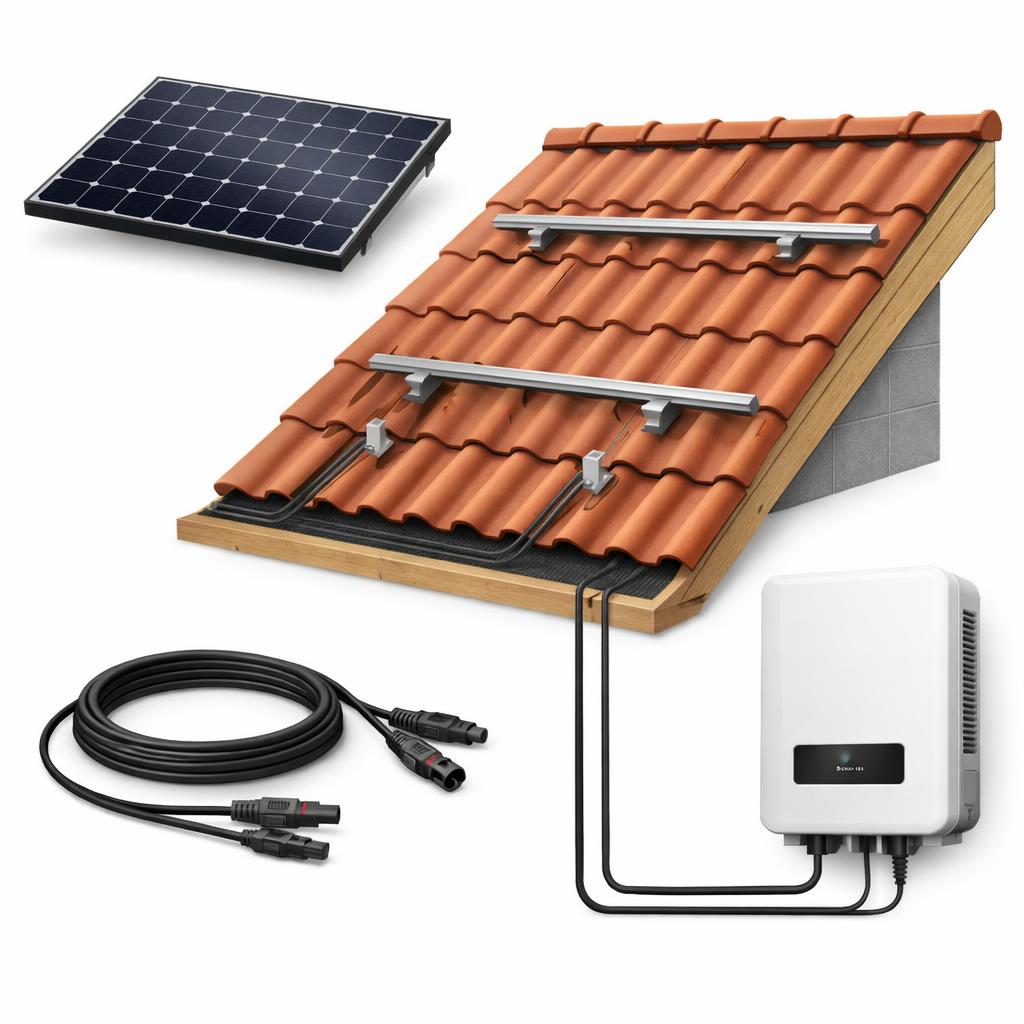
A useful step-by-step plan for installing solar panels yourself starts with measuring, planning and collecting. Determine how many panels fit on the roof, make a clear installation plan and choose a logical route for the cables to the inverter. Then place the roof hooks or roof brackets and mount the rails straight and securely. Only when that basis is correct, do you place the panels in place and secure them according to the manufacturer's instructions. Leave room for ventilation, maintenance and a neat finish.
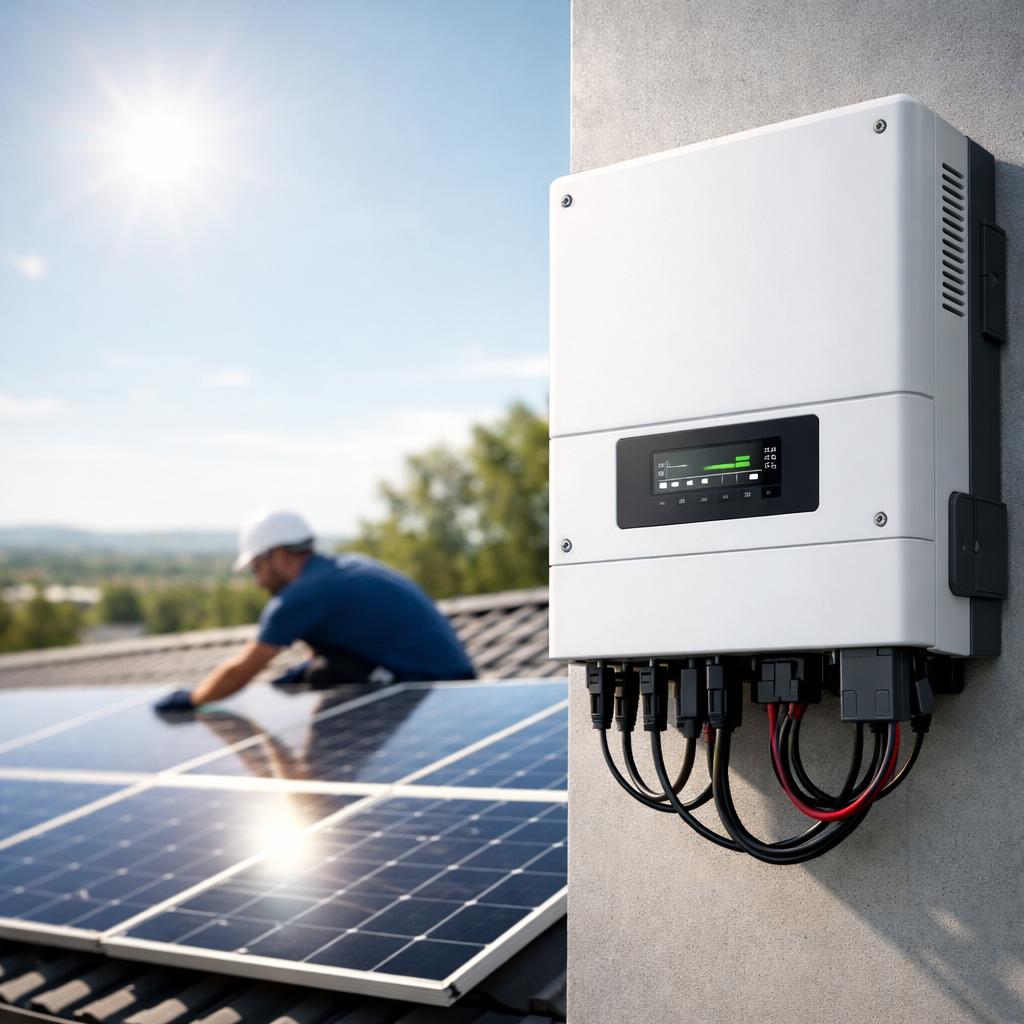
This is followed by the cabling and the location of the inverter. Work carefully, protect cables from chafing and pay attention to heat, moisture and safe penetrations through the roof. If you want to know more about this part, you can read more about inverters and connections. When installing solar panels yourself, it is wise to check after each step that everything is straight, properly secured and not under tension. This way you prevent minor carelessness from leading to leakage, loose parts or malfunctions later.
Carry out installation, cabling and connection safely
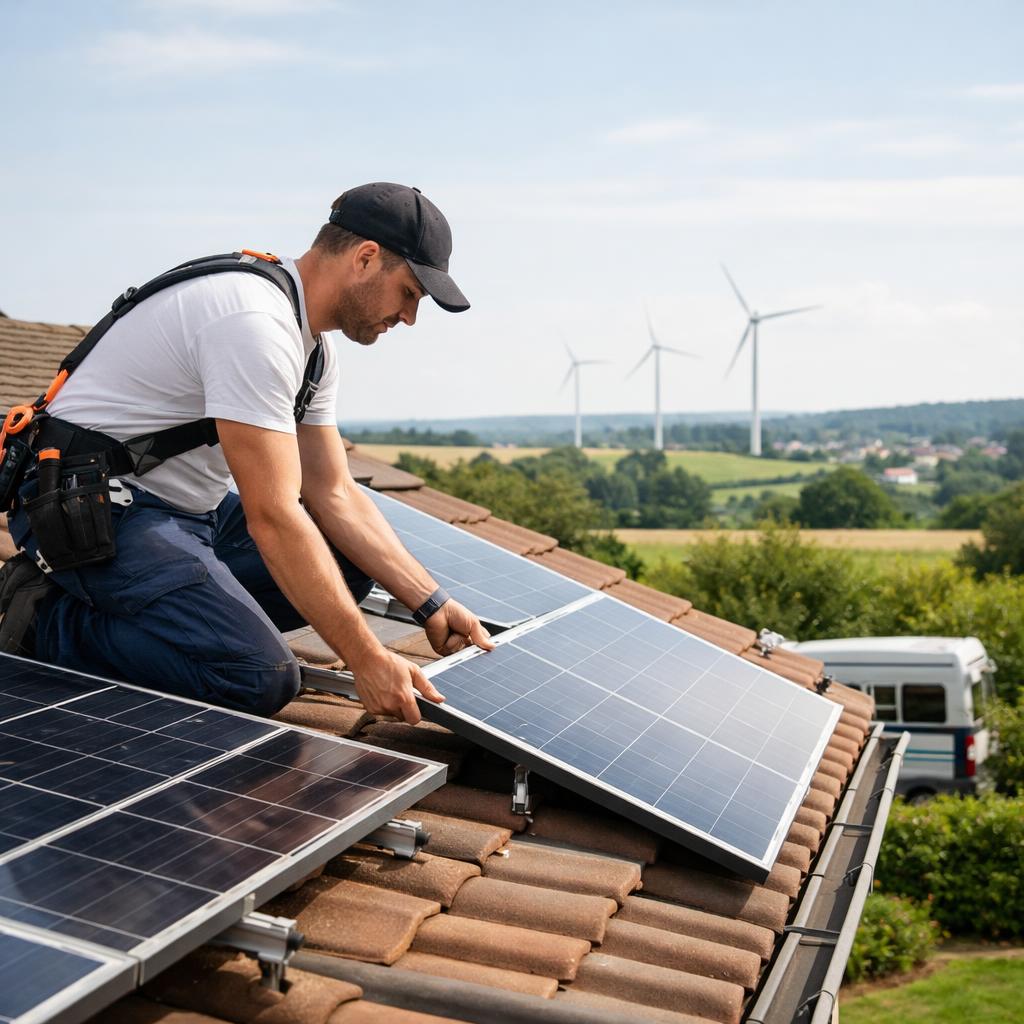
Working safely starts with stable fall protection, dry weather and help from someone on the ground or on the roof. Do not lift panels alone if it feels unsafe and place tools so that nothing can shift or fall. During installation, you must avoid damaging the roof covering or putting pressure on vulnerable mounting points. A sleek and well-aligned system not only looks neater, but also limits wind movement and reduces wear.
Extra care is required when cabling and connecting. Solar panels supply voltage as soon as light falls on them, so errors can be dangerous. Therefore, only use parts that fit together properly and follow the manufacturer's instructions carefully. In many cases it is wise to have the final electrical connection, inspection and commissioning carried out by a certified professional. This provides more certainty about safety, operation and handling in the event of damage or malfunction.
Costs, risks and when outsourcing is better suited
The costs of installing solar panels yourself often seem lower than full outsourcing, because you do not pay full labor costs. However, there are more costs involved than many people think in advance. You not only need panels, rails, mounting materials, inverters and cabling, but often also safety equipment, special tools or scaffolding rental. Sometimes there are additional expenses for roof repairs, an adjustment to the meter cupboard or a final inspection by a professional. Therefore, do not just look at the purchase price, but at the total costs of the entire installation.
Outsourcing is usually wiser if your roof is high, steep or difficult to reach, if you have little experience or if the electrical situation is complicated. This also applies if you attach great importance to a clear warranty on installation and quick assistance in the event of malfunctions. In addition, always check which local rules, warranty conditions and insurance agreements apply. This way you prevent damage, leakage or an unsafe connection from being entirely at your own expense later on.
Check permits, guarantees and insurance points
Not every home falls under the same rules. Sometimes additional requirements apply from the municipality, an owners association or the grid operator. Therefore, check before purchasing which conditions apply to visible panels, adjustments to the roof and the supply of electricity. In addition, keep photos, manuals, quotes and invoices in a safe place. This makes it easier to demonstrate later how the system has been installed and which parts have been used.
Warranty also requires attention. Manufacturer's warranty on panels or an inverter is different from warranty on installation work and waterproofing of the roof. Some insurers also impose conditions on installations that you have carried out yourself. Therefore, ask in advance how damage due to storm, fire, leakage or short circuit will be assessed. If the conditions are unclear, professional installation or at least a final inspection is often the safest middle ground.
Conclusion
Installing solar panels yourself can be a good choice if your roof is suitable, you can work safely at height and you know where the technical risks are. The mounting on the roof and the electrical connection in particular require precision and preparation. Anyone who wants to save would be wise not only to look at the possible profit, but also at time, safety risks and the consequences of errors.
For a simple system on an easily accessible roof, installing solar panels yourself may be feasible, especially if you carry out the installation work yourself and have the final inspection carried out by a professional. If you have any doubts about the construction, cabling, rules or insurance, outsourcing is usually the safest and often the most certain solution in the long term.
Frequently asked questions
Can you install solar panels yourself without experience?
Without experience, this is usually not wise. Small errors in mounting, waterproofing or cabling can cause major damage later. If you have little knowledge of roofing or electrical safety, then by all means ask for help for inspection and connection.
What does it cost to install solar panels yourself?
This depends on the number of panels, the type of inverter, the mounting system and additional costs such as scaffolding rental or adjustment of the meter cupboard. The material costs remain largely the same, but you can save on labor. Always include safety equipment and a subsequent check in your calculation.
How long does it take to install solar panels yourself on average?
A small system can often be installed in one or two days, but preparation, measuring and checking take extra time. With a difficult roof or little experience, the duration increases quickly. Haste makes this work less safe and increases the chance of mistakes.
When is a professional really needed?
A professional is strongly recommended if you have a steep or high roof, an older roof construction, doubts about the meter cupboard or uncertainty about rules and insurance. Expert help is often the wisest choice, especially for the final electrical connection and final inspection.