The short answer to the question how many solar panels can be installed on 1 group is: it depends on the power of the inverter, the value of the group fuse, the method of connection and the space in the meter cupboard. There is therefore no safe, fixed number of panels that are correct in every home. In practice, it is less about the number of panels on the roof and more about how much power the inverter can supply to that group at the same time.
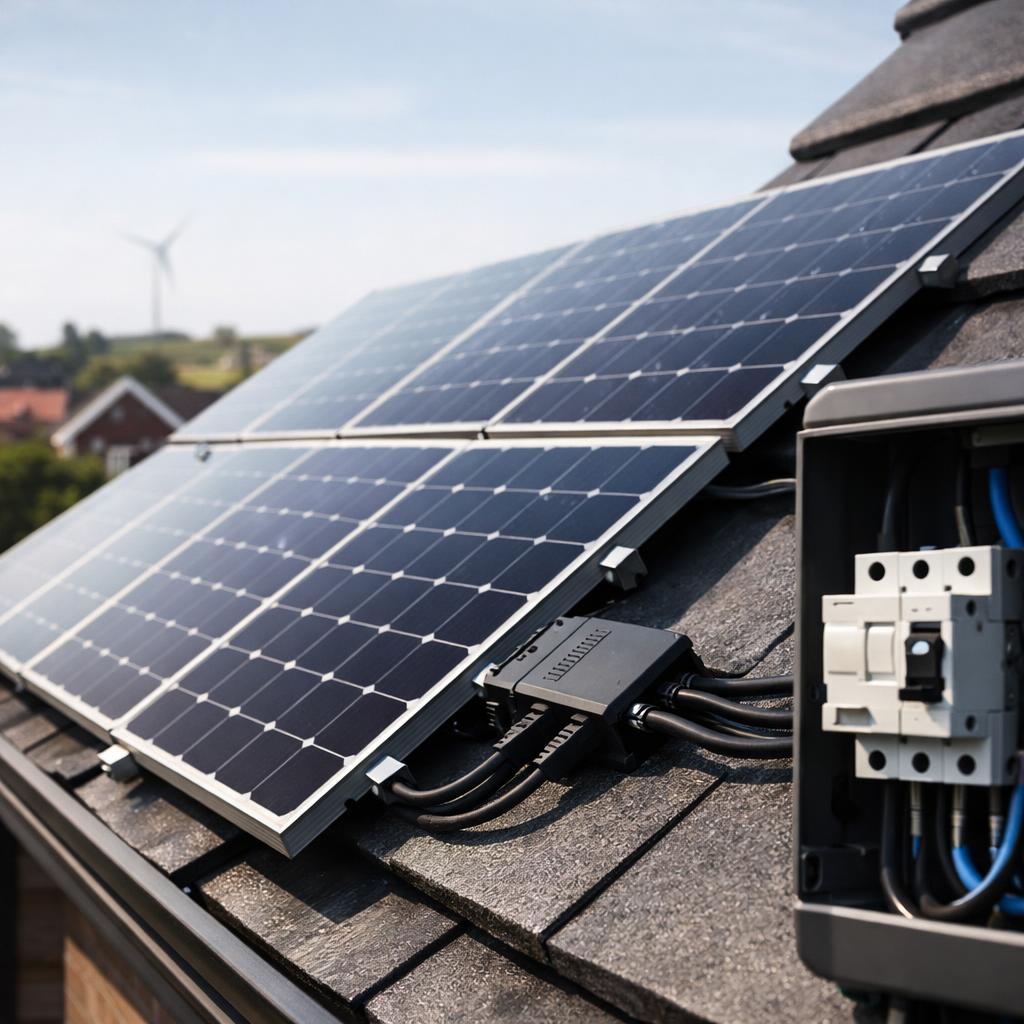
Anyone who wants a quick, useful answer should therefore first look at the technical limit of the group and only then at the number of panels. This also ties in with the question of what exactly a group does in the meter cupboard. This prevents you from paying attention only to panel numbers, while fuse, cabling and inverter power determine whether an existing group is suitable or whether a separate solution is more sensible.
A practical rule of thumb is therefore: calculate from the inverter and the group, not from individual panels. This will give you a quicker, safe and realistic picture of what suits your situation.
Short answer: how many solar panels can fit on 1 group?
If someone asks how many solar panels are allowed on 1 group, the most useful answer is: as many as fits within the safe electrical limit of that group, with attention to continuous load, inverter power and local regulations. Two homes with the same number of panels can still have a different outcome, because the output power of the inverter and the method of connection differ.
Why the answer depends on inverter, group and fuse
The group and the fuse determine how much current an end group can safely handle. The inverter determines how much power from the solar panels actually goes into the installation. That is why the question how many watts of solar panels on 1 group is often more useful than just counting how many panels there are. Panels do not always deliver exactly their top value, but the inverter does have a clearly specified output power.
The safest approach is therefore to always assess the group and inverter together. Calling a loose maximum without looking at the installation is too simple. The design of the home, the existing load and the applicable rules make a difference per situation.
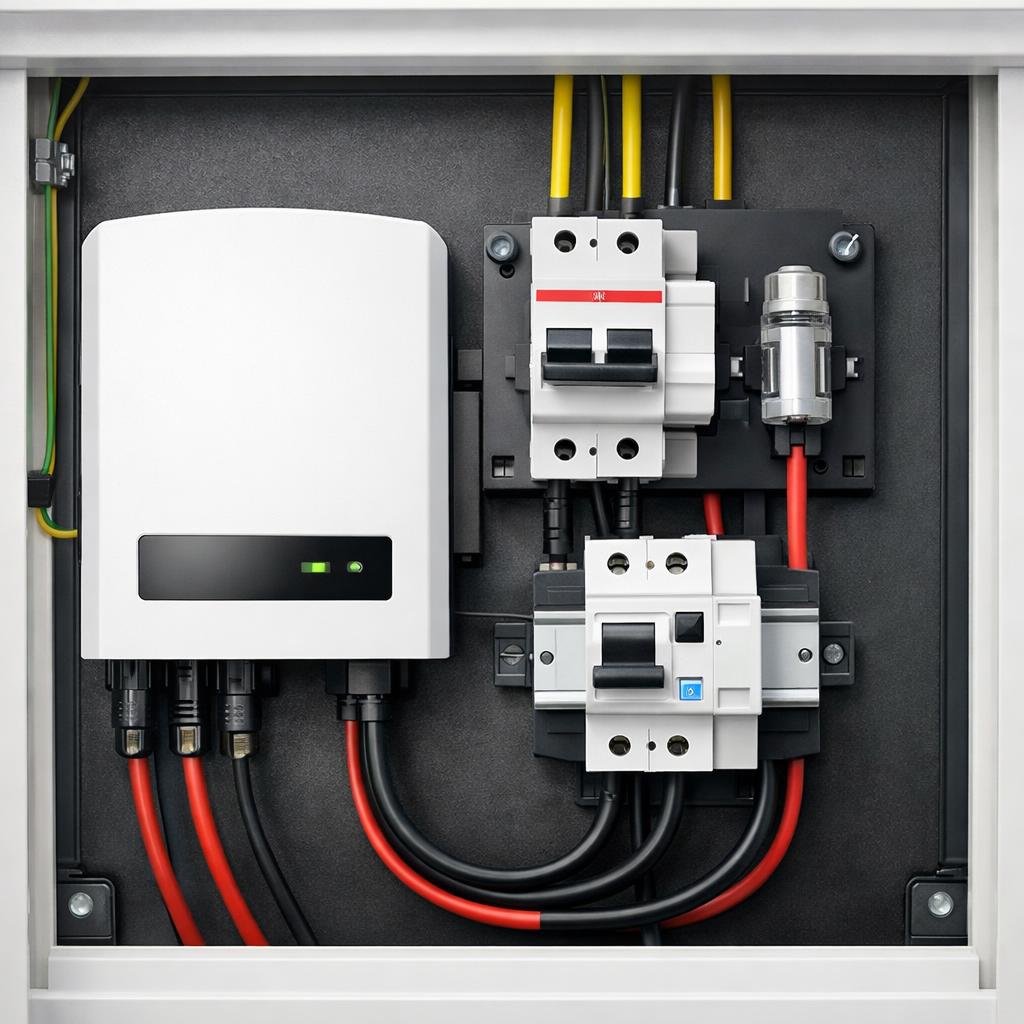
Which factors determine the safe limit per group?
The safe limit is determined by several components at the same time. Consider the nominal value of the group, the protection, the cable cross-section, the earth leakage distribution, the type of inverter and whether that group already supplies other heavier consumers. The space in the meter cupboard also counts. An installation may technically fit just fine, but be inconvenient in practice if subsequent expansion becomes difficult or the cabinet is almost full.
Power, continuous load and space in the meter cupboard
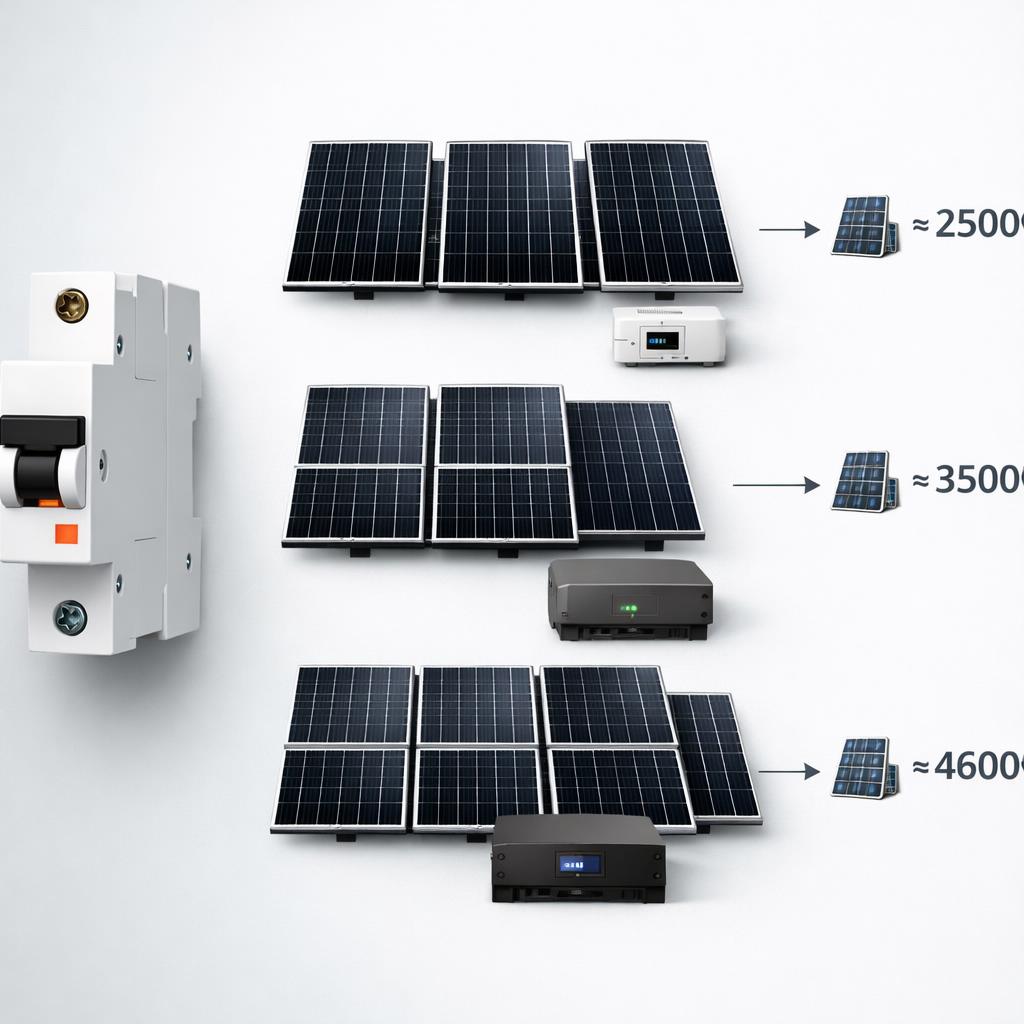
For many homeowners, this is the most convenient way of looking at it: put the output power of the inverter next to the value of the group fuse and take into account a safe margin and continuous load. Then check whether that group already controls other devices and whether that can change later. This is extra important if you expect to expand, for example with additional panels or another inverter.
A small installation can sometimes fit into an existing group, while an expansion requires a separate solution. That is why solar panels in a separate group or not is not a simple yes-or-no question, but a trade-off between tax, feed-in and cupboard space. If you want to assess this properly, first list these points:
When is an extra group or adjustment smarter?
An additional group or adjustment is often smarter when the existing group becomes tight, already supplies multiple devices or when you expect to expand later. Even when in doubt, a broader design is often more practical than a solution that is right on the border. Especially if you want to build up the installation in steps, it is wise to check in advance when an inverter or extra group is needed, so that you do not have to renovate again later.
Practical situations: small installation, expansion and doubts
For a small installation, an existing group can sometimes be sufficient, as long as power, security and connection method allow this. This will change quickly with expansion, because additional panels and a heavier inverter reduce the available margin. In cases of doubt, it is therefore wiser to ask not only when an additional group is needed for solar panels, but also whether the current design remains logical if your consumption or generation changes later.
A useful sequence is simple: first compare the inverter power, the group fuse, the free space in the meter cupboard and your expansion plans. Then check the product specifications and installation conditions. That is exactly why such a comparison is worthwhile for your situation: you can see more quickly whether an existing group really fits, or whether an additional group provides more space, simplicity and future-proofness. This way you avoid a solution that is too tight and you make a choice that not only works now, but also makes sense later.
Conclusion
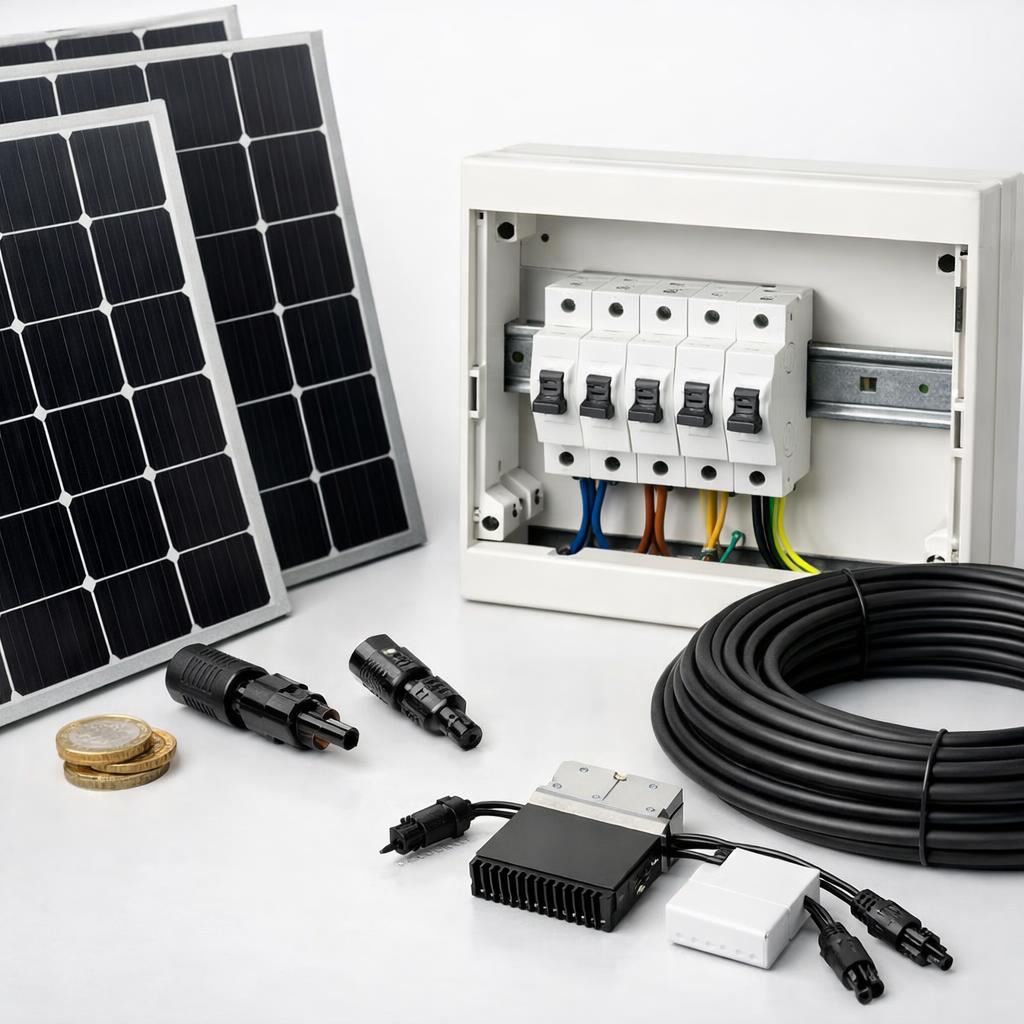
To the question of how many solar panels can be installed on 1 group, the most honest answer is: it depends on the technical limit of the group, the power of the inverter, the fuse, the space in the meter cupboard and the chosen installation design. It is therefore not wise to mention a fixed number of panels without conditions. Anyone who only looks at panel numbers misses the parts that are most important for security and expandability.
The best next step is to compare the inverter capacity, the group fuse, the free space in the meter cupboard, the existing load and your expansion plans for your home. Then compare the product specifications, check the installation conditions and see whether an existing group has sufficient margin or whether an additional group makes more sense. This way you make a choice that is practical, safe and appropriate for now and later.
Frequently asked questions
Do solar panels always need a separate group?
No, not always. Whether a separate group is needed depends on the electrical design, the inverter power, the group fuse, the existing load and local regulations. For a small installation, an existing group may sometimes suffice, but for higher loads or plans for expansion, a separate group often makes more sense.
How do you calculate how much power is allowed on 1 group?
You start with the value of the group and the protection and compare it with the output power of the inverter. Then you look at continuous load, other devices on the same group, cabling and installation conditions. So do not only calculate the number of panels, but the power that actually enters the installation via the inverter.
What is more important: number of panels or inverter power?
The power of the inverter is usually more important for the group. The number of panels in itself says little, because panels exist in different asset classes and do not determine how much the group ultimately has to process. Therefore, the inverter is usually the best starting point for the assessment.
Can I add extra solar panels to the same group later?
This is sometimes possible, but only if the group, fuse, inverter and meter cupboard still offer sufficient space for this. It is precisely through extension that doubts often arise. Therefore, check in advance whether the existing design still has enough margin, so that you do not need an extra group or other adjustment afterwards.