Solar panels in the garden are a practical solution for many homeowners if the roof is too small, unfavorably located or gets too much shade. With a smart setup you can also create a neat installation in the garden that generates electricity and suits the space you have. Important points are the location in relation to the sun, the distance to the home, the sturdiness of the construction and the rules that apply locally. If you look carefully at yield, safety and installation in advance, you will avoid unnecessary costs and adjustments afterwards.
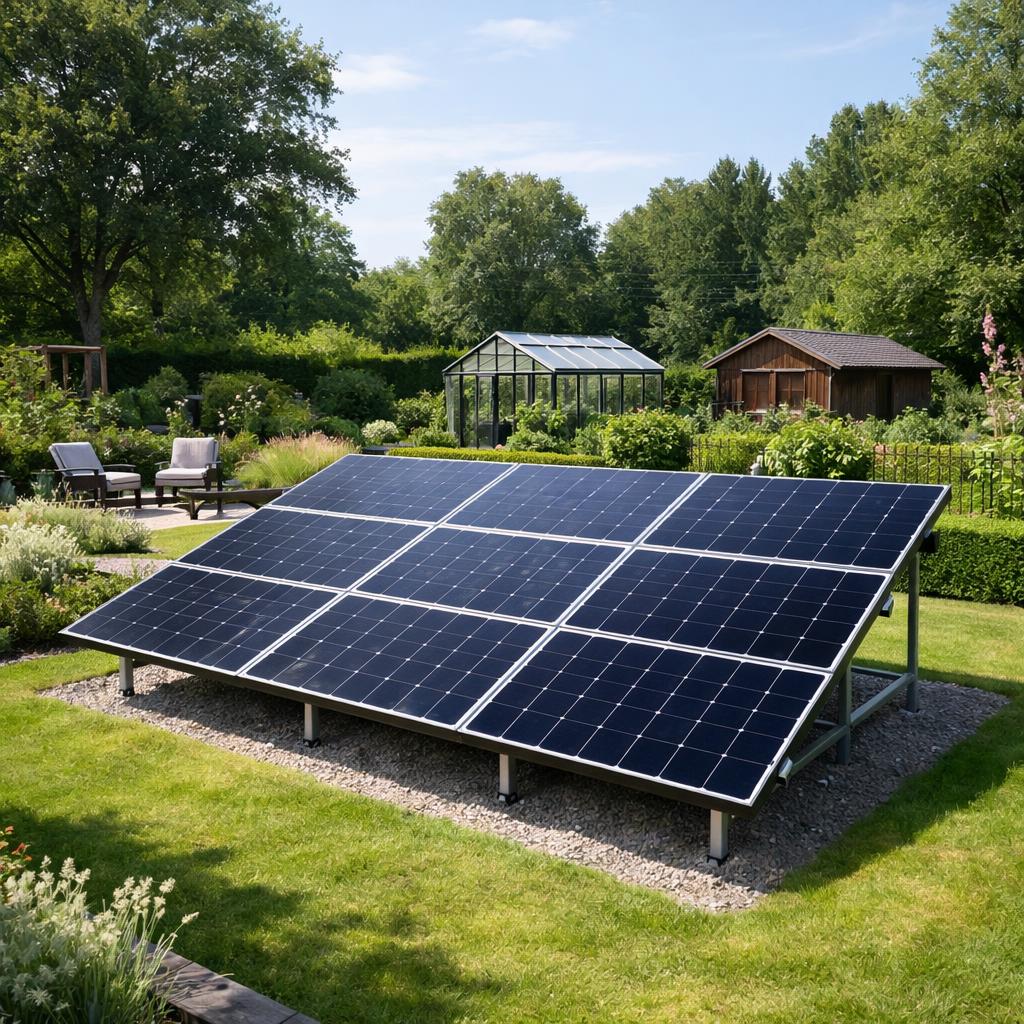
The financial side also plays a role. Read more about the costs of solar panels if you want to compare what the price and payback period of a garden setup can mean. In practice, installing solar panels in the garden is especially interesting if you have an open plot of land with little shade and enough space to place panels at a favorable angle.
Please note in advance that rules, grid connection and safety requirements may differ per municipality or state. Therefore, always check which conditions apply at your address before having a system designed or installed.
What solar panels in the garden mean for your choice
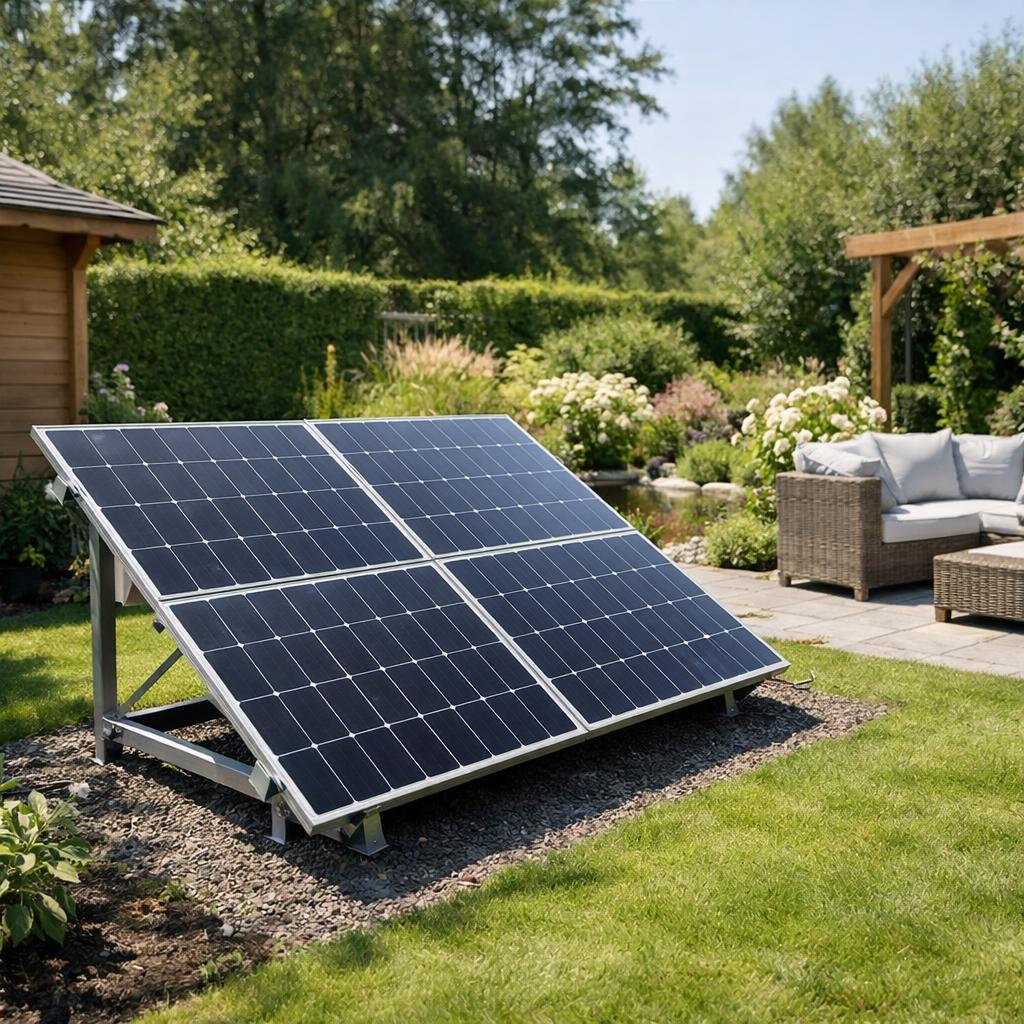
Anyone looking for solar panels in the garden usually wants to know whether such a solution is really feasible. In many cases the answer is yes, but only if the location is technically suitable. Panels in the garden are often placed on a ground construction or a low frame. This usually gives you more freedom in direction and angle of inclination than on a roof. This can be beneficial for yields, especially if your roof faces north or is partly in the shade.
On the other hand, a garden arrangement requires extra attention. Consider the cable route to the meter cupboard, the load-bearing capacity of the soil, the view into the garden and protection against children, pets or bumps during garden work. The best place for solar panels in the garden is usually an open area that receives sun for most of the day, with as little shade as possible from trees, fences or outbuildings. It is not only the available space that counts, but also whether the layout fits logically with how you use the garden.
When a garden arrangement is smarter than a roof arrangement
A setup with solar panels in the garden can be more attractive than installation on the roof if your roof is old, has an awkward shape or needs to be renovated first. The garden can also be a better alternative for dormer windows, limited load-bearing capacity or a home where you want to modify the roof as little as possible. You can then generate your own electricity without major work on the home itself.
An additional advantage is that maintenance is often easier. Panels on the ground are more accessible for inspection and cleaning. At the same time, they are more sensitive to splashing dirt, leaves and shade from plants that grow over the years. Therefore, do not only look at what the garden looks like today, but also at the situation in five or ten years.
What to pay attention to when placing and yielding
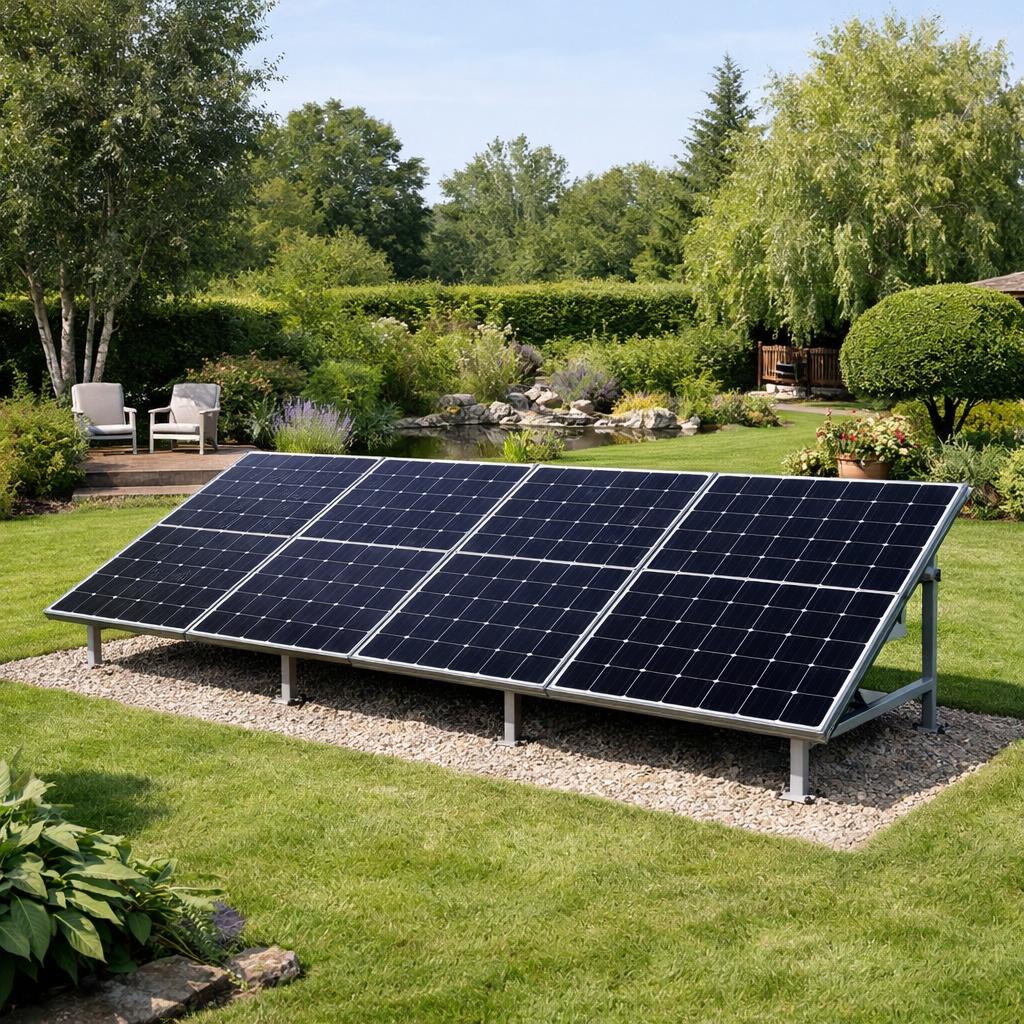
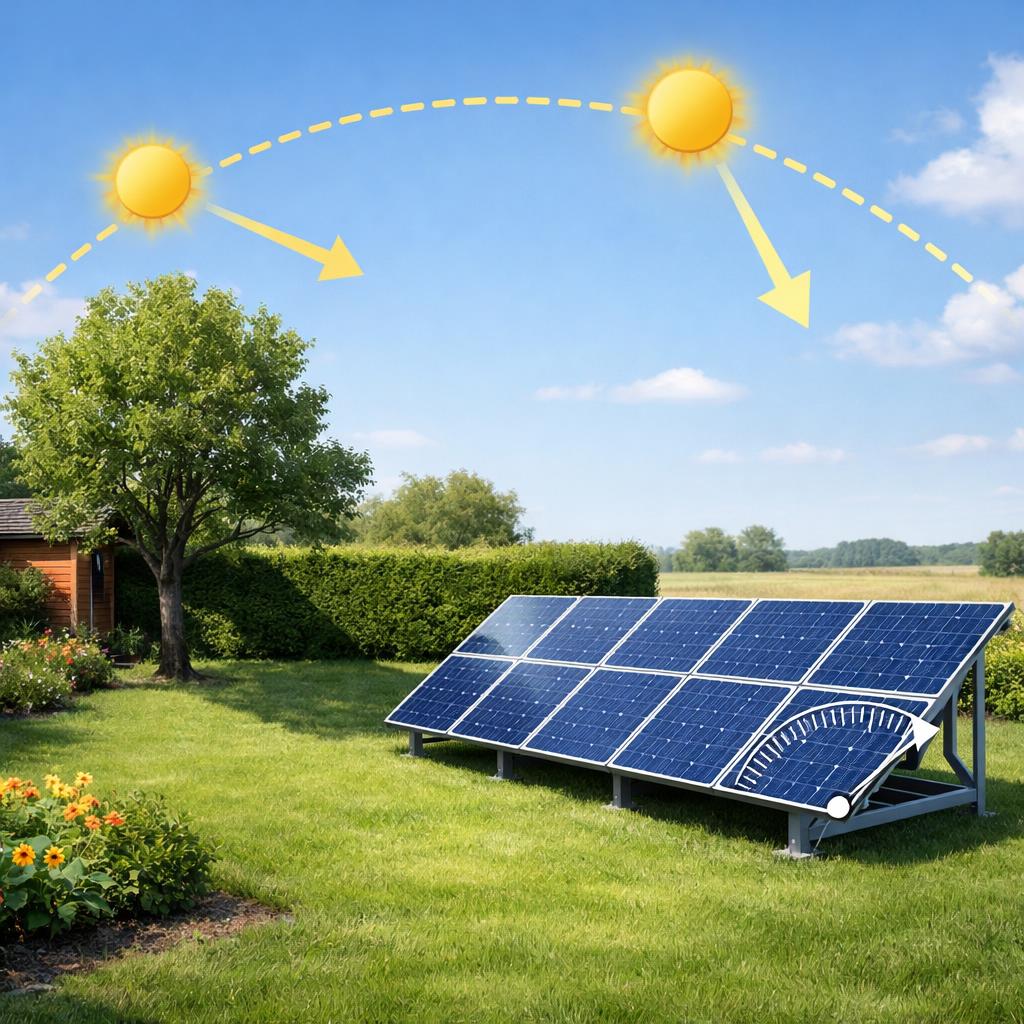
The yield of solar panels in the garden mainly depends on the direction of the sun, angle of inclination, ventilation and shade. A south-facing direction often works well, but southeast and southwest can still produce a good yield. A slight slope helps to make better use of sunlight and to drain rainwater more easily. Because the panels are usually freestanding on a frame, cooling through air flow is often beneficial, which can help with performance on hot days.
When installing solar panels in the garden, shade is often the biggest setback. Even limited shade from trees, fencing or a shed can noticeably reduce yields. Therefore, do not just look at the sun in the middle of the day, but at the course of the entire day. Also pay attention to sufficient distance between rows of panels, so that they do not shade each other. Furthermore, a good setup requires a stable foundation, safe cabling and enough space for maintenance. This prevents the installation from having to be moved or adjusted later.
Practical choices for costs, rules and implementation
In addition to yield, practical feasibility is at least as important. A garden setup often entails additional costs for groundwork, supporting structure and pulling cables to the home. As a result, installation in the garden is not automatically cheaper than installation on the roof. At the same time, freedom in setup can actually be advantageous if you have a favorable and sunny piece of land. Therefore, always compare the total costs and not just the price of the panels themselves.
Also check the rules and permits for installation in advance. A permit for solar panels in a garden is not required everywhere, but this depends on, among other things, height, visibility, distance to the property line, type of construction and local regulations. In addition, pay attention to a safe mains connection, earthing and neat installation of pipes. By considering these points early on, you make a choice that is not only technically sound, but also remains practical and legally sustainable.
Conclusion
Error 500 (Server Error)!!1500.That’s an error.There was an error. Please try again later.That’s all we know.
In short: solar panels in the garden can be a smart solution, provided the place is open and technically suitable. Combine a clear calculation of the yield with checking local regulations, grid connection and safety requirements. This increases the chance of an installation that fits well in the garden and also provides value in the long term.
Frequently asked questions
Are solar panels in the garden less efficient than on the roof?
No, not always. A garden setup can even be beneficial if the panels can be better oriented towards the sun and are less affected by an unfavorable roof angle. However, you should pay extra attention to the shade of trees, fences and outbuildings, because they can reduce yields more quickly.
Do I need a permit for solar panels in the garden?
This varies by municipality, state and type of setup. Height, visibility, distance to the property line and the construction used can all be taken into account. Therefore, always check the local rules before you start the installation, so that you are not faced with any surprises later.
What is the best place for solar panels in the garden?
The best place for solar panels in the garden is usually an open area with lots of direct sun and little shade during the day. Preferably choose a place with sufficient distance from tall trees and with a logical route for safe cabling to the home. Also pay attention to future maintenance and how the setup fits in with the use of your garden.