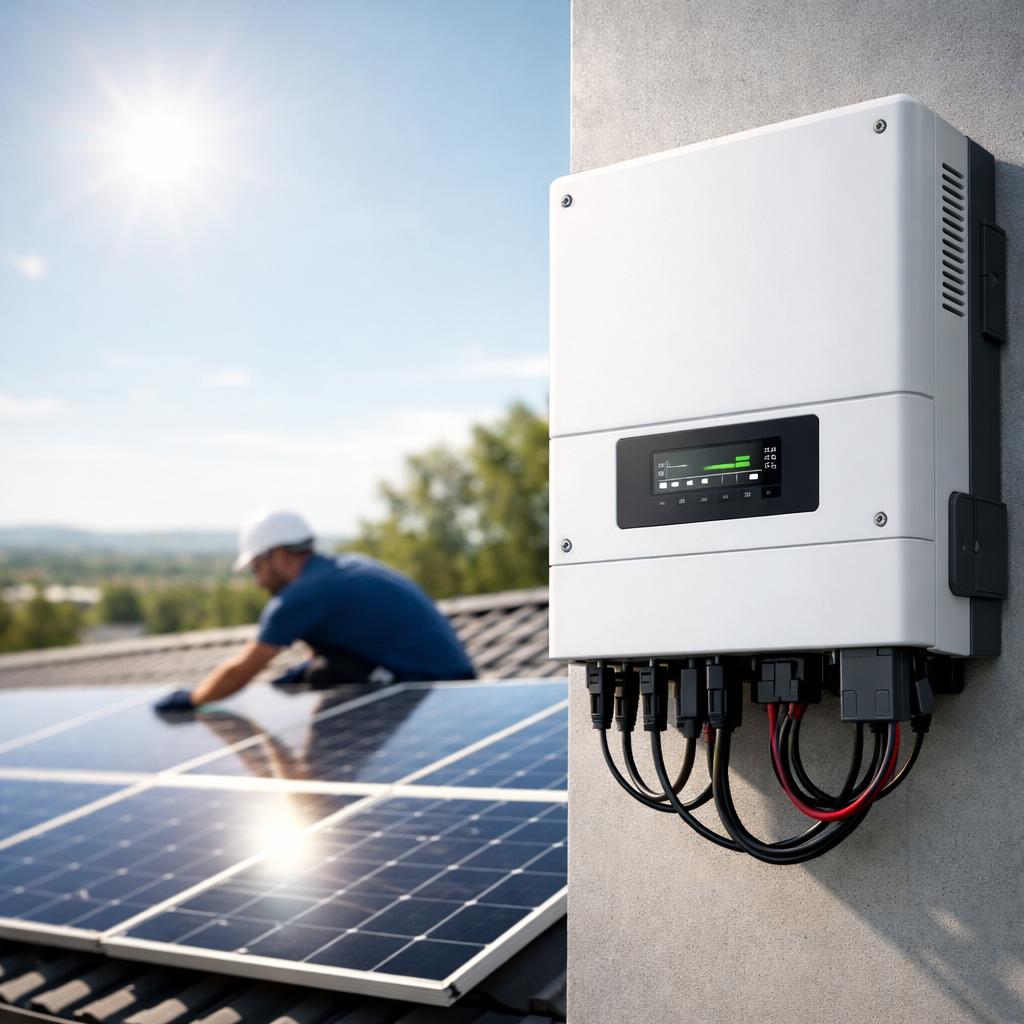
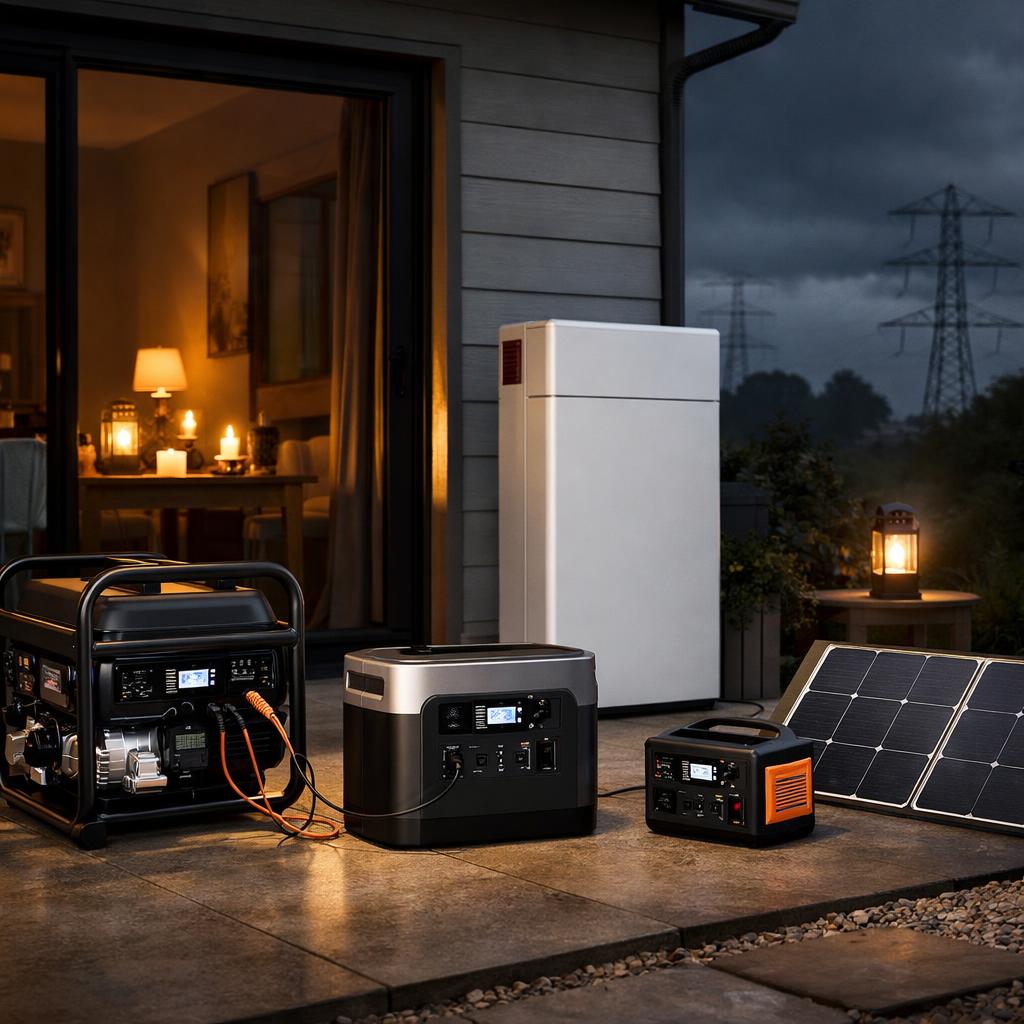
Short answer: Which home battery you need depends mainly on four points: your daily electricity consumption, the power of devices that are on at the same time, whether you want emergency power and whether you have solar panels. For many households, not only the storage capacity is important, but also the usable power, the actual use in the event of a power outage and the possibility of expanding later.
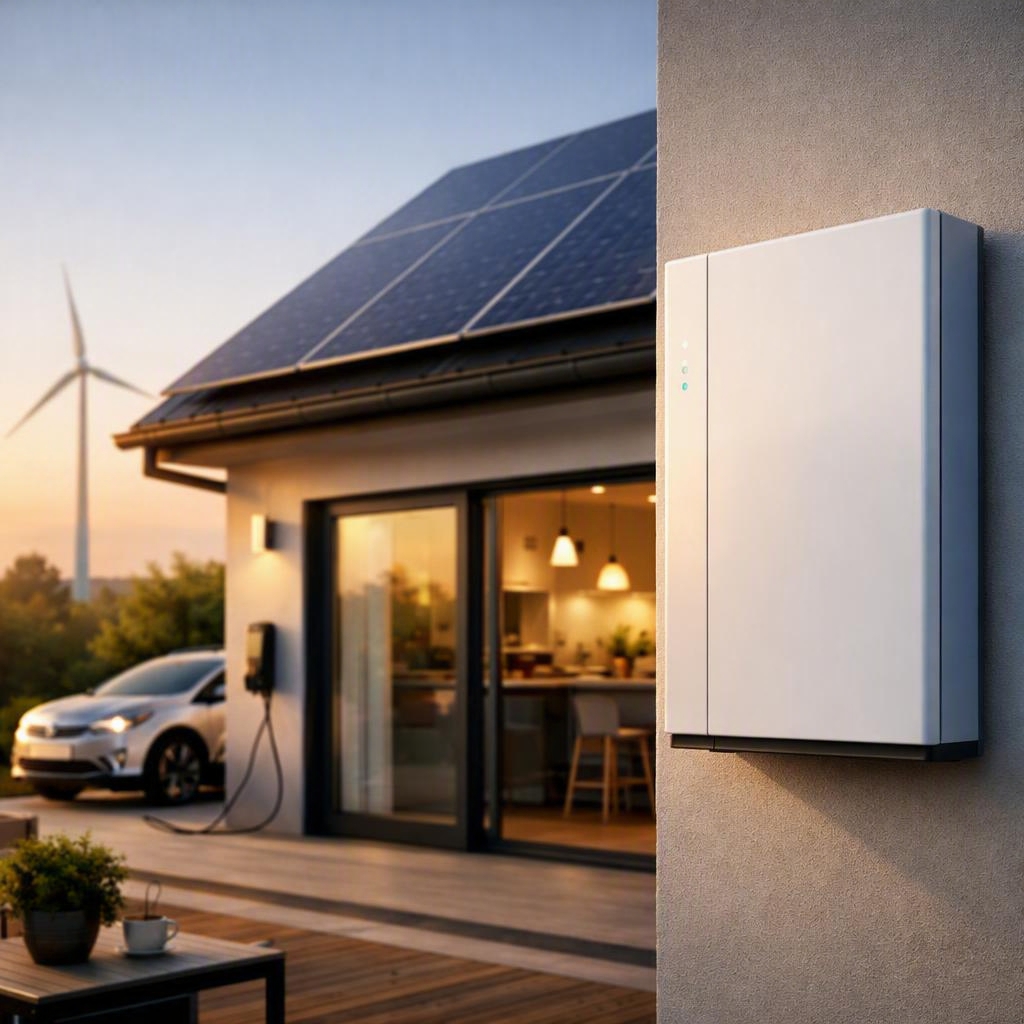
The fastest way to choose is simple: look at your average evening and night consumption, determine which devices should continue to work in the event of a power outage and then compare usable capacity, continuous power, warranty, installation requirements and official product specifications. This way you avoid choosing a home battery that is too small or unnecessarily large. If you want to determine more clearly which home battery I need, it helps to first calculate your power consumption at home.
Which home battery suits your consumption and your goals?
A home battery is especially useful if you first have a clear goal. The best choice is therefore not automatically the largest battery, but the system that suits your use. This usually involves three situations: using more of your own solar power, allowing part of the home to continue operating in the event of a power outage or absorbing peaks in your consumption. Therefore, choose first based on purpose and only then based on capacity and power. In many cases, a smaller system that can be expanded later is wiser than immediately installing a large system. If you want to weigh storage against direct consumption of solar power, see also comparing solar panels and home storage.
Suitable for: self-consumption, emergency power or peak load
A home battery is often a good fit for households that generate solar power during the day and want to use that power later. It can also make sense if you want to keep important appliances running during an outage, such as a refrigerator, lighting, internet, some sockets or a heating control. Furthermore, storage can help if your consumption has short peaks and you want to get more control over this.
Less suitable is a large system with low evening consumption, limited installation space or an electrical installation that first needs to be adjusted. Also pay attention to a common mistake: a battery can store a lot of energy on paper, but in practice it does not provide enough power for multiple devices at the same time. Therefore, always check your consumption profile, available mounting space, ventilation, group layout, mains connection and local rules before making a choice.
How do you calculate the correct capacity and power?
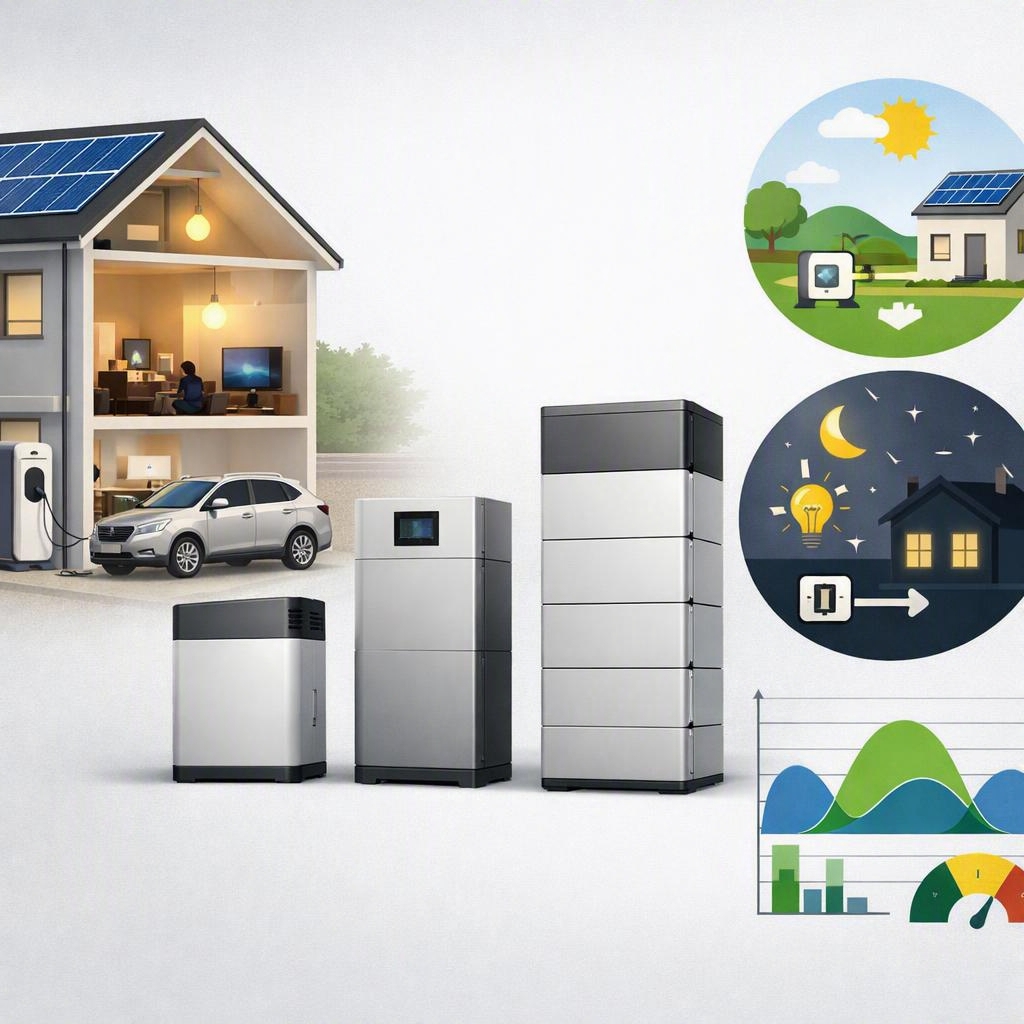
Start with the number of kilowatt hours you use during the hours you want to draw power from the battery. If you use approximately 8 kilowatt hours together in the evening and night, then a usable capacity in that area is often more obvious than just looking at the total storage on paper. It is precisely the word usable capacity that is important, because not every stored kilowatt hour is fully available in daily use.
If you also want emergency power, the desired operating time counts. If your important appliances together require 1.5 kilowatts and you want to run them for six hours, you will need approximately 9 kilowatt hours of usable energy, without any additional margin for conversion loss and reserve. That is a practical calculation basis, not a fixed outcome. Your actual need depends on the number of devices, their simultaneous use and the way the system is set up.
Check usable capacity, continuous power and expandability
Capacity and power are not the same. A battery can contain a lot of energy, but still provide insufficient continuous power for, for example, a refrigerator, pump, lighting and several kitchen appliances at the same time. Therefore, do not only look at storage, but also at continuous power, peak load, limits of the inverter and the question of which groups are allowed to run on emergency power.
In addition, check whether expansion is possible later. This provides more flexibility and reduces the chance of you purchasing too large. A practical checklist consists of: usable capacity, continuous power, permitted peak load, number of charging cycles, temperature range, quality marks, warranty conditions, required installation space and suitability of your meter cupboard or electrical distribution device. Only when these points are correct can you say with more certainty which home battery you need.

Which limitations, risks and alternatives should you consider first?
A home battery is not the best first step in every home. Restrictions often arise from little free wall or floor space, temperature-sensitive placement, additional ventilation requirements, a full meter cupboard or the need for adjustments to wiring and security. Also, not every system is suitable for taking over the entire home in the event of a power outage; often it concerns selected groups. That difference is important, because emergency power sometimes sounds broader in advertisements than it is in practice.
Another risk is that people only look at kilowatt hours and not at actually usable energy, inverter limits or the chosen emergency power setting. This makes a system seem large enough, while in use it still falls short. Especially in households with a heat pump, pump installation, electric cooking or multiple heavy appliances at the same time, the power is at least as important as the storage.
Alternatives can sometimes be a better fit. With low evening consumption, a smaller expandable system often makes more sense. If your main goal is lower energy costs, consumption shifting, better insulation, more efficient appliances or a different layout of solar panels may be more financially attractive. The wisest route is therefore conditional: choose storage if your purpose is clear, your installation is suitable and the product specifications support it. If not, then another energy measure is sometimes the better first step.
Sources and checkpoints
Use these resources to check claims and product specifications, especially for capacity, emergency power, connection to solar panels, safety and installation conditions.
- U.S. Department of Energy, Homeowner's Guide to Solar Energy, https://www.energy.gov/eere/solar/homeowners-guide-going-solar
- National Renewable Energy Laboratory, Residential Solar Energy, https://www.nrel.gov/solar/
- National Fire Protection Association, Standards and Safety Frameworks for Electrical installations and energy storage, https://www.nfpa.org
- Underwriters Laboratories Solutions, Standards and Certification for Battery Storage and Energy Systems, https://www.ul.com
- United States Consumer Product Safety Commission, Product Safety and Recall Information, https://www.cpsc.gov
Frequently Asked Questions
How many kilowatt hours of home battery do I need for my household?
First look at your evening and night consumption and not just your total daytime consumption. For many households, usable capacity is more important than total storage. Then take a small margin for losses, reserves and possible changes in your consumption.
What should I pay attention to if I want emergency power in the event of a power outage?
Pay attention to which devices really need to continue working, how much power they require together, how long you want to power them and whether the system only supports selected groups or a larger part of the home. Also check the switching, limits of the inverter and installation requirements.
Is a larger home battery always better?
No. A larger battery only makes sense if your consumption, your desire for emergency power and your installation support it. With low evening consumption or limited space, a smaller or expandable system may be more suitable and you will avoid unnecessary costs or unused capacity.
Can I choose a home battery without solar panels?
That is possible, but the usefulness depends more on your consumption goal, peak load and any emergency power requirements. Without solar panels, it is extra important to carefully compare rates, charging strategy, installation suitability and official specifications.
Conclusion
The best home battery is not the largest, but the battery that demonstrably matches your consumption, the required power, your desire for emergency power, the available installation space and the possibility of expanding later. The honest answer to the question of which home battery do I need therefore remains conditional: a home battery can be a good fit, but only if capacity, continuous power and home suitability match.
Now compare your evening consumption, critical devices, desired duration of emergency power, available installation space, expandability, warranty and the official specifications of one or more systems. This allows you to see more quickly whether a smaller, expandable system is sufficient or whether a larger system suits your situation better technically and financially.