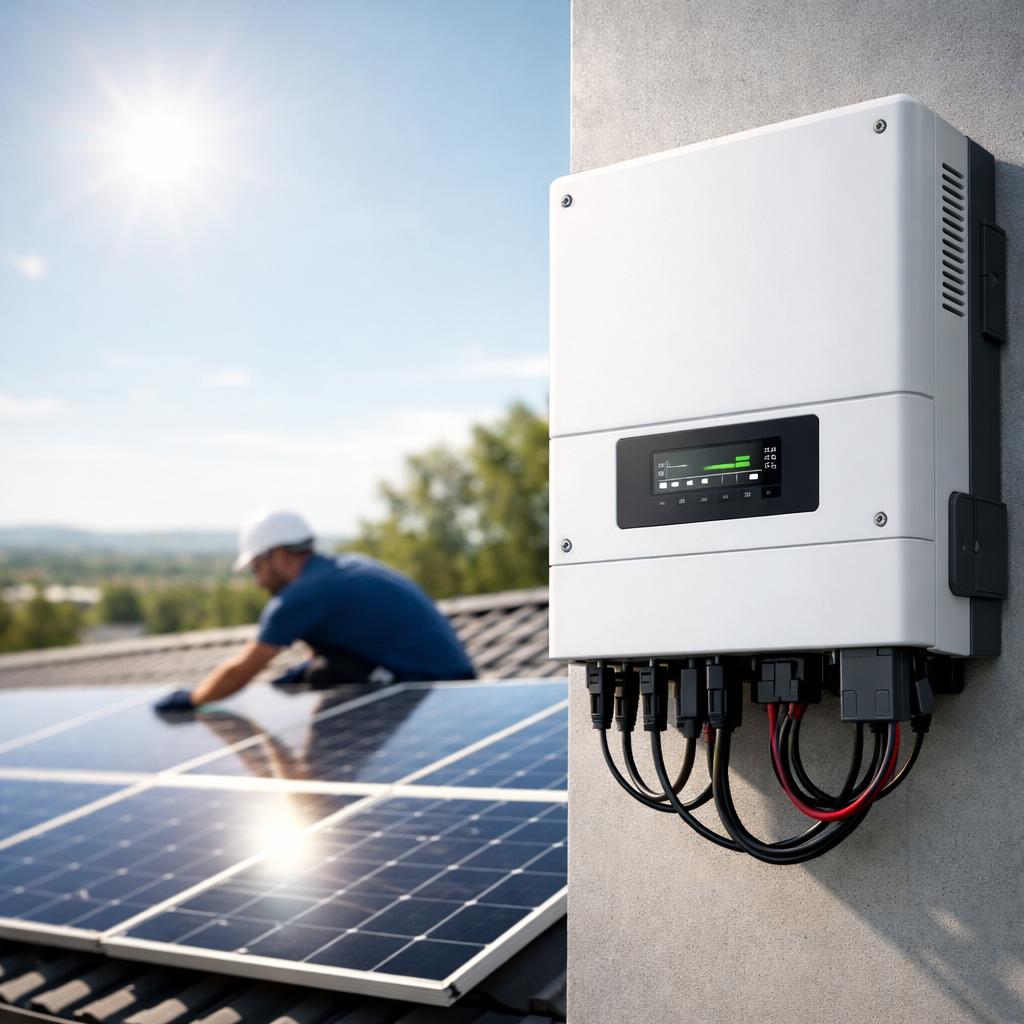
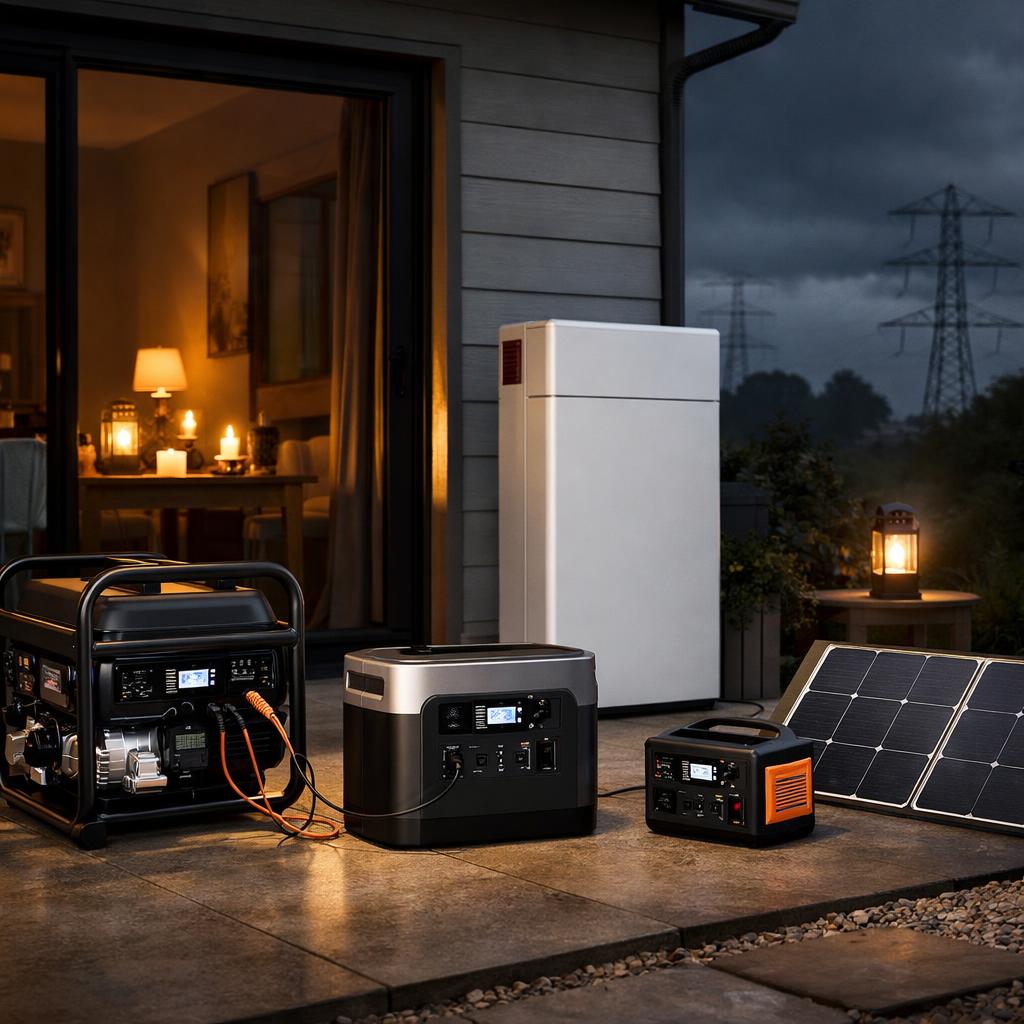
Short answer: the home battery costs mainly depend on usable storage capacity, power, inverter, installation, labor and whether your electrical installation is already suitable. For many households, a complete price for the device and installation is roughly between several thousand and more than ten thousand dollars, but that target price only has value if you also take into account your consumption, peak load, emergency power requirements and local rules.
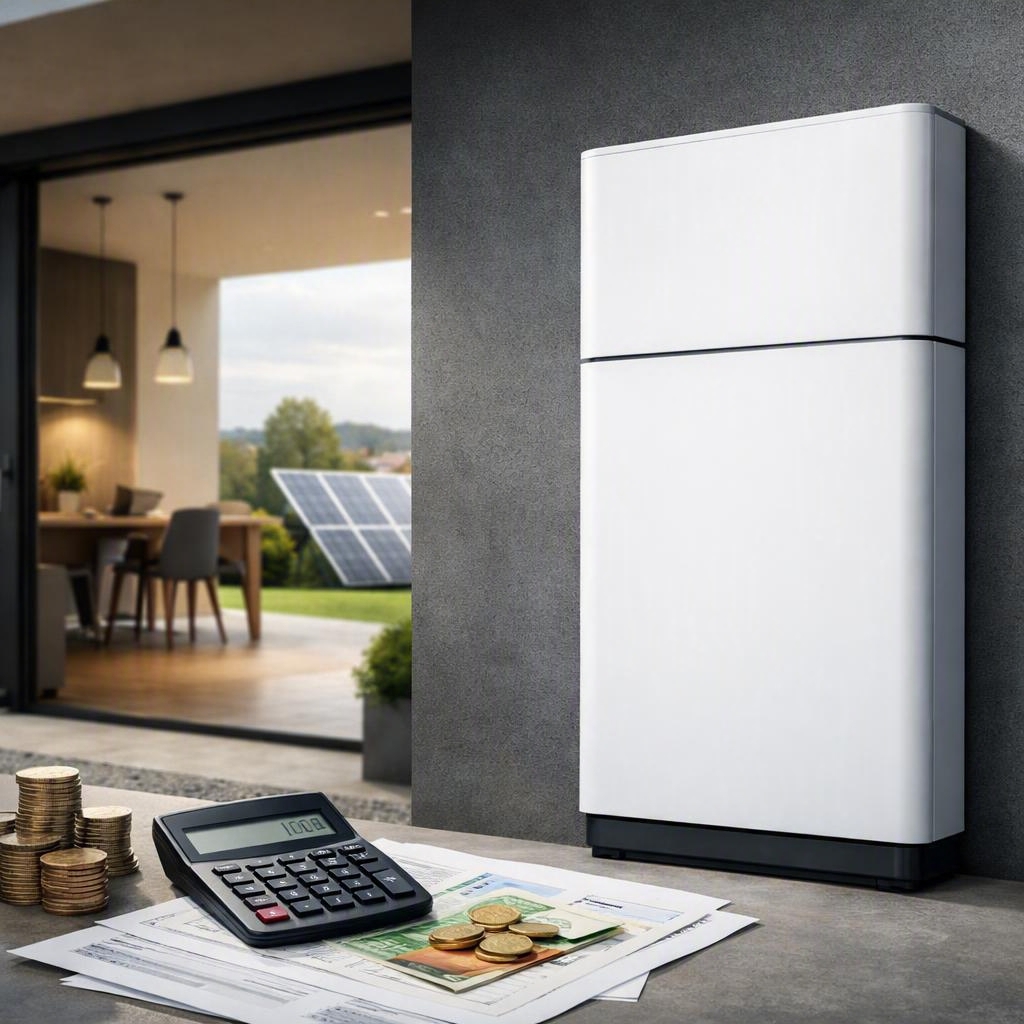
Moreover, a home battery is not just a calculation about payback time. For many homeowners, it is also important whether they want to use electricity at more favorable hours, use more of their own solar power or keep certain groups active during outages. That is why it is wiser to first determine your goal and only then compare quotations.
Which cost items determine the price of a home battery?
The total price rarely consists of just the battery module. In practice, you also pay for the inverter or the connection to an existing inverter, mounting materials, labor, commissioning, safety facilities and sometimes adjustments to the meter cupboard. If your home does not yet have a suitable group, switching equipment or safe place for installation, the costs can increase noticeably. Local permits, inspections or requirements from the utility company can also influence the final amount.
More capacity usually means a higher price, but bigger is not automatically wiser. A household that mainly wants to shift evening consumption often needs something different than a household that wants to keep multiple power circuits active in the event of a power outage. Therefore, pay attention not only to the specified storage, but especially to usable capacity and continuous power. Always ask for a broken down quote with separate items for material, labor, electrical adjustments and commissioning. Only then will you see which components really determine the home battery costs.
Device, inverter, labor and electrical adjustments
A usable quotation shows at least four components separately: the battery, the power electronics, the installation and adjustments to the electrical installation. In addition, check whether emergency power, switchover in the event of failure and subsequent expansion are already included or charged extra. A low entry price seems attractive, but without these details there is a good chance that the final total price will be higher than expected.

When is a home battery a logical choice or not?
A home battery often makes more sense when electricity prices differ per time period, the reimbursement for return supply is limited, you value emergency power or your consumption is well aligned with charging and discharging. Even when there is uncertainty about future energy regulations, storage can be interesting as a means to gain more control over your own consumption. The real question is not only what the battery costs, but what practical benefit it provides in your home.
A home battery is often less logical when the settlement with the grid remains favorable, the risk of failure is small and your consumption profile benefits little from storage. Doubtful cases are in between, for example homes with solar panels but without a clear emergency power requirement, or homes that require electrical adjustments first. In such cases it is wise to compare three situations: clearly suitable, doubtful and less suitable. An alternative could be to first reduce consumption, spread the use of electrical appliances better over the day or only add storage later when rules or rates change.
Recommended for and less suitable for
Recommended for: households with high evening demand, need for emergency power and limited value of feed-in. Less suitable for: households with low evening consumption, a stable grid, a favorable settlement and little space or extra installation work. Check in advance your consumption per part of the day, the desired emergency power circuits and the charging option from solar panels or mains power. This prevents you from choosing a system that seems good on paper, but provides little benefit in practice.

How do you compare home battery quotes fairly?
The best quote is not automatically the lowest price. A fair comparison looks at usable capacity, continuous power, peak power, warranty duration, expected number of charging cycles, installation conditions and suitability for your home. Also ask whether the quote only assumes energy storage or a system with emergency power. That difference directly affects both the price and the value in daily use.
Therefore, work with a fixed checklist and compare quotations line by line. Check whether expansion is possible later, whether additional equipment is required and whether the installer clearly states which electrical adjustments are included. A practical next step is to check a quote for energy storage, so that you not only compare a target price but also the suitability for your address. This makes the choice less dependent on an attractive starting price and more on verifiable specifications.
Capacity, power, warranty and checkpoints
Check at least these points: usable capacity, continuous power, peak power, warranty period, conditions for intensive use, emergency power function, expandability, installation location, heat load, suitability with solar panels and required inspections. If one of these parts is missing, the quotation is not yet complete enough to properly assess the real home battery costs. It is precisely these details that make the difference between a competitive price on paper and a solution that actually fits your home.

Sources and checkpoints
Use these resources to check definitions, safety rules, tax benefits and technical prerequisites. They help to check general price information against official requirements and product specifications.
- U.S. Department of Energy, Homeowner's Guide to Solar Energy. Useful for the connection between solar panels, storage and the suitability of the home.
- National laboratory for renewable energy, Research and information on battery storage. Useful for sizing, backup power and practical application scenarios.
- US Internal Revenue Service, Residential Clean Energy Tax Credit. Useful to check whether a tax credit may apply to battery storage.
- National Association for Fire Protection, Standards and safety frameworks for electrical installations and energy storage. Important for placement, fire safety and installation conditions.
- Always check product specifications, warranty documents, local building regulations, utility company requirements and the quotation structure per component. This allows you to test whether a general target price really suits your home and use.
Frequently asked questions
What does a home battery cost, including installation?
For many homes you will end up with a broad total price of several thousand to more than ten thousand dollars. The difference is mainly determined by capacity, power, inverter, labor and necessary adjustments to the electrical installation. That bandwidth is only a first direction; the real costs only become apparent after checking your consumption, installation location and technical requirements.
Does a home battery without solar panels make sense?
Yes, but especially when you want to shift electricity between cheaper and more expensive hours or find emergency power important. Without solar panels you will miss an important charging moment during the day. As a result, the financial logic often depends on rate structure, chance of failure and usage pattern than on storage capacity alone.
How big should a home battery be for my home?
That depends on your daily consumption, evening peak, desired emergency power circuits and the amount of solar power you usually have left. Don't automatically choose the largest version. A suitable system matches what you really want to store and discharge, otherwise you will pay for capacity that you rarely use.
What should I pay attention to before accepting a quote?
Pay attention to usable capacity, continuous power, peak power, warranty provisions, expandability, emergency power function, suitability of the inverter, meter cupboard adjustments and all installation costs. Also ask which parts are and are not included. Then compare at least two quotes on capacity, installation conditions, official specifications and possible tax benefits, so that you know whether the chosen solution really suits your home.
Conclusion
The home battery costs depend greatly on configuration, usage situation and the suitability of your home. The honest assessment is therefore: yes, a home battery can be a logical choice, but especially when your consumption, any solar panels, emergency power requirements and local rate structure are in line with this. So look beyond just the purchase price and always assess capacity, power, installation conditions and the total quotation structure in context.
If you want to know whether a home battery is logically priced in your situation, compare at least two quotes now for usable capacity, continuous power, installation costs, warranty, suitability for your electrical installation, available tax benefits and official product specifications. This means you do not receive a single target price, but a verifiable choice that better suits your consumption, home and options for later expansion.