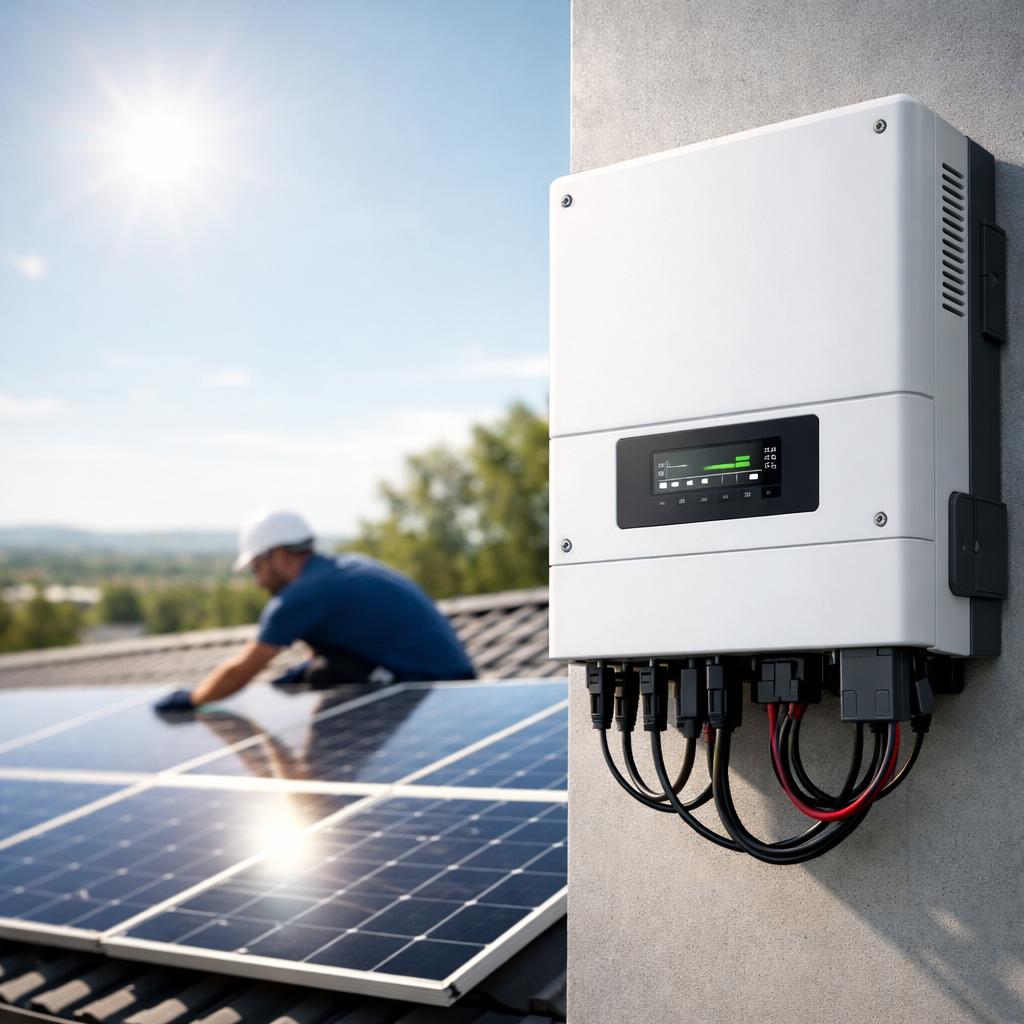
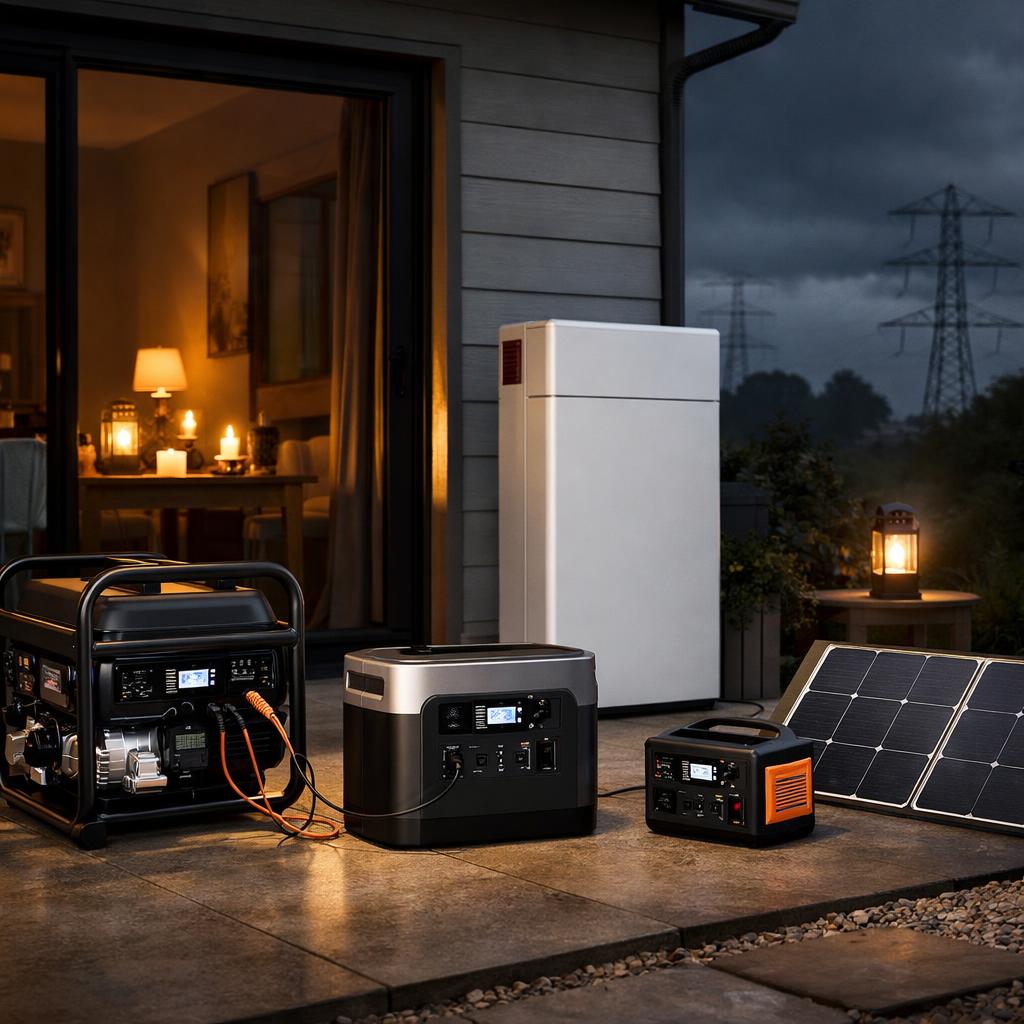
Short answer: In practice, the price of a 20 kWh home battery mainly depends on usable storage capacity, inverter, installation, emergency power function and local permits. In the United States, the total price is usually clearly higher than for smaller systems. This makes 20 kWh especially logical for high consumption, a larger solar installation or a clear desire for longer emergency power. Anyone who first wants to understand what a home battery does should look at storage, power and the purpose of the backup supply rather than just a separate list price.
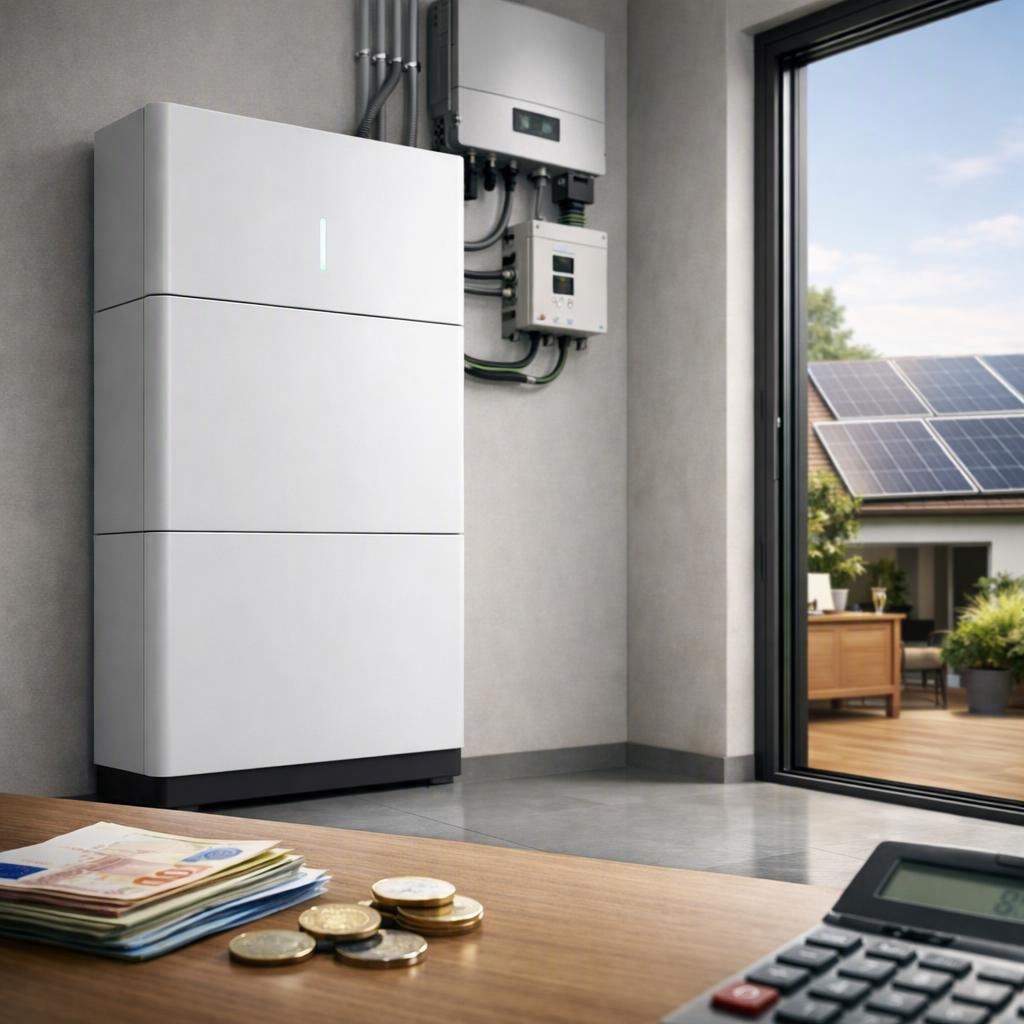
So the honest answer is: it depends on your consumption pattern, peak load, desired autonomy and installation conditions. Therefore, do not just compare the battery itself, but especially the total system price, the usable capacity, the warranty, the expandability and any electrical adjustments. For many homes, 20 kWh may be appropriate, but it is not automatically the most economical or sensible choice.
What does the price of a 20 kWh home battery consist of?
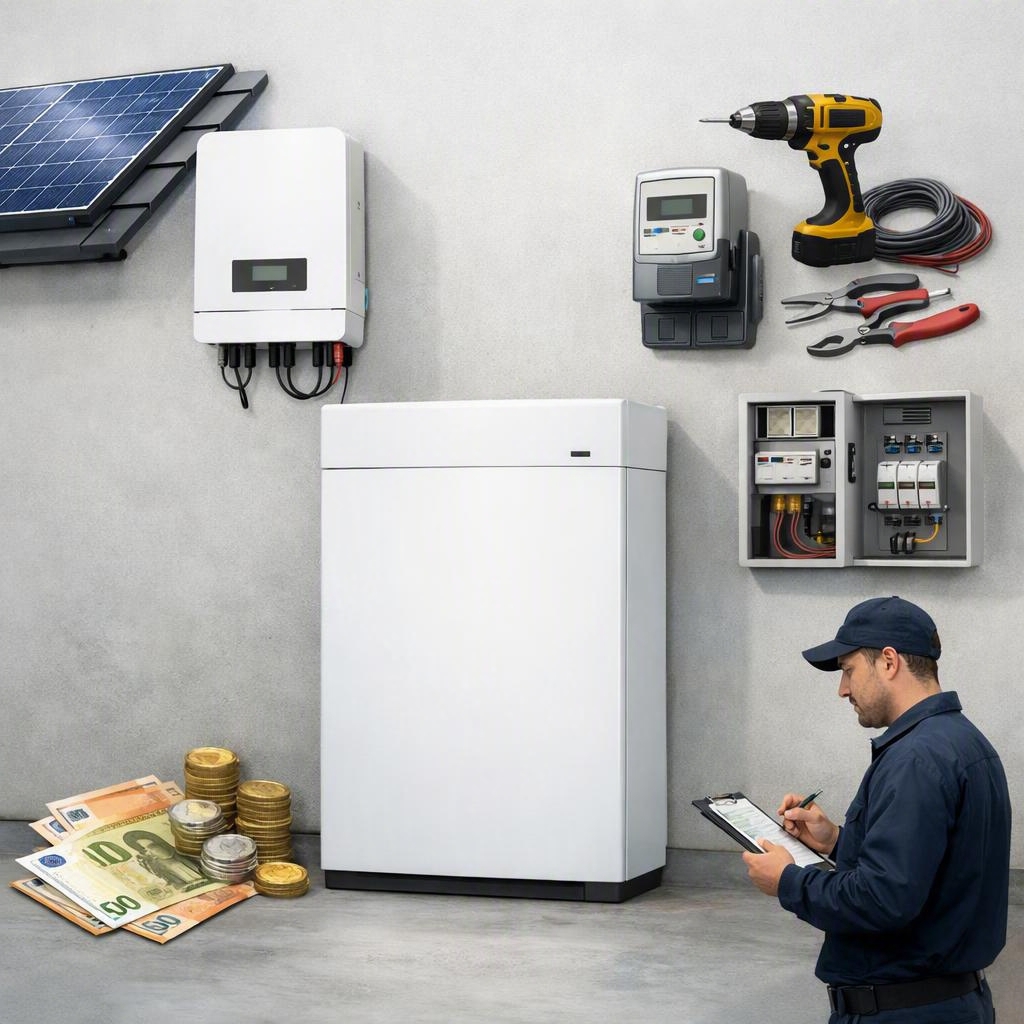
The total price almost never consists of just the battery modules. You usually also pay for power electronics, installation, inspection, cabling, labor and sometimes for adjustments to the distribution box or emergency power circuit. For existing solar panels, the chosen system structure can also greatly increase the price difference, especially when an additional inverter or a more complex connection is required. That's why it's useful to compare solar panels and home storage at a system level rather than individual components.
- National Fire Protection Association, Standard 855 for Installation of Stationary Energy Storage Systems: https://www.nfpa.org/codes-and-standards
The most important price factors are usable capacity, continuous power, peak power and warranty. The biggest pitfall is that a low-looking device price means little without installation costs and without a clear overview of what is included. A smaller starting setup or a modular expandable system can therefore be a logical alternative if budget, incentives or future consumption are still uncertain.
When is 20 kWh a good choice and when not?
Recommended for
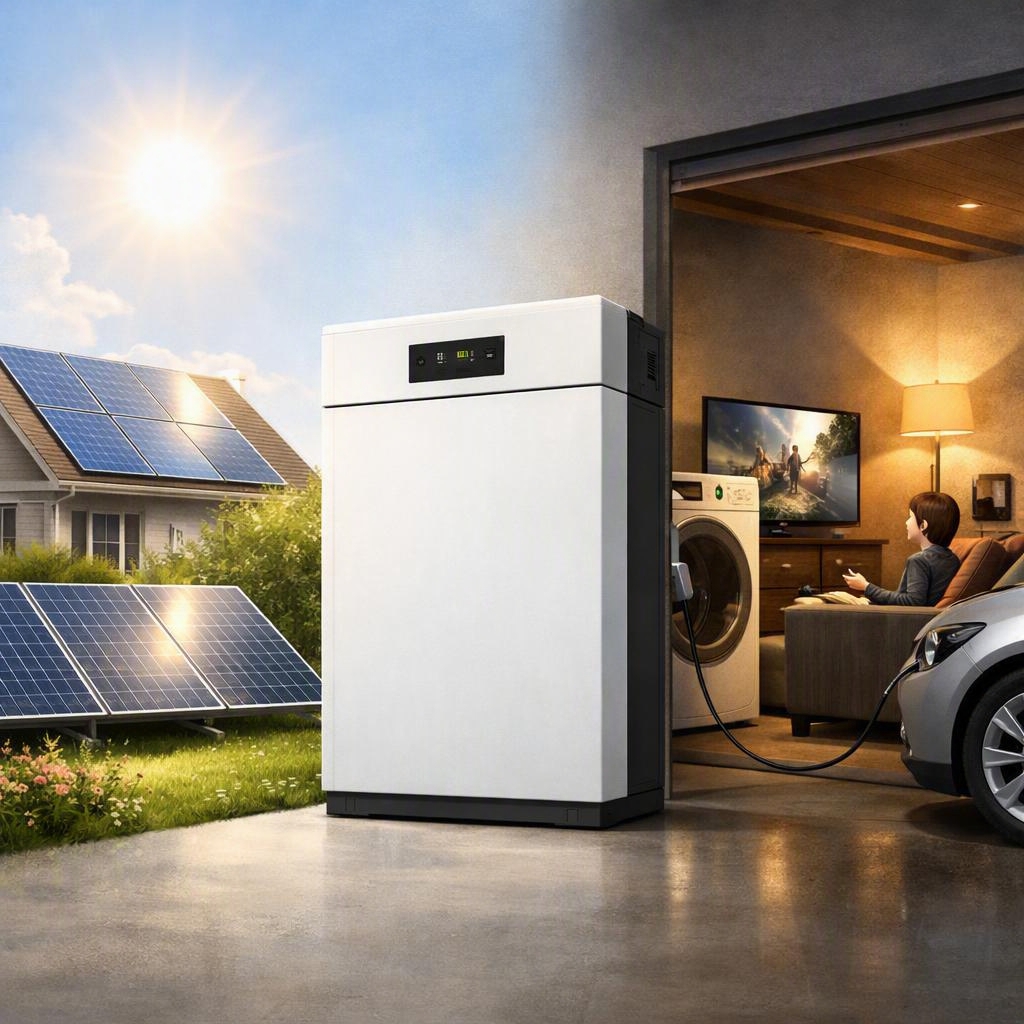
A 20 kWh home battery is usually better suited to homes with relatively high daily power consumption, greater solar generation or a specific need for a longer reserve during outages. Consider households with a lot of evening consumption, intensive use of electric heating or cooling, or a wish to run essential appliances longer if the grid goes out. In those situations, 20 kWh not only offers more space to shift your own generation, but also more buffer than a small battery system.
Not recommended for
At lower consumption levels, limited roof generation or a strict budget, 20 kWh is often too high or financially difficult to justify. Then it is often wiser to start with less capacity or with a modular system that can be expanded later. Also take into account an important limitation: a large storage does not automatically help with heavy simultaneous loads if the continuous power is too low. Also, not every system provides complete home emergency power without additional parts and adjusted installation conditions.
How do you compare quotes without wrong conclusions?
The best comparison is based on verifiable specifications and whether the system really suits your home. First look at usable capacity instead of just nominal capacity. Then check continuous power, peak power, emergency power function, expected lifespan, warranty duration, number of charging cycles, expandability and exactly what work is included in the price. This way you prevent a lower quote from turning out to be more expensive later due to missing parts or necessary adjustments.
For many readers, the wisest next step is not to immediately buy larger, but to compare at least two quotes and assess a quote for a home battery on the same points. Reliable evidence lies in written specifications, permit requirements and tax conditions, not just a sales price. It is precisely when assessing the home battery 20 kWh price that this makes the difference between a competitive offer and an incomplete system.

Sources and checkpoints
Use these resources to check technical feasibility, safety, and fiscal terms before assessing a price or signing a quote.
- https://www.irs.gov/instructions/i5695
Always check the publication date, local permit requirements, installation space requirements, conditions for emergency power and whether a mentioned tax benefit really applies to your situation. These sources mainly help with technical and fiscal control. They do not provide a fixed market price for each home, region or installer.
Frequently asked questions
What does a 20 kWh home battery cost including installation?
There is no fixed national price that is correct for every home. Including installation, a 20 kWh system is usually in a clearly higher price range than smaller home batteries, because in addition to storage, the inverter, labor, inspection, permits, emergency power options and possible electrical adjustments also count. Therefore, always ask for the total system price and not just the battery price.
Is 20 kWh enough for an average household?
That is possible, but only if the consumption pattern matches it. For some homes, 20 kWh is more than sufficient for evening use and critical loads during outages, while other homes with heavy cooling, heating or multiple large consumers will use up that storage more quickly. So look at daily consumption, desired duration of the reserve supply and required peak load.
Which points determine the price the most?
The largest price differences are usually due to usable capacity, continuous power, selected inverter, emergency power function, installation complexity, location requirements and local permits. Warranty, expandability and necessary adjustments to the electrical installation also strongly influence the total price. A cheap entry-level quote can therefore still be expensive if important parts are missing.
Is a smaller or expandable solution smarter than 20 kWh?
Yes, especially when budget, local incentives or future consumption are still uncertain. A smaller starting capacity or a modular system may be more sensible if you first want to test your actual storage needs or expand step by step. Check in advance whether expansion remains technically simple at a later date, whether the warranty conditions remain the same and whether the installation is already being prepared appropriately.
Conclusion
The gist is simple: the correct assessment of the home battery 20 kWh price is not about a fixed amount, but about total system fit, verifiable specifications and the actual value for your own use. A 20 kWh system often makes sense for higher consumption, greater solar generation or a clear desire for longer emergency power, but it is not automatically the best choice for every home.
If you want to know whether 20 kWh suits your situation financially and technically, compare at least two quotes for usable capacity, continuous power, emergency power function, warranty, installation adjustments, available tax benefits and official product specifications. In addition, check whether the installation location, permits and electrical connection are suitable. This way you can quickly see whether 20 kWh is really necessary, or whether a smaller or expandable solution better suits your consumption, budget and home.