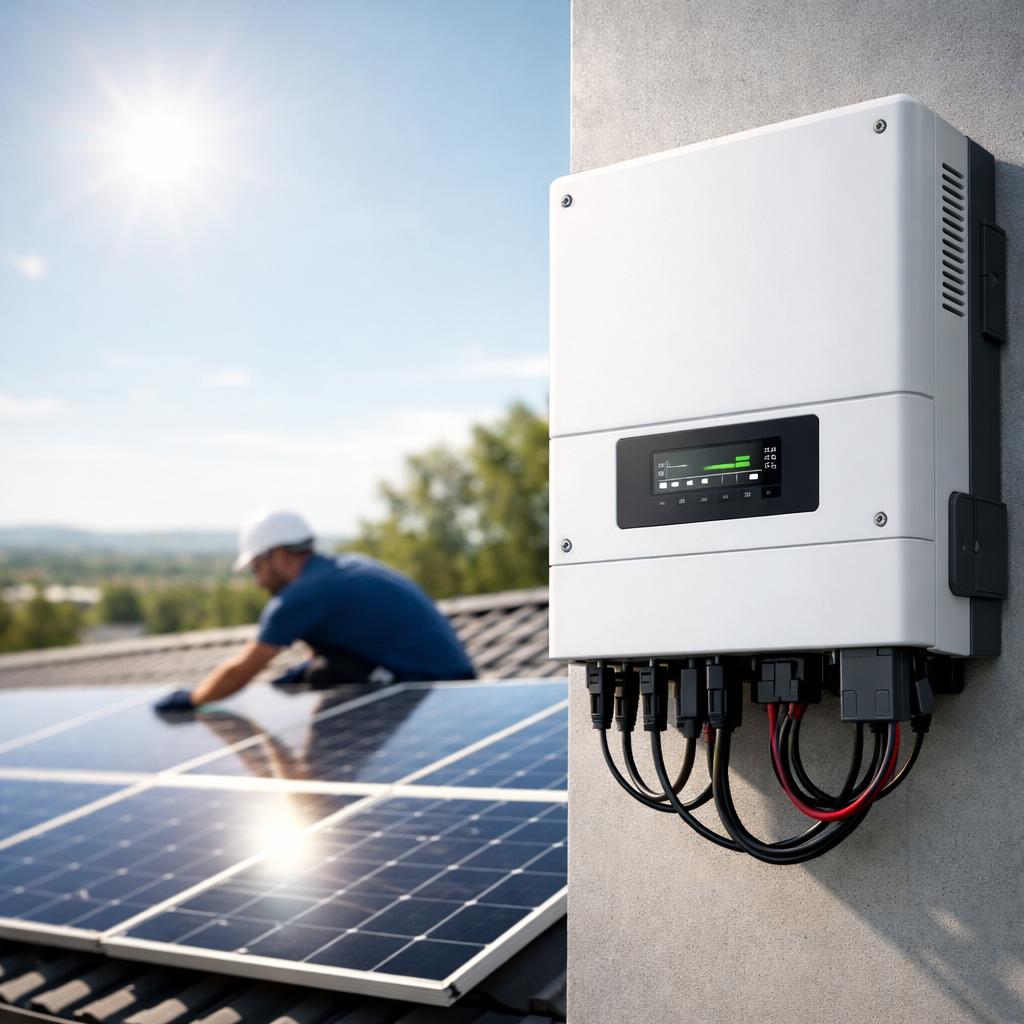
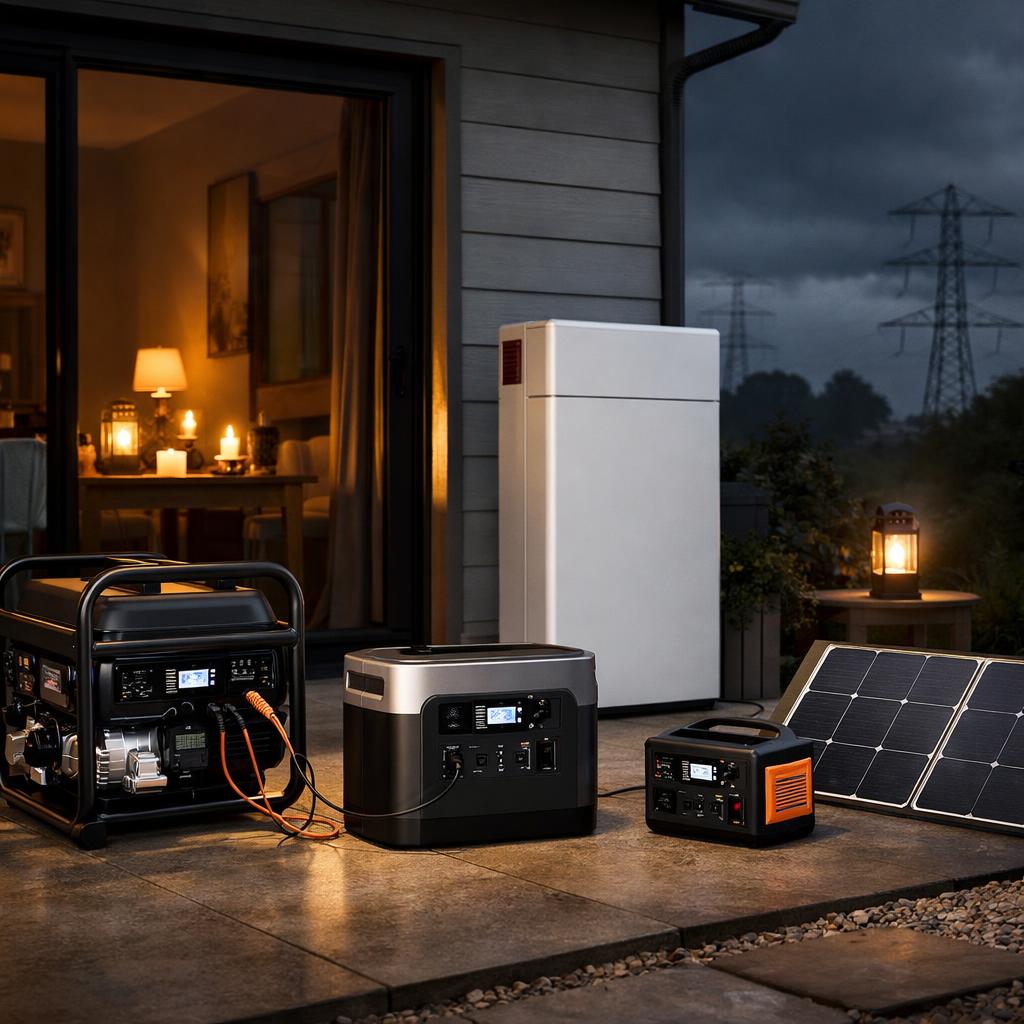
Short answer: A 15 kWh home battery is often suitable for households with higher power consumption, a regular surplus of solar panels or a serious desire for emergency power. The right choice depends not only on the storage capacity, but also on your daily consumption, the desired number of hours of bridging, the power of the installation and the question of which devices must continue to work at the same time.
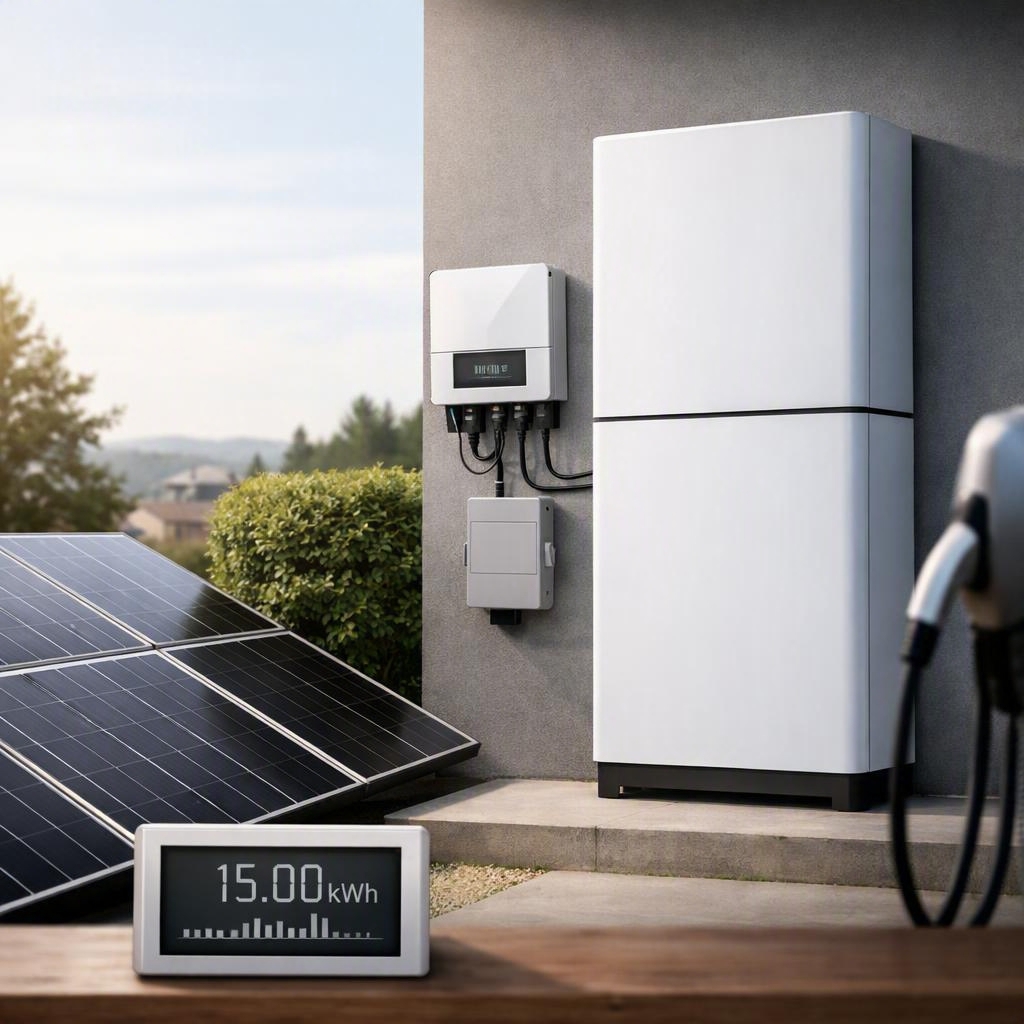
For some homes, 15 kWh is a practical medium to higher capacity. For other homes it is unnecessarily spacious or not yet enough for broad emergency power. So the honest answer is: yes, but only if your consumption profile, your goal and the technical conditions are well matched. Checking this in advance will prevent a generous capacity on paper from being disappointing in practice.
When is a 15 kWh home battery a logical choice?
A 15 kWh home battery especially makes sense if you actually use that storage regularly. This is often the case in homes with multiple residents, a lot of evening consumption or a solar installation that regularly generates more than is directly used. This capacity can also be attractive for households that want to keep not only lighting and internet running, but also part of the home running for a longer period of time in the event of a power outage.
Yet 15 kWh does not say everything. Always pay attention to the difference between nominal and usable capacity. A battery with 15 kWh on the label does not always deliver the full content practically available to the household. As a result, the actual stakes may be lower than many people expect. That is precisely why it is smarter to look at your own use than just at a large number.
This capacity is usually recommended for:
- usable capacity rather than just the stated capacity;
- continuous and peak power of battery and inverter;
- support of essential or selected groups;
- system expandability;
- installation conditions, placement and safety requirements;
- official product specifications and warranties.
- United States Department of Energy, Homeowner's Guide to Solar Energy, https://www.energy.gov/eere/solar/homeowners-guide-going-solar
- National Renewable Energy Laboratory, Residential Battery Storage, https://www.nrel.gov/docs/fy19osti/73292.pdf
- National Fire Protection Association, Standard 855 for the Installation of Stationary energy storage systems, https://www.nfpa.org/codes-and-standards/all-codes-and-standards/list-of-codes-and-standards/detail?code=855
- U.S. Energy Information Administration, Home Energy Use Explained, https://www.eia.gov/energyexplained/use-of-energy/homes.php
- Always check the official battery and inverter product specifications for usable capacity, continuous power, peak power, temperature range, loop support and installation conditions.
A 15 kWh home battery is less suitable, often for homes with low consumption, little solar power surplus or a tight budget. In such cases, a smaller or later expandable solution may be a better fit. The core question is always the same: do you use that extra capacity often enough to justify the choice?
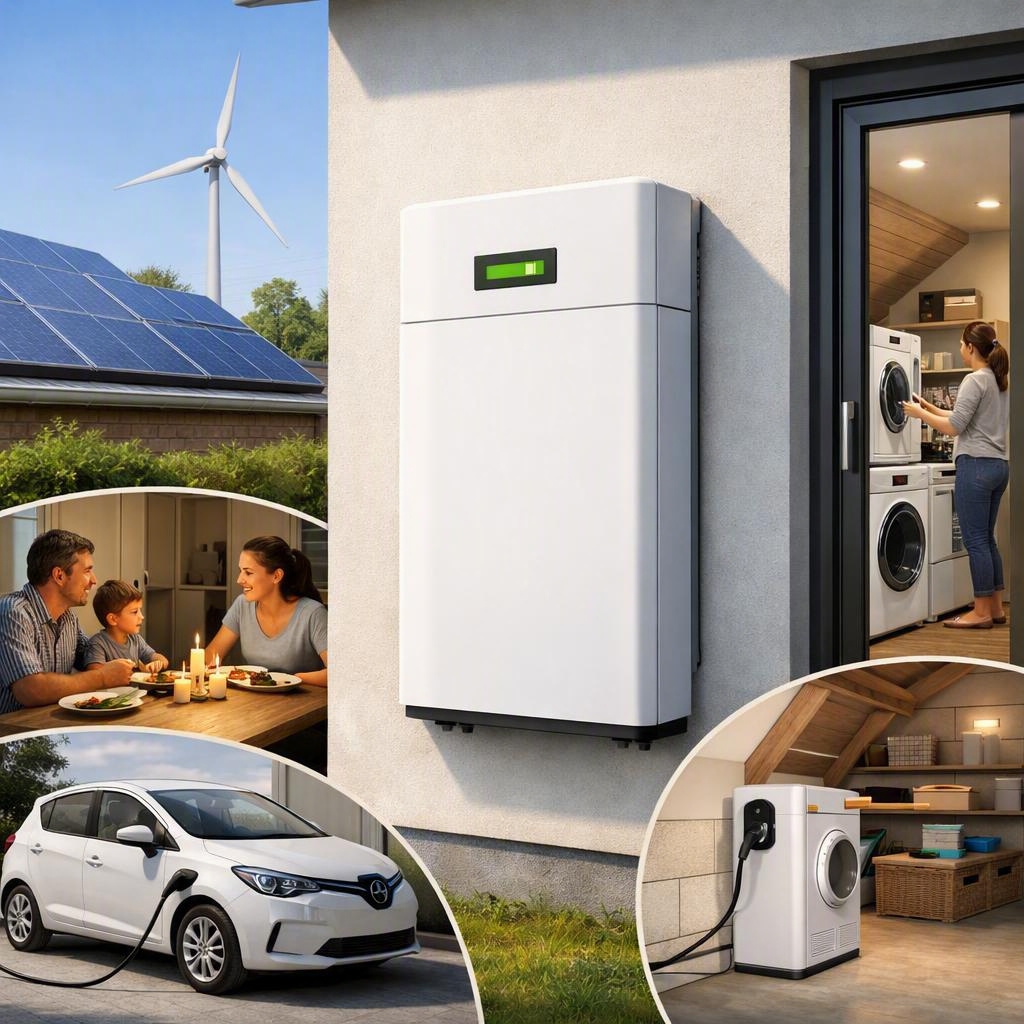
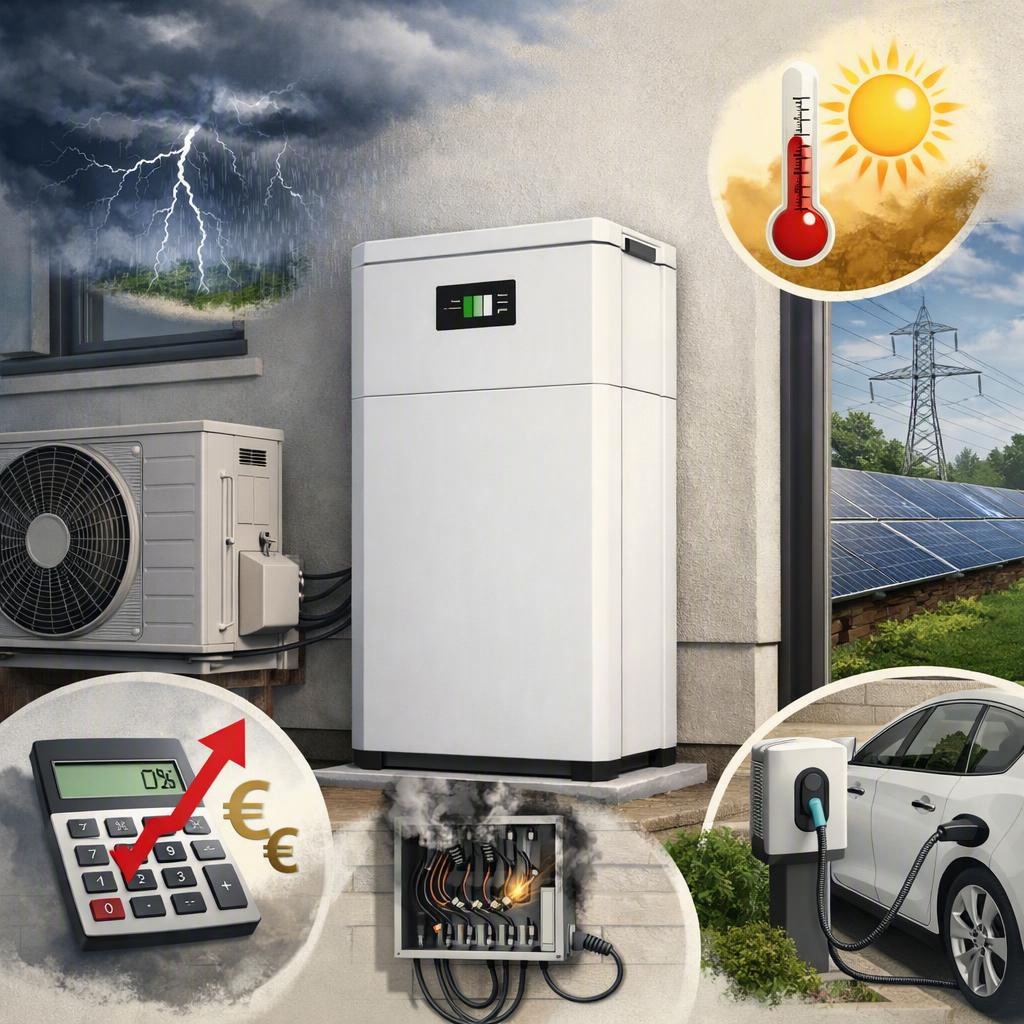
Which limits and risks determine whether 15 kWh really works?
Check usable capacity, power, circuit selection and installation requirements
With emergency power, storage capacity is only part of the story. The maximum supply capacity of the battery and inverter is at least as important. A battery can contain enough energy, but still fall short if the simultaneous power is too low. You will especially notice this when multiple devices start at the same time or when a device briefly requires a high peak.
Light consumers such as LED lighting, modem, telephone chargers and a refrigerator are usually easier to support. Medium-heavy consumers such as a microwave, washing machine or several kitchen appliances in a row require more planning. Heavy consumers, such as an electric dryer, oven, hob, heat pump, central cooling or charging a vehicle, make the assessment much stricter. Then it is not just about how much energy you have, but especially about what the system can supply at the same time.
It is therefore wise to determine in advance which groups you really want to feed during an outage. For many households, a partial emergency power supply is more realistic than full support for the entire house. Essential functions such as cooling, lighting, communications and some electrical outlets are often feasible. Continuing with all heavy users usually requires more than just a large battery.
Practical conditions also play a role. Consider available space, temperature, ventilation, electrical connection, condition of the meter cupboard and local safety rules. A 15 kWh battery may be suitable on paper, but may become less logical in practice if additional adjustments are required or if the installation space is unfavorable. Therefore, consider the choice as a system decision: capacity, power, safety and installation conditions must be correct together.
For whom recommended and not recommended
Recommended: households with higher consumption, clear evening demand, regular solar surplus and a concrete desire to keep essential groups running for hours.
Not quickly recommended: homes with low consumption, limited emergency power requirements, little surplus or situations in which the costs of adapting the meter cupboard and installation outweigh the practical benefit.
Additional checking needed: if you want to continue using heavy equipment, if you are considering full home backup, or if product specifications are unclear about usable capacity, continuous power and peak power.
Which alternatives and points of comparison are useful?
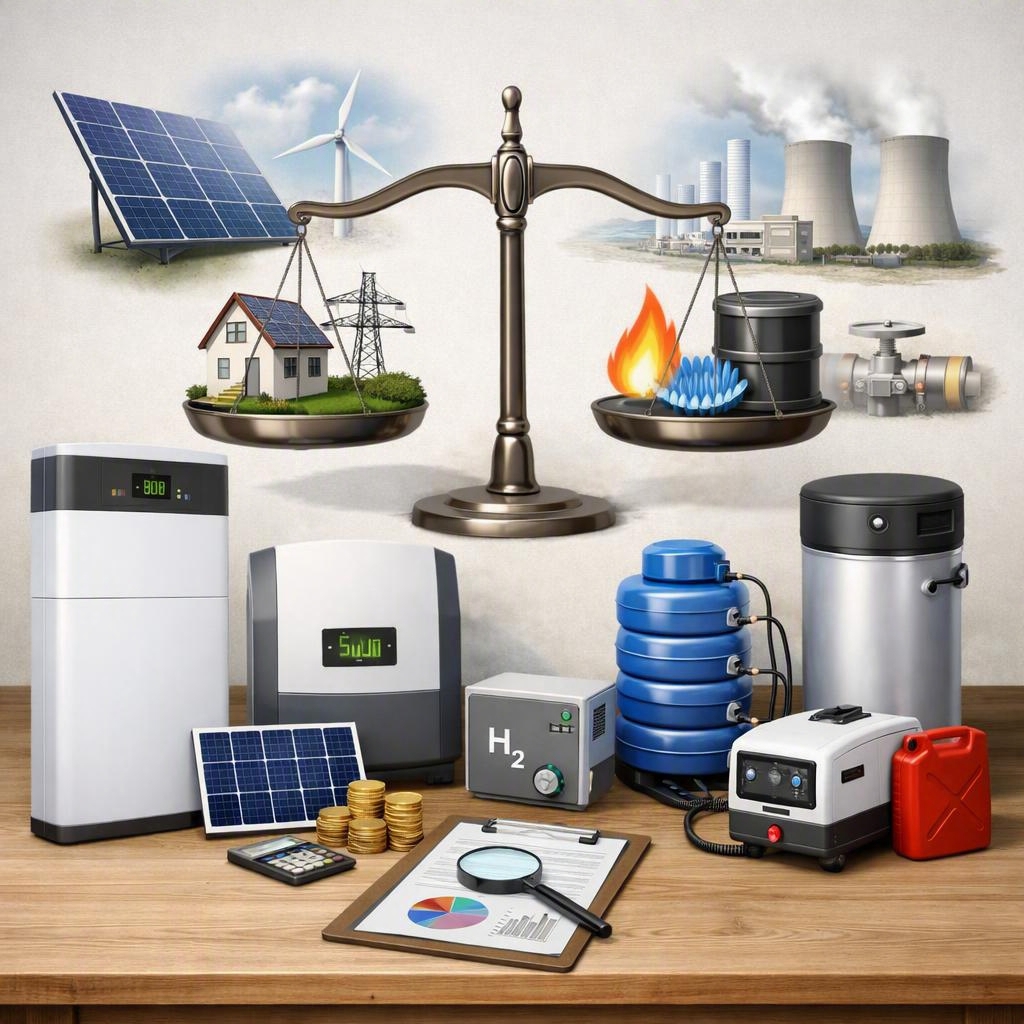
A 15 kWh home battery is not automatically the best choice because the capacity sounds large. For some households, a smaller storage makes more sense, for example if the goal is mainly to shift solar power to the evening. For other homes, 15 kWh may be limited, especially if you want to continue using almost the entire house during a disruption.
A practical comparison starts with three questions. Firstly: how much electricity do you use on average per day and especially in the evening? Secondly, how much solar power is really left to store? Thirdly: do you mainly want to save on your own consumption, or is emergency power the main goal? Only when these three points are clear will capacity become meaningful.
An expandable solution may also be worth comparing. Not because bigger is always better, but because phased construction poses less risk for some households. This is especially relevant if your consumption can still change, for example due to electric heating, an additional resident or more solar panels later. A solution that allows expansion may then be more interesting than immediately choosing a fixed large capacity. The added value lies in flexibility, not in the name alone.
In any case, use these checkpoints when comparing:
This way you avoid comparing apples and oranges. The best choice is not necessarily the largest battery, but the solution that best suits your consumption, your home and your emergency power purpose.
Sources and checkpoints
Use these resources to check technical claims, safety requirements and consumption estimates.
Frequently asked questions
For how many hours of power is a 15 kWh home battery enough?
That depends entirely on what you run on it. For essential consumers such as lighting, internet and cooling, 15 kWh can cover several hours or longer. When heavy equipment is used simultaneously, the operating time decreases rapidly. Therefore, always look at both energy content and power.
Is 15 kWh suitable without solar panels?
That is possible, especially if emergency power is your main goal. Without solar panels, the advantage of regularly storing your own surplus is missing. As a result, the logic of the choice depends more on your consumption pattern, power outage purpose and the way the system is set up.
Can a 15 kWh home battery provide an entire house with emergency power?
Sometimes partially, but not automatically completely. In many cases, the inverter power determines more than the capacity itself. Lighting, cooling, communications and a few sockets are often more realistic than cooking, drying, heating and cooling at the same time. Make a clear list in advance of necessary and heavy consumers.
When does an expandable solution make more sense than immediate 15 kWh?
An expandable solution often makes sense if your current consumption is still modest, but may increase later. Consider extra solar panels, electric heating or changing family situations. Then compare usable capacity, expandability, official specifications and additional installation requirements before you decide.
Conclusion
A 15 kWh home battery is often a suitable choice for households with higher consumption, regular solar power surpluses or a clear emergency power requirement, but only if usable capacity, power and installation conditions match the practice in your home. The most important question is not whether 15 kWh sounds large, but whether that capacity is useful and technically feasible for your situation.
If you want to take the right next step, compare your daily consumption, desired emergency power duration, list of heavy equipment, usable battery capacity, inverter power, expandability and local installation requirements. This check allows you to specifically assess whether 15 kWh is appropriate, or whether a smaller or expandable solution is more sensible, before you compare quotations and product specifications.