Short answer: A 10 kWh home battery can be a good choice for an average household that generates electricity during the day and wants to use some of it later, or that wants to keep some important consumers running during an outage. Whether this capacity is really suitable depends mainly on your daily consumption, your peak load, the desired duration of emergency power, the yield of solar panels and the local rules for connection and installation.
The question becomes clearer if you assess three things separately: what is technically possible, for what purpose 10 kWh is suitable, and which points you need to check in advance. Therefore, start with your own consumption profile and then make a clear distinction between situations in which this capacity is logical and situations in which it may be too limited.
When is a 10 kWh home battery a logical choice?
Recommended for: average evening consumption, solar panels and limited emergency power
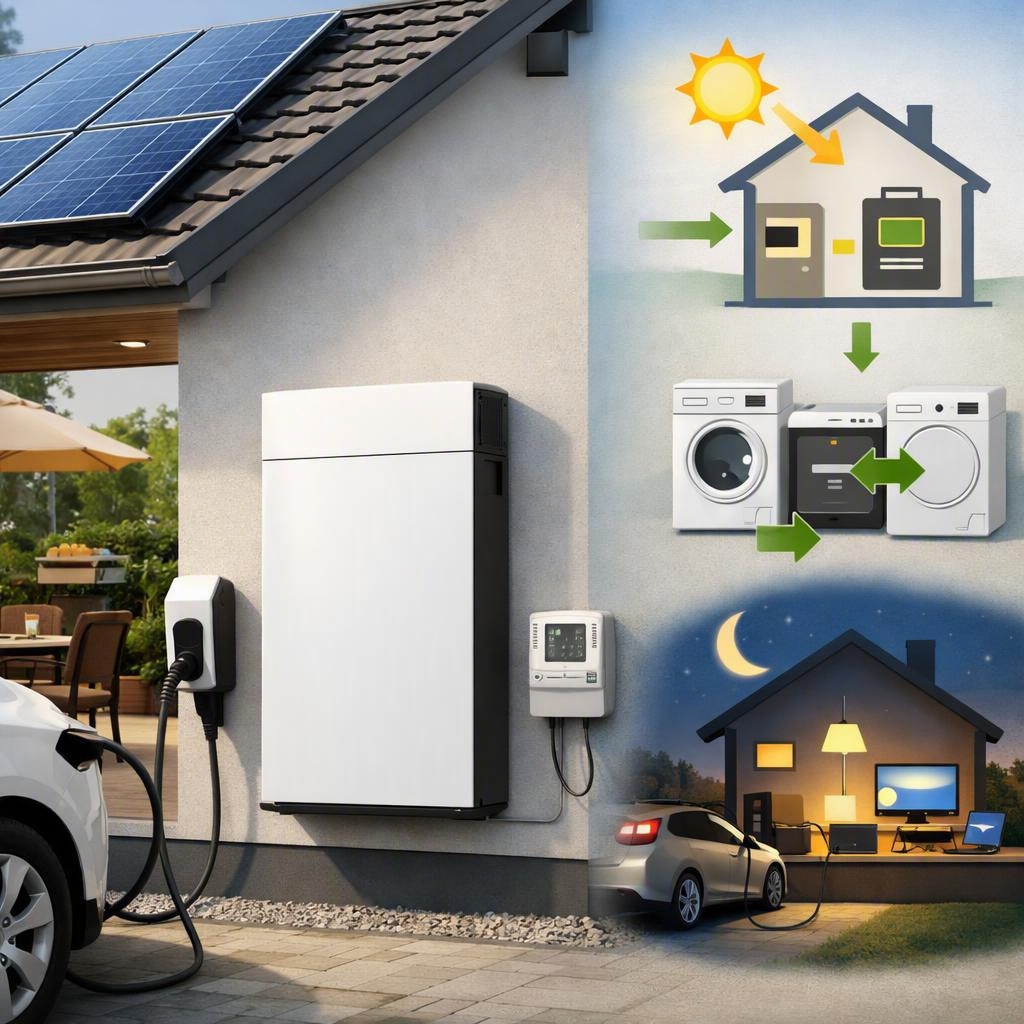
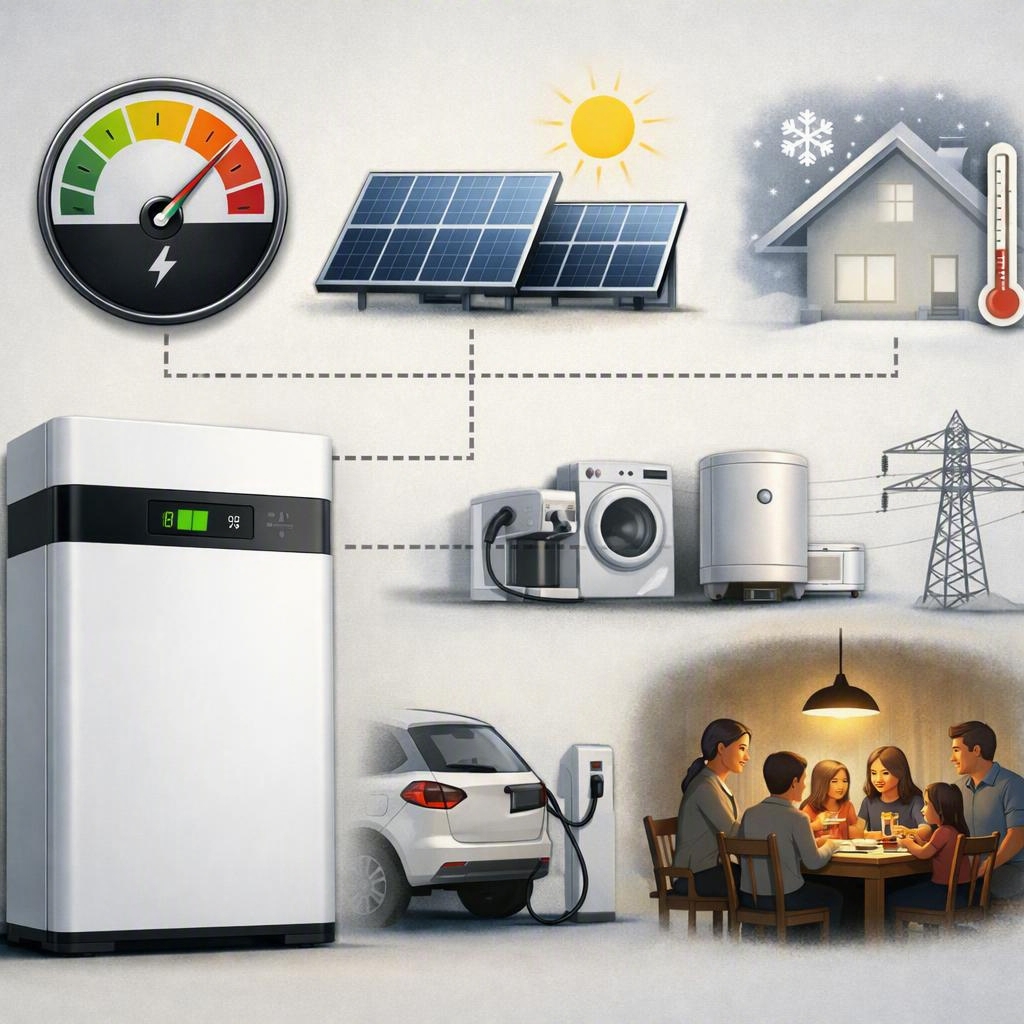
A 10 kWh home battery makes particular sense if you are not aiming for complete independence, but for smarter use of self-generated electricity. In many homes, part of the solar power is returned to the grid during the day, while consumption increases in the evening. Then a battery can help to supply lighting, cooling, electronics and common household appliances with stored power later.
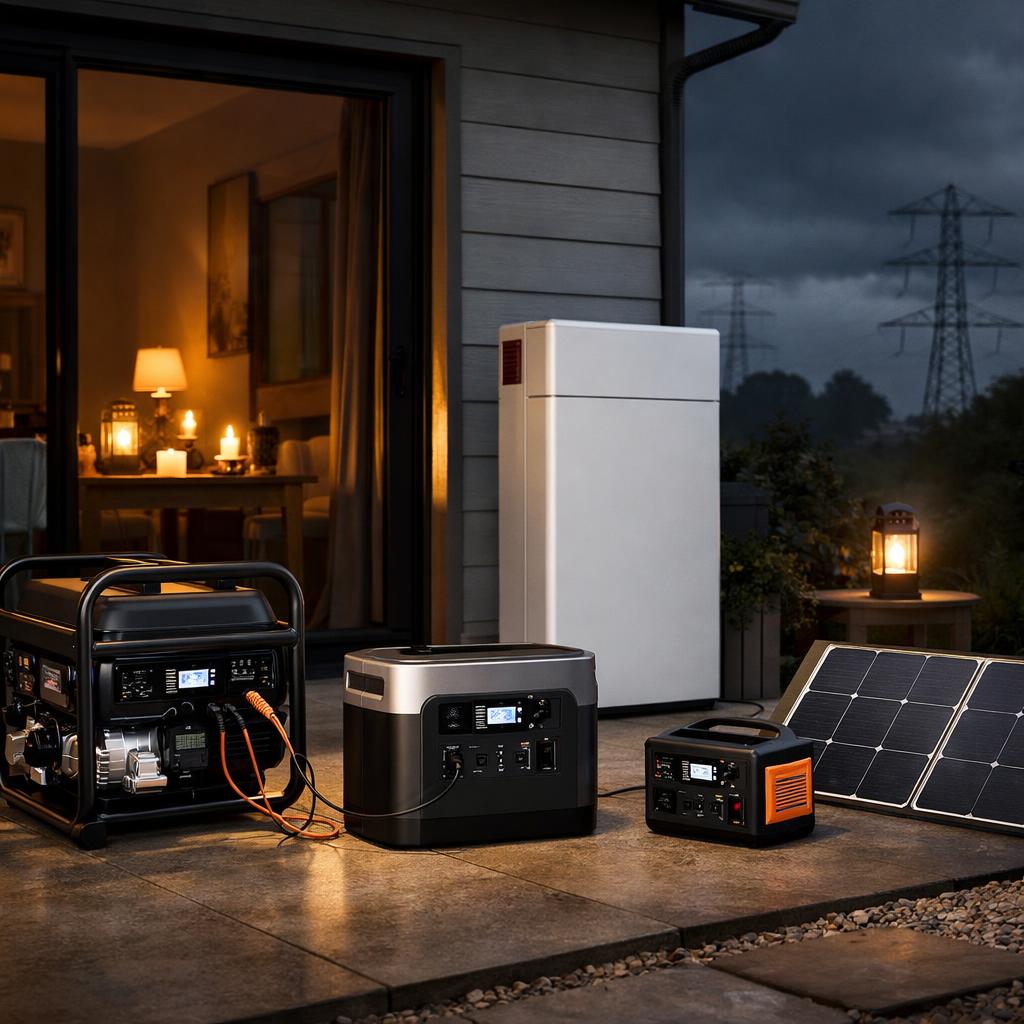
This capacity may also be appropriate in the event of limited emergency power. This is especially true when you determine in advance which groups or devices are really important. A refrigerator, internet modem, lighting and a few sockets require much less than electric cooking, space heating or charging a vehicle. That is why not only storage is important, but also the available power: this determines how many devices can run simultaneously without limiting the installation.
Not recommended for: high peak loads, full electrical consumption and long emergency power
A 10 kWh home battery is often less suitable in homes where many heavy consumers are active at the same time. Consider a heat pump, hob, dryer, boiler and charging point within the same time period. In such cases, in practice the battery is often limited by continuous and peak power rather than by the specified storage capacity.
Also for fully electric living or for long-term emergency power, 10 kWh is often only usable if you strictly select what will and will not remain switched on. Without such choices, stored energy can run out faster than expected. The key is not only how many kWh are available, but above all how much critical demand you want to cover and for how long.
Which technical limits determine whether 10 kWh is enough?
Check usable capacity, power, discharge and expandability
The 10 kWh designation only tells part of the story. For a useful assessment, you should also consider actual available capacity, continuous power, short-term peak power, backup power support, and the ability to expand later. Two systems with the same storage on paper can differ significantly in practice due to the inverter, the switchover in case of failure or the number of supported groups.
Therefore, always ask for the product specifications and installation manual, and check how emergency power works, which loads are supported and under what conditions the specified performance applies. Also pay attention to discharge limits, temperature requirements, installation conditions and the way in which the battery interacts with the electrical installation in the home.
In addition, local rules are important. Check whether the installation meets the requirements for permits, inspections, connection to the grid and fire safety. In practice, a simple list of critical devices is often the quickest test. List the power, simultaneous use and desired operating time for each device. It will then quickly become clear whether a 10 kWh home battery is technically suitable, only works with consumption discipline, or whether it is better to choose an expandable version.
How do you compare costs, savings and practical suitability?
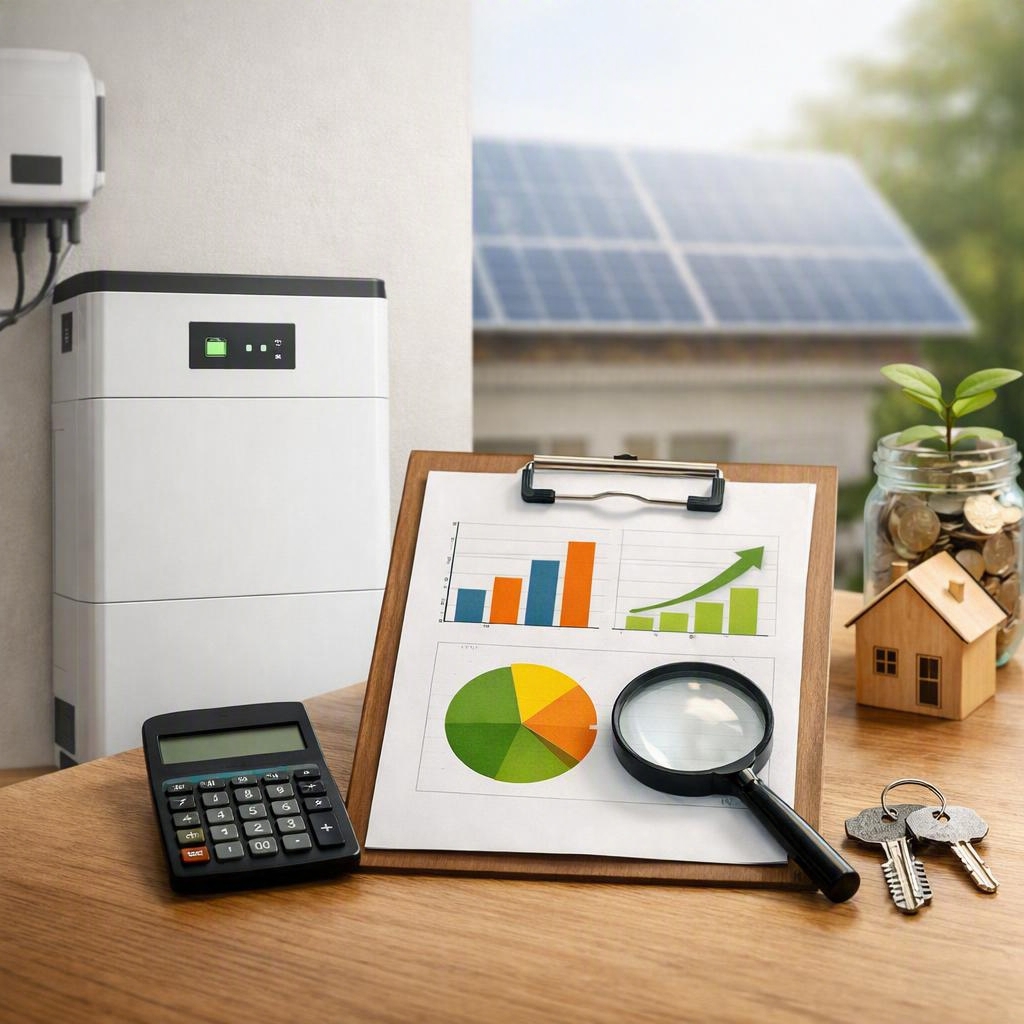
Do not compare a 10 kWh home battery solely on the purchase price or promised savings. A more useful comparison looks at your purpose of use, the conditions under which the battery works properly, the main limitations and the points you need to verify yourself. The following applies to many households: 10 kWh is suitable for partial relocation of consumption and for limited emergency power, but not obviously for complete home backup.
The most important conditions are your real evening consumption, the amount of self-generation, the desired autonomy and the rules for grid connection at your address. The main limitations are usually in power, switchover in the event of failure and the practical installation space. A smaller capacity may suffice if your evening demand is limited. A larger or expandable system is more obvious if you want to handle heavier loads or function for longer without mains power.
The most reliable evidence comes from three sources: your own consumption data, the official product specifications and the local installation conditions. Therefore, always compare at least these points before making quotes:
- your consumption during the day and in the evening;
- the simultaneous peak load of important devices;
- the actually usable capacity instead of just the nominal capacity;
- the continuous power and the short-term peak power;
- the emergency power function and which groups are supported;
- the possibility of later expansion;
- the rules for permits, inspections and grid connection at your location.
With such a comparison you can see much faster whether a 10 kWh home battery is suitable for your situation, is too small or offers more storage than you need in practice.
Sources and checkpoints
Use these resources to check technical claims, safety terms, and posting rules. Always read them in conjunction with the product specifications of the system you are considering and local requirements.
- U.S. Department of Energy, Guideline for Homeowners on Solar Energy, https://www.energy.gov/eere/solar/homeowners-guide-going-solar
- U.S. Department of Energy, Battery Energy Storage, https://www.energy.gov/oe/energy-storage
- National Renewable Energy Laboratory, Grid-tied Battery Systems for residential, https://www.nrel.gov/grid/energy-storage.html
- National Fire Protection Association, Standard 855 for the Installation of Stationary Energy Storage Systems, https://www.nfpa.org/
- U.S. Environmental Protection Agency, Home Improvement for Energy Efficiency, https://www.energystar.gov/saveathome
- In addition, check the requirements of your licensing authority, inspection body, grid operator or utility company, and verify in the product specifications the usable capacity, power, emergency power function and installation conditions.
Frequently asked questions
Is a 10 kWh home battery enough for an average household?
Often yes, but only if the purpose is primarily storage for evening consumption or limited emergency power. The answer depends on your actual consumption per day, how much of it takes place in the evening, which appliances are running at the same time and whether you have enough of your own generation to regularly charge the battery.
How long can a 10 kWh home battery supply power in the event of a power failure?
That depends entirely on the load you leave active during an outage. Only critical consumers usually show a clearly longer operating time than a situation in which heavy equipment continues to operate. Therefore, look at supported groups, continuous load, peak load and usable capacity, not just the 10 kWh figure.
Does a 10 kWh home battery work well without solar panels?
That is possible, but the practical added value depends largely on your tariff structure, your consumption rhythm and the local rules for charging from the grid. Without our own generation, the advantage of storing solar power shifts to relocating consumption and possible emergency power. Therefore, check extra carefully whether the purpose of use remains financially and technically logical.
Which points should I check first before having a 10 kWh home battery installed?
First check your daytime consumption, evening consumption, simultaneous peak load, desired duration of emergency power, usable capacity, continuous power, emergency power function, expandability, available installation space and the conditions of the licensing authority, inspection body and grid operator or utility company. This way you avoid relying solely on storage capacity.
Conclusion
A 10 kWh home battery is a sensible middle ground for many households: large enough to absorb part of the evening consumption and support limited emergency power, but not automatically sufficient for heavy simultaneous loads or long outages. The right choice therefore depends less on the 10 kWh label than on your actual consumption, the required power and the local installation conditions.
The best next step is simple and concrete: compare your daytime and evening consumption, simultaneous peak load, desired emergency power duration, usable capacity, expandability and local installation rules in addition to the official specifications of the systems you are considering. This allows you to determine much more confidently whether 10 kWh is appropriate for your home, too small or more than necessary.