Short answer: no, technically you don't need solar panels for a home battery. Financially, solar panels usually make a home battery more attractive. Anyone looking for storage, emergency power and growth space can therefore include Anker SOLIX Solarbank Max AC early in the comparison, especially with high evening consumption or fluctuating electricity prices.
Without solar panels, a home battery can be charged with mains electricity and use that energy later. This can sometimes be advantageous, but the outcome depends largely on your rate, your consumption pattern, conversion loss and wear and tear. With solar panels, a home battery usually makes more sense, because you store your own solar power instead of supplying it cheaply and purchasing it again later.
Does a home battery also work without solar panels?
Yes. A home battery also works without solar panels. You then charge it at times when electricity is relatively cheap and use that energy later, for example in the evening or during peak consumption. Technically that is quite possible. The real question is therefore not whether it is possible, but whether it yields enough in your situation to support the investment.
Without your own generation, the benefit must come almost entirely from price differences between cheap and more expensive hours. In addition, kilowatt hours are lost due to charging and discharging. Taxes, grid costs and battery wear also affect the result. This means that a home battery without solar panels is more sensitive to small changes in the energy market than many people think.
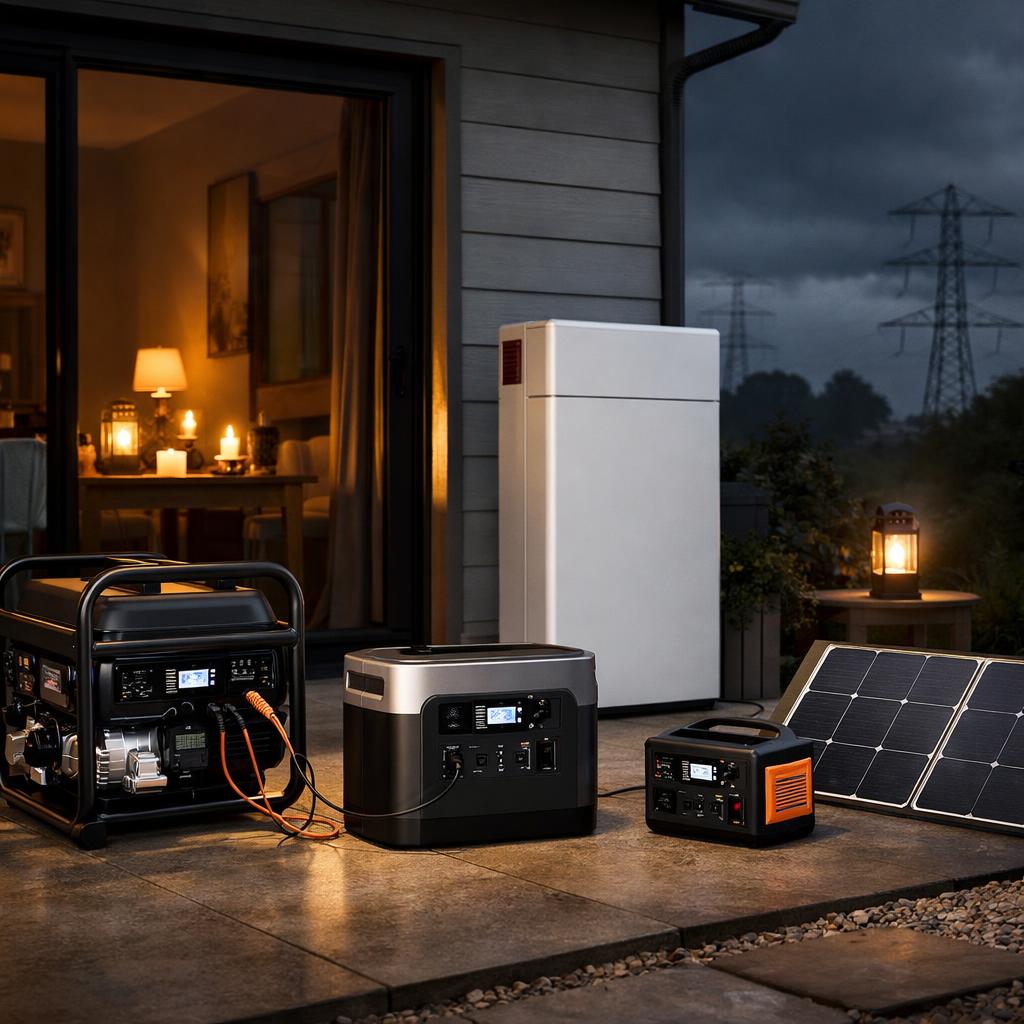
Yet such a battery can also be a logical choice without panels. This especially applies to households that want more control over their consumption, want to dampen peaks or find some form of emergency power important. Those who mainly look at a short payback period will usually see a narrower calculation without solar panels.
When is a home battery without solar panels financially interesting?
Situations in which it can sometimes work
A home battery without solar panels is sometimes interesting if you have a dynamic energy contract, regularly see cheap and expensive hours and use a lot of electricity in the evening. Then you can purchase electricity at favorable times and use it yourself later. The more predictable your consumption, the better such an approach can be assessed.
Comfort and security also count. For some households, part of the value is not only in euros, but also in emergency power, more control and a system that can grow later. In such a decision, it is useful to look not only at the purchase price, but also at starting capacity, expandability, power and installation options. Precisely for this reason, the specifications of Anker SOLIX Solarbank Max AC early in the comparison can be useful for those who want to use storage now and perhaps add solar panels later.
Situations where things are often disappointing
It is often disappointing with a fixed or simply variable contract, little evening consumption or limited price fluctuations. Then there is often little left after losses and costs. This also applies if the battery is used irregularly or is too large for the actual consumption. In those cases you pay for capacity that you do not use often.
In addition, there are practical limits. More power requires suitable installation conditions. Higher outputs may require a separate group, professional installation and compliance with local regulations. Therefore, do not see a home battery without solar panels as a standard route to savings, but as a solution that is only really suitable under the right conditions.
When do solar panels make a home battery clearly more attractive?
Suitable and less suitable per situation
With solar panels, a home battery has a more direct function: you store your own solar power for later use. As a result, you increase your own consumption and reduce the amount of electricity that you supply back for a lower fee. Households that generate electricity during the day and use a lot in the evening will see benefits more quickly.
- More suitable: solar panels, high evening consumption, reasonable battery usage, attention to emergency power or peak reduction.
- Sometimes suitable: no solar panels, but a dynamic contract, clear price differences and consistent use.
- Less suitable: low consumption, few price differences, mainly focus on fast payback time or little space for installation.
- Primarily comfort instead of efficiency: a home battery that is mainly intended as an emergency supply.
This becomes extra relevant for the Netherlands because netting will stop on January 1, 2027. This makes it more important to use generated electricity yourself instead of supplying it back. This does not automatically make every home battery profitable, but it does clearly change the calculation in favor of households with solar panels and appropriate evening consumption.
Pay close attention to dimensions. A battery that is too small will empty quickly, while a battery that is too large can be relatively expensive if you do not fill and discharge it often. Therefore, always look at actual yield, evening consumption, desired power and whether you want to expand later.
For whom does Anker SOLIX Solarbank Max AC fit in this consideration?
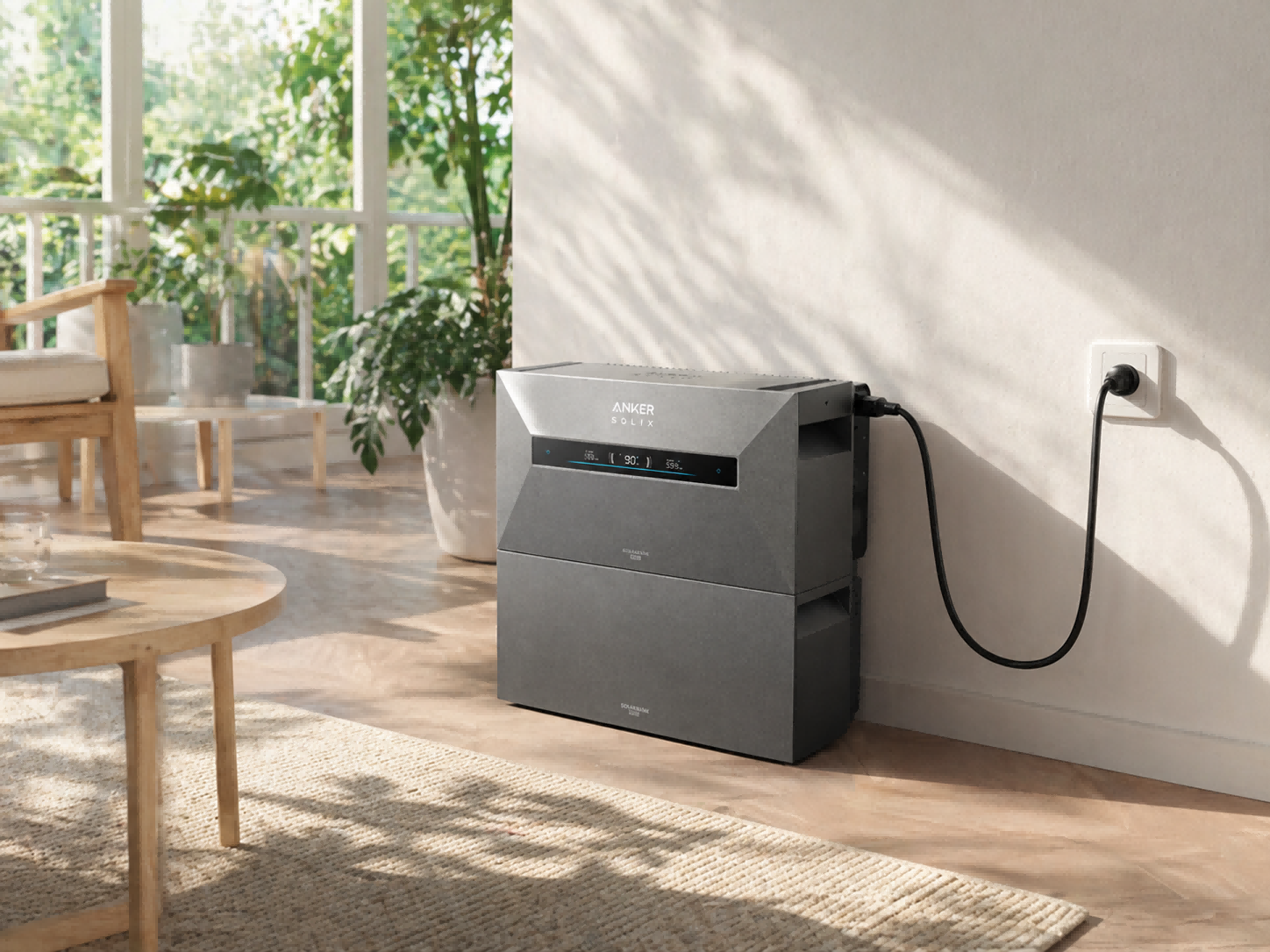
Anker SOLIX Solarbank Max AC is especially suitable for households that want to combine storage with flexibility and space to scale up later. The system starts at 7 kilowatt hours and is expandable to 42 kilowatt hours. For readers who are already considering a home battery, but see their situation changing, this is an important point to compare early. This will prevent you from opting for a solution that later turns out to be too small or unnecessarily large.
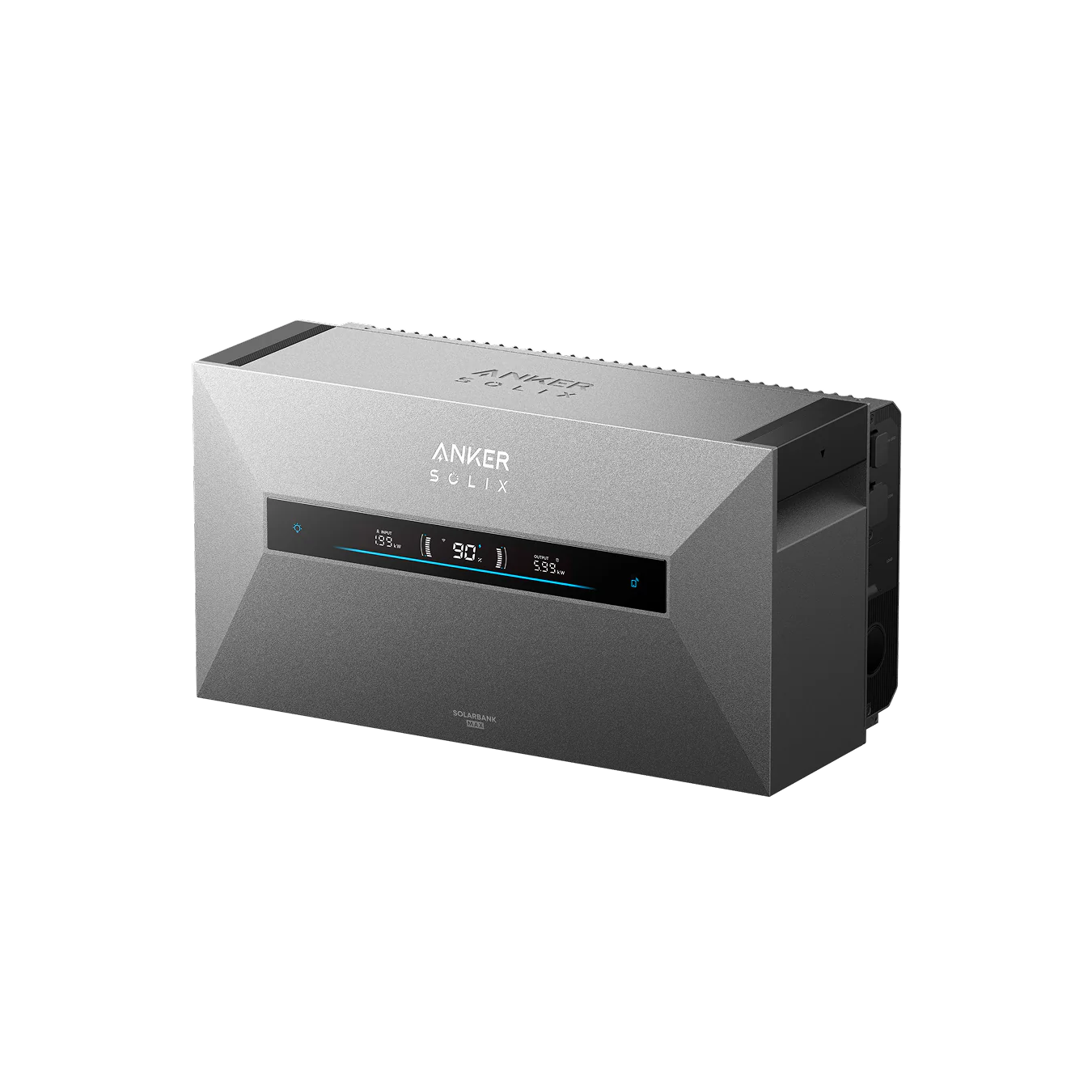
Anker SOLIX Solarbank Max AC
Product description
The power is also relevant for some situations. According to the product specifications, this concerns 3500 watts of grid-connected power, 3680 watts of emergency power and a total of 5000 watts of power. This makes the model especially interesting for households that are not only looking for a basic buffer, but also look at heavier consumers or extra security in the event of a failure. The specified LFP cells, 10,000 cycles and 10-year warranty are especially important for those who want to take sustainability and long-term use into account.
The practical side counts just as much. The structure is stackable and the product specifications mention rapid installation. This can be attractive for homes where simplicity, available space and later expansion are important, such as a garage, basement or similar installation location. At the same time, control remains necessary: higher output may require additional installation conditions, including a separate group, professional installation and compliance with local rules.
For your situation, this model is especially worth comparing if you are looking for a home battery that not only fits today, but also remains usable later with changing consumption or the arrival of solar panels. Then check not only the purchase price, but also the actual capacity, expandability, emergency power function, installation conditions and whether the power matches your evening consumption and peak load.
Sources and Control Points
Always check market conditions and regulations on current pages. Relevant sources are: Milieu Centraal, Salding scheme for solar panels, https://www.milieucentraal.nl/energie-besparen/zonnepanelen/salderingsregeling-voor-zonnepanelen/; Consumers' Association, Home Battery, https://www.consumentenbond.nl/zonnepanelen/thuisbatteries; National Government, Solar Energy, https://www.rijksoverheid.nl/onderwerpen/duurzaam-energie/zonne-energie.
For additional practical explanation about a home battery without solar panels, you can consult: Energy Protect, Home battery without solar panels, https://www.energyprotect.be/nl/blog/thuisbatteries-zonder-zonnepanelen. For product specifications, capacity, power, protection and installation conditions, use the Anker product page, Anker SOLIX Solarbank Max AC, https://www.ankersolix.com/nl/products/a17e2. During your inspection, pay particular attention to conditions regarding output above 800 watts, required separate group, registration and suitability of the installation location.

Frequently asked questions
Can you use a home battery without solar panels?
Yes, that's possible. The battery then charges with mains power instead of solar power. Technically that is usually not a problem. The most important question is whether your rate and consumption provide enough financial benefit.
Is a home battery without solar panels profitable in the Netherlands?
Sometimes, but usually only under clear conditions. Consider a dynamic energy contract, noticeable price differences between hours and high consumption at more expensive times. Without that combination, yield is often limited by losses, costs and wear and tear.
When does a home battery with solar panels become more interesting?
Especially when you generate a lot during the day and still use a lot of electricity in the evening. Then stored solar power can replace later consumption. By stopping netting from 2027, personal consumption will become more important, which often makes the combination more attractive.
When is Anker SOLIX Solarbank Max AC a logical option?
This is especially logical if you value expandable storage, decent power and emergency power, with or without solar panels. It is less suitable if you are looking for a very small entry point or if your consumption is so low that extra capacity adds little. Therefore, first check your annual consumption, evening consumption, desired emergency power, installation conditions and the official product specifications.
Conclusion
You do not need solar panels to use a home battery, but for efficiency, solar panels usually make the choice clearly stronger. Without panels, the benefit must mainly come from cheap purchase and later use, and that remains highly dependent on rates, losses and your daily consumption. Solar panels usually result in a broader and more stable calculation, because you make better use of your own power.
If you want to determine what makes sense in your situation, specifically compare your annual consumption, evening consumption, tariff type, feed-in, desired emergency power, available space and installation conditions. Then compare these points with the official product specifications, actual capacity, expandability and the power of Anker SOLIX Solarbank Max AC, so that you not only know whether a home battery fits, but also which version really suits your home and consumption.