Short answer: The best hybrid heat pump is not one fixed device for everyone. The right choice depends on your climate, insulation, existing boiler or furnace, climate system, energy rates and available installation space. For many existing homes, a hybrid solution is especially interesting if you want to use less gas without immediately switching completely to electricity alone.
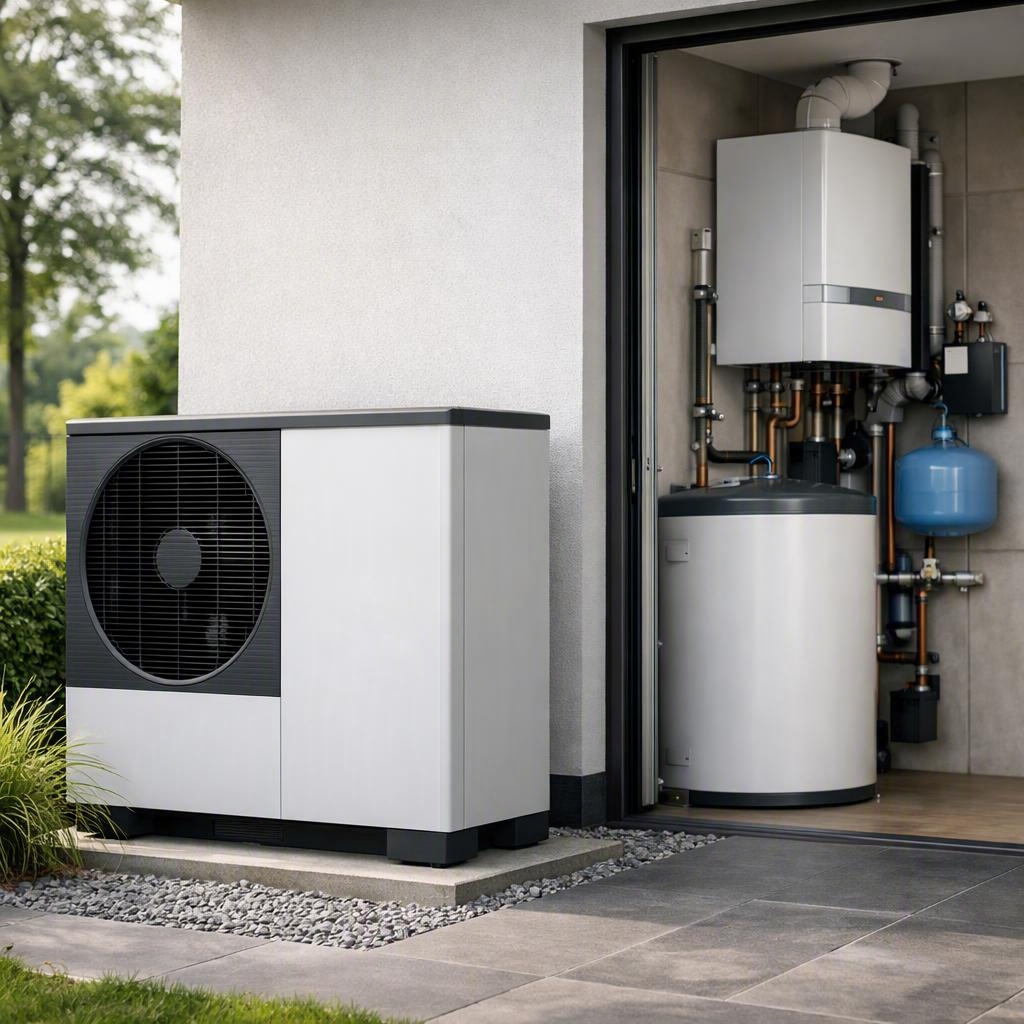
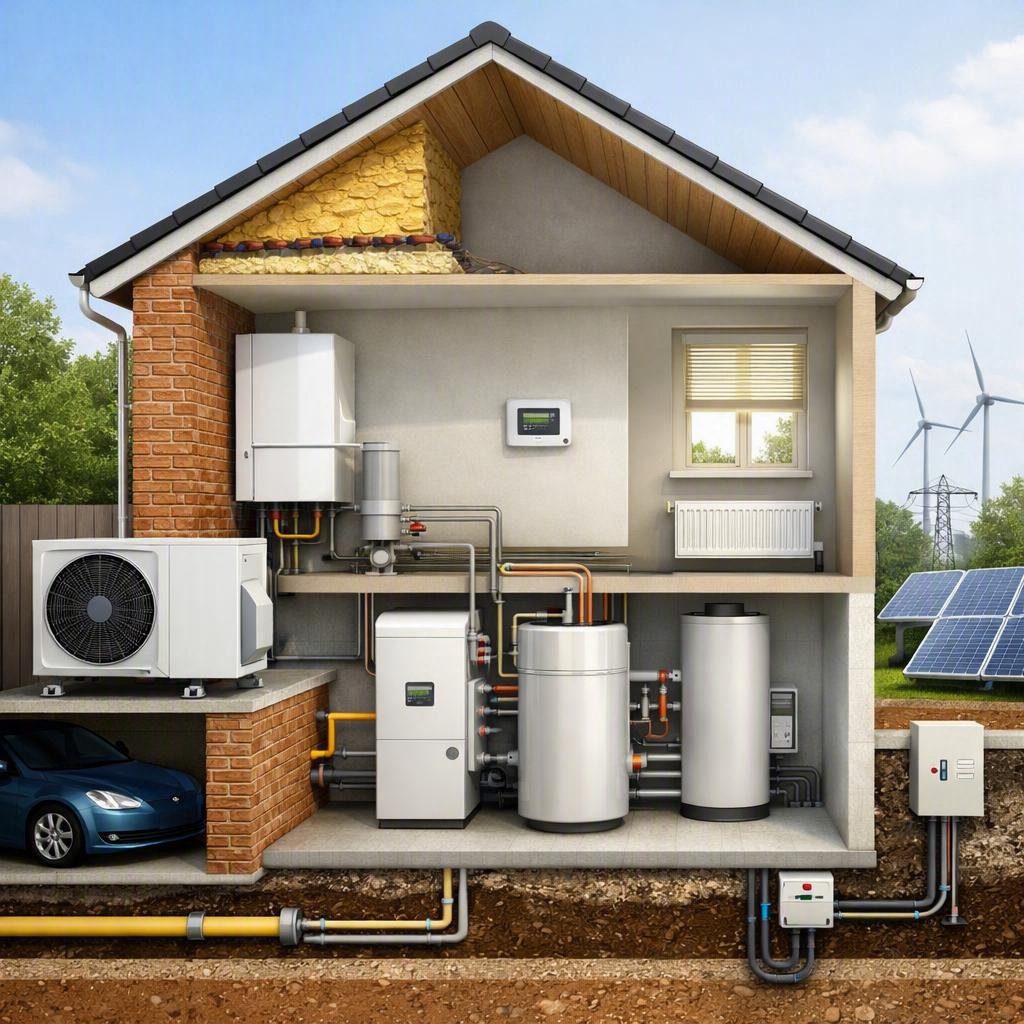
This makes a hybrid system often suitable for renovation, changing winter temperatures and a limited desire for immediate major renovation. Also read more about a heat pump for an existing home. The key question is therefore not which device is the best hybrid heat pump in general, but whether this type of system fits well with your home, comfort needs and consumption profile.
When is a hybrid heat pump the best choice?
Suitable for and less suitable for
A hybrid heat pump is often a logical intermediate step if fully electric heating is not yet practical or financially desirable. This is especially true for existing homes with reasonable insulation, a usable heating system and a current heating source that can meet peak demand or very cold days. In such situations, the heat pump can run efficiently for a large part of the heating season, while the additional combustion source only steps in when really necessary. Anyone who is unsure between hybrid and fully electric can also view this comparison: heat pump or fully electric.
This type of system usually suits residents who want to reduce their gas consumption, but are not yet ready for a fully electric system with possible additional adjustments to the home or installation. Think of houses where radiators are present, where the existing boiler or oven is still usable and where comfort remains important during cold periods. Precisely then, hybrid can offer a practical balance between lower emissions, limited renovation and maintaining security on cold days.
A hybrid heat pump is less suitable for poorly insulated homes, large air leaks, high supply temperatures or a very high power demand. Then the heat pump's share may remain small and the expected savings are often disappointing. Even in homes where the step to fully electric is already easily feasible, hybrid is sometimes mainly a temporary solution. The best choice therefore differs per home, because efficiency and savings are directly related to climate region, system design and daily use.
Which points determine whether a hybrid system is a good fit?
First check the preconditions
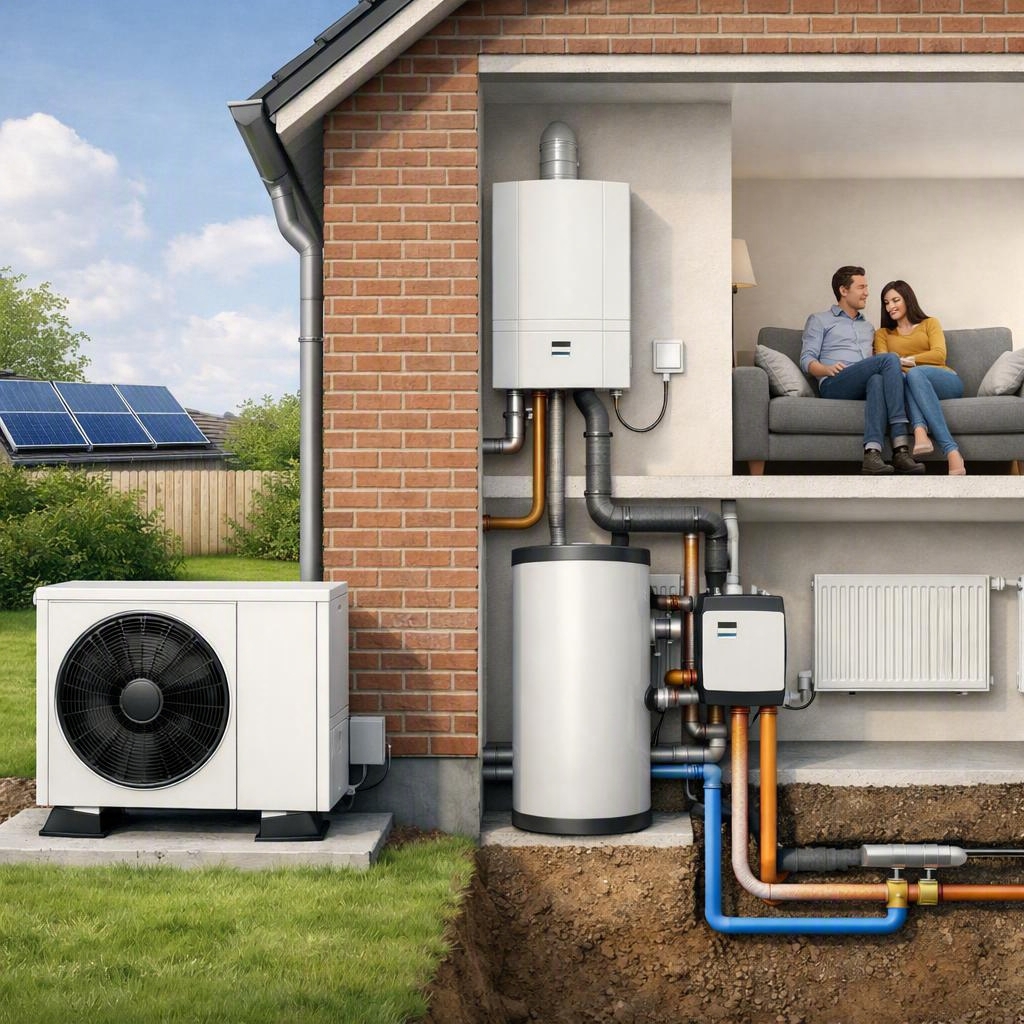
Start with the basics: how much heat does the home lose, what indoor temperature do you want to maintain, what type of radiators or air ducts are present, and at what outdoor temperatures should the system continue to work reliably? Then look at officially published performance, not just general sales promises. Important control points are power at lower outdoor temperatures, noise level of the outdoor unit, electrical connection, required free space and the way in which the system works with the existing boiler or oven. Also include the costs of a heat pump, including possible adjustments to pipework, control and electricity.
A simple layout helps with the assessment. Suitable: reasonable insulation, stable basic heat demand, usable output and sufficient space for installation. Doubtful case: poor insulation, unknown system temperatures or unclear electricity consumption. Less suitable: very high heat demand, comfort problems during cold periods or insufficient electrical capacity without additional adjustments. This way you make the choice more concrete and prevent you from relying solely on general promises.
Local energy prices count heavily. The ratio between gas and electricity partly determines whether hybrid heating remains financially attractive. A system that fits well technically is not automatically the most economical choice to use. Therefore, check not only the purchase price, but also how often the heat pump can run independently in your climate and when the additional heat source should take over. It is precisely this ratio that determines whether the best hybrid heat pump for your situation is really the most logical investment.
How do you compare options without leaning on brand names?
Compare on performance, limitations and alternatives
First clearly define what you are comparing: a hybrid heat pump is a system that combines a heat pump with an existing or additional combustion source for peak loads or cold conditions. The main choice is usually simple: this type is especially strong if you live in an existing home, want to reduce gas consumption and do not want a major renovation. A second route is fully electric, but only if insulation, delivery system and grid connection allow this. Another sensible route is to first insulate or improve the climate control system if the home still requires high temperatures.
Then only compare points that you can check. Look at seasonal efficiency, performance at low outdoor temperatures, noise limits at the installation site, maintenance needs and compatibility with your current heating source. Also pay attention to limitations: not every system provides the same comfort in severe cold, and not every home benefits equally. That is why a conditional judgment is the most reliable: yes, a hybrid heat pump can be the best choice, but only if the home, climate and installation conditions are well matched.
If a provider mentions a specific product or model, it is only really worth comparing if it fits your situation well. Then pay attention to practical points such as appropriate capacity, easy integration next to the existing installation, officially checked specifications and room for further sustainability later. This way you don't compare on name, but on usability. This increases the chance that you will end up with a solution that not only looks good on paper, but also works well in your home.

Sources and checkpoints
Use these resources to test claims and check specifications. They help you distinguish between the immediate answer, the conditions, the constraints and the alternatives. When comparing, pay particular attention to officially published performance data, installation requirements and practical guidelines for existing homes.
- Star program, https://www.energystar.gov/
In practice, check at least these points: heat loss from the home, performance at low outside temperatures, noise level, electrical capacity, suitability next to a boiler or oven and local requirements for installation. Those checkpoints are more valuable than general claims about savings or comfort.
Frequently asked questions
When is a hybrid heat pump better than fully electric heating?
A hybrid heat pump is often better if your home is not yet ready for fully electric heating. You see this in existing homes with radiators, mixed systems, limited electrical capacity or varying winter cold. The heat pump can then run efficiently for many hours, while the additional heat source absorbs peaks.
Does a hybrid heat pump work well in an older home?
Yes, but only if the home does not lose excessive heat and the heating system is still usable. Hybrid can be a good fit in an older home with reasonable insulation and manageable supply temperatures. With poor insulation or drafts, the benefit often decreases and you must first improve the shell.
What do I pay attention to when comparing different hybrid systems?
Compare power at cold outside temperatures, official efficiency, noise level, required electrical connection, space for the outdoor unit and cooperation with your existing boiler or oven. Also look at local energy rates, because they partly determine whether the system makes financial sense in your situation.
When is a mentioned product or model a logical option and when should I check extra?
A mentioned product or model is only a logical option if the capacity matches the heating demand of your home, the installation works well with your existing heating source and the official specifications are clear for cold performance, sound and power connection. Additional checks are necessary if your home is poorly insulated, if the installation has little space or if it is unclear how often the additional heat source should be used.
Conclusion
The best hybrid heat pump is not a universal answer, but the solution that best suits the home, climate and installation conditions. For many existing homes in the United States, this system is especially attractive if you want to reduce gas consumption without immediately going fully electric. At the same time, the result remains dependent on insulation, climate control system, peak load, local energy prices and officially stated performance at low outside temperatures.
If you have an existing home with a current heating system and varying winter temperatures, compare these points now: heat loss from the home, suitability of the heating system, available electrical capacity, installation space, local energy rates and officially published performance in cold conditions. With this check you can much better assess whether the best hybrid heat pump for your situation really provides more comfort, lower dependence on gas and a suitable investment.