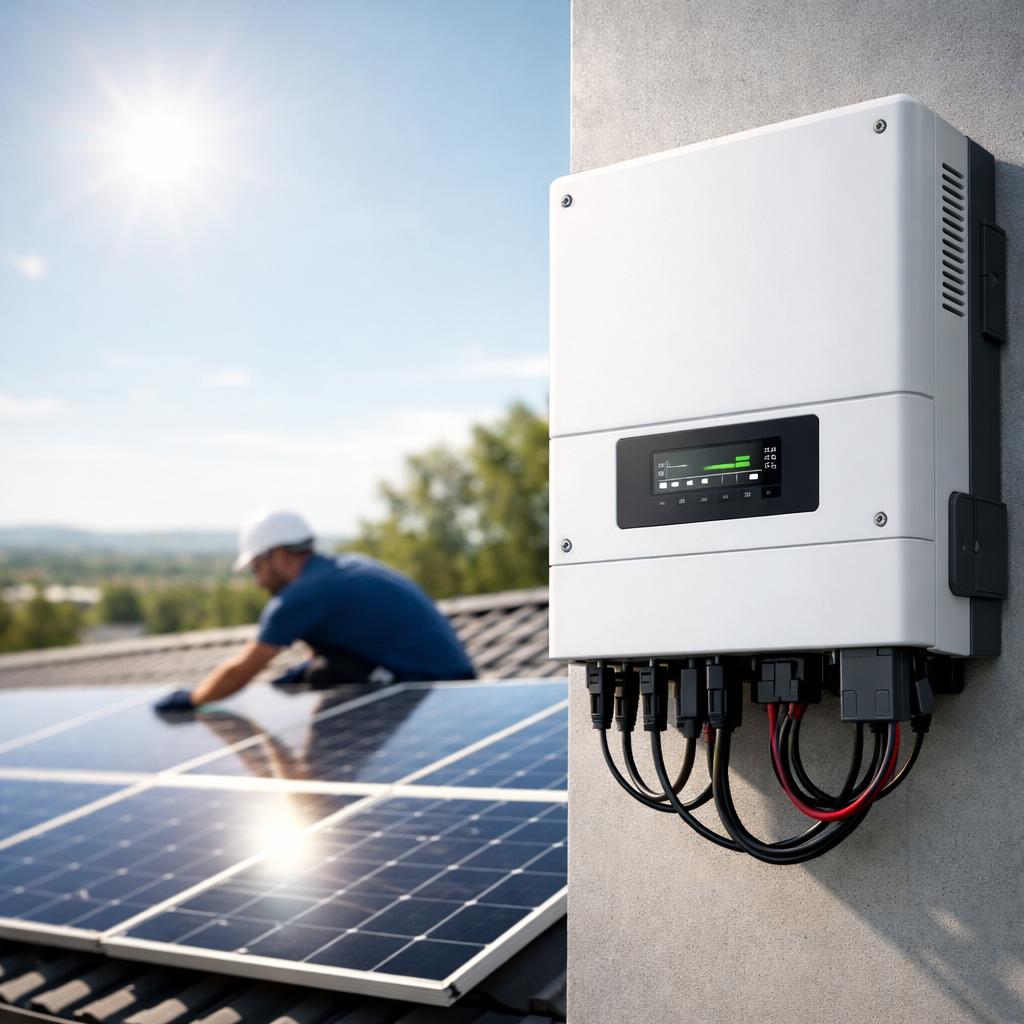
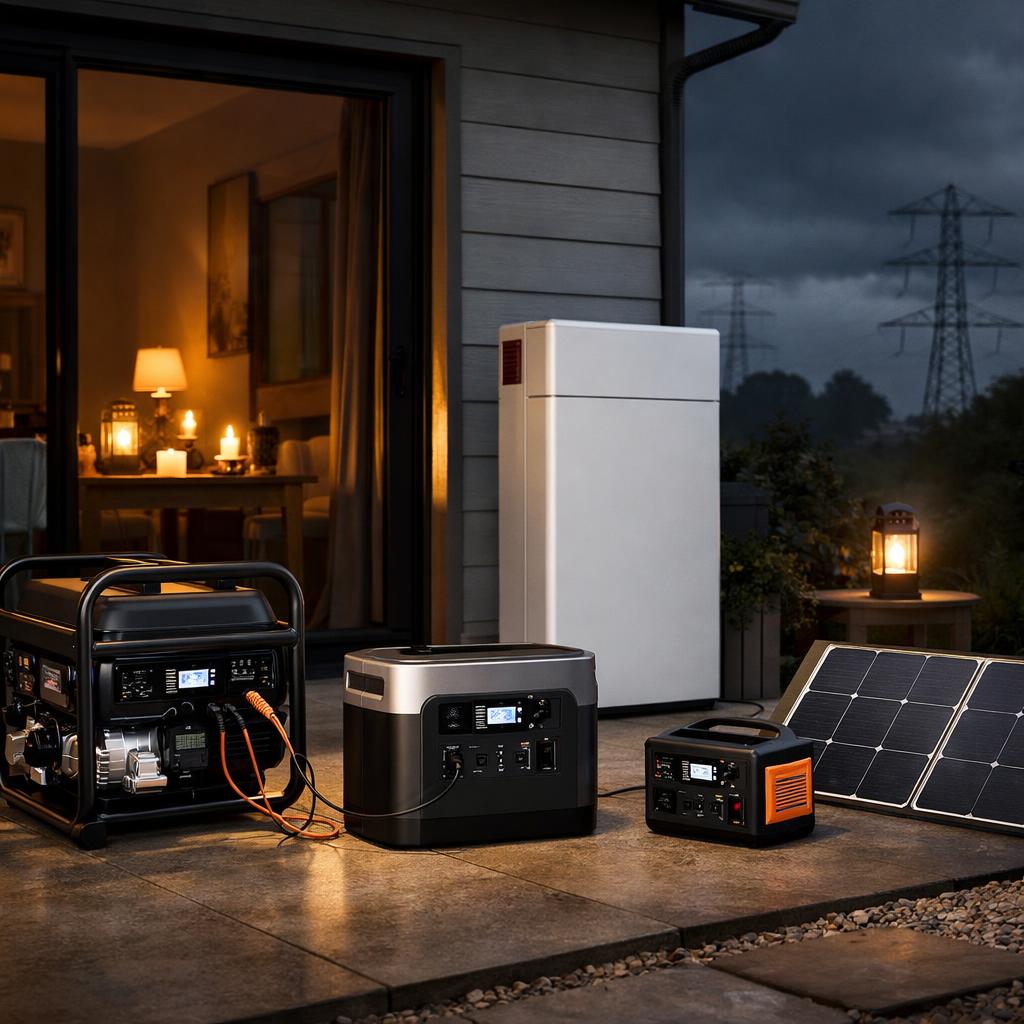
Short answer: A 20 kWh home battery often makes sense for higher power consumption, high consumption in the evening, a clear desire for emergency power or a larger installation with solar panels. For many other homes the following applies: yes, but only if that storage is actually loaded and used regularly.
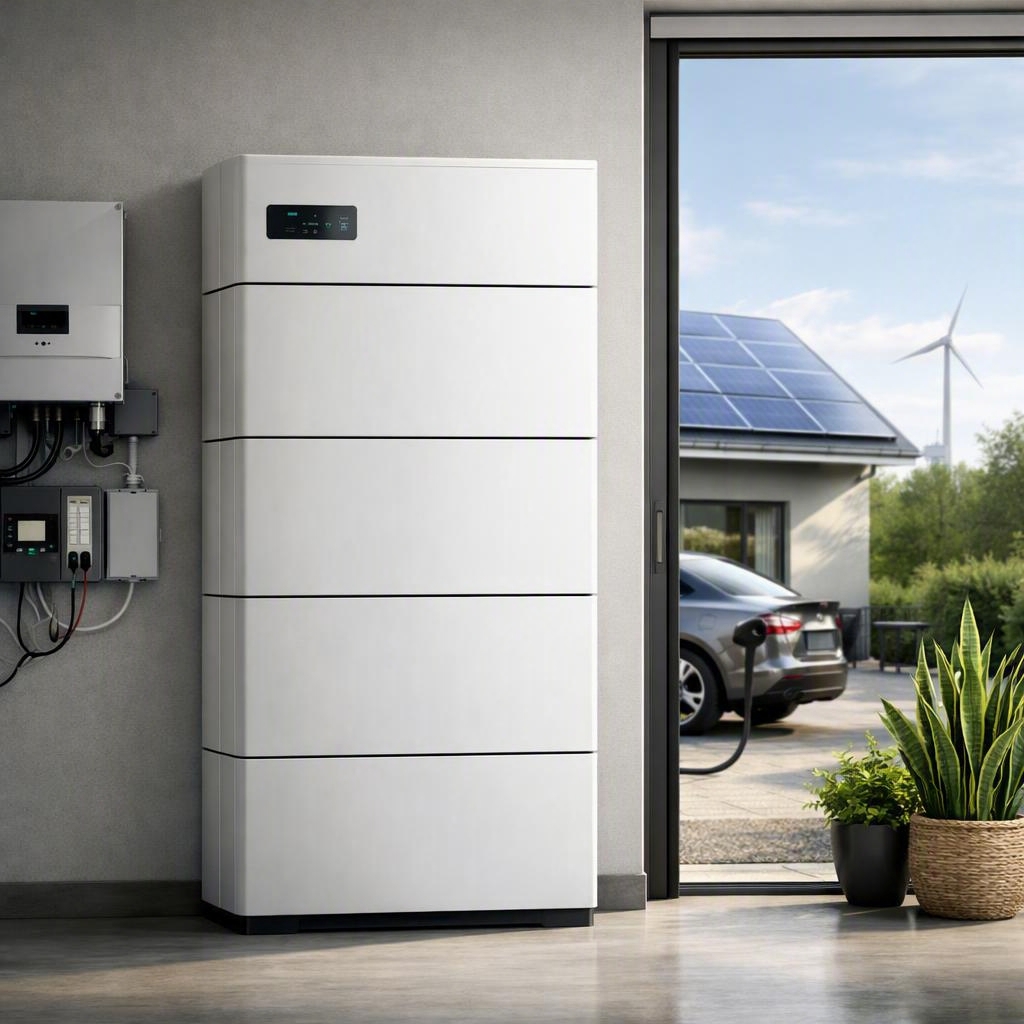
The right choice depends less on the number alone and more on your own situation: daily consumption, simultaneous load, desired duration of emergency power, inverter setup, available space and local regulations in the United States. That is why it is wise to first calculate your home battery capacity and only then compare systems.
When is a 20 kWh home battery suitable?
A 20 kWh home battery is especially suitable for homes that can really use that capacity. Consider larger households, houses with a lot of evening consumption, homes where several important groups have to continue working during a power outage, or situations in which a lot of solar power is generated and otherwise fed back into the grid. In such cases, 20 kWh can be practical, because the battery is not only large on paper, but also adds value in everyday use.
This capacity is usually recommended if you want to support several heavier consumers, want to have emergency power for longer or want to save more of your own solar power for later in the day. A 20 kWh home battery is less suitable for low consumption, limited generation, a small budget or an emergency scenario in which only basic devices are important. Then a smaller or expandable solution often makes more sense.
- Recommended for: high daytime consumption, high evening consumption, a lot of solar power, several important groups and a serious desire for emergency power.
- Less suitable for: low consumption, limited solar generation, short emergency power needs, few heavy appliances or little installation space.
- Important checkpoint: compare your actual consumption and desired hours of emergency power with the usable storage capacity, not just with the name 20 kWh.
What should you pay attention to technically and practically?
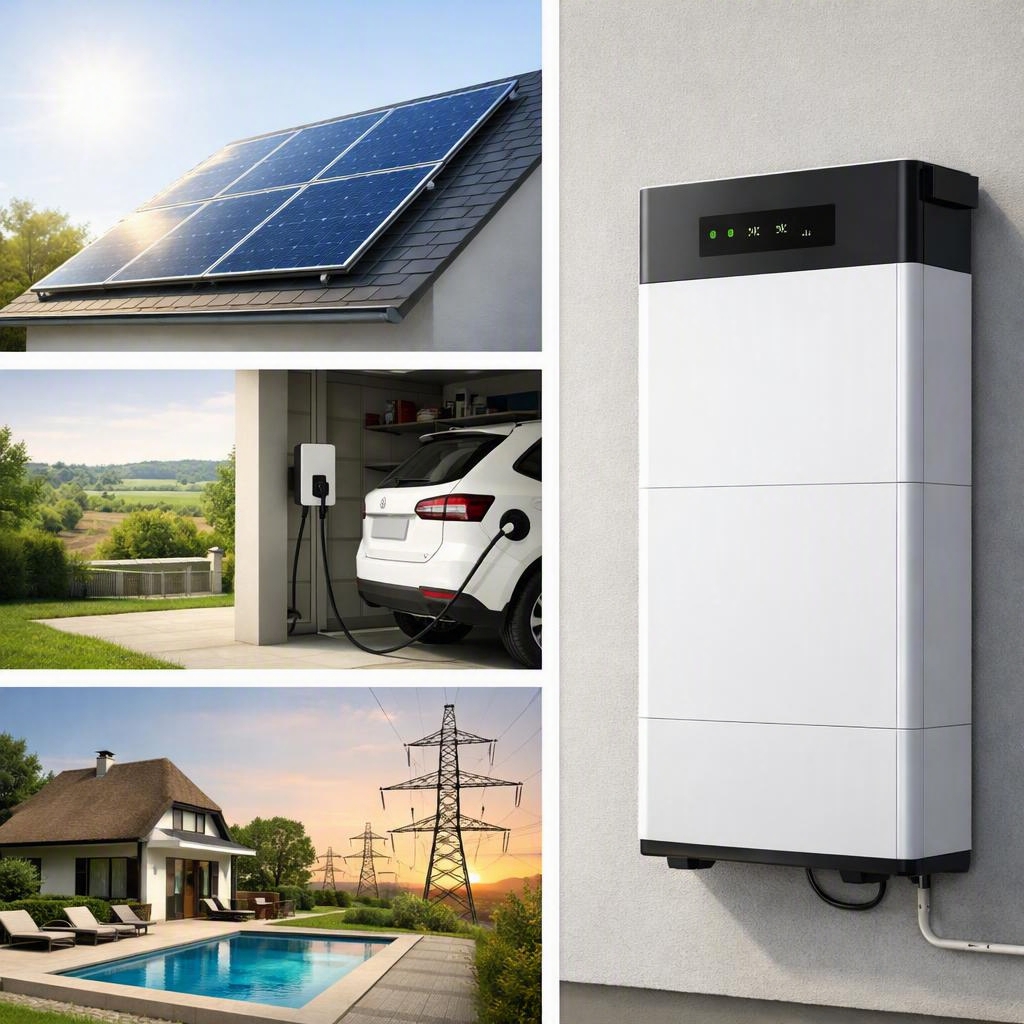
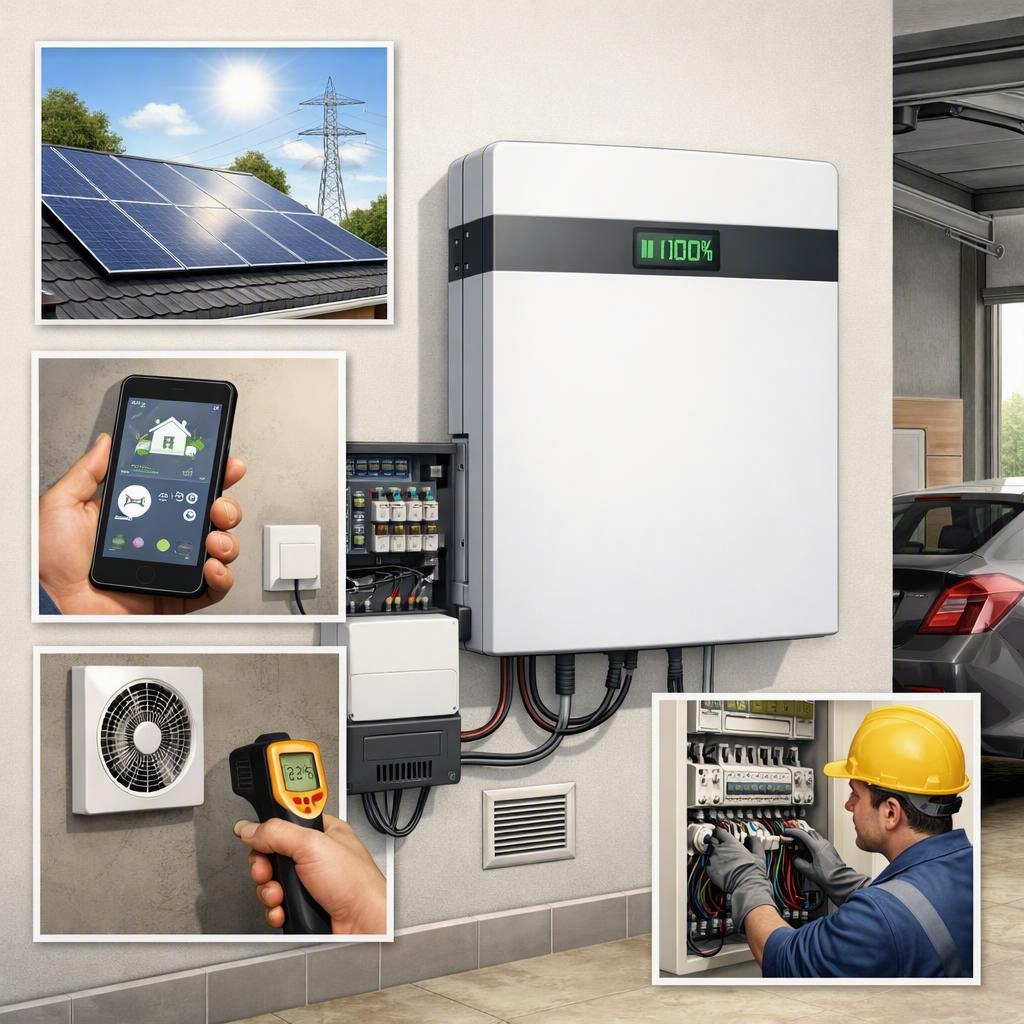
With a battery, it is not only the specified capacity that counts. What is more important is how much of it is useful in practice. Therefore, pay attention to usable capacity, discharge limit, conversion loss and charging speed. The power is also decisive. A large battery with insufficient continuous power may still fail if, for example, a heat pump, air conditioning, cooking appliances or a charging point require power at the same time.
In addition, the system must fit well with the existing inverter and with a home battery with solar panels. In the United States, permits, fire safety, ventilation, mandatory distances and utility company conditions can make a big difference. A 20 kWh battery is therefore only really suitable if capacity, power, installation location and local regulations are well matched.
What to check first
First, make a short list of the devices and groups you really want to support. Then see how much power they require at the same time and how long they have to continue working during a fault. Then check whether the battery you are considering has enough usable capacity and sufficient continuous power. Without that step, there's a good chance you'll end up buying too much storage or choosing a system that can't handle the most important load.
- Technical points: usable capacity, continuous power, peak power, charging time, discharge limit and inverter design.
- Practical points: wall or floor space, temperature, ventilation, fire safety, distance requirements and access for installation.
- Grid and rules: requirements of the municipality, inspection, permit and local utility company can determine what is actually allowed.
When an smaller or expandable solution fits better
A smaller battery is often wiser if your consumption is limited or if you mainly want to supply a few critical groups. An expandable system can be attractive if your consumption will increase, for example due to electric driving or additional solar panels. This gives you more flexibility and prevents you from immediately being tied to a larger investment that is not yet fully necessary.
Which alternatives are logical if 20 kWh does not fit?
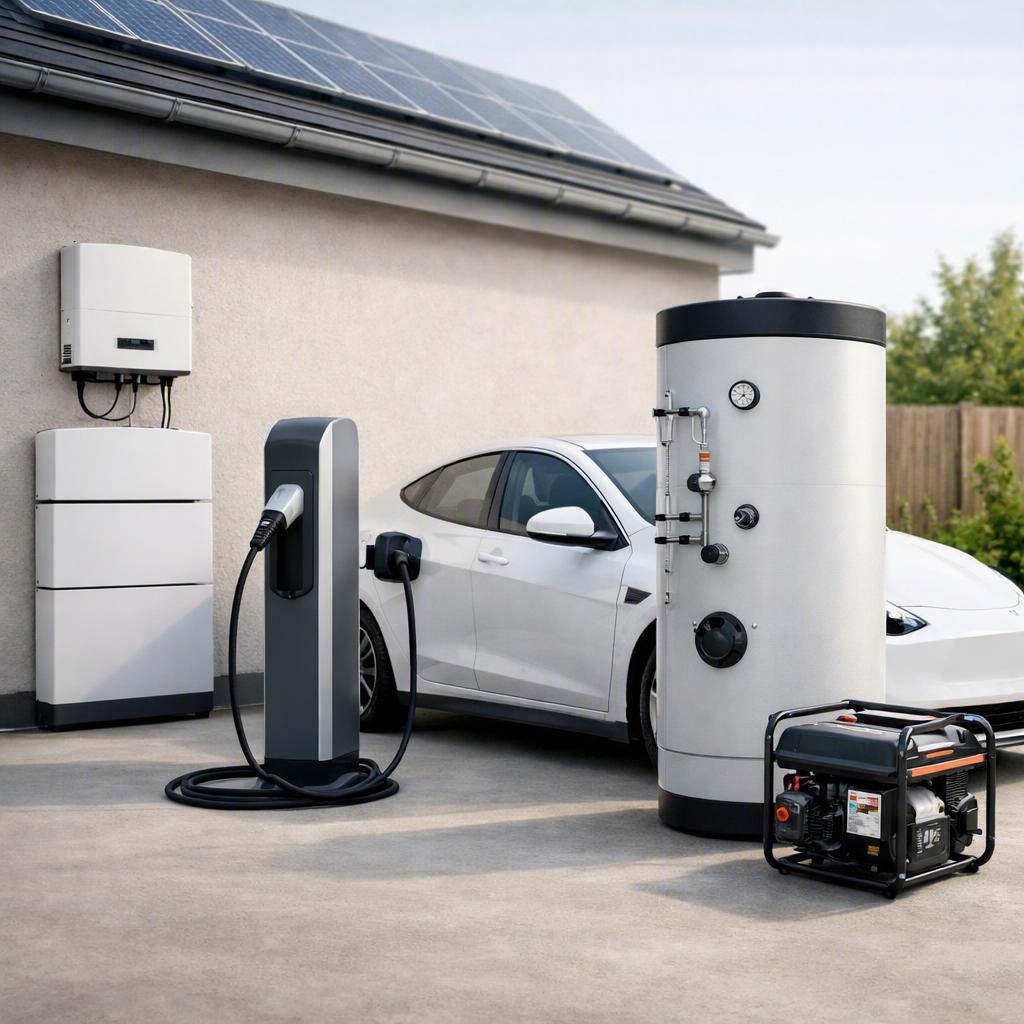
If 20 kWh is too large, too expensive or technically inconvenient, there are usually three logical directions. The first is a smaller battery that is better suited to actual evening consumption and limited emergency power demand. The second is an expandable setup, which lets you start small and add more capacity later. The third is a targeted emergency power solution in which only critical groups are supplied instead of a large part of the home.
That makes the choice clearer. The main option is 20 kWh for homes with clearly high demand and a serious desire for backup. The second option is a smaller or expandable system for households with varying consumption, uncertain budget or an installation that has not yet been determined. As an exploratory option, you can first measure how much energy your critical groups actually require. This often gives a more realistic picture than just looking at the largest capacity.
- assessment:without meter data, load list and local rules, no capacity is right for everyone.
Sources and control points
Always use authoritative sources in your assessment and combine general explanations with official product specifications and local regulations. Check not only what a system promises, but also what is technically and legally possible in your home.
- US Department of Energy — Homeowner's Guide to Solar Energy — https://www.energy.gov/eere/solar/homeowners-guide-going-solar
- National Renewable Energy Laboratory — Information about energy storage and resilience — https://www.nrel.gov/energy-storage/
- National Fire Protection Association — Standard 855 for stationary energy storage systems — https://www.nfpa.org/codes-and-standards
- US Energy Information Administration — Energy use in homes — https://www.eia.gov/energyexplained/use-of-energy/homes.php suitable?
Usually for a larger household with relatively high power consumption, frequent use in the evening, a clear desire for emergency power or a large yield from solar panels. The capacity makes particular sense if you can load and unload that storage often.
How long can a 20 kWh home battery provide emergency power?
That depends on the actual load and the usable capacity. Only critical appliances can continue to work for much longer than a home in which heavier consumers are also running at the same time. Therefore, always look at your own emergency group list.
Can a 20 kWh home battery be too big for my home?
Yes. This mainly happens with low consumption, limited solar generation or an emergency plan that only consists of a few basic devices. In such a situation, a smaller or expandable system may be a better fit for usage, space and cost.
When is an expandable system a logical choice and what additional checks do I need to check?
An expandable system makes sense if your consumption can still grow or if you are not yet sure how much storage you really need. Then check the official specifications for expandability, compatibility with the inverter, usable capacity per expansion, installation conditions and requirements of the local utility company.
Conclusion
A 20 kWh home battery can be a good choice, but usually only if your home has a higher power demand, has a lot of evening consumption, generates sufficient solar power or needs a serious emergency power function. For homes with lower demand or limited generation, a smaller or expandable solution is often more practical.
The best next step is concrete: compare your daily consumption, simultaneous peak load, desired emergency power duration, usable capacity, continuous power, official product specifications and local installation conditions. This allows you to quickly see whether a 20 kWh home battery really fits, or whether a smaller or expandable system makes more sense in your situation.