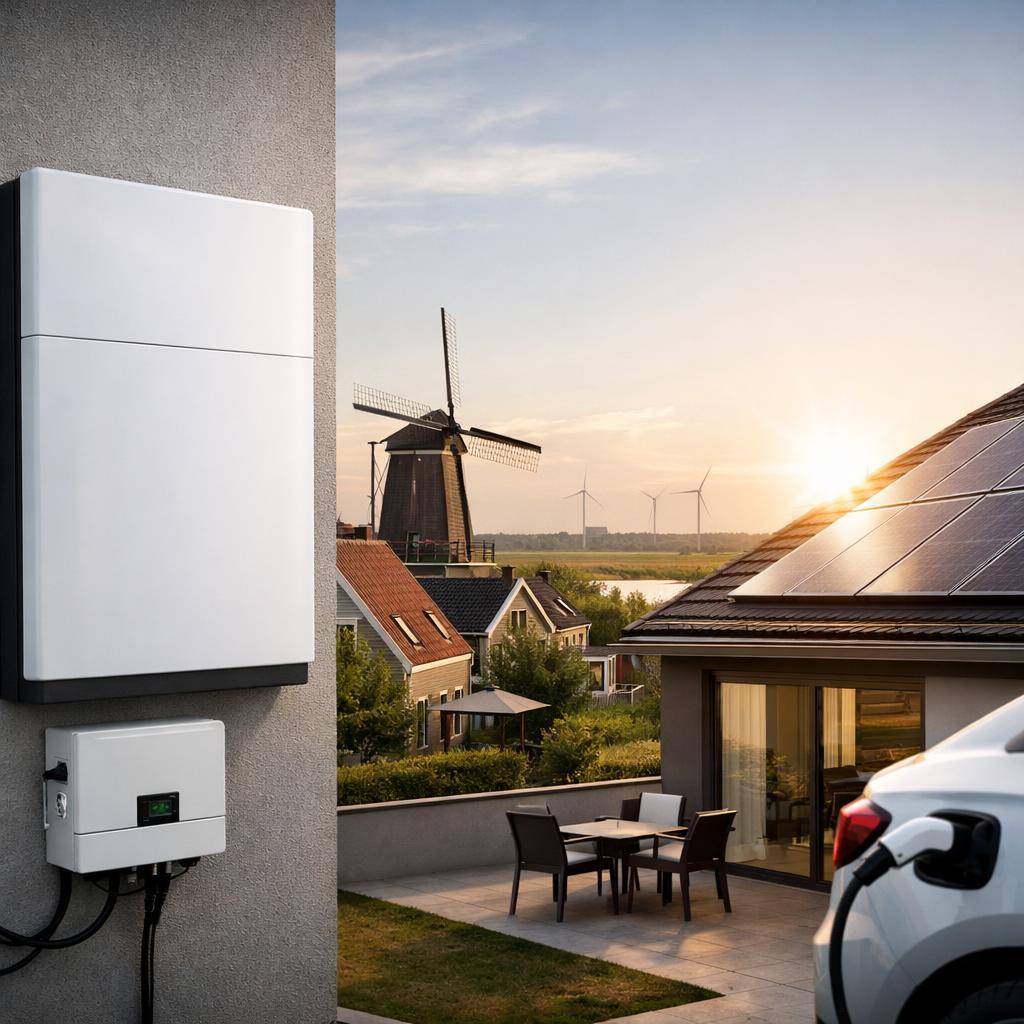
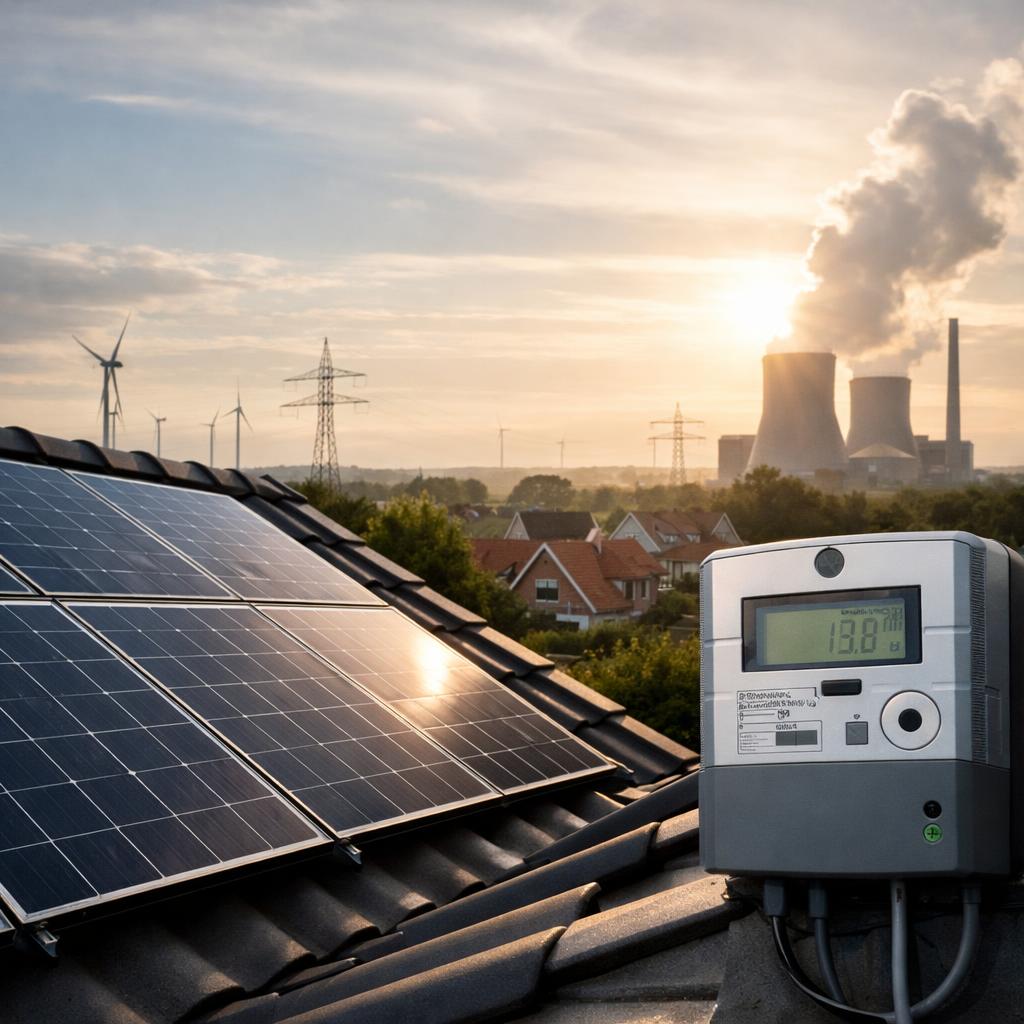
Short answer: the solar panel netting scheme means that electricity that you supply back to the grid is offset against electricity that you later purchase from the grid. As a result, you pay less on your energy bill on the netted portion, but the final outcome depends on your consumption, your feed-in, your connection, your meter registration and the conditions of your energy contract.
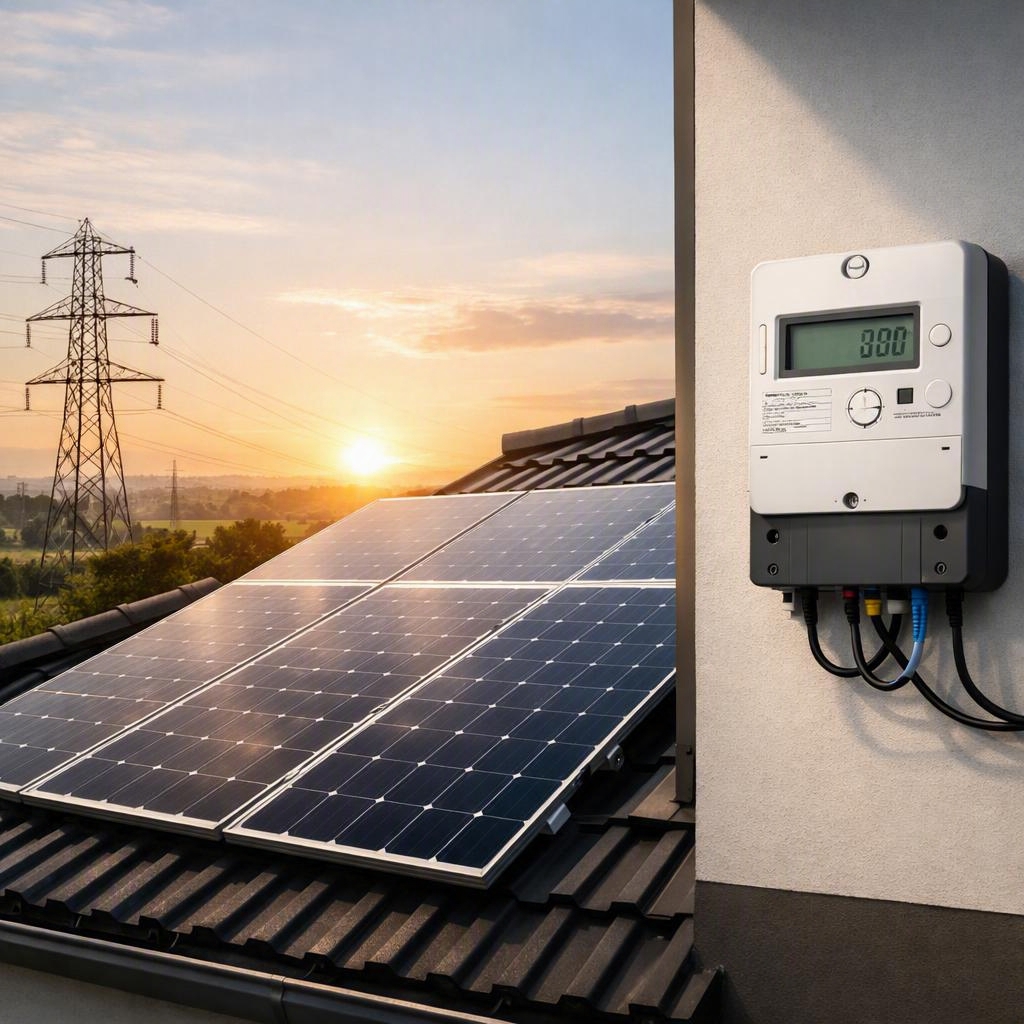
For most households, the most important question is therefore not only whether netting applies, but above all how much electricity you use directly yourself, how much you supply back on an annual basis and what compensation applies for a surplus. So always check your annual invoice, your contract and the current rules before drawing conclusions. If you first want to better understand approximately how much your installation yields, see also how to calculate the yield of solar panels.
How does the netting scheme for solar panels work?
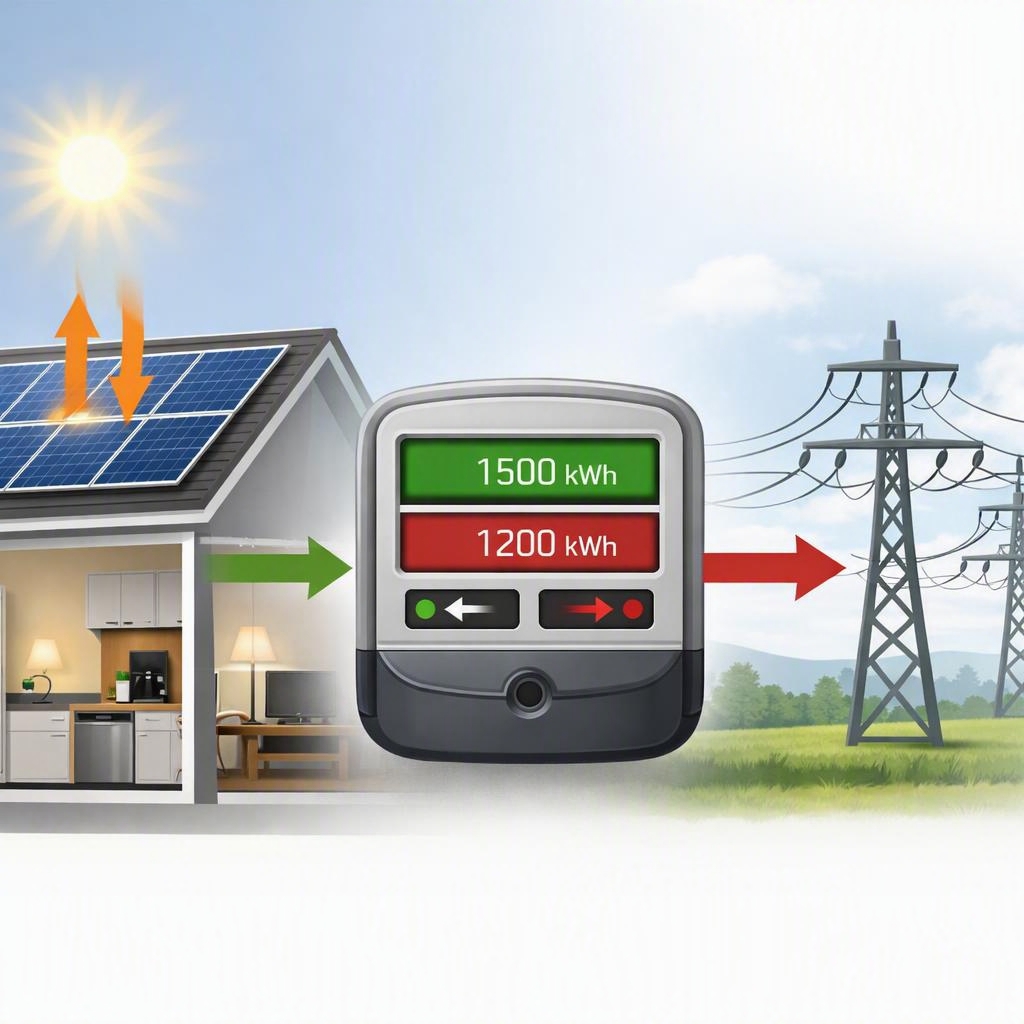
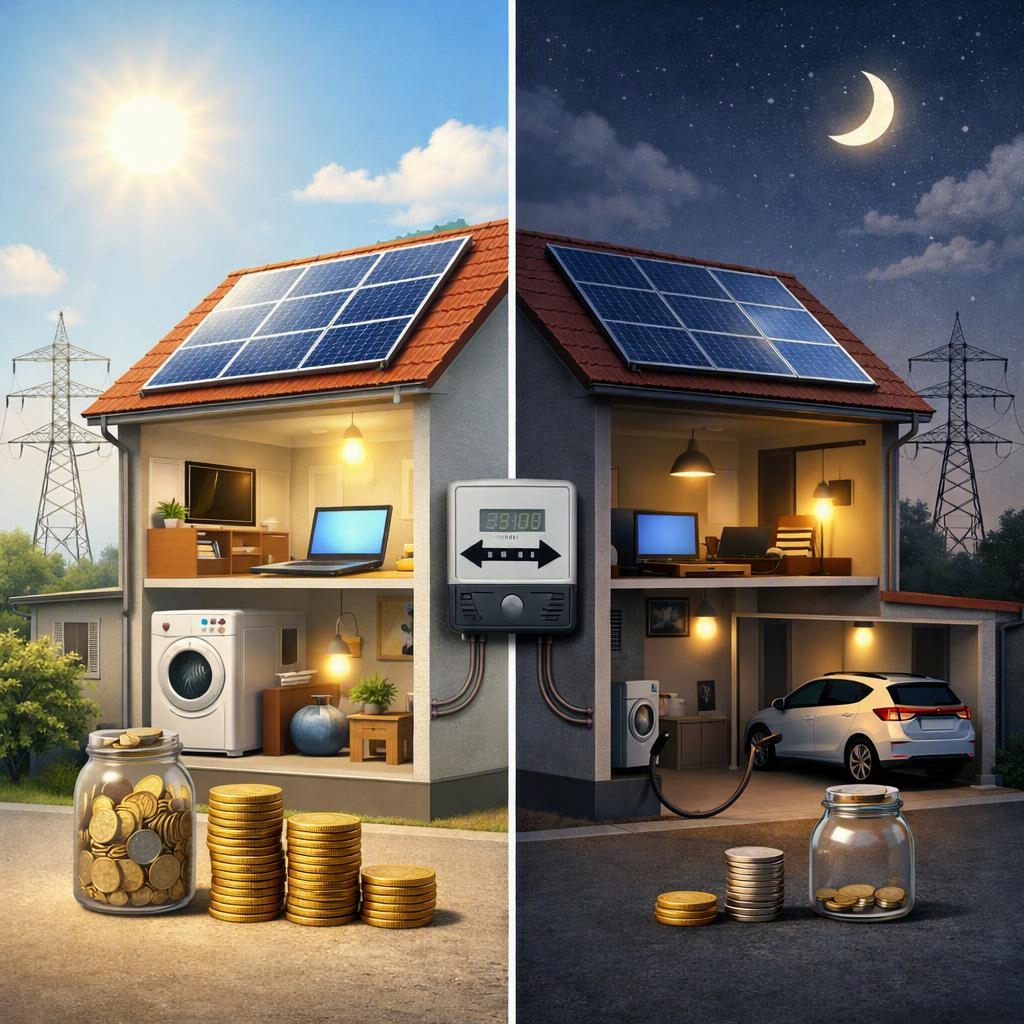
In practice, netting is a settlement on your energy bill. If you generate electricity with solar panels that you do not immediately use in your home, that electricity goes into the electricity grid. At another time, for example in the evening, you may take power from the grid again. The solar panel netting scheme makes it possible to offset this return against your purchase, usually within the same annual period and for a small-scale consumer connection.
The outcome usually consists of three parts. First there is direct self-consumption: that is electricity that you immediately use yourself as soon as your panels generate it. Then comes the netted part: that is the returned power that is offset against the purchased power. Finally, a surplus can arise if you return more than you purchase over the year. This surplus is not subject to the netting arrangement itself, but to a separate compensation from your supplier. It is therefore wise not to confuse netting with feed-in compensation explained.
That distinction is important, because many calculation examples are presented too simply. Anyone who only looks at total generation often misses the difference between electricity that you use immediately and electricity that you only settle later. It is precisely that difference that determines how favorable the arrangement will be in your situation.
When is netting beneficial and what should you check first?
Netting is usually beneficial for households that regularly supply electricity during the day, but still need electricity from the grid at other times. You often see this in homes where the panels generate a lot during the day, while part of the consumption takes place in the evening or in colder months. In such a situation, the scheme helps to bring the value of electricity supplied back closer to the value of electricity purchased, as long as you stay within the applicable rules.
Things become less favorable when you generate much more than you consume on an annual basis, or when you mainly look at the number of panels and not at your actual consumption profile. Then the compensation for the surplus plays a greater role. Contract conditions can also make a difference, for example in the way in which returns are settled or what costs a supplier charges. A good first step is therefore not only to look at your panels, but also to compare energy contracts for solar panels.
Recommended for and less suitable for
The netting scheme is especially suitable for households with a small-scale consumer connection that has both off-take and return supply on an annual basis. If you regularly generate electricity during the day and then use electricity from the grid again later, netting often has clear value. The scheme is less decisive for households that use the majority of their solar power directly themselves or, on the contrary, structurally supply much more back than they consume. In those cases, direct self-consumption or the compensation for surplus weighs more heavily in the financial outcome.
Contract, meter readings and compensation above netting
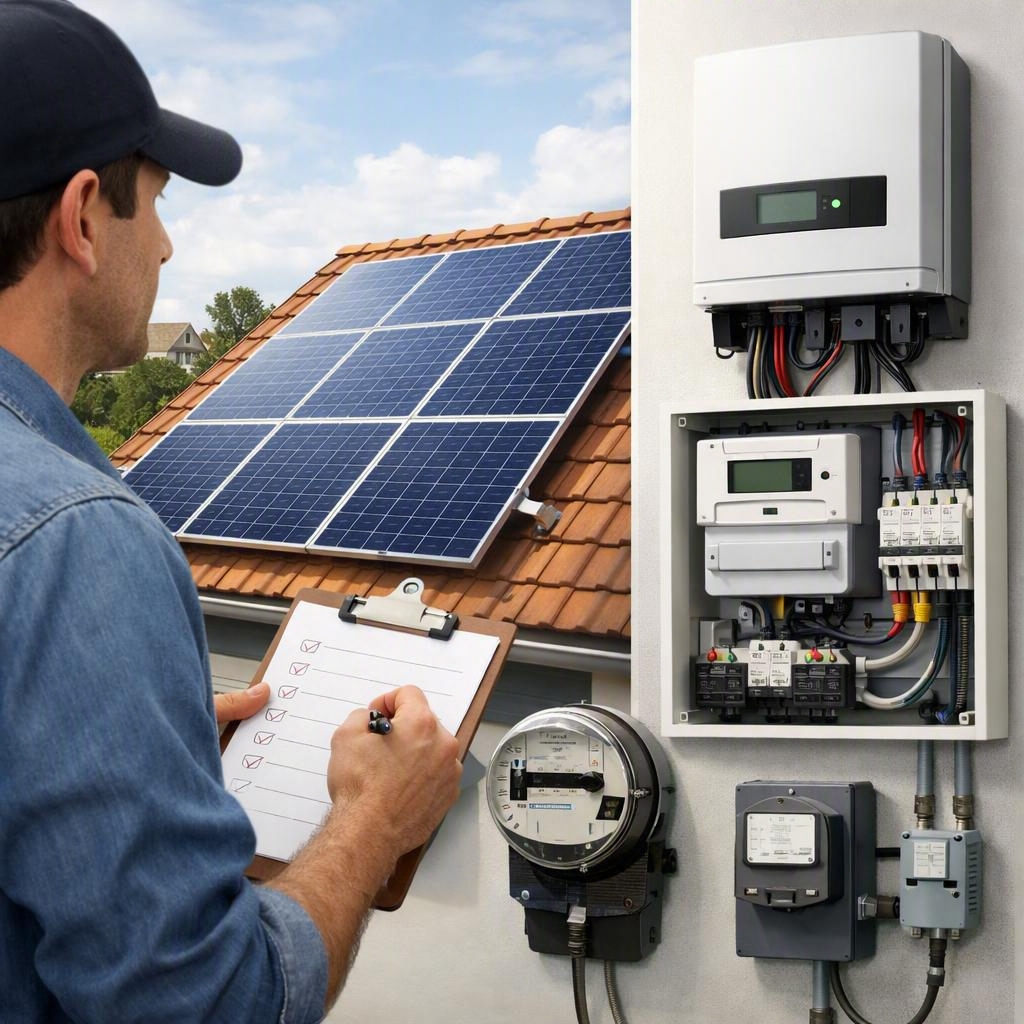
First check four points side by side: your annual purchase, your annual return, your direct self-consumption and the conditions of your energy contract. Then check whether your meter registers purchase and return separately and properly. Without reliable meter data, it is difficult to determine whether the settlement on your annual invoice is correct.
Then check what compensation applies to electricity that you supply more than you can offset. Also pay attention to additional conditions, fixed costs or other calculation methods that affect your bill. The rules surrounding solar panels and feed-in can change, making old assumptions quickly outdated. The most practical order is therefore: first view your consumption profile, then your meter registration, then your contract and finally the current rules. This way you assess the solar panel netting scheme based on your own situation instead of on a general example.
Sources and checkpoints
Use multiple reliable sources to check definitions, terms, and current rules. The government explains the scheme itself, regulators help with questions about energy bills and consumer rights, and implementation organizations provide practical information for homeowners. In addition, always check your own documents, because the actual outcome on your bill depends on your consumption and contract.
- Central Government, How does the netting scheme for solar panels work?, https://www.rijksoverheid.nl/onderwerpen/duurzaam-energie/question-en-response/hoe-werkt-de-salderingsregeling-voor-zonnepanelen
- Autoriteit Consument en Markt, Energy, https://www.acm.nl/nl/onderwerpen/energie
- Rijksdienst voor Ondernemend Nederland, Solar panels for homes, https://www.rvo.nl/onderwerpen/duurzaam-ondernemen/gebouwen/woningen/verduurzaming-woning/zonnepanelen
- ConsuWijzer, Energie, https://www.consuwijzer.nl/energie
- Check in your own situation always: annual invoice, contract conditions, meter readings, separate registration of purchase and return and the rules that apply at the time of assessment.
Frequently asked questions
What is the netting scheme for solar panels in simple language?
In simple language, it means that electricity that you generate too much and supply back to the grid is offset against electricity that you use again later. As a result, you in fact pay for the difference, as long as it falls within the applicable rules and your contract.
Does netting also apply if I generate more electricity than I consume?
Yes, but only up to the part that you can offset against your own purchase. If you return more in a year than you purchase, there will be a surplus left. There is no netting for that part, but a separate feed-in compensation according to the conditions of your energy supplier.
Is direct self-consumption more important than supply?
Often yes. Electricity that you use immediately does not have to be settled later and is not dependent on a compensation for surplus. However, feed-in remains important if you generate more during the day than you can immediately use. In practice, a combination of direct self-consumption and good settlement gives the clearest picture.
What should I check first on my energy bill?
Start with your annual purchase, your total return and the way in which these are offset against each other on the annual invoice. Then check the contract conditions, the compensation for a possible surplus and whether your meter readings logically correspond to your actual use. Then compare your consumption, feed-in, contract conditions, meter registration and current rules, so that you can assess whether the solar panel netting scheme is really beneficial in your situation.
Conclusion
The core is simple: the solar panel netting scheme offsets returned power with purchased power, but you only see the real value if you look beyond just the total generation. Your direct self-consumption, your annual feed-in, your connection, your meter registration and the compensation for a surplus together determine how favorable the scheme is for you.
If you want to make a realistic assessment, compare your annual consumption, feed-in, contract conditions, meter registration and the current government regulations. It is precisely these checkpoints that show whether your current situation is correct, whether your energy bill is structured logically and where netting really benefits your household.