Short answer: Removing solar panels is often necessary in the event of roof damage, a renovation, outdated panels or a move. The work seems clear, but requires a safe approach on the roof and on the electrical installation. If you want to prevent damage, leakage or malfunctions, it is advisable to determine in advance whether the panels need to be removed temporarily or permanently.
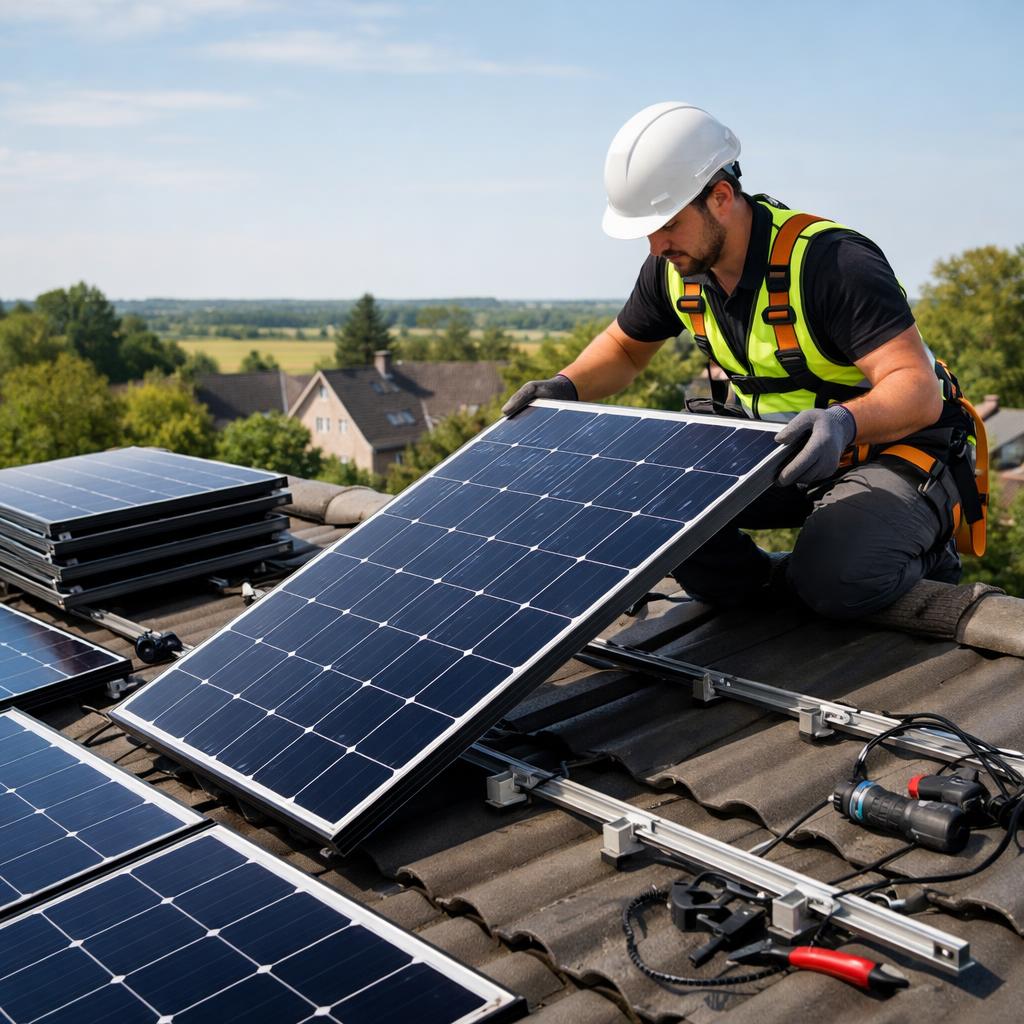
In many cases this happens at the same time as roof repair or roof replacement. Then strict planning is important, so that disassembly, storage and replacement fit together properly. The condition of the rails, cabling, inverter and roof duct also plays a role. Because every installation is different, it is wise to have it checked by a professional if you want to avoid loss of yield, damage to the roof or warranty issues.
When removing solar panels is the best choice
Removing solar panels is not only necessary if a panel is defective. It often occurs with worn roof coverings, leaks, insulation work, a dormer window, an extension or the sale of a home. In such situations it is usually smarter to temporarily remove the installation than to work around it. Especially with older roofs, postponement can cause more costs later. Anyone looking to remove solar panels for roofing usually wants to know how long the system will be out of use and whether reinstallation remains possible without damage.
Common situations during roofing, replacement or relocation
When moving, the decision is different. Not every installation is easy to take with you, and sometimes leaving it behind is financially more attractive. In other cases, removing and replacing solar panels makes sense, for example with a new roof or another home in the same region. Outdated panels, worn rails or poor roof penetration can also be a reason to remove the installation. Do not only look at the panels themselves, but also at mounting points, plugs and cabling. It is precisely these parts that determine whether safe replacement is feasible.
How the removal works and what risks you want to prevent
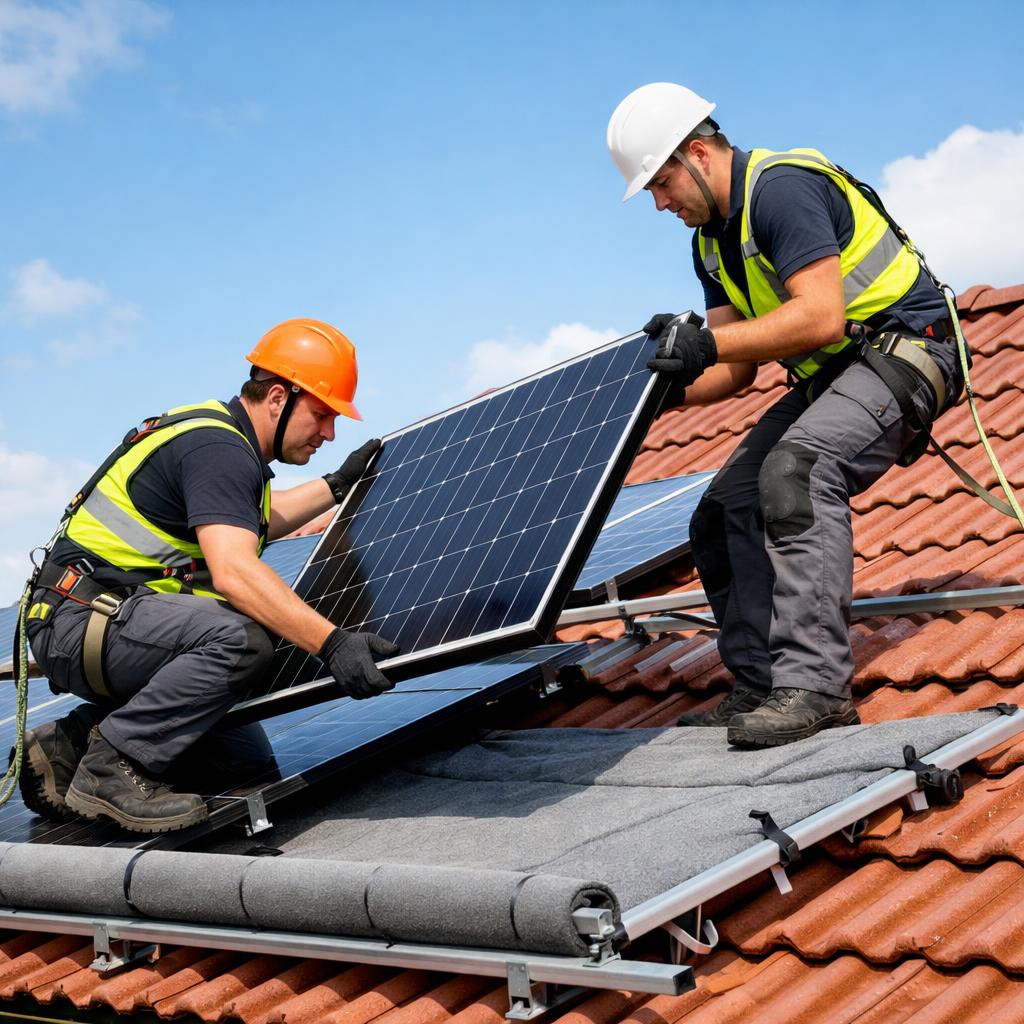
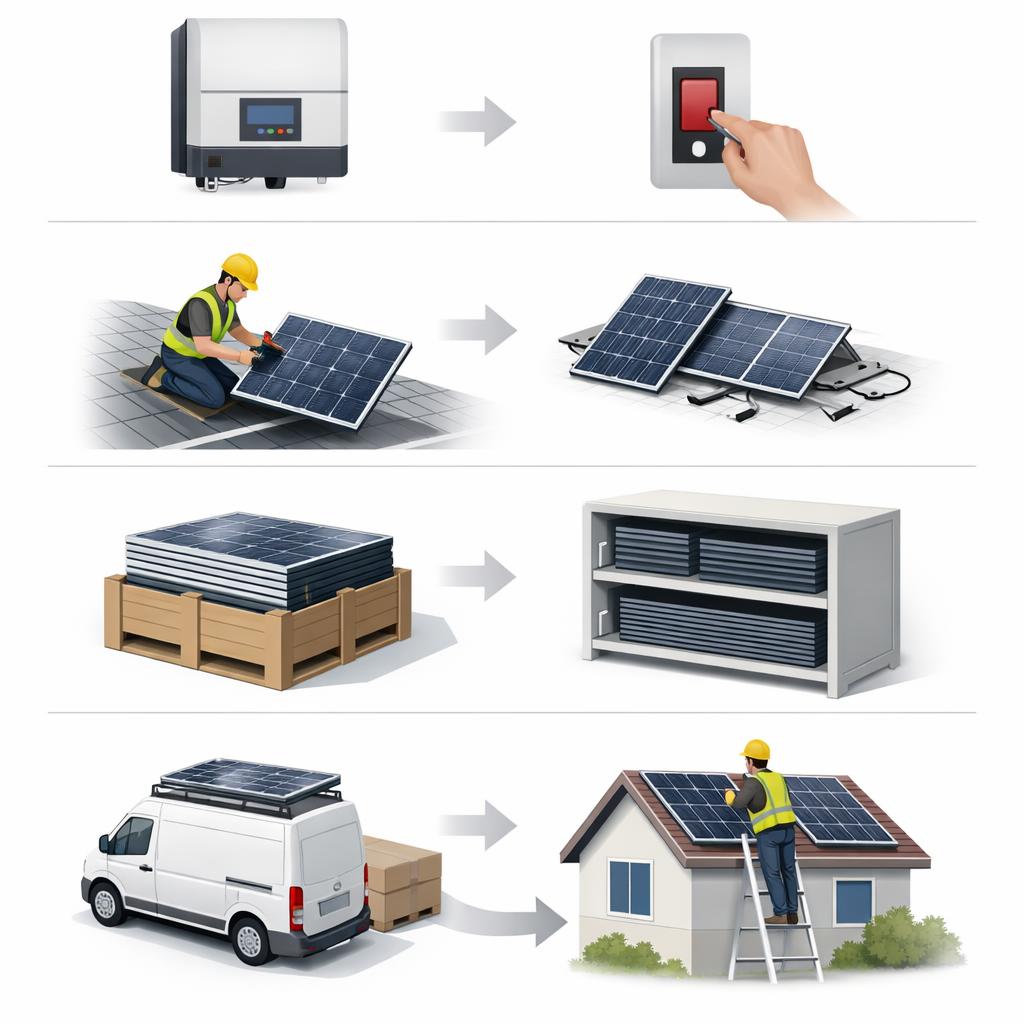
Careful removal starts with de-energizing the installation. The panels are then disconnected, numbered and removed from the roof one by one. The rails, clamps, roof tiles or roof covering and the penetrations are then checked for wear or damage. That sounds simple, but problems often arise in this phase if you work too quickly. Think of broken roof parts, moisture problems or malfunctions after reinstallation. That is why the choice between doing it yourself or having it done is important: it is not just about lifting, but also about switching it off safely and dismantling it neatly.
Work safely, switch off the installation and protect the roof
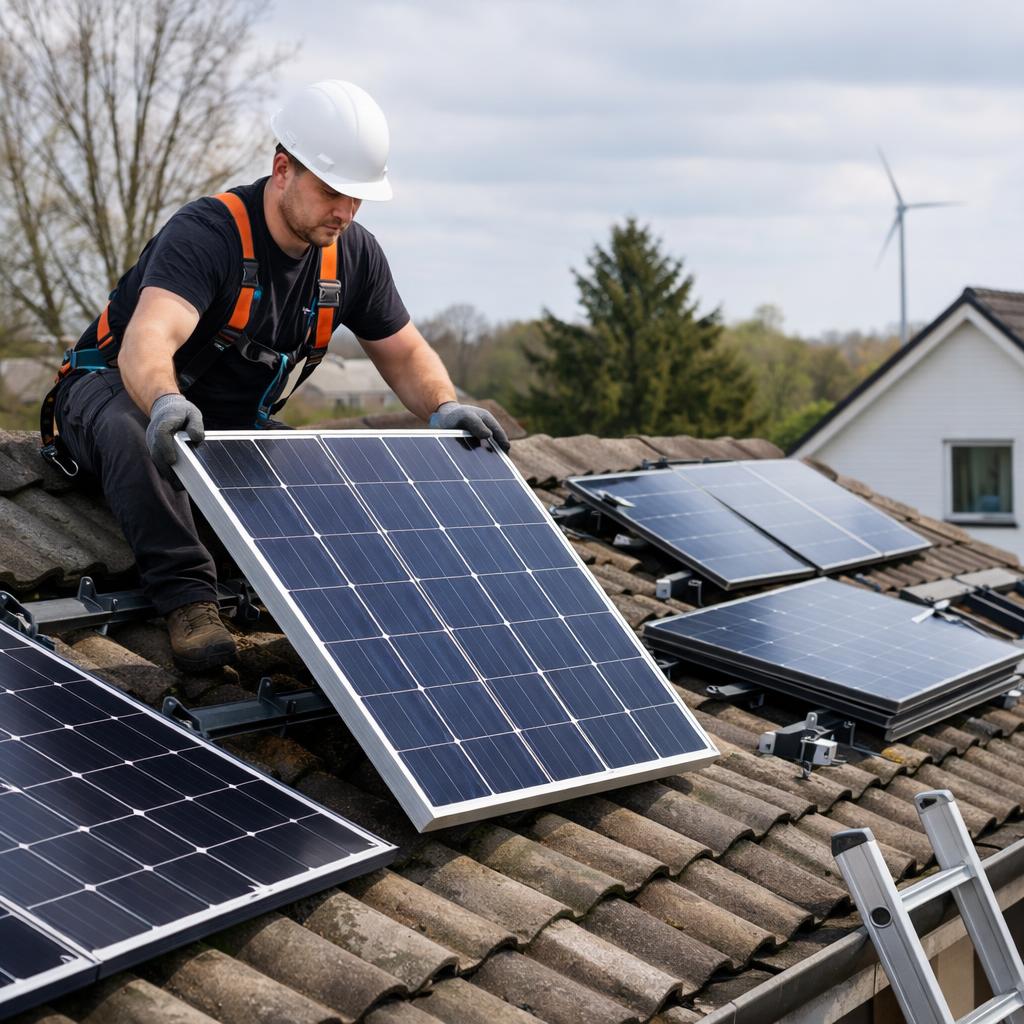
Safety always comes first. You work at heights, with tension and often on vulnerable roof materials. A professional knows how the installation is safely switched off and how panels are temporarily stored without damage to glass, frame or plugs. It is also usually recorded which panel was where, so that replacing it later is faster and neater. It is also wise to have it checked immediately whether the roof construction, mounting and cabling are still in good condition. This prevents minor defects from developing into larger failures or leaks after reinstallation.
Costs, relocation and the choice between doing it yourself or outsourcing
The costs for removing solar panels depend mainly on the number of panels, the height and accessibility of the roof, the type of mounting system and whether storage and relocation are included. A simple job on an easily accessible roof is usually cheaper than work on a steep or difficult to reach roof. Additional work, such as replacing worn rails, damaged plugs or old cabling, also counts. Anyone who compares prices should therefore not only look at the total amount, but especially at what is included: dismantling, disposal, storage, inspection, reinstallation and reconnection.
What the price depends on and when craftsmanship is wise
Doing it yourself sometimes seems cheaper, but that advantage quickly disappears if damage occurs to the roof, panels or cabling. Professional work is especially sensible for large installations, older roofs, unclear electrical connections or when the panels must immediately generate power again afterwards. If reinstallation is part of the planning, also look at maintenance and reinstallation of solar panels. This gives you a more complete picture of the entire process, from removal and storage to reassembly, testing and safe commissioning.
Conclusion
Removing solar panels requires more than just removing a few panels. Whether it concerns roofing, replacement or a move, good preparation helps to prevent damage to the roof, loss of parts and malfunctions after relocation. Particularly if the panels have to be removed temporarily, it is important that disassembly, storage and reinstallation fit together properly. This gives peace of mind in the planning and prevents unnecessary extra costs.
For many homeowners, outsourcing is the safest choice, especially when working at heights, electrical connections or doubts about warranty and insurance. Still, it is useful to understand in advance which steps are required and which factors determine the price. If you carefully plan the removal of solar panels, you increase the chance that the installation will work safely, neatly and reliably again later.
Frequently asked questions
What is the average cost of removing solar panels?
This depends on the number of panels, the height of the roof, accessibility and whether relocation is part of the assignment. A simple situation without additional work costs less than a project with storage, new fastening or additional roof inspection. Therefore, always ask exactly what work is included in the price.
Can I remove solar panels myself?
This is possible in theory, but in practice the risks are high. You not only work at heights, but also with electrical parts and vulnerable roof materials. Without experience, panels, plugs or roof parts can become damaged. When in doubt, having it carried out is usually the wisest choice.
How long does removing and replacing take?
For a smaller installation, removal can often be done within one working day. Reinstallation depends on the roof work, weather conditions and inspection of parts. Larger or difficult to reach systems usually require more time. Clear planning prevents unnecessary downtime.
Can the same panels always be placed again?
Often yes, as long as the panels, mounting and cabling are still in good condition. Wear, cracks, rust or outdated parts may require replacement. Therefore, before reinstallation, always have it checked whether the system is still safe and whether all parts are still suitable for reuse.