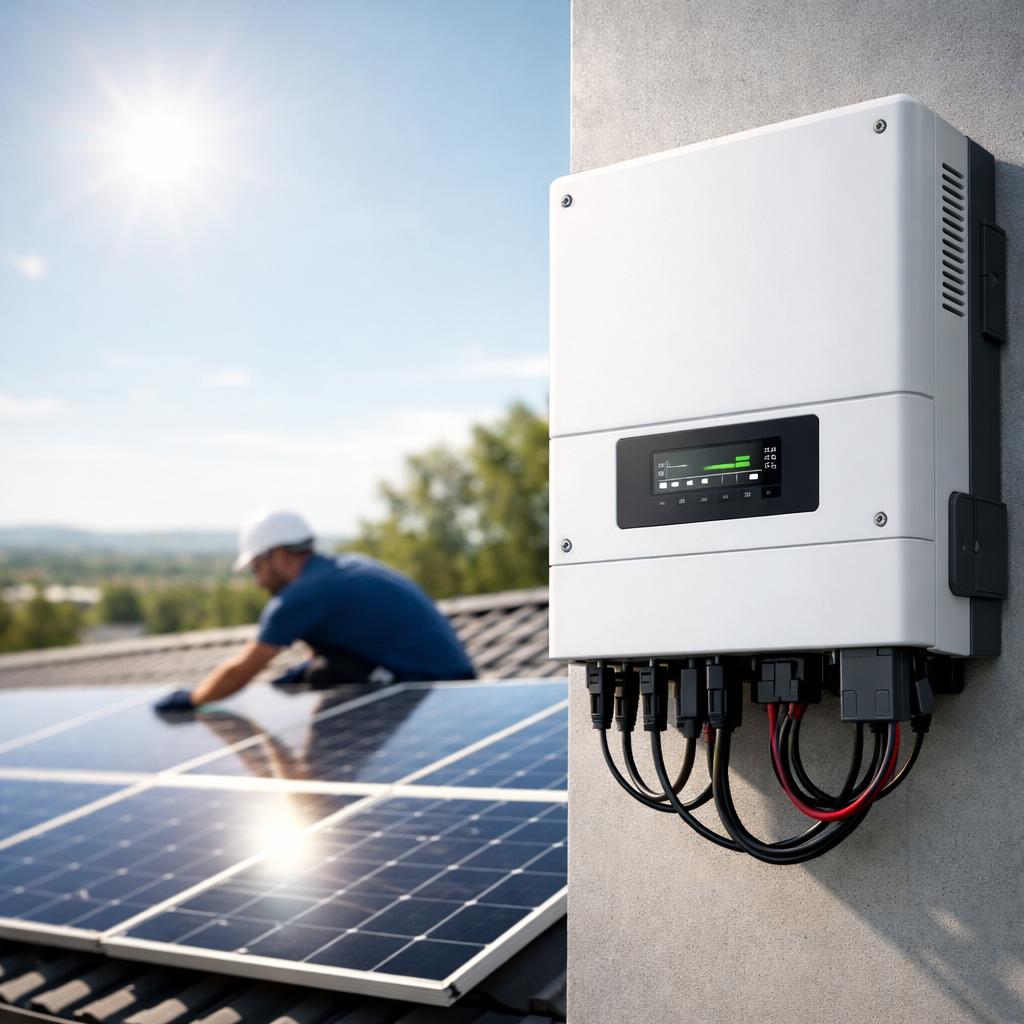
The best AC-coupled battery for existing solar panels is usually not one fixed model, but the system that really suits your current installation, your power consumption and your plans for the future. AC coupling is often attractive, especially with existing solar panels, because you can add a home battery without immediately replacing your current solar inverter. This often makes the step towards storage easier, clearer and, in many homes, also more practical.
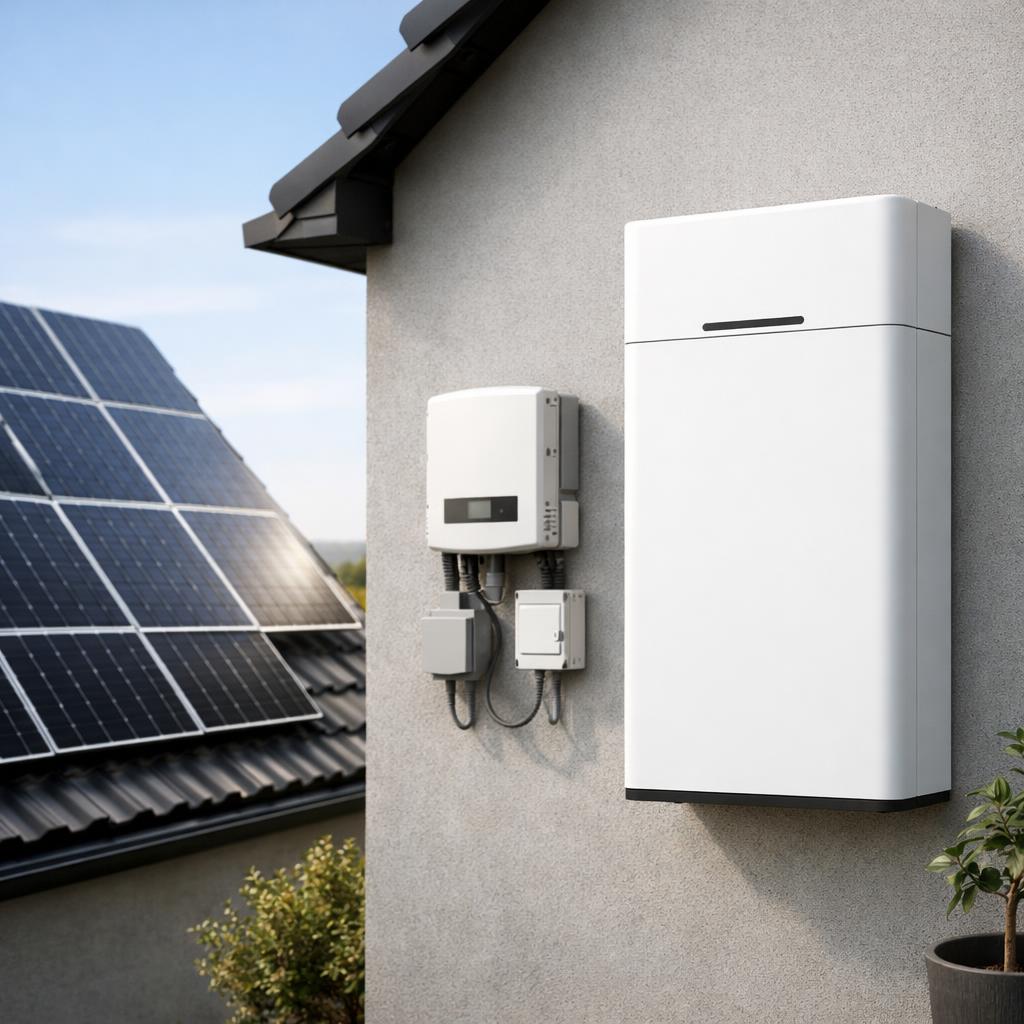
Anyone wondering how a home battery works should not only look at storage capacity, but also at charging and discharging capacity, expandability and the cooperation with your existing inverter. The question What is the best AC-coupled battery for existing solar panels is therefore mainly about use: do you want more self-consumption, lower grid consumption in the evening, room to expand later or a form of backup in the event of a power outage? Only when that is clear can you make targeted comparisons.
Why AC coupling is often the smartest choice for existing solar panels
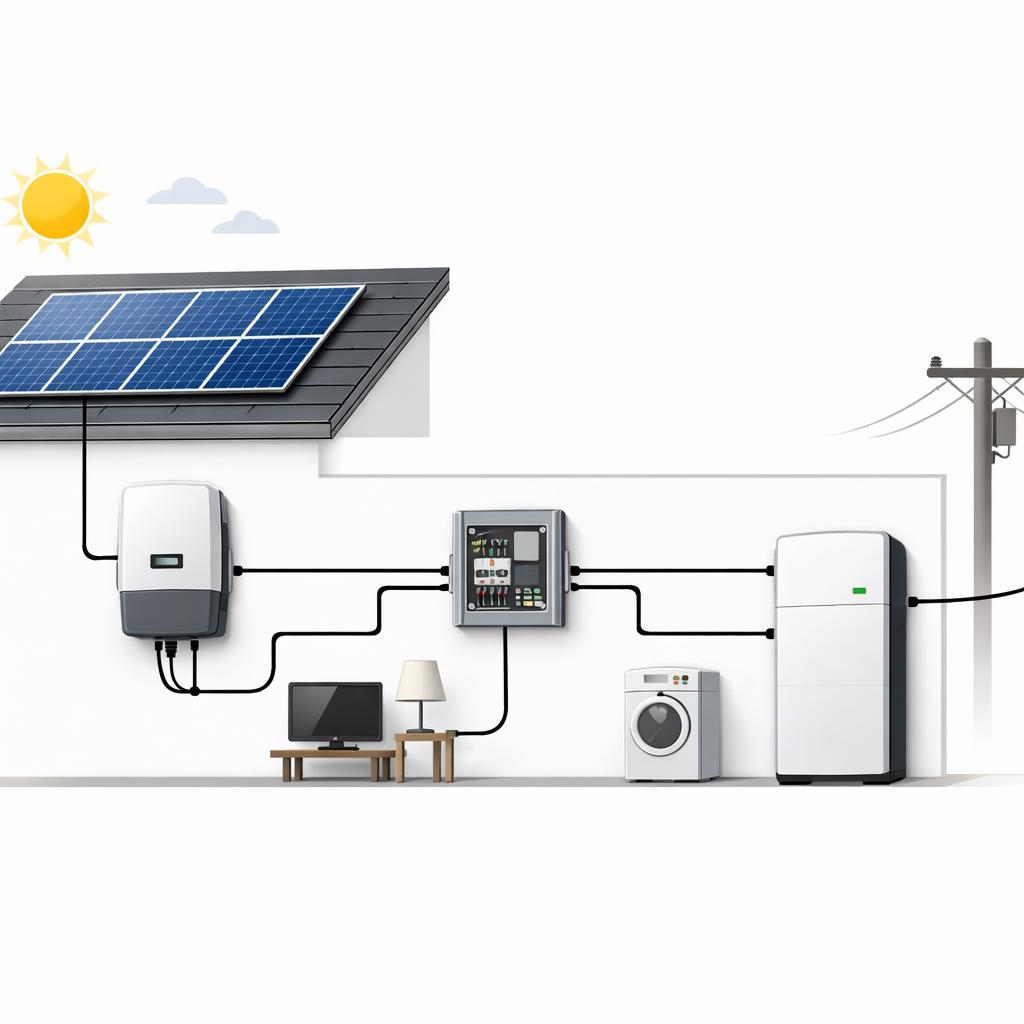
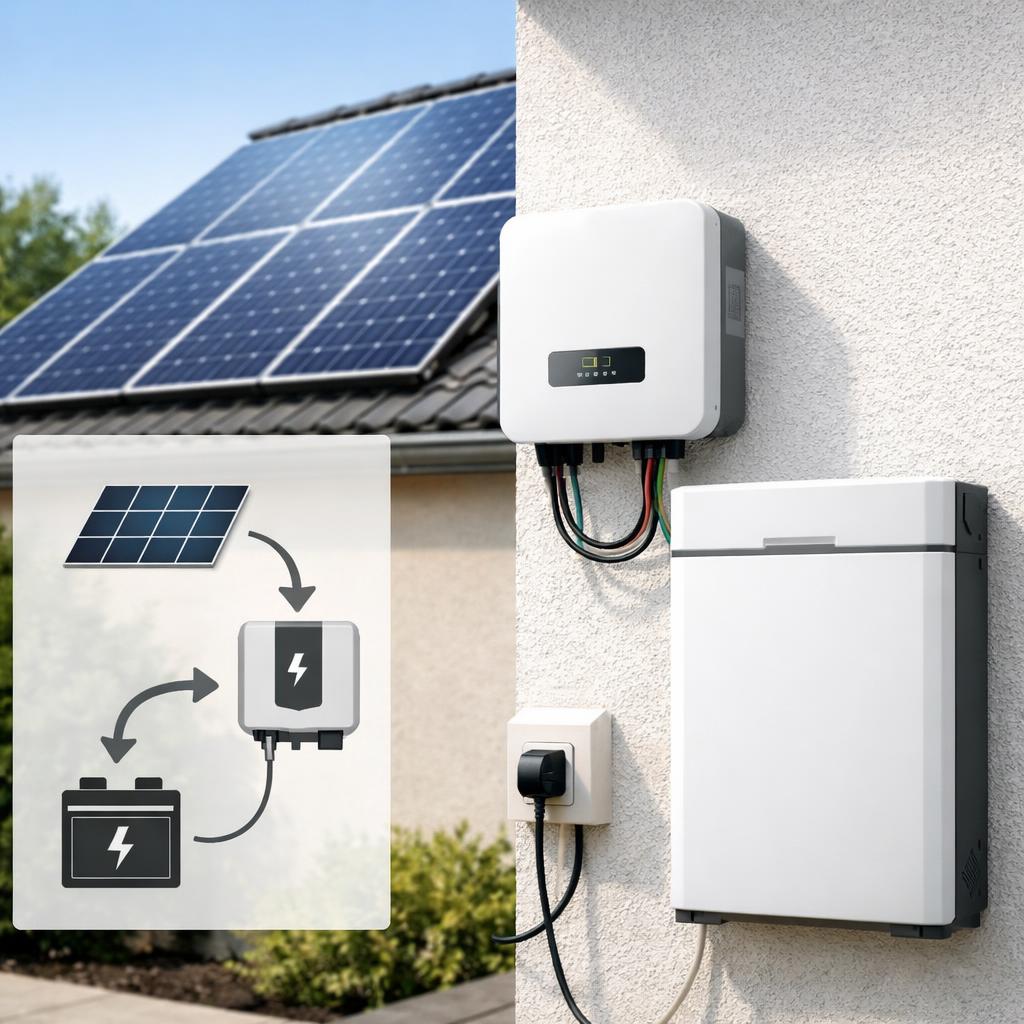
With an existing PV installation, AC coupling often makes sense, because the battery is added to the AC side of the home installation. As a result, a properly functioning solar inverter usually remains in use. This is interesting for homeowners who want to keep their current system and do not want a complete rebuild of an installation that still functions well technically.
That doesn't mean AC is automatically better in every situation. The difference between AC and DC coupling mainly lies in the structure of the system, the route that current travels and the question of whether you are building a new system or expanding an existing installation. For retrofit, AC coupling is usually more practical; With a completely new installation, DC can sometimes be more efficient. Therefore, always have it checked whether your distribution box, phase distribution, measuring device and inverter fit well with the chosen battery.
When AC-coupled is a better fit than DC-coupled
AC-coupled is usually a better fit if your solar panels have been running smoothly for several years and you want to keep that investment. This often prevents unnecessary replacement of parts that still work fine. Even if you want to become more sustainable step by step, for example first a battery and later a charging station or heat pump, an AC system is often easier to install.
On paper, DC coupling can be slightly more favorable in terms of efficiency, but in existing homes simplicity often counts more. Those who mainly want to store their own solar power without major adjustments to the roof or inverter system often opt for AC coupling. In practice, this solution regularly wins in terms of flexibility, installation speed and retention of existing components.
How to choose the best battery: capacity, power and compatibility
Choosing the right battery starts with capacity, expressed in kWh. For a smaller household, a compact battery is often enough to partly cover evening consumption. An average household usually benefits more from a mid-range system that can shift the daily solar surplus to the evening. With higher consumption, for example through electric cooking, a heat pump or an electric car, extra capacity quickly becomes more interesting.
Yet bigger is not automatically better. A battery that is structurally only used for a small part is often less interesting than a system that fits well with your actual profile. So don't just look at how much power your panels generate, but especially at what you still use after sunset. This often gives a more realistic picture of what you need.
In addition to capacity, power in kW is at least as important. This determines how many devices can run on battery power at the same time. Anyone who has several larger consumers at the same time must pay extra attention to this. In addition, compatibility with your current inverter remains a key point. Also check usable capacity, phase layout, warranty, software limitations and the ability to add modules later.
Which battery suits small, medium or high consumption?
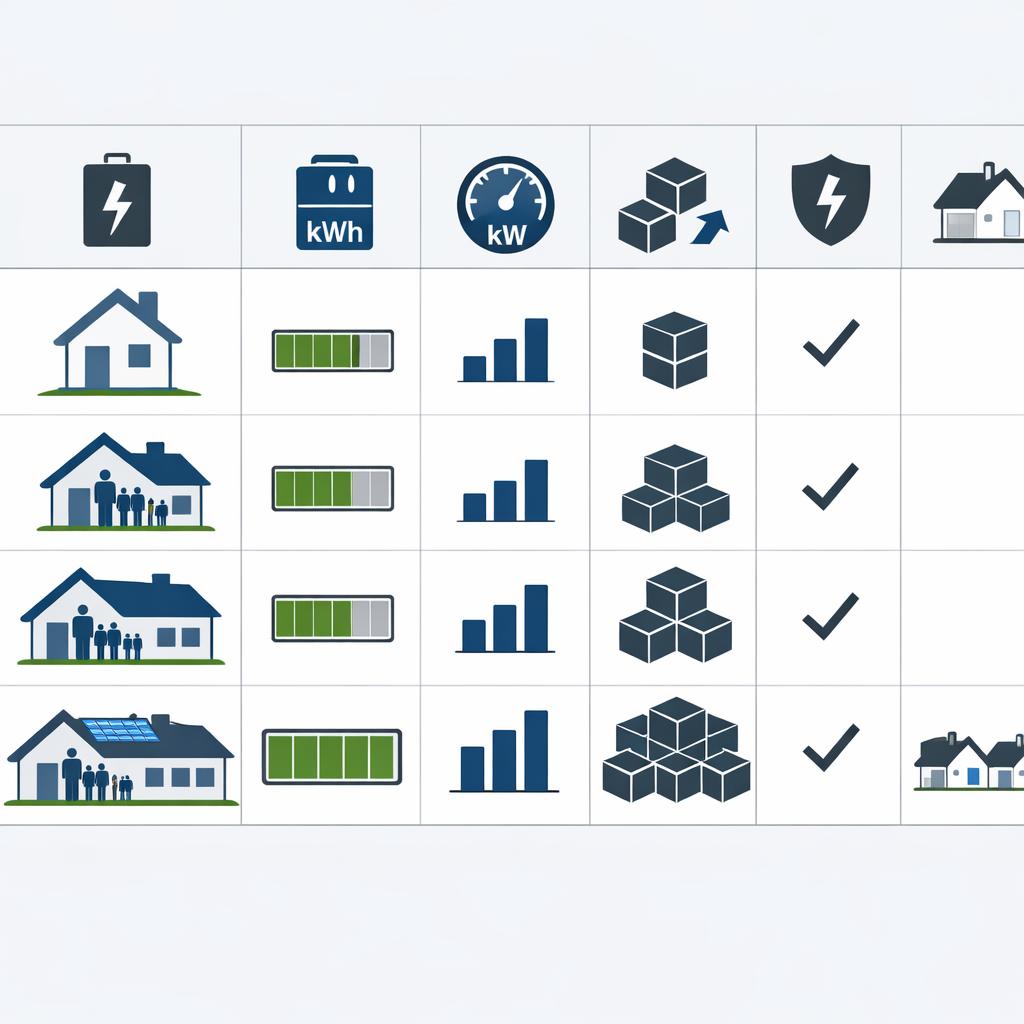
For small consumption, a compact AC storage is often suitable, which is mainly intended to cover the evening hours. For the average household, a mid-range system is usually the best balance between price, daily utility and expandability. Households with high consumption or plans for electric driving should look at more storage and a higher discharge capacity.
Some options that are often mentioned in this category are the NKON ESS Pro 16.1 kWh and NKON ESS Eco 16.1 kWh for households with average to higher consumption, the Taico Solar Storage System 10 kWh as a middle ground, and the Felicity FLA48171-EU 8.75 kWh as a more compact entry-level option. For higher energy demands, systems such as the Felicity FLA48460-EU 23.5 kWh or a 20 kWh stackable solution make more sense. If you are mainly looking for modularity or a budget-friendly route, a Solar Battery Pack ESS from 5 to 25 kWh or a LiFePO4 battery such as the WattCycle 48V 314 Ah may be interesting, provided it fits within a suitable AC setup.
Also think ahead. If you expect your consumption to increase, expandability is often more important than the lowest purchase price. A system that fits well today and can grow later is often the wisest choice in practice.
Conclusion
What is the best AC coupled battery for existing solar panels? This is usually not the largest or cheapest battery, but the solution that fits well with your current inverter, your daily consumption and your future plans. For existing solar panels, AC coupling is often the most logical route, because you can keep your current installation and usually do not require a complete system change.
Pay particular attention to usable capacity, power, compatibility, expandability and whether backup is really relevant for your home. For many households, a medium-sized, expandable battery is the best mix of price and practical benefit, while larger families or homes with a heat pump or EV should look for more capacity. Always have the technical feasibility checked in advance by a qualified installer, so that you can be sure that the chosen battery works safely and well with your existing system.
FAQ
What is the difference between an AC-coupled and DC-coupled battery?
An AC-coupled battery is connected to the AC side of your home installation and therefore often works well with existing solar panels and an existing inverter. A DC-coupled battery is closer to solar generation and is more often chosen for new installations. For existing homes, AC is usually more practical, while DC can sometimes be more efficient for a completely new system.
Can I connect an AC-coupled battery without replacing my inverter?
In many cases yes. That is one of the most important advantages of AC coupling. However, it does depend on the technical structure of your installation, the capacity of the distribution box, the phase distribution and the chosen battery. Always have this checked in advance to avoid surprises during installation.
How many kWh home battery do I need with existing solar panels?
That mainly depends on your evening and night consumption, not just on the number of solar panels. A smaller household often needs a modest battery, while larger households or homes with an electric car or heat pump need more capacity. Therefore, look at your actual consumption profile and not just at the total solar generation.
Is a backup function standard with an AC-coupled battery?
No. Some systems provide limited backup power, while others require additional hardware to power selected groups. So always check whether backup is available, which devices or groups are supported and what additional installation requirements apply.