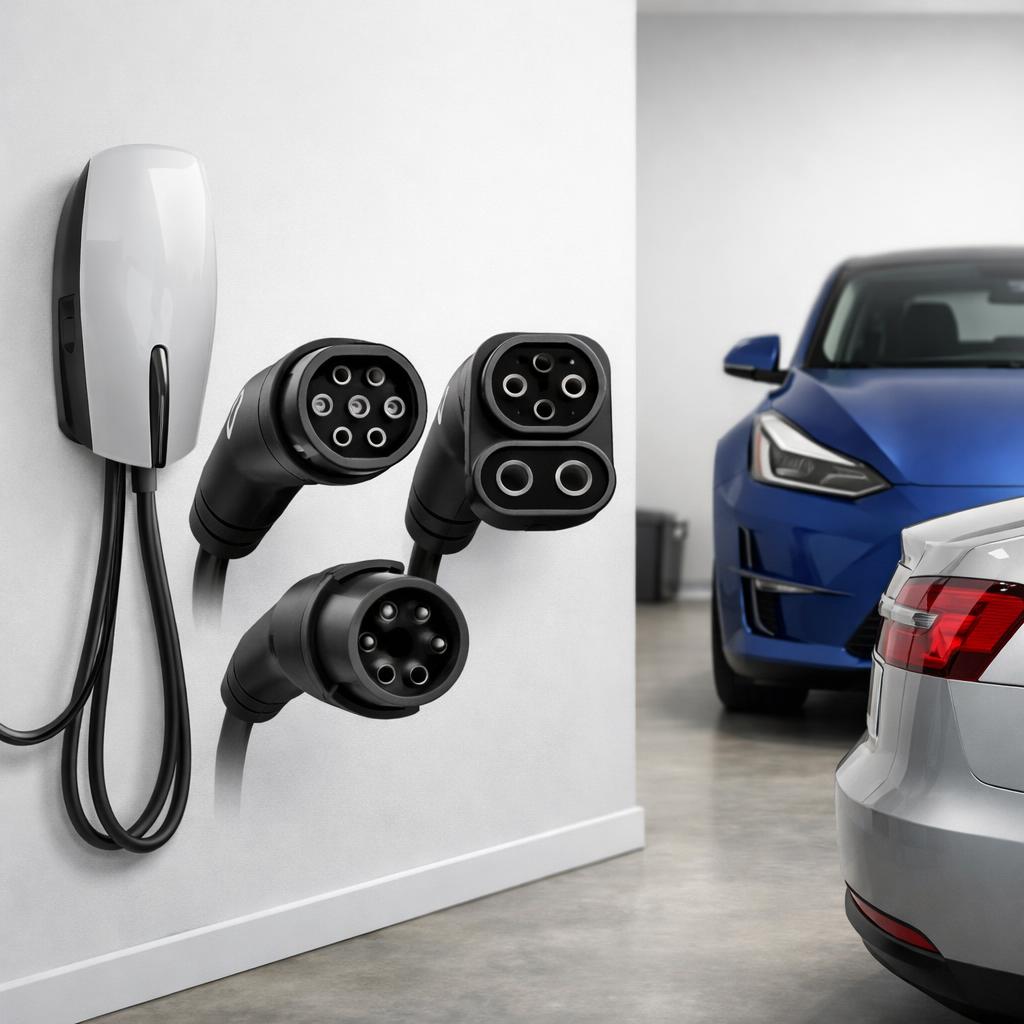
The Tesla Wall Connector compatibility usually comes down to three practical questions at home: does the plug fit the car, can an adapter be used safely and can the electrical installation handle the chosen charging power. For people in the United States, the difference between the Tesla charging connection and commonly used connections on other electric cars is especially important. If you understand that distinction, you can better assess whether a Wall Connector works immediately or whether additional control is needed.
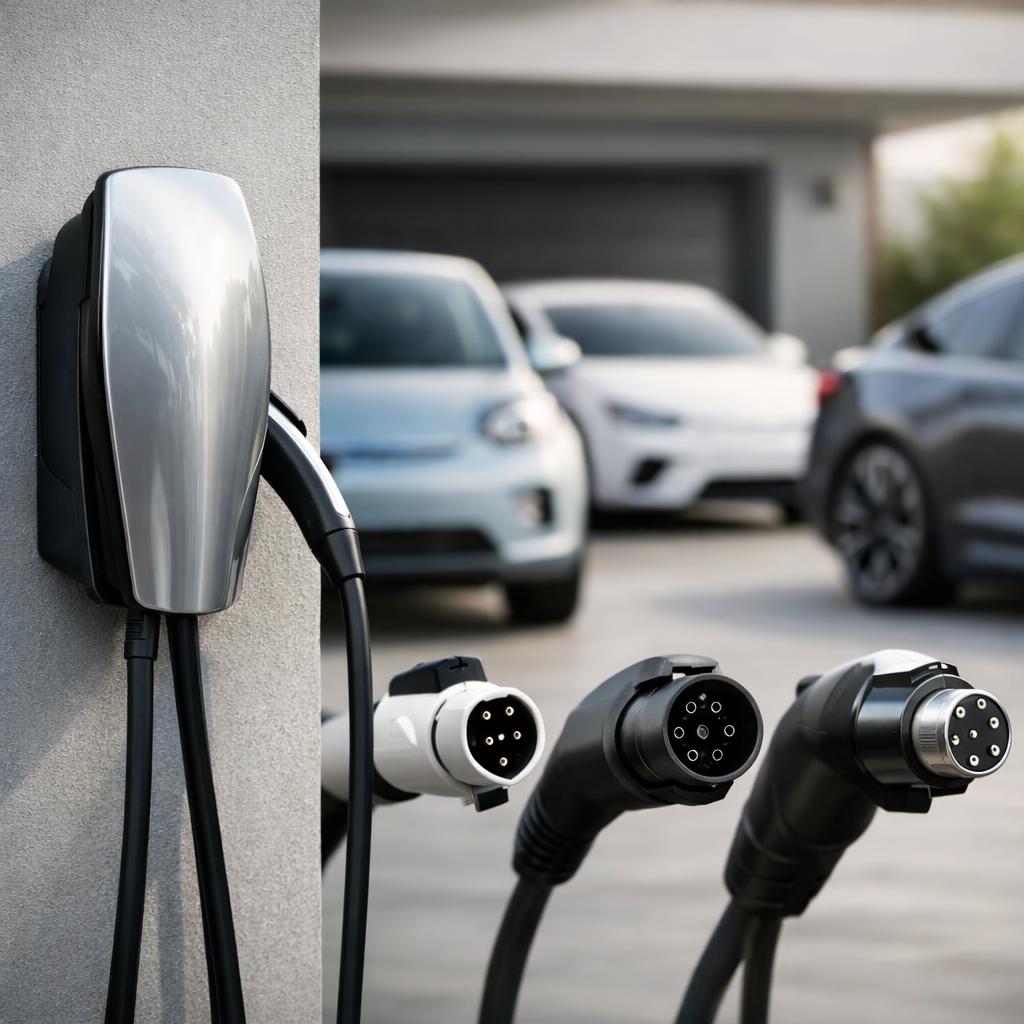
Anyone who wants to assess this carefully in advance should therefore not only look at the vehicle, but also at the fuse box, the available amperage and the location where the charger will be installed. In our guide to home charging you can read more about charging capacity, placement and basic conditions. Below you can read clearly which cars a Tesla Wall Connector works with, when an adapter may be needed and what requirements your home installation must meet.
Which cars and connections does a Tesla Wall Connector work with
A Tesla Wall Connector is primarily made for vehicles with a suitable Tesla charging connection. With such models, loading is usually direct, without an additional intermediate piece. However, the question Tesla Wall Connector compatible with other electric cars does not have a simple yes or no answer. This depends on the type of plug on the car, the version of the Wall Connector and whether a suitable adapter is available and permitted for home use.
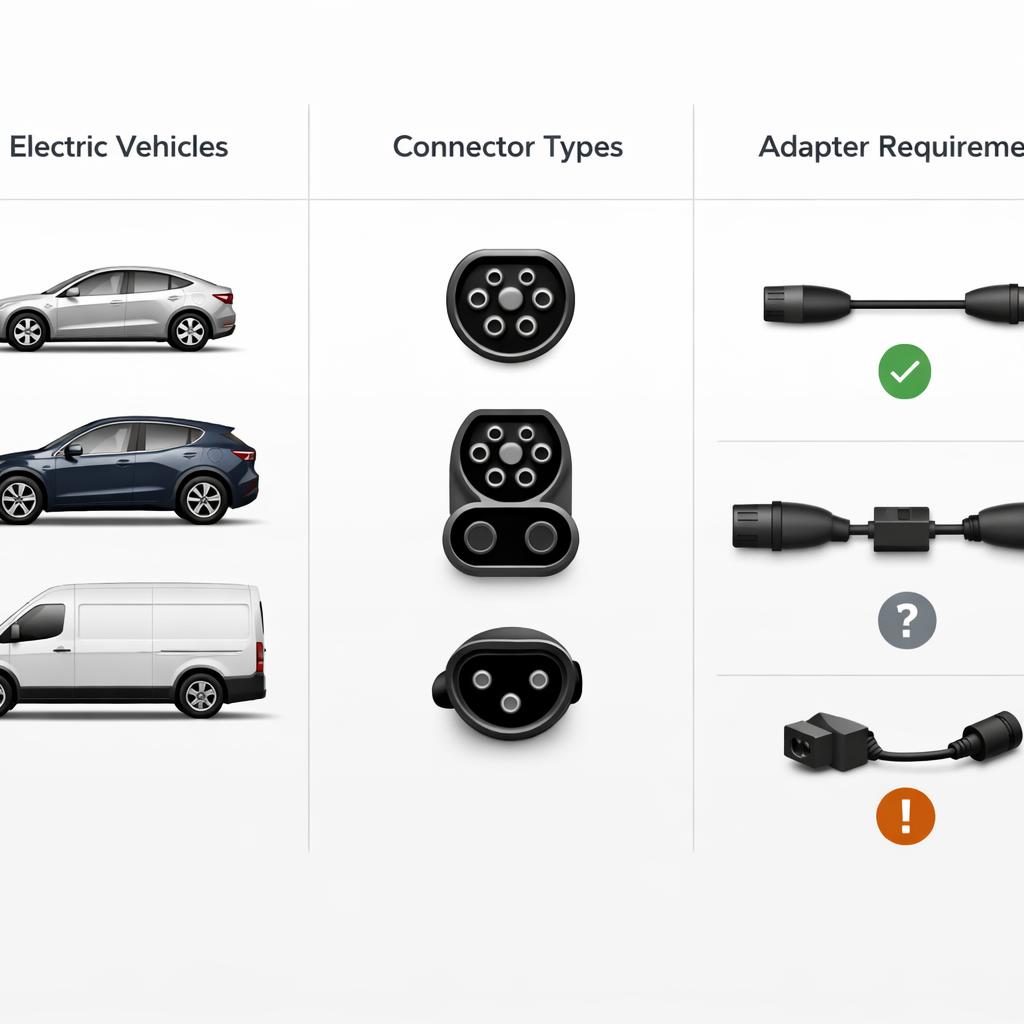
It is therefore wise for homeowners to check the car's charging port type and compare it with the charger's output before purchasing. Also check whether the car manufacturer supports charging via that combination. When in doubt, a clear explanation of charging plugs and adapters helps to better understand differences between connections and to prevent the wrong choice.
Differences between Tesla connection and common charging plugs in the United States
In the United States, there are several types of connection for home charging. That's why Tesla Wall Connector plug compatibility United States is a hot topic. A Tesla with the correct connection can usually charge immediately. Other electric cars often have a different vehicle side, so direct connection is not self-evident. An adapter can sometimes help, but only if it is technically suitable and supports safe use.
It is important to realize that a plug that physically fits does not automatically make it fully compatible. The charging current must fit within the limits of the car, the charger and the electrical installation of the home. Settings for maximum charging capacity may also differ per vehicle. Therefore, always check whether the combination is suitable for daily home charging and not just for a short trial. This way you prevent disappointment, disruptions or unsafe situations.
What your home installation must meet for secure compatibility
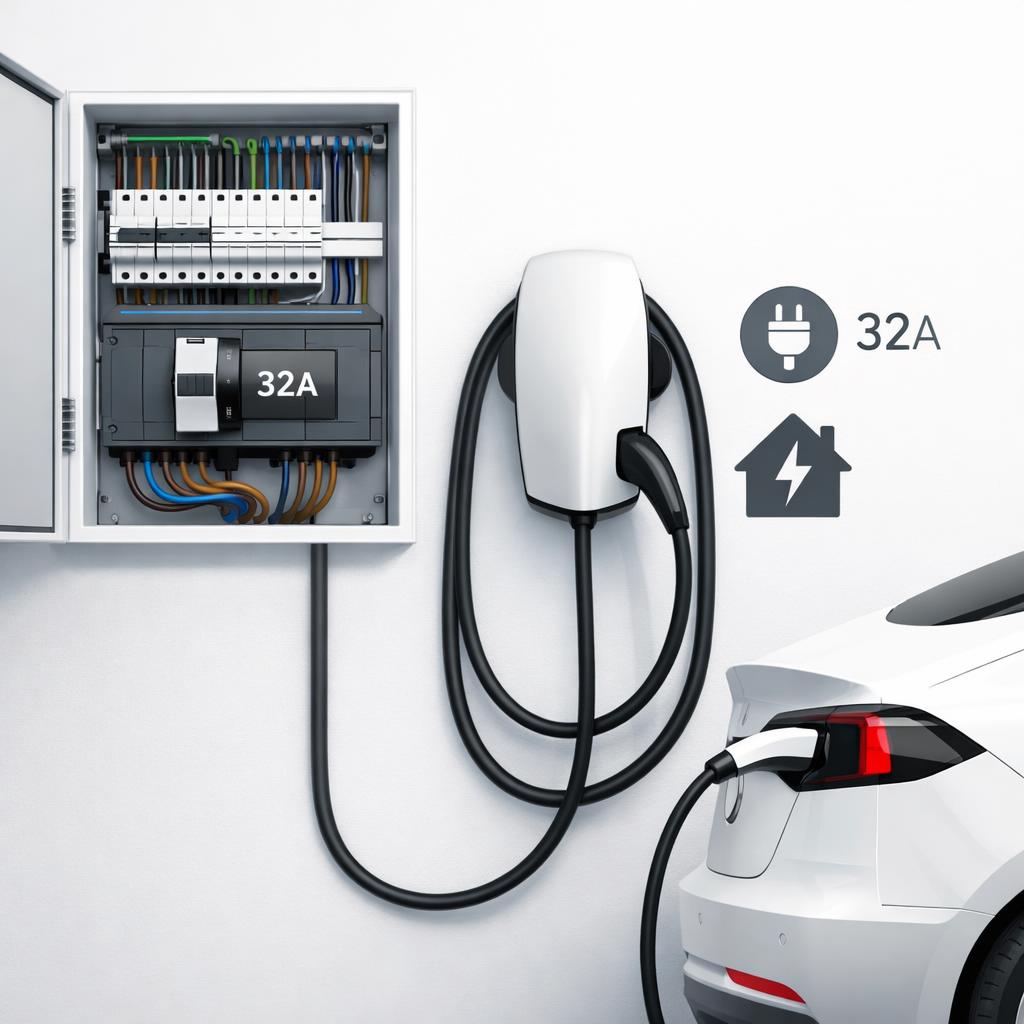
Even if the car and plug connect, usability depends on the electrical installation. Installing Tesla Wall Connector at home compatibility therefore also means that the charger must be connected to a suitable circuit, with correct protection and sufficient free capacity in the distribution box. In many homes, a separate group is needed so that the charger does not share the same load with other heavy consumers. This is extra important if you want to charge at a higher charging capacity.
In addition, the location of installation plays a major role. The wall must be sturdy and suitable, the cable must be able to reach the car without tension or strain and the chosen location must remain practical in daily use. Also consider protection against moisture, sufficient work space and a safe route for the cabling. Compatibility goes beyond just the plug: without good electrical preparation you will not get the ease of use and safe operation that you expect from a fixed home charger.
Importance of amperage, distribution box and correct mounting location
The selected amperage determines how much power the Wall Connector can supply, but also how much the installation must be able to handle. A higher setting is not automatically the best choice. The safest solution is tailored to the car, the cabling and the available capacity in the distribution box. Therefore, have it assessed in advance which amperage is logical for your home and charging needs. This prevents unnecessary adjustments or a charging point that needs to be switched back in practice.
The mounting location also deserves attention. Too far, cramped or awkward placement makes daily charging less pleasant, even if the technical compatibility is correct on paper. Therefore, choose a place where the cable reaches the charging port without a tensile load and where connection remains easy. Neat placement close to the distribution box can also limit installation costs. It is precisely the combination of amperage, distribution box and wall position that determines whether a Tesla Wall Connector at home works smoothly and safely with your car and home.
Conclusion
The core of Tesla Wall Connector compatibility is simple: always assess the car, plug and electrical installation as a whole. Anyone who only looks at the name of the charger often misses the details that make the difference in practice. For Tesla models with a suitable connection, home charging is usually the most direct. With other electric cars, usability depends on the charging port type, the ability to use an adapter and whether that combination is suitable for safe, regular charging.
Therefore, before purchasing, check which cars a Tesla Wall Connector works with, which connection your vehicle has and whether the home has sufficient electrical capacity available. Pay attention to amperage, separate protection and a practical mounting location. If you check these points in advance, you will avoid surprises during installation and daily use. This way you can determine much more confidently whether a Tesla Wall Connector is really a suitable solution in your situation.
Frequently asked questions
Does a Tesla Wall Connector only work with Tesla cars?
No, not always. This depends on the connection to the car, the version of the charger and whether safe adapter use is possible. Direct charging is most obvious for vehicles with a suitable Tesla connection.
Do I need an adapter for another electric car?
That's possible. If the car's charging port does not match the Wall Connector connection, an adapter is sometimes required. Always check whether the combination is technically appropriate and suitable for home charging on a regular basis.
Can every home support a Tesla Wall Connector?
No. The home must have sufficient electrical capacity, with appropriate security, correct cabling and preferably a separate group. Without that basis, secure compatibility is not self-evident and installation may require additional adjustments.
Is the highest charging level always the best choice?
No. The best setting is the setting that suits the car and the electrical installation of the home. A lower, properly adjusted amperage is often safer, more stable and more practical in daily use than charging at the maximum level.