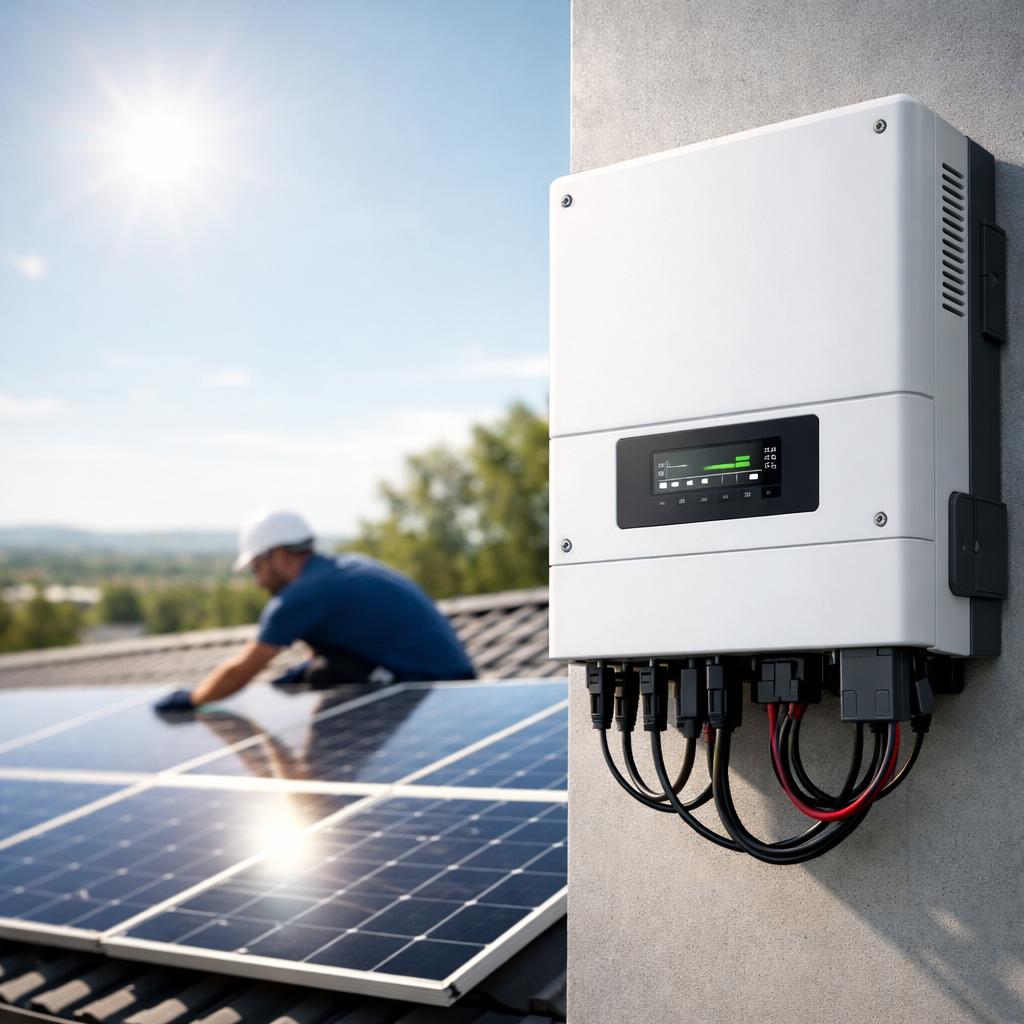
In practice, SolarEdge optimizer compatibility revolves around one core question: do solar panels, optimizers, inverters and string structures technically fit together before you buy, replace or expand? That seems simple, but in reality it depends on several values that must correspond together. Consider panel power, open-circuit voltage, operating voltage, current, the type of inverter and the number of optimizers per string. If you check this carefully in advance, you reduce the risk of malfunctions, disappointing yields or a structure that falls outside the product specifications.
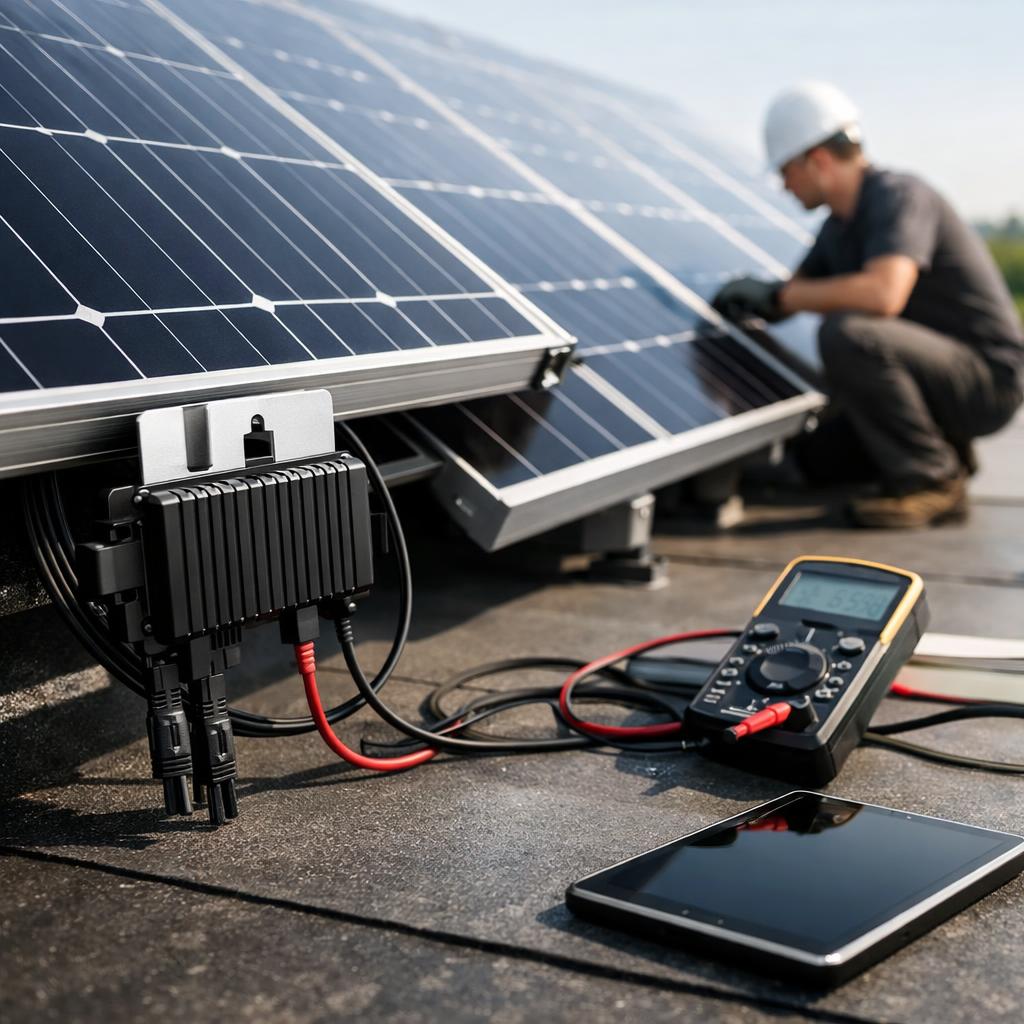
If you first want to understand the basics, read this explanation about solar panels. The short summary: always compare the electrical data of the panel with the specifications of the optimizer and then check whether that combination also fits the inverter and the planned string layout. Especially when replacing or expanding, things often go wrong due to assumptions. Panels or optimizers that look very similar at first glance may have different limits.
What compatibility means in practice
For most people, compatibility means more than just a plug that fits or a part of the same brand. An optimizer must operate within the permitted electrical limits of the panel. Therefore, pay attention not only to the wattage, but also to the maximum input voltage, the short-circuit current and the operating voltage of the panel. Anyone wondering which SolarEdge optimizer suits a particular panel would do well to look beyond the label on the back of the panel.
Two panels with the same power can clearly differ in voltage and current. It is precisely these differences that often determine whether an optimizer is suitable or not. SolarEdge optimizer compatibility is therefore not a separate product choice, but a check of the entire system. The optimizer must not only match the panel, but also the inverter and the way the strings are designed.
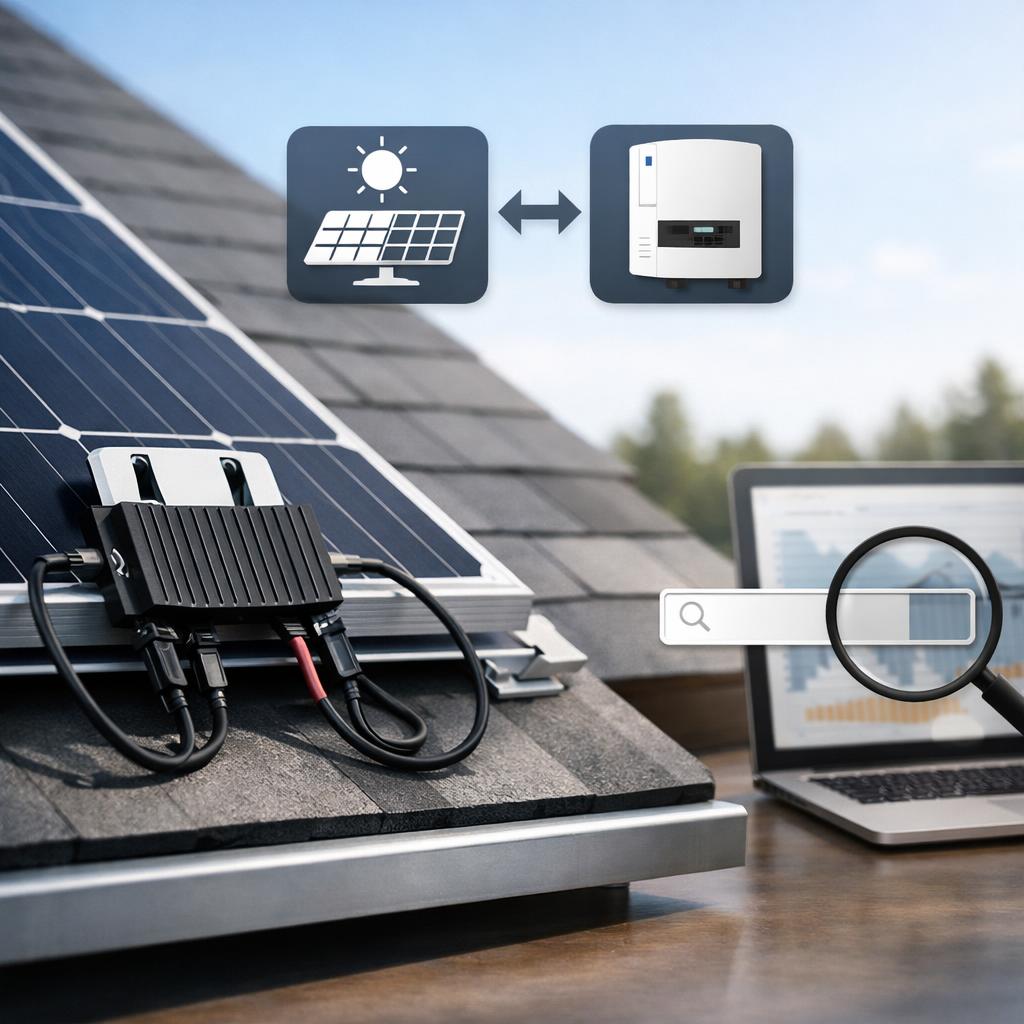
The system structure also plays a major role. SolarEdge optimizer and inverter compatibility depends on the inverter model, supported optimizer strings, and the minimum and maximum number of optimizers per string. This makes a statement such as “this model always fits” unreliable. A good assessment only occurs when you compare the data from panel, optimizer and inverter and check whether the entire combination remains within all product specifications.
How to check the panel, inverter and string structure step by step
Start with the panel data and then check the system side
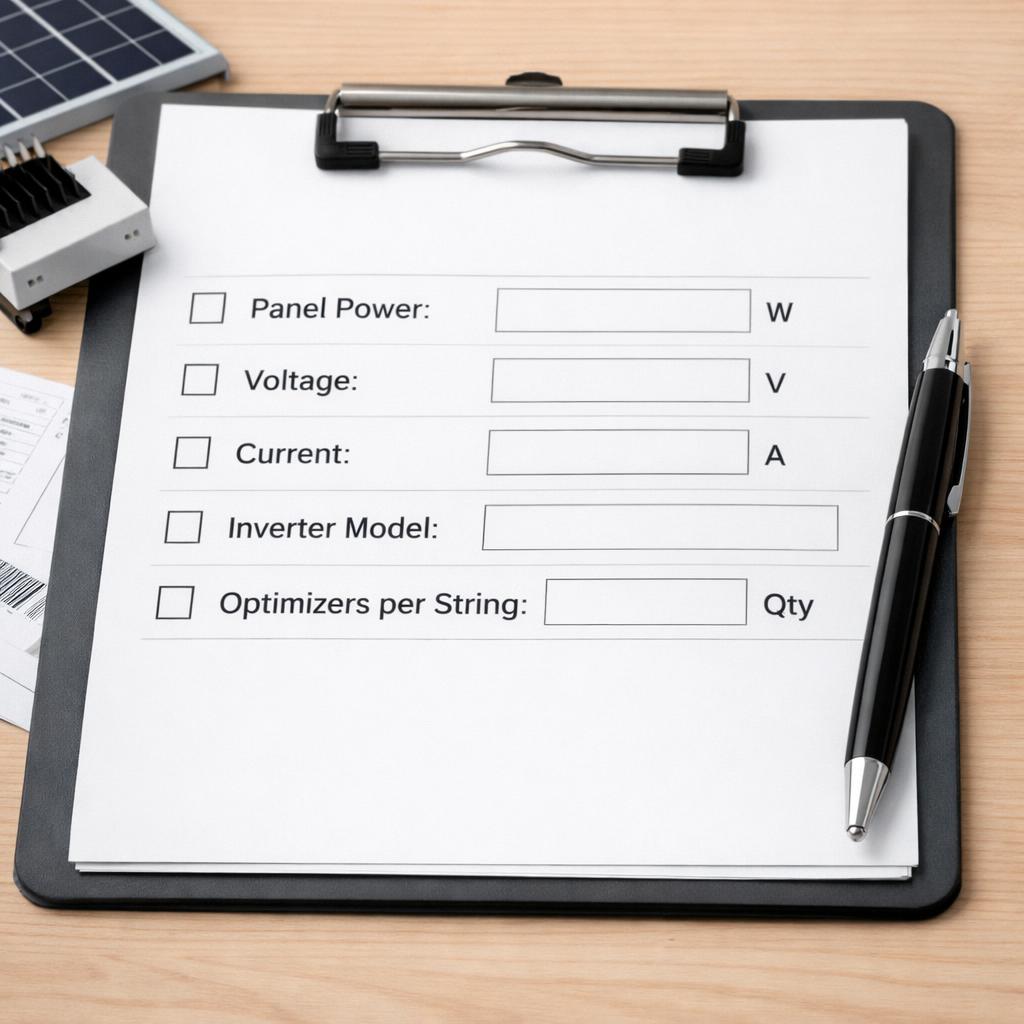
Start with the solar panel data sheet. Record at least the nominal power, the open-circuit voltage, the operating voltage and the current. Then compare these values with the product specifications of the optimizer you want to use. This way you check SolarEdge optimizer compatibility based on measurable data instead of a global estimate. Also pay attention to the type of panel and the application for which the optimizer is intended. When in doubt, the official specifications are always more reliable than a short sales text or product title.
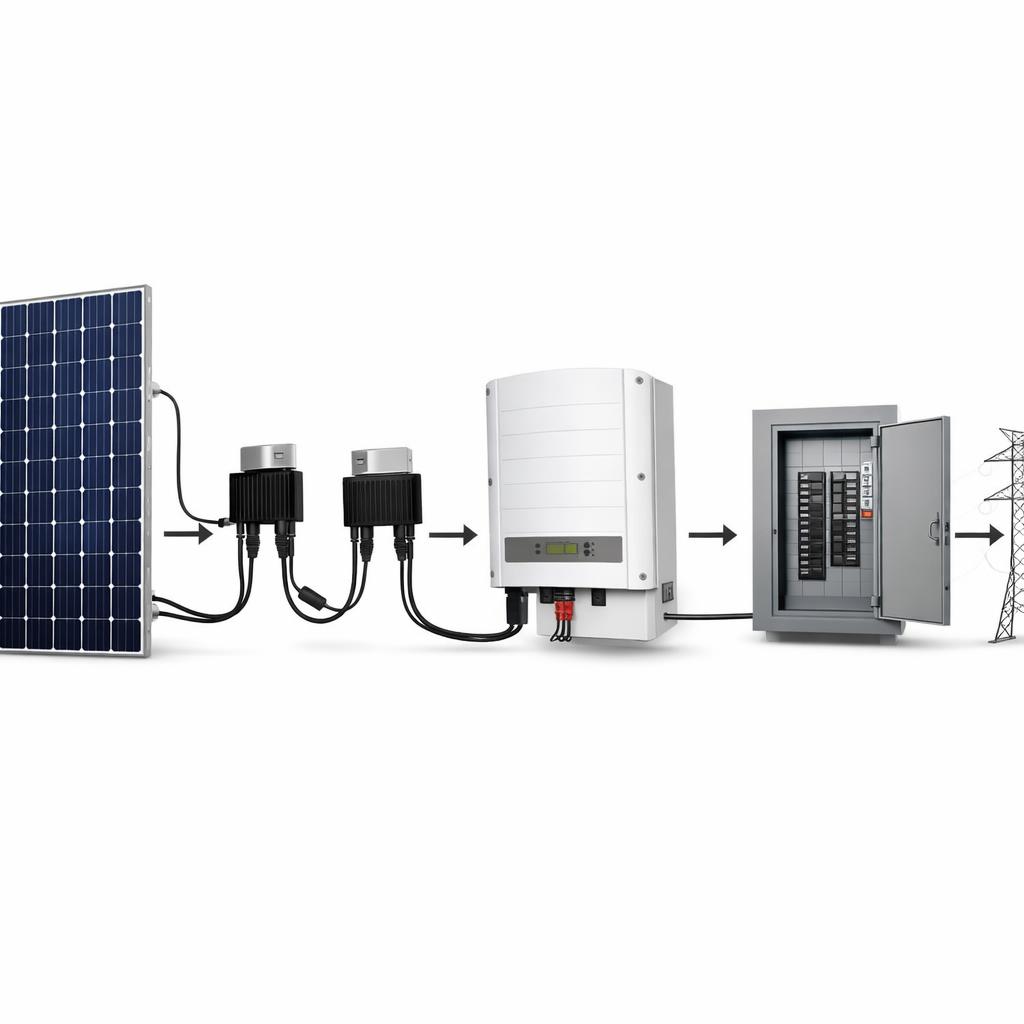
Then check the system side. Does the chosen optimizer suit your inverter model, and does the planned string structure comply with the permitted numbers? This guide to inverters is useful if you want to find out how a string is constructed and what limits apply to your system. An optimizer may appear to fit well at panel level, but may still be unsuitable if the string is too short, too long or arranged differently than permitted.
This order often works best: first the panel, then the optimizer, then the inverter and finally the complete string structure. This way you can see more quickly where a combination differs. This is especially useful when comparing multiple models or when you want to modify an existing system without replacing the entire installation.
Replacement, expansion and older systems require extra attention
Always check existing model numbers again
When replacing, many people first look at the defective part, but that is not enough. SolarEdge optimizer replacement compatibility requires a broader check of the existing installation. Older systems may have different optimizer strings, different inverters, or different string lengths than newer setups. As a result, a more recent model is not automatically a safe or suitable replacement. Therefore, always check the current inverter model, the number of panels per string, the available optimizers and the specifications of any new panels.
Extra care is also required when expanding. Small differences between old and new panels can already influence voltage, current and final system structure. This also applies to mixed setups. Whether several SolarEdge optimizers can be used in one installation depends on the supported combination according to the product specifications and on the chosen string format. Anyone who wants to adapt an existing system often benefits from specific advice on expanding or replacing solar energy systems before parts are ordered.
Caution is wise, especially with older installations. What was common a few years ago does not necessarily correspond exactly to current products. By checking everything again you prevent a replacement that seems logical, but in practice falls outside the recommended limits of the panel, optimizer or inverter.
Conclusion
SolarEdge optimizer compatibility is best assessed as the correlation between panel, optimizer, inverter and string structure. Anyone who only looks at power often misses crucial differences in voltage, current and supported numbers per string. It is therefore wise to compare all product specifications and check them extra carefully, especially when replacing or expanding.
The safest approach is clear: start with the panel data, then check the optimizer, then check the inverter and finally check the entire string structure. This way you base your choice on facts instead of assumptions and increase the chance of a technically suitable and sustainable solution.
Frequently asked questions
How do I know if a SolarEdge optimizer is right for my solar panels?
Compare the panel power, voltage and current with the optimizer product specifications. Then check whether the chosen optimizer suits your inverter model and the planned string structure. Only the complete combination gives a reliable answer.
Can I use different SolarEdge optimizers in one installation?
This is sometimes possible, but only if the combination is supported according to the product specifications and matches the inverter model and string format. Therefore, always check the exact model numbers of all parts before making a decision.
What should I pay extra attention to when replacing an optimizer?
Check the existing model, inverter type, string length and properties of the connected panels. For older systems, replacement models may have different technical limits, requiring additional checking.
Why is string construction so important for compatibility?
Because an optimizer that appears suitable at panel level may still fall outside the permitted system limits if the number of optimizers per string is incorrect. The string structure therefore partly determines whether the panel, optimizer and inverter can work together according to product specifications.