Anyone who lives in an apartment mainly wants to know whether something works in practice: does it fit in a limited space, does it not cause any inconvenience and does it comply with the rules of the building? Whether something is suitable for Dutch apartments therefore almost never depends on one characteristic. This usually involves a combination of dimensions, placement, noise, ventilation, accessibility and daily use.
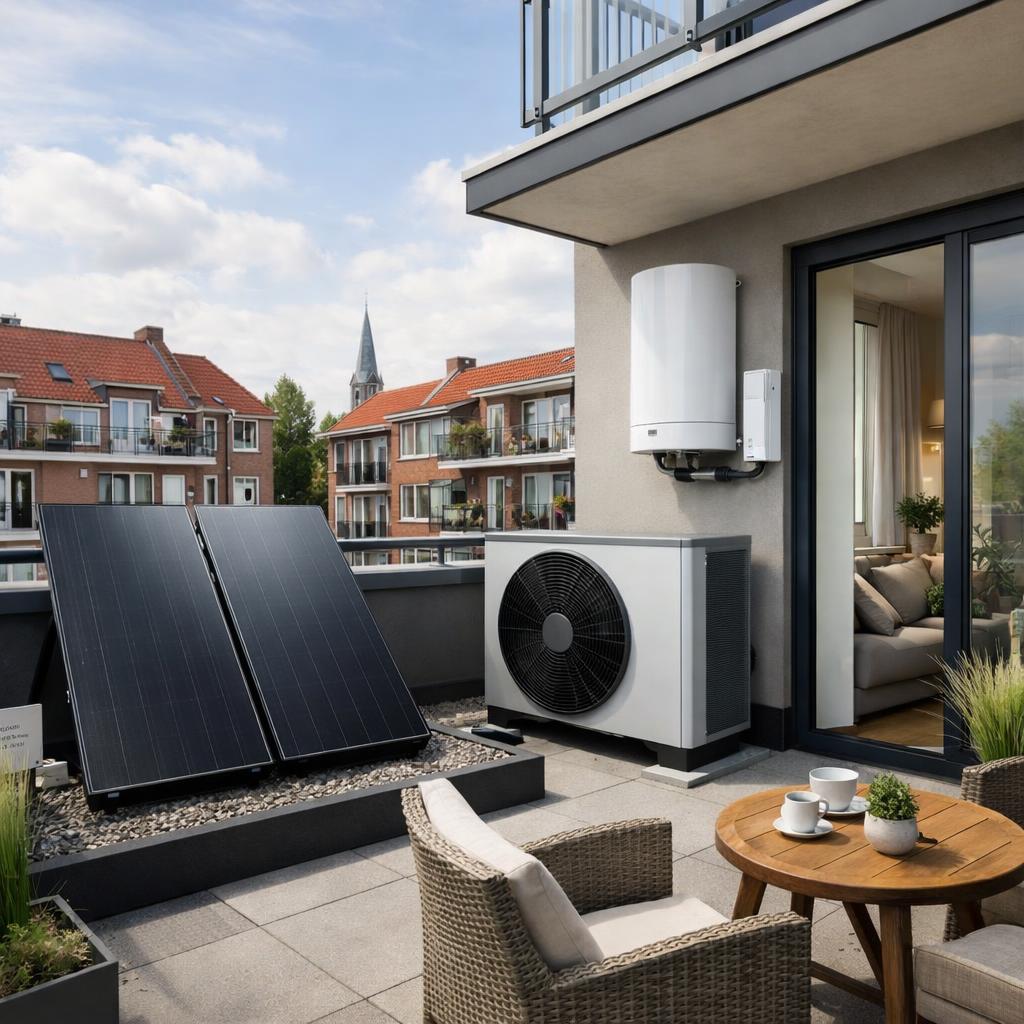
Therefore, do not just pay attention to the dimensions on paper. Also look at walking space, vibrations, air circulation and the way you use it every day. Also consider doors, elevators and stairwells, because something can fit in the living room and still be difficult to get inside. Also read more about how to deal smartly with limited living space if you want to better assess what paying attention to in Dutch apartments really makes a difference.
What suitable for Dutch apartments really means
Anyone who searches for suitable for Dutch apartments usually wants to know quickly whether a solution suits a compact home with neighbors nearby. This is not just about size, but also about comfort, tranquility and feasibility. In many apartments, living and working functions are combined, storage space is scarce and every square meter must be used logically. So the real question is often: will this work in my home without making the space feel more cramped, crowded or clumsy?
A good assessment starts with measurement, but does not stop there. Also look at free space around windows, radiators, sockets and doors. Pay attention to whether something should remain fixed or whether it should be moved regularly. Light and cleaning also count. In an apartment, a small incorrect placement can quickly lead to messy walking routes, less ease of use and irritation in daily life.
Furthermore, consider how the object behaves in a shared living environment. A solution that works well in a spacious home may be too massive, too loud or too impractical in an apartment. That is precisely why a broad assessment is necessary: not only “is it suitable?”, but also “will it remain a pleasant place to live?”.
How to build a strong rating for apartments
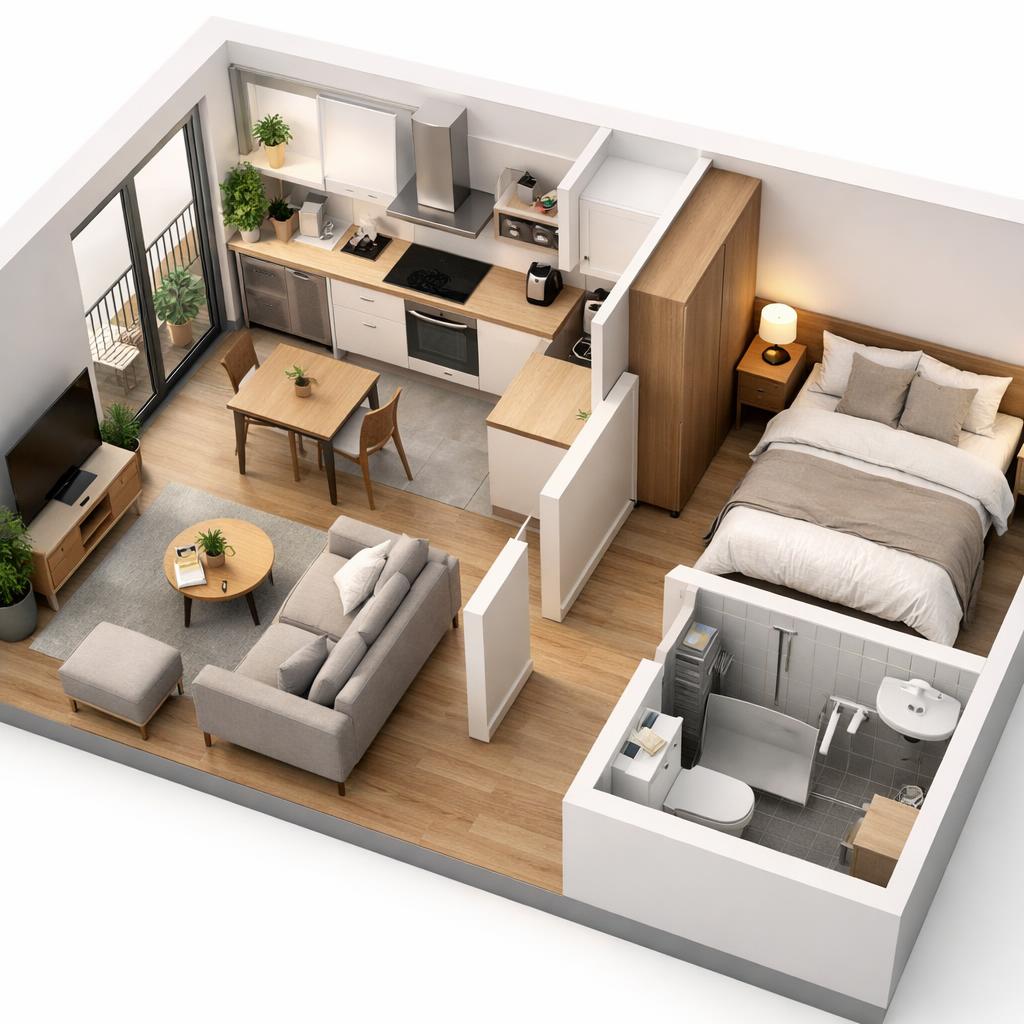
The most useful approach is a short, clear checklist. First measure the width, height and depth of the place where something should be placed. Then check the route inside: front door, hall, stairs, elevator and sharp turns. Then assess usage. Something can technically fit, but still be impractical if opening, loading, maintaining or moving becomes difficult. That often determines whether something is really suitable for Dutch apartments.
Always take sound and placement seriously. In an apartment complex, contact noise, resonance and moments of use often play a greater role than in a detached house. Consider floors, shared walls and the distance to bedrooms. Therefore, also check out this guide about noise and living comfort in an apartment complex. A quiet place, out of the way and not directly against a dividing wall, is in many cases the safest choice.
Also think about how often you use something. A solution that you only need occasionally may sometimes take up a little more space than something that is in the way all day long. Daily convenience is extra important in apartments, because small annoyances quickly pile up. An object that constantly needs to be moved or half blocks a door often feels less smart after a few weeks than it seemed when purchased.
Why context, use and building rules make the difference
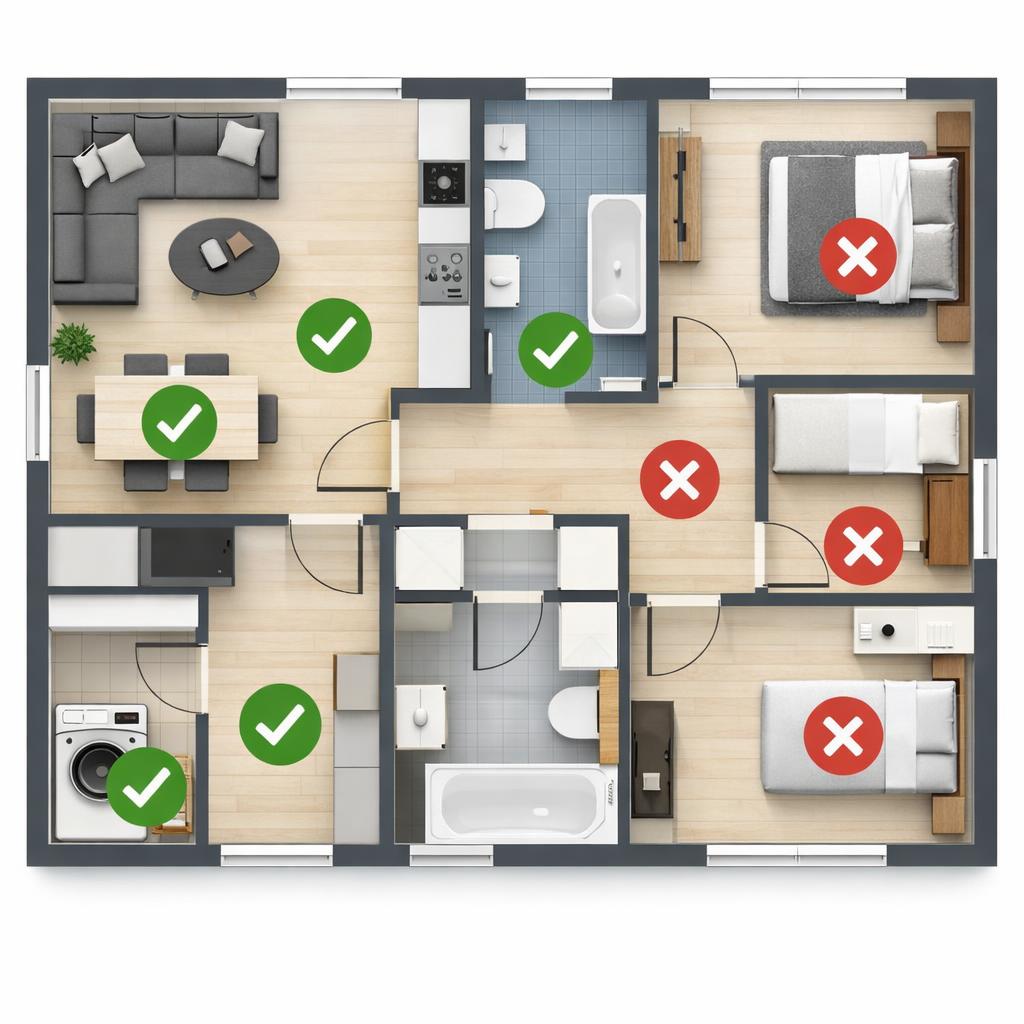
General advice helps, but the actual suitability depends on your home and building. A new apartment with good insulation and a logical layout often offers more options than an older complex with thin floors, little storage space and strict rules. Therefore, do not only look at dimensions, but also at duration of use, maintenance, noise production and location in the home. Rules for use in Dutch apartments also differ per landlord, manager or association.
Ask yourself how often you use something, at what time of day and whether neighbors may experience inconvenience. Also check whether placement affects ventilation, emergency routes, windows, meter cupboard or passageways. This way you prevent something that seems useful at first, but later gets in the way or has to be moved. That saves money, time and frustration.
Practical details often make the biggest difference. If something is close to a window, cleaning can become more difficult. If it is on a vibration-sensitive floor, neighbors may experience noise more quickly. If it blocks a cupboard or passage, it will take more effort every day than you previously thought. Anyone who looks closely at space, tranquility and rules will be able to judge much better whether a choice will remain pleasant in the long term.
Conclusion
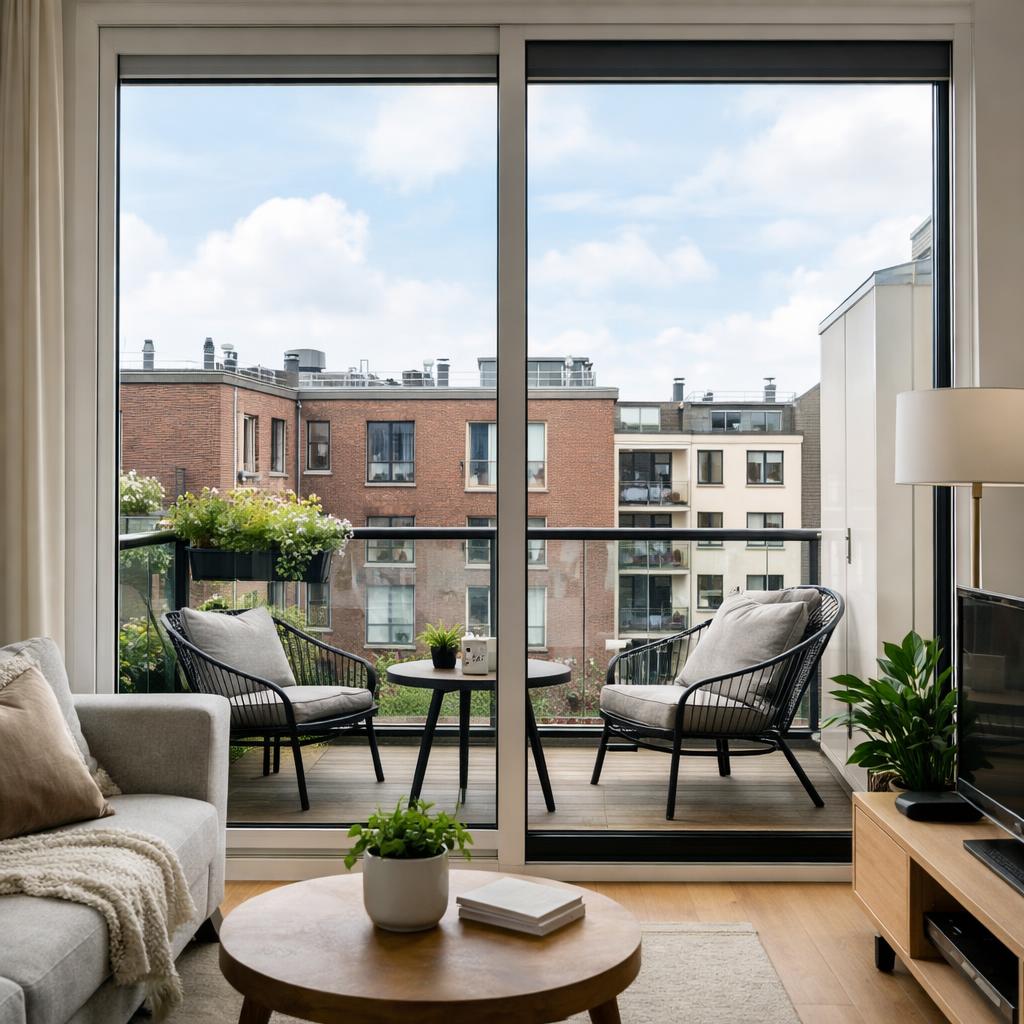
Whether something is suitable for Dutch apartments is best determined with a broad and practical view. It is not only the size that counts, but also the layout of the home, the route inside, the noise level, the placement and the rules of the building. Especially in compact homes, small differences can have major consequences for comfort, tranquility and ease of use.
The safest approach is therefore simple: measure, check walking routes, estimate noise and check building rules. This way you can better assess whether something really fits in your home and prevent bad purchases, unnecessary adjustments or inconvenience for neighbors. Anyone who works this way will see more quickly whether a solution is really suitable for Dutch apartments and fits in with pleasant daily living.
Frequently asked questions
How do I know if something fits in a small apartment?
Measure not only the area itself, but also the space needed to walk past it, open doors and clean. Also check whether it can be entered via the hall, stairs or elevator. Also look at windows, radiators and sockets, so that the placement is just as logical in practice as on paper.
Which noise factors are important in an apartment complex?
Pay attention to direct noise, vibrations via the floor or wall and the time at which something is used. Contact noise in particular can be disturbing for downstairs and upstairs neighbors. Therefore, it is best not to place something against a dividing wall or close to a bedroom, and take into account quiet hours in the building.
Which rules may affect eligibility?
Consider rental conditions, household regulations, association agreements and rules regarding safety or common areas. Sometimes there are restrictions on noise, placement on balconies, ventilation or blocking passages. Checking in advance prevents discussions and unnecessary adjustments afterwards.