The Best home battery for small homes is usually not the largest or most expensive, but the battery that really suits your consumption, available space and budget. In a small house or apartment, a compact system that smartly matches your daily power demand is often more useful than a heavy installation with a lot of excess capacity. Anyone who searches for which home battery for a small home usually ends up with questions about kWh, size, placement and payback time.
If you first want to understand the basics, read how a home battery works. For many small homes, a battery of 3 to 5 kWh is more than sufficient, especially if you do not have a charging station, electric heating or other large power consumers. In addition, always pay attention to the combination with your inverter, the installation rules in your region and the space in, for example, a storage room, garage or technical cupboard.
What capacity suits a small home?
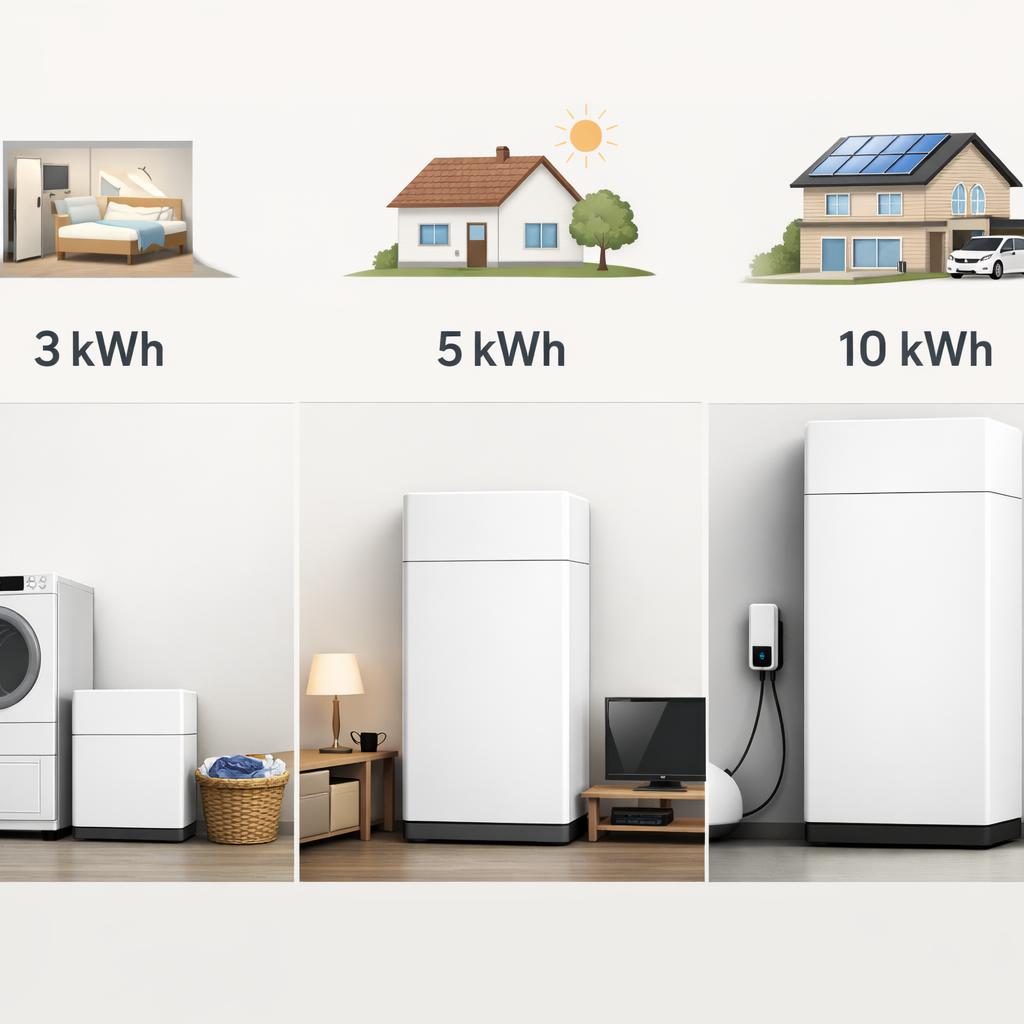
For small homes with modest power consumption, a home battery between 3 and 5 kWh is often the most logical choice. This can usually cover part of your evening consumption, such as lighting, WiFi, refrigerator, laptop use and small kitchen appliances. A 10 kWh model can be interesting, but especially if you want more reserve in the event of a power outage, have more solar panels or want to prepare for higher future consumption. That is why the comparison between 3 kWh and 5 kWh for small households is often more useful than immediately looking at larger systems.
When 3 to 5 kWh is enough for daily use
A 3 kWh battery is suitable for very economical use or a compact home battery for an apartment where mainly solar power is shifted to the evening. Around 5 kWh there is more room for maneuver and that is a pleasant middle ground for many small households. If you don't have a heat pump, electric car or other heavy consumers, 5 kWh is often more than usable. In practice, around 5 kWh is often chosen for a small house, because it offers enough storage without paying for capacity that you rarely use.
There are several types of solutions. Compact plug-and-play models such as the Anker SOLIX Solarbank 3 E2700 Pro or the ANKER Solix SOLARBANK E1600 are attractive if you want to start small and have little space. If you are looking for a permanent home solution, systems such as an OZO 48V 5kWh Home Solar Battery, a 5kWh Wall Mounted Residential BESS or an SMA Home Storage 3.28 kWh are often a better fit. For small homes, the rule of thumb remains simple: adjust the battery to your real consumption and to what your solar panels can actually charge.
What do you pay attention to regarding size, installation and compatibility?
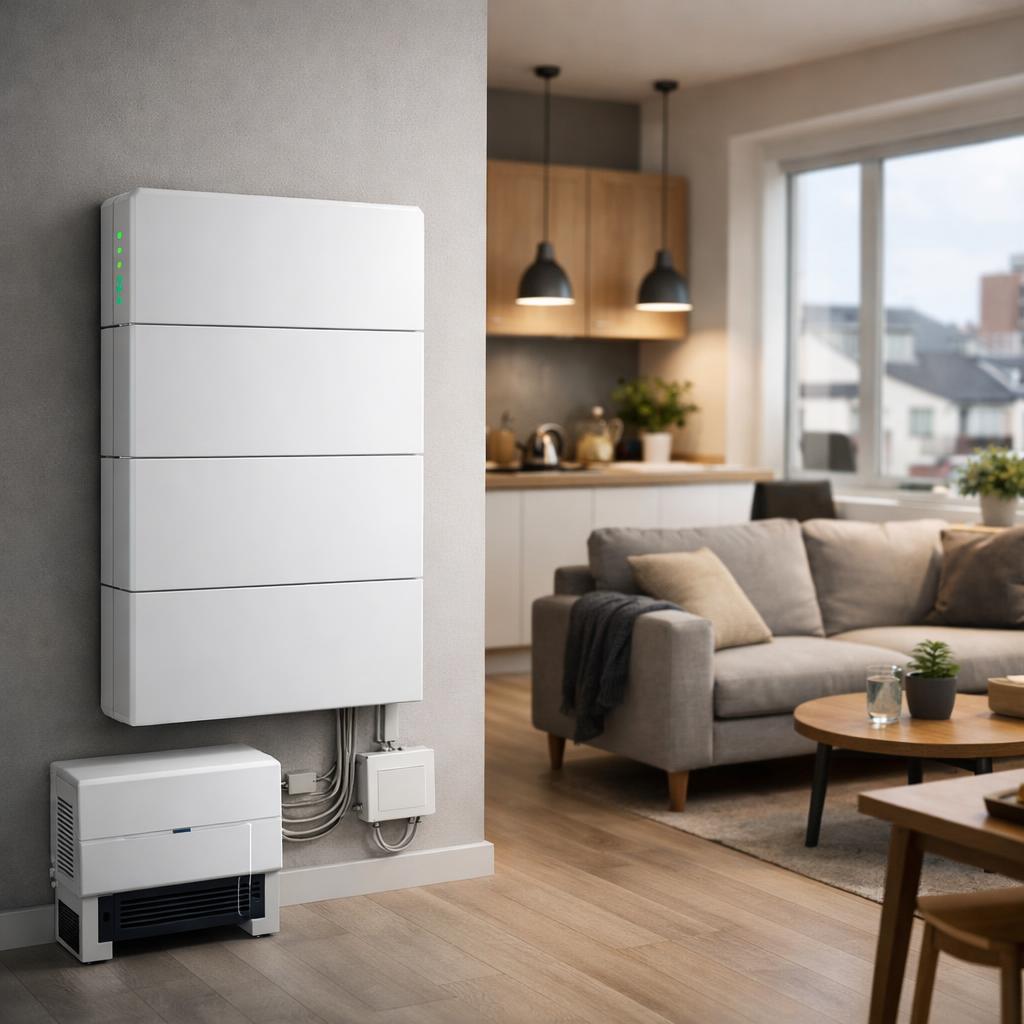
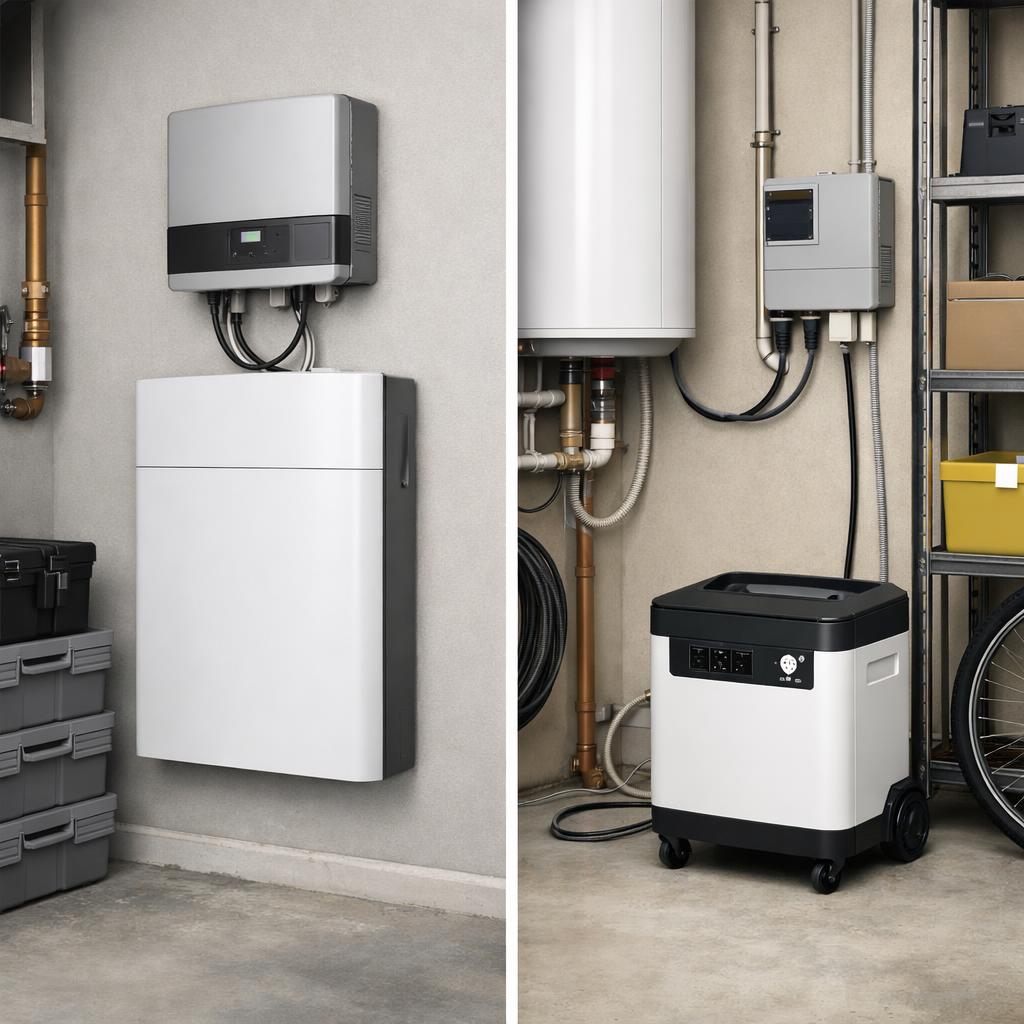
In a small home, not only the capacity is important, but also the size of the system. A wall model can be useful if you have little floor space, while a compact standing model is sometimes easier to place in a garage or storage room. Always check the dimensions, weight, required ventilation and whether the area is dry and safe enough. In apartments, additional points often play a role, such as building rules, accessibility for installers, noise level and fire safety. The best home battery for a small solar panel system is therefore primarily a model that you can install and use without hassle.
Plug-and-play or fixed installation: which is more practical?
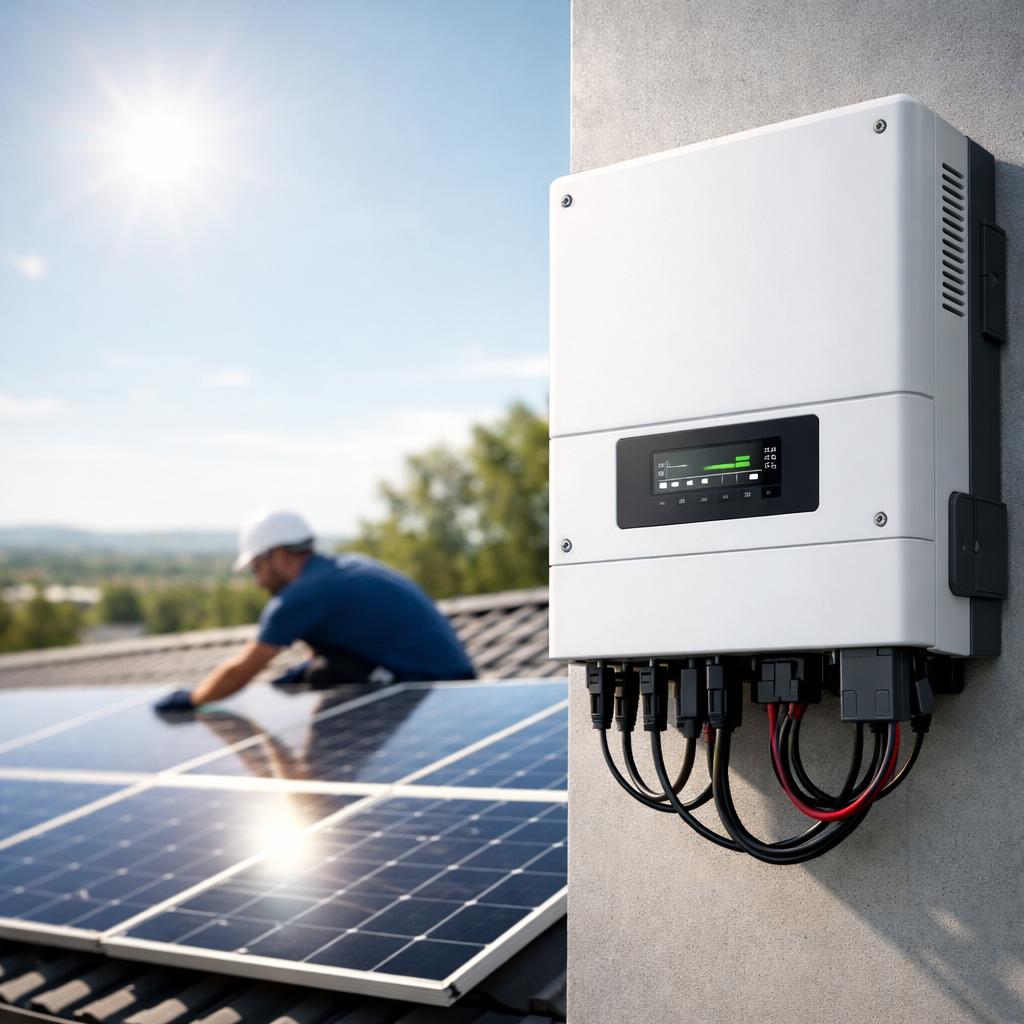
Plug-and-play systems are popular because they are compact and often require less invasive installation. This makes them attractive for small homes or users who want an accessible start. Fixed installations usually offer better integration with the electrical installation and solar panels. If you already have solar panels or want to do so later, it is smart to look at combining solar panels and home batteries. Pay close attention to whether the battery works with your inverter, whether additional parts are needed and whether a certified installer is required in your state or municipality.
Compatibility also deserves extra attention. Not every battery works smoothly with every solar panel system or inverter. Therefore, do not only look at the storage capacity, but also at charging capacity, discharging capacity and expansion options. Especially in small homes, you want to avoid purchasing a system that technically fits, but is practically too large, too heavy or too complicated for the available space.
This is how you compare price, lifespan and expandability
The cheapest battery is not always the best choice. Rather, look at the price per usable kWh, the warranty, the number of charging cycles and the possibility of expanding later. For small homes, this is often much smarter than immediately purchasing a large system. You keep the entry costs lower and retain flexibility if you later install more solar panels or change your power consumption. If you want to better estimate what is involved, you can also look at home battery costs.
Why LiFePO₄ and modular design often make sense
LiFePO₄ batteries are popular because they tend to last longer, perform stably and have a strong safety profile. This is extra interesting for small homes: you want a reliable solution that causes few worries and remains usable for years. A modular system is also useful if you do not want to start big right away. You can start with, for example, 3 or 5 kWh and add extra storage later if your situation changes.
You see this in many current models. SMA Home Storage systems are interesting for those looking for a neat, fixed solution in a lower capacity segment. An OZO 48V 5kWh Home Solar Battery or similar wall-mounted models are logical choices if you are mainly looking for a central storage solution for a small house. If you prefer to start flexibly, expandable systems from the Anker SOLIX series are attractive. Larger options of 10 kWh are also available, but they are usually only useful for small homes if you consciously plan ahead for higher consumption or greater self-sufficiency.
So not only compare price and size, but also how usable the system will still be in five to ten years. The Best home battery for small homes is often the battery that fits well today and can grow tomorrow.
Conclusion:
The Best home battery for small homes is in most cases a compact battery of about 3 to 5 kWh, with a size that fits well in the home and with compatibility with your current or planned solar panels. More capacity sounds attractive, but is not always necessary in a small house or apartment. The most important thing is that your battery matches your real consumption, your available space and your budget.
For many households, 5 kWh is a strong middle ground: sufficient for part of the daily evening consumption, without the higher costs and space requirements of larger systems. Always pay attention to inverter compatibility, safe placement and local installation requirements. This way you choose a solution that is practical, future-proof and financially logical.
FAQ
How many kWh does a small home usually need in a home battery?
For many small homes, 3 to 5 kWh is sufficient. This can often cover lighting, refrigerator, internet and part of the evening consumption. With very low power consumption, 3 kWh can already work, while 5 kWh usually provides more comfort and flexibility.
Is a 5 kWh home battery enough for a small house?
Yes, in many cases. A 5 kWh battery is often large enough to later use solar power generated during the day, without making the system unnecessarily large or expensive. For small households this is often the best balance between capacity, size and price.
What is more convenient for a small apartment: plug-and-play or fixed installation?
That depends on the situation. Plug-and-play is often more compact and simpler, while a fixed installation usually works better with solar panels and the home's electrical installation. In apartments, building rules, safety and available space are extra important.
Is expandability important if you currently use little power?
Yes, often. With a modular system you can start small and expand later. This is useful if you install extra solar panels, start working from home more or if your power consumption increases in the future.