The Best Home Battery for Large Homes is rarely simply the model with the highest storage. For a spacious house with high consumption, it is mainly about the right balance between capacity, power and expandability. Think of homes with many solar panels, a heat pump, air conditioning, a swimming pool pump or an electric car. In such situations, usable kWh, continuous power, backup options and a good match with the electrical installation are especially important.
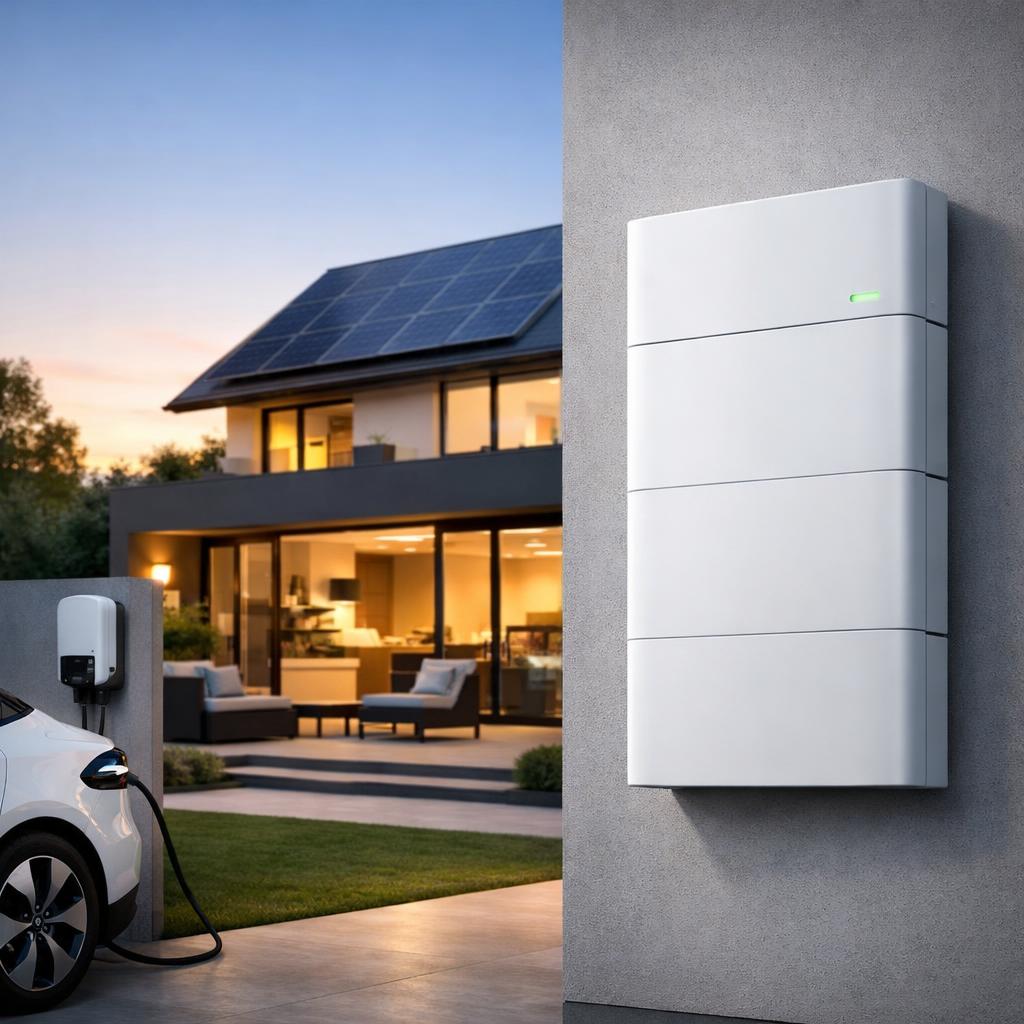
If you want to understand the basics first, take a look at our guide to how a home battery works. For larger homes in the US, it is smart to compare systems neutrally: how much energy is really available, how high is the discharge capacity, does the system work well with solar panels and can you add extra modules later? This way you not only choose your current consumption, but also a home that may require more electricity in the coming years.
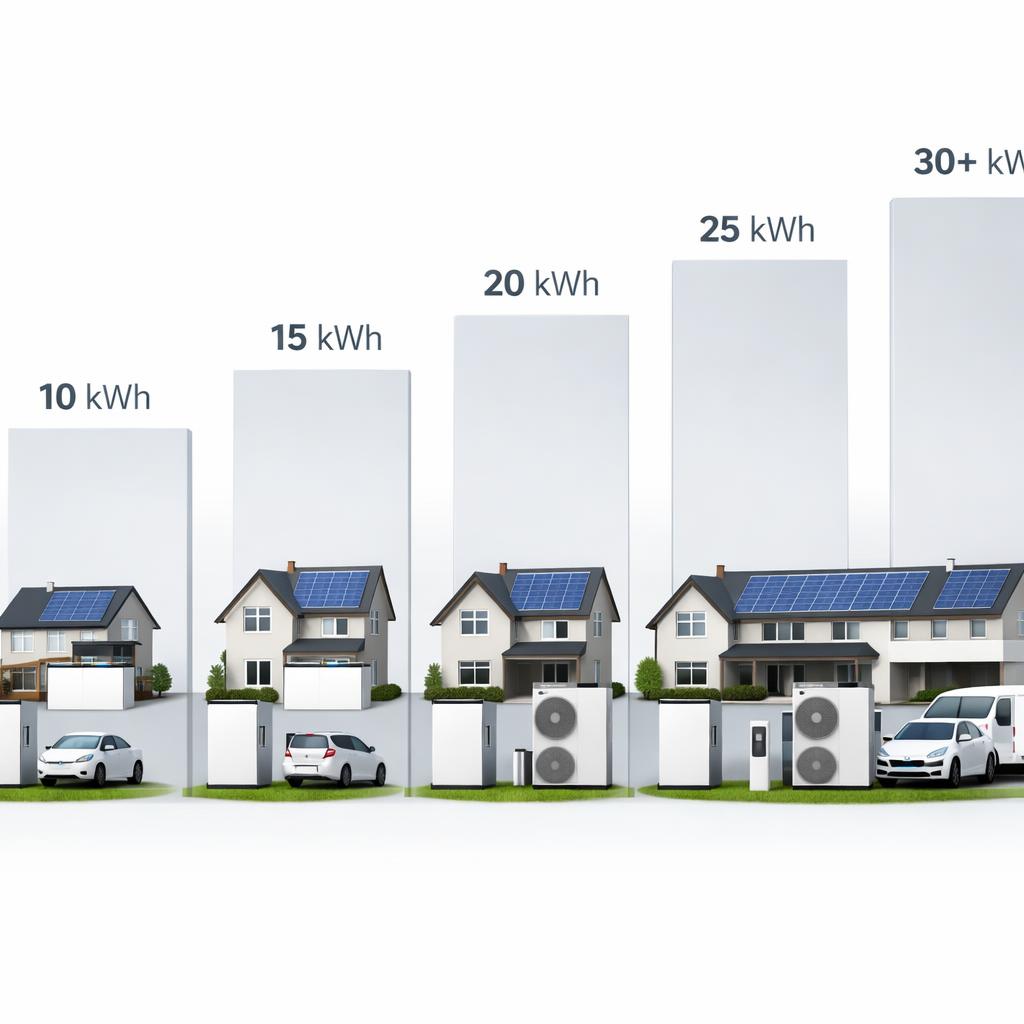
A simple rule of thumb often helps. For a large household with solar panels, 10 to 15 kWh may be enough for evening and night consumption. But as soon as a heat pump, EV charger or other heavy consumers join in, you often end up with 15 to 25 kWh or more. A home battery of around 20 kWh is therefore a logical starting point for many large houses, as long as the power is high enough.
When is a home battery suitable for a large home?
A home battery is only really suitable for a large home when the system can do more than store small solar surpluses. In a large house, several heavy devices often need to be supported at the same time, without the battery immediately reaching its limits. That is why not only the storage capacity in kWh is important, but also how quickly that energy can be supplied. A home with induction cooking, heat pump, dryer and charging point simply requires something different than a smaller household with mainly evening consumption.
Guideline values for capacity, peak consumption and connection
As a rough guideline, 10 to 15 kWh is often suitable for a large house with solar panels and normal family consumption. For homes with high energy consumption, a heat pump or daily charging of an electric car, 15 to 25 kWh is usually more realistic. For very high loads or multiple heavy consumers at the same time, 25 to 30+ kWh may be appropriate, especially if emergency power or extra reserve is important.
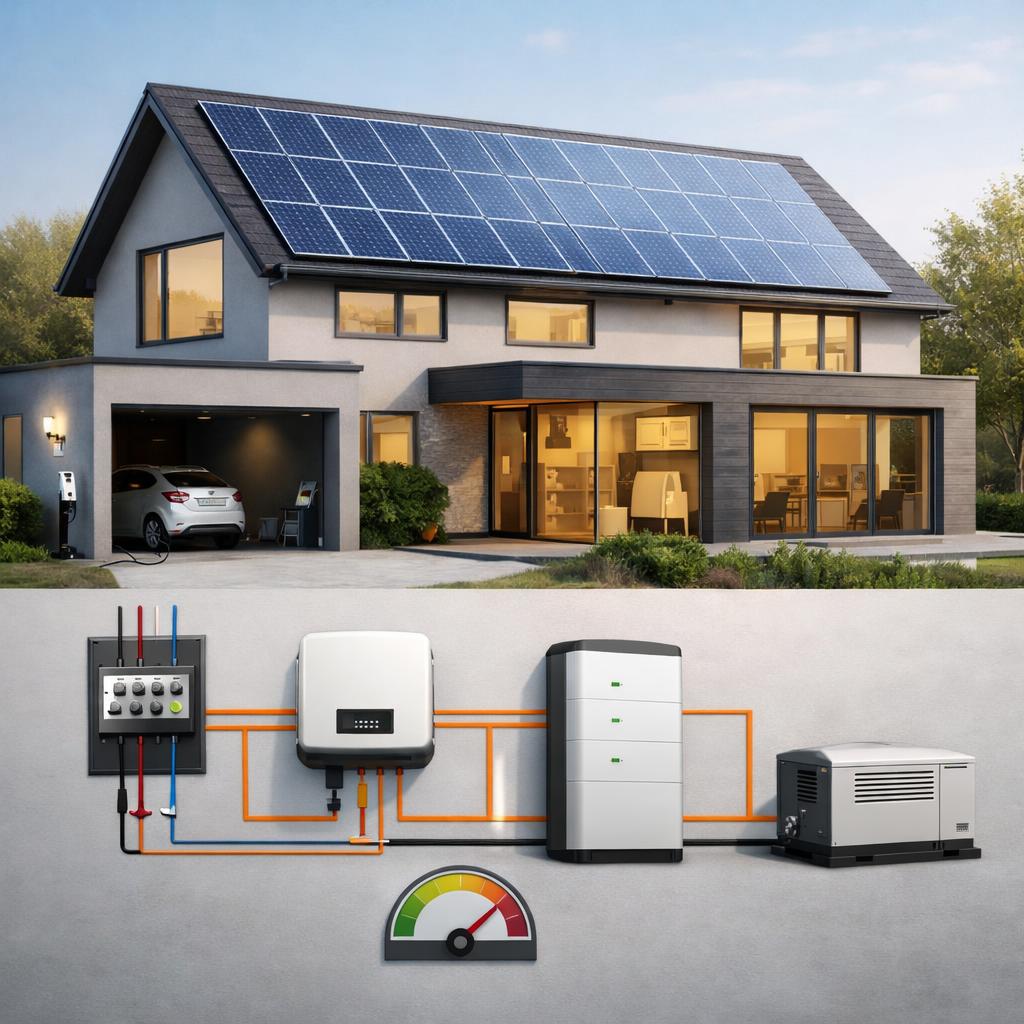
Also pay close attention to the power. A battery with a lot of storage but low continuous power still feels limited in practice, because heavy devices are not supported at the same time. The connection also plays a role. For larger installations, a system that is suitable for a three-phase setup may be interesting, provided the inverter, distribution box and mains connection are compatible. It is precisely that combination of capacity and power that determines whether a system works well in a large home.
This is how you compare systems without looking at brands
The best home battery for high energy consumption is best compared fairly on a few fixed points. First, look at the usable capacity rather than just the nominal storage. Then comes the continuous power: that determines whether you can run multiple devices from the battery at the same time. Peak power is also useful to check, especially for equipment that requires a lot of power for a short period of time. For large homes, modularity is often an added advantage. A system that can later grow from, for example, 15 to 25 kWh is usually wiser than buying too large immediately without good insight into your actual consumption.
What you should pay most attention to in practice
For a large home with solar panels, efficiency, charging strategy and backup function are also important. Please note: backup does not always mean that the entire house will continue to run in the event of a power outage. Often only selected groups remain active, such as lighting, internet, refrigerator or a few sockets. Therefore, check in advance which circuits are really supported.
In addition, look at the battery chemistry, the lifespan in charging cycles and the warranty conditions, but always assess these together with the practical usability. A system can seem impressive on paper and yet fit less well with your home. That is why a compatibility check remains essential. The battery must work well with the inverter, any solar panels, the energy management system and the existing electrical infrastructure. If you want to go into this in more detail, read also combining home batteries and solar panels. This way you prevent a system with nice specifications from encountering limitations in practice.
Conclusion
You choose the Best home battery for large homes by looking beyond just the number of kWh. Large houses often have to deal with higher peak loads, multiple heavy consumers and the desire to use more solar power themselves. As a result, usable capacity, continuous power, expandability and backup options are often more important than one individual product specification.
For many households with high consumption, a practical range is around 15 to 25 kWh. For very large homes, multiple electric cars or extra emphasis on emergency power, 25 kWh or more may be a better fit. The smartest choice is usually a scalable system that fits your actual consumption, your solar panels and the technical limits of the installation. So always pay attention to compatibility with the inverter, connection and any three-phase requirements. This way you will find a solution that is not only good on paper, but also really works in daily use.
FAQ
How many kWh home battery do you need for a large home?
That depends on your daily consumption, the share of solar power and heavy consumers such as a heat pump, air conditioning or EV. For many large homes, 15 to 25 kWh is a good starting point. With exceptionally high usage or a strong desire for backup, more storage may make sense.
Is a bigger battery always better for a big house?
No. A larger battery only makes sense if you use that capacity regularly. Those who buy too large often pay more without any clear additional benefit. The best choice is usually a system whose capacity and power match your daily profile.
Does a home battery also work without solar panels?
Yes, that's possible. You can also charge a battery with mains power at favorable times and use it later during more expensive hours. However, the combination with solar panels in large homes is often more attractive, because you then store more self-generated electricity and have to supply less.