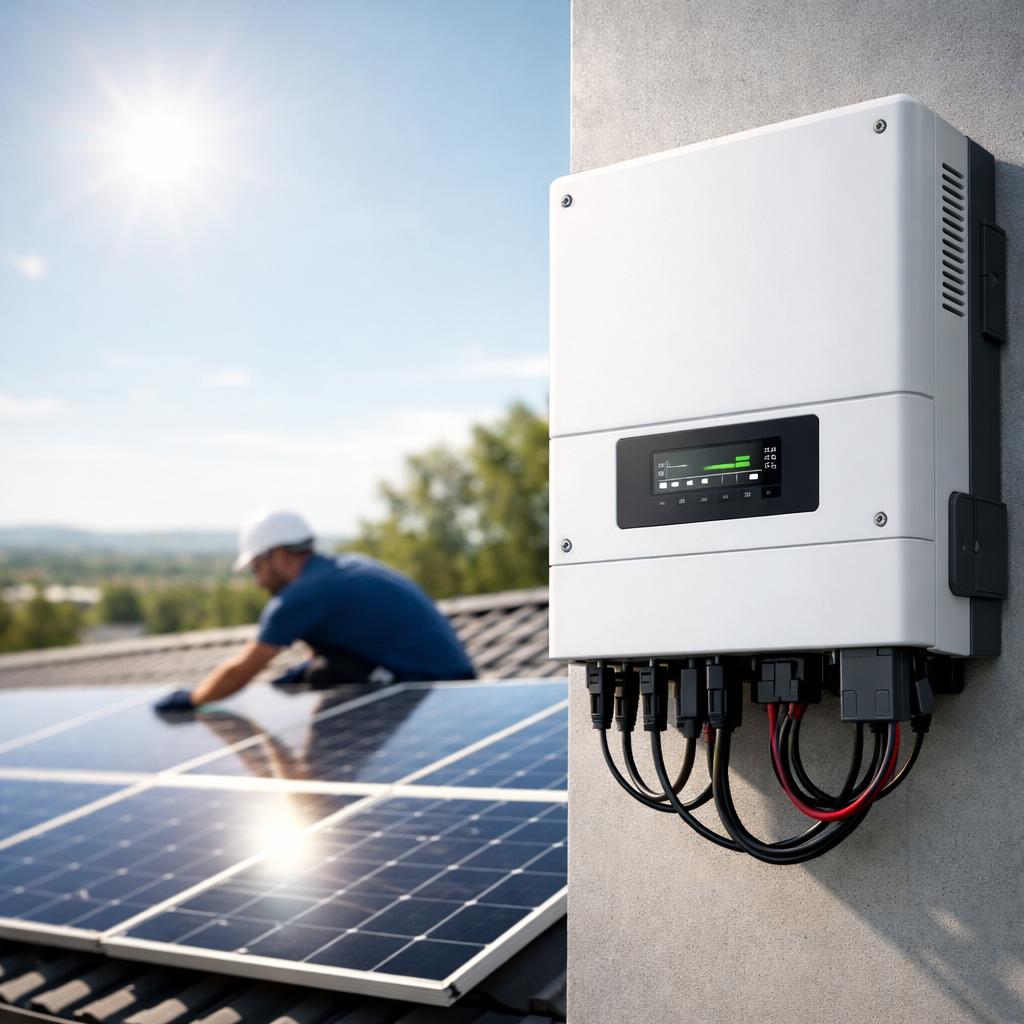
The Best Home Battery for Apartments is rarely the largest battery on the market. In an apartment, it is mainly about a model that suits limited space, normal daily consumption, low noise and safe placement. That is why many residents opt for a compact home battery of approximately 3 to 10 kWh. That capacity is often enough to store solar power, shift peak consumption or maintain a small reserve in the event of a power outage. For many households in an apartment, 3 to 8 kWh is more than sufficient for lighting, refrigerator, router, laptop and some other devices.
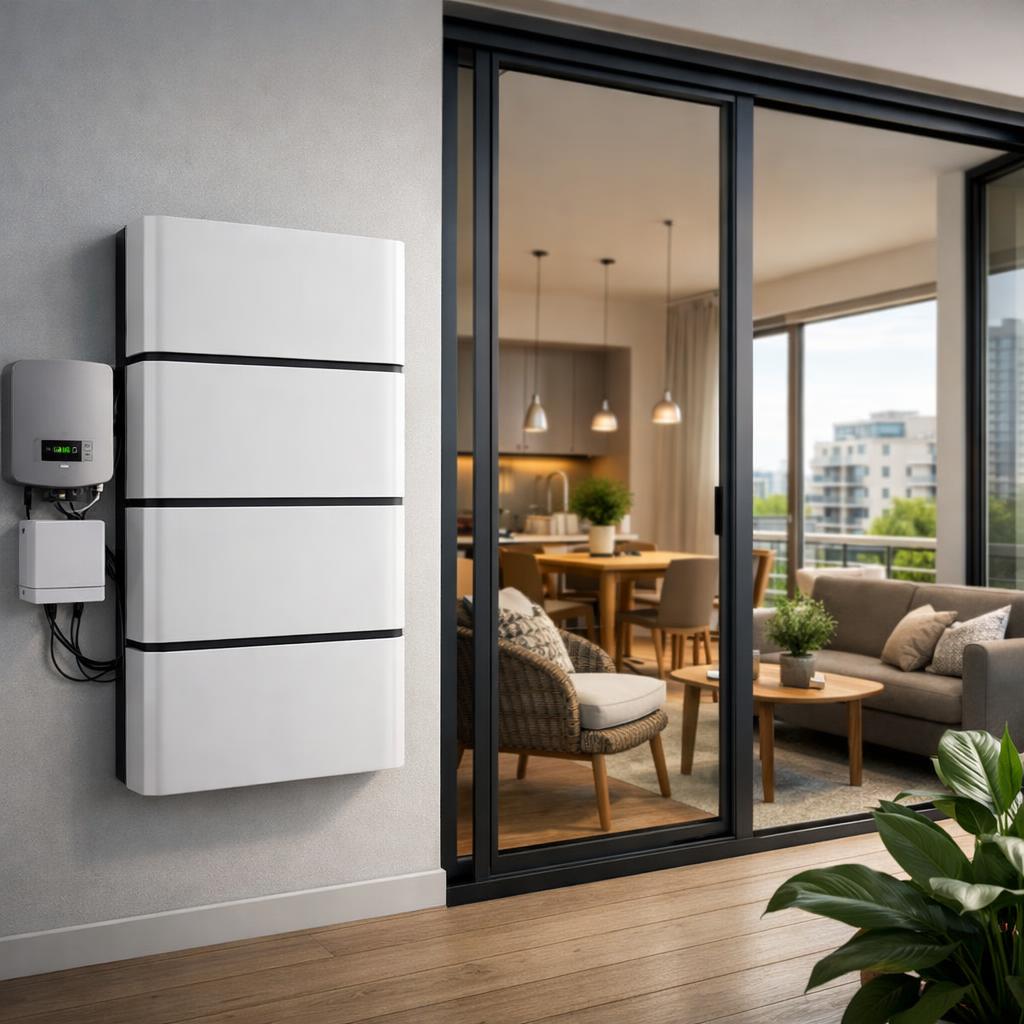
A good choice starts with a realistic estimate of your power consumption. Don't just look at your annual consumption, but especially at what you need on a normal day in the evening and during peak times. If you want to clarify this first, you can calculate your daily power consumption. Then pay attention to size, weight, noise level, battery chemistry and whether a plug-and-play home battery is more practical than a fixed installation. Always check whether placement is permitted according to local rules, your landlord, building management or homeowners' association.
Why a compact home battery often works best in an apartment
An apartment has different requirements than a single-family home. You usually have less storage space, fewer technical facilities and often neighbors or living spaces close by. This makes compact, quiet systems usually more attractive than large battery packs. A smaller system is easier to install in a storage room, technical cupboard or other limited space and usually requires fewer adjustments to the electrical installation. In practice, the Best home battery for apartments is therefore often a solution that efficiently uses space and comfort, instead of purely focusing on maximum storage.
How many kWh do you really need in an apartment?
The right capacity depends on your goal. If you mainly want to save cheap or self-generated electricity for later in the day, then 3 to 5 kWh is often useful. For an average apartment with more devices, 5 to 8 kWh is usually the most balanced. Think of lighting, refrigerator, internet equipment, TV, laptop and small kitchen appliances. Only if you want to store more solar power or remain independent for a little longer in the event of a power outage, you will approach 8 to 10 kWh. Larger seems attractive, but also means more weight, more space and higher costs. For apartments, a system that closely matches your actual consumption almost always works better than an oversized battery.
This is how you choose based on capacity, size, sound and safety
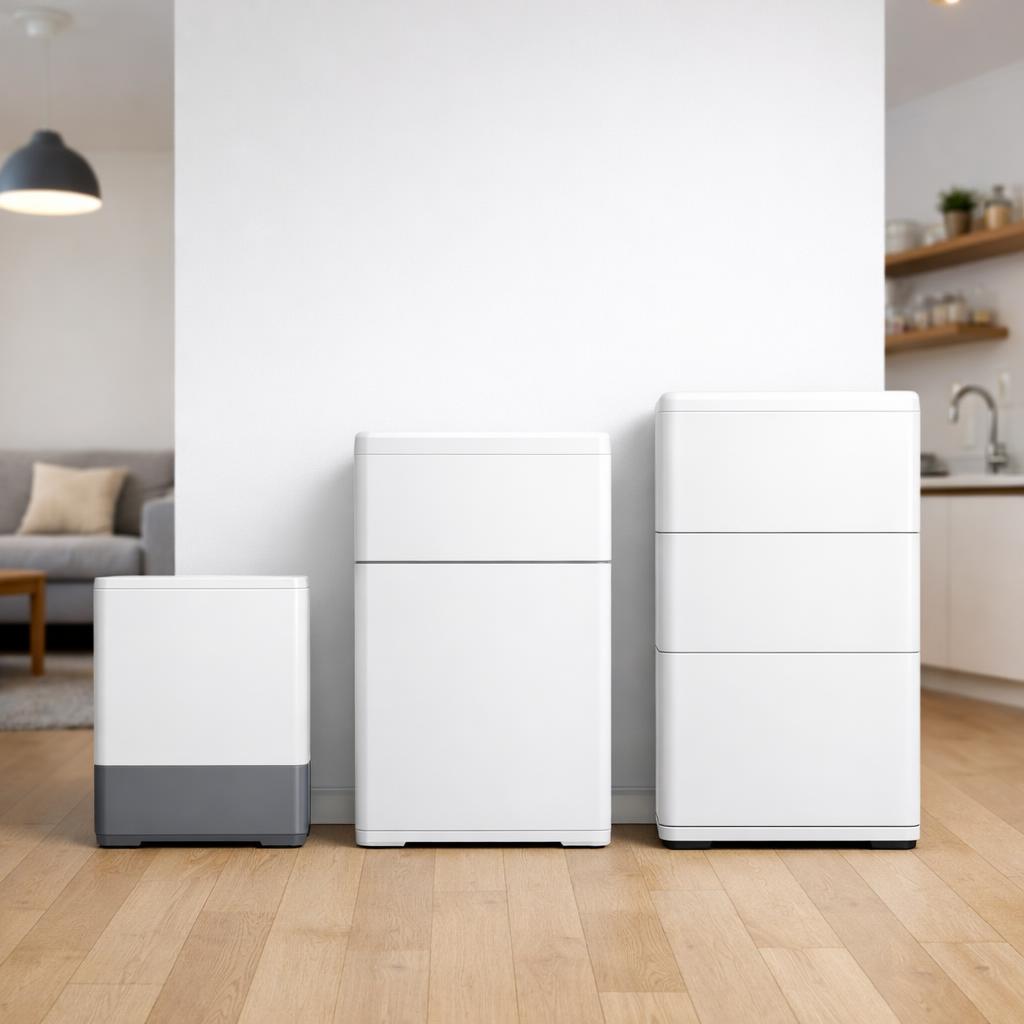
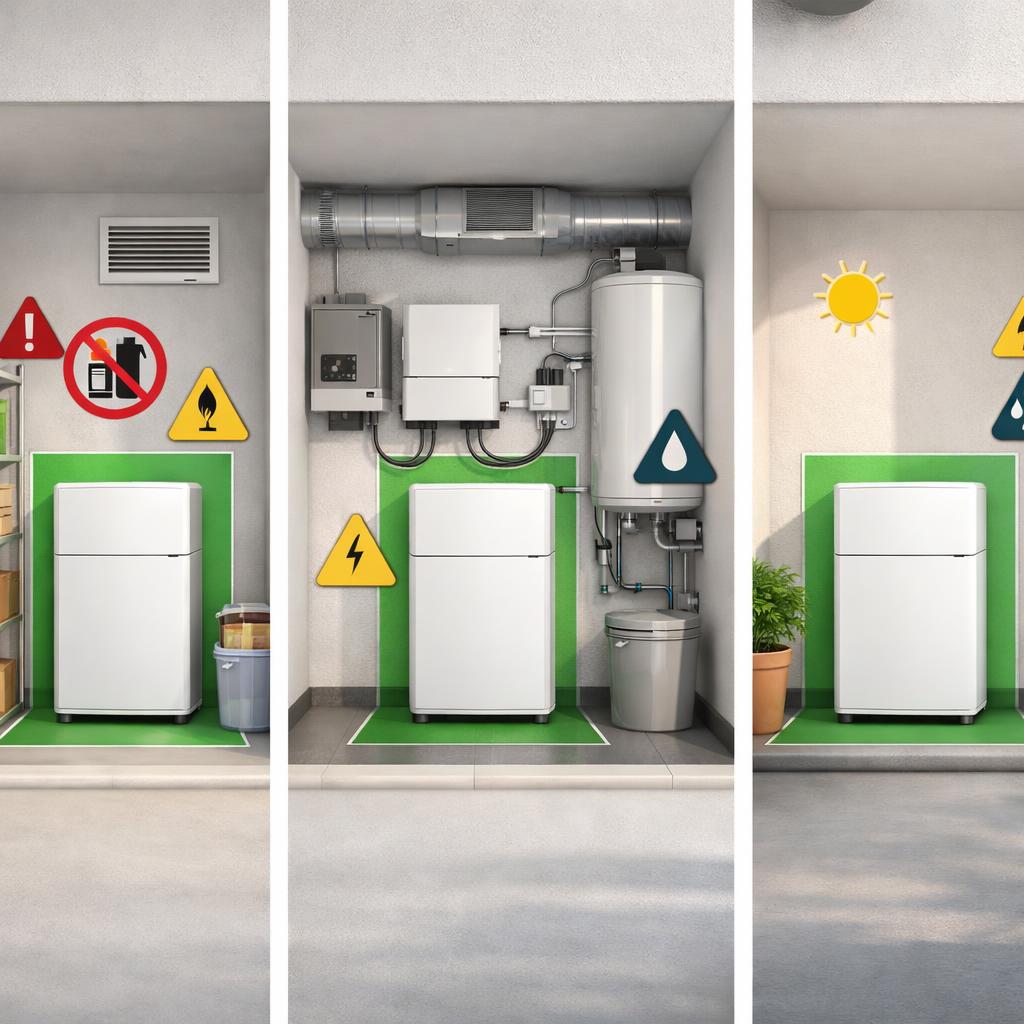
Capacity is important, but certainly not the only thing you should pay attention to. With a home battery in an apartment, the dimensions, weight and noise level also matter. A model that technically performs well, but buzzes audibly next to a living room or bedroom, is less pleasant in practice. Therefore, look at the product specifications for noise, ventilation and minimum free space around the system. Also check whether the battery fits through doorways and whether wall mounting or floor mounting is feasible in your situation. If you want to use the battery with solar energy, see also combining home batteries with solar panels.
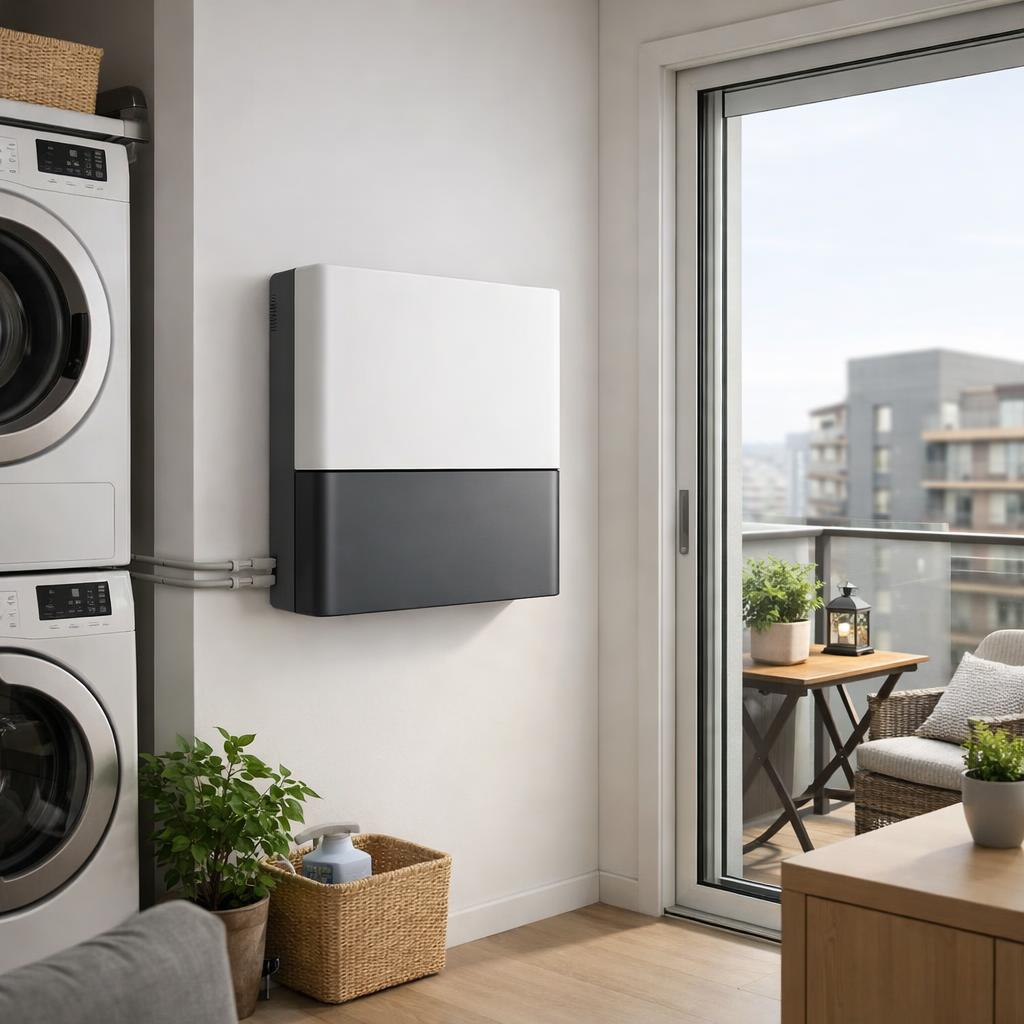
For apartments, compact and quiet systems usually make the most sense. In many cases, models around 5 to 7 kWh are a good starting point: large enough to provide noticeable benefit, but still limited in size. Those who need more storage can look at 8 to 10 kWh, provided there is enough space and a suitable location for it. Products in this class are often offered as a slim floor or wall solution. Well-known compact options are often in the range of approximately 5, 6.5 or 9.8 kWh. These are practical sizes for residents who want storage without the battery taking over the entire storage room.
When is LiFePO4 smarter than AGM in a living space?
For use in an apartment, LiFePO4 is usually the best choice. This battery chemistry is known to be more thermally stable, often has a longer lifespan, and is usually better suited to many charge and discharge cycles. This makes LiFePO4 attractive if you want to store solar power every day or regularly charge and discharge during peak hours. AGM can still be useful for simpler or cheaper applications, but is often heavier and less durable in the long term. In a residential environment, where safety, compactness and reliability are extra important, LiFePO4 is usually a better fit. Whatever chemistry you choose, good ventilation, correct placement and compliance with building regulations remain essential.
Conclusion
The Best home battery for apartments is usually compact, quiet and tailored to what you actually use. For many residents, 3 to 8 kWh is more than sufficient, while 8 to 10 kWh is especially interesting if you want to buffer more solar power or want extra reserve in the event of a power outage. Pay attention not only to capacity, but also to size, weight, safety, battery chemistry and whether a plug-and-play system or fixed installation better suits your home and the rules of the building.
Before purchasing, always look at the practical side: where will the battery be located, is there enough ventilation, and is installation permitted according to the landlord, homeowners' association or building management? This prevents a model from appearing good on paper, but not being suitable in practice. A compact battery with realistic capacity and a safe profile is the smartest investment in daily comfort and energy storage for most apartments.
FAQ
How big should a home battery be for an apartment?
For most apartments, 3 to 8 kWh is sufficient. If you mainly use the battery to use electricity generated during the day in the evening, then 3 to 5 kWh is often practical. If you have more devices or want some extra reserve, then 5 to 8 kWh is usually more obvious. Only with higher storage requirements or longer backup will you be closer to 8 to 10 kWh.
Is a home battery safe in an apartment?
Yes, provided the system is suitable for indoor use, is installed correctly and complies with the applicable regulations. Pay attention to ventilation, temperature, weight and the permitted location. LiFePO4 is often chosen in apartments because this chemistry has a stable safety profile and suits living spaces well. Even then, correct installation remains important.
Can a home battery be stored in a storage room or on a balcony?
Sometimes yes, but that depends greatly on temperature, moisture, ventilation and building rules. An indoor storage room or technical room is usually more suitable than a balcony with direct sunlight, rain or large temperature fluctuations. Always check in advance what the manufacturer prescribes and what the landlord, building management or homeowners' association allows.
Does an apartment with solar panels always need a home battery?
No, not always. A home battery is especially interesting if you want to use solar power later in the day, want to be less dependent on peak hours or find a limited emergency reserve important. If your consumption already coincides well with your generation, direct use of solar power without a battery may also be sufficient.