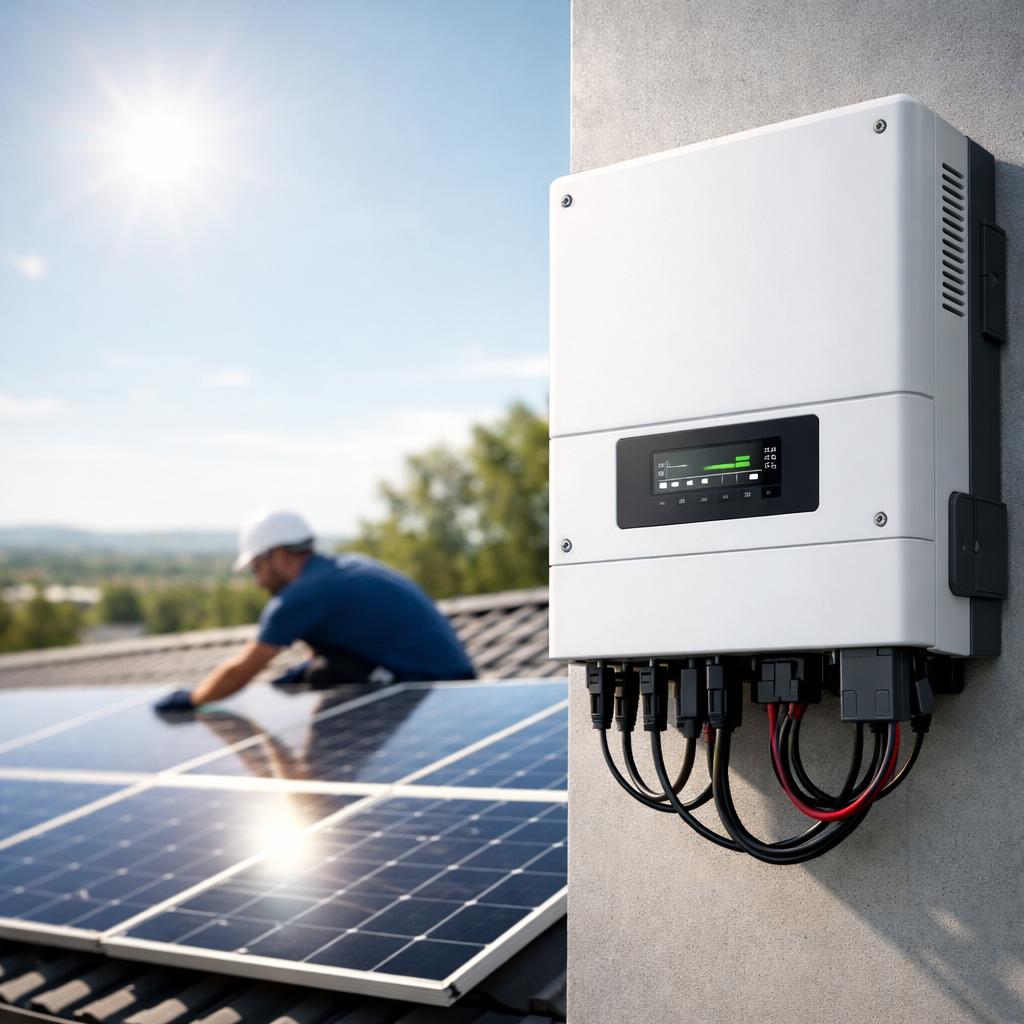
You do not choose the best home battery with emergency power 2026 based on one figure, but on the right balance between storage, power, safety and suitability for your home. For many homeowners in the United States, it revolves around two goals: coping with power outages and using more of their own solar power themselves. That is precisely why it is wise to first determine which devices really need to continue working in the event of a failure, how long this is necessary and whether you only want to continue to power a few important groups or a large part of the home.
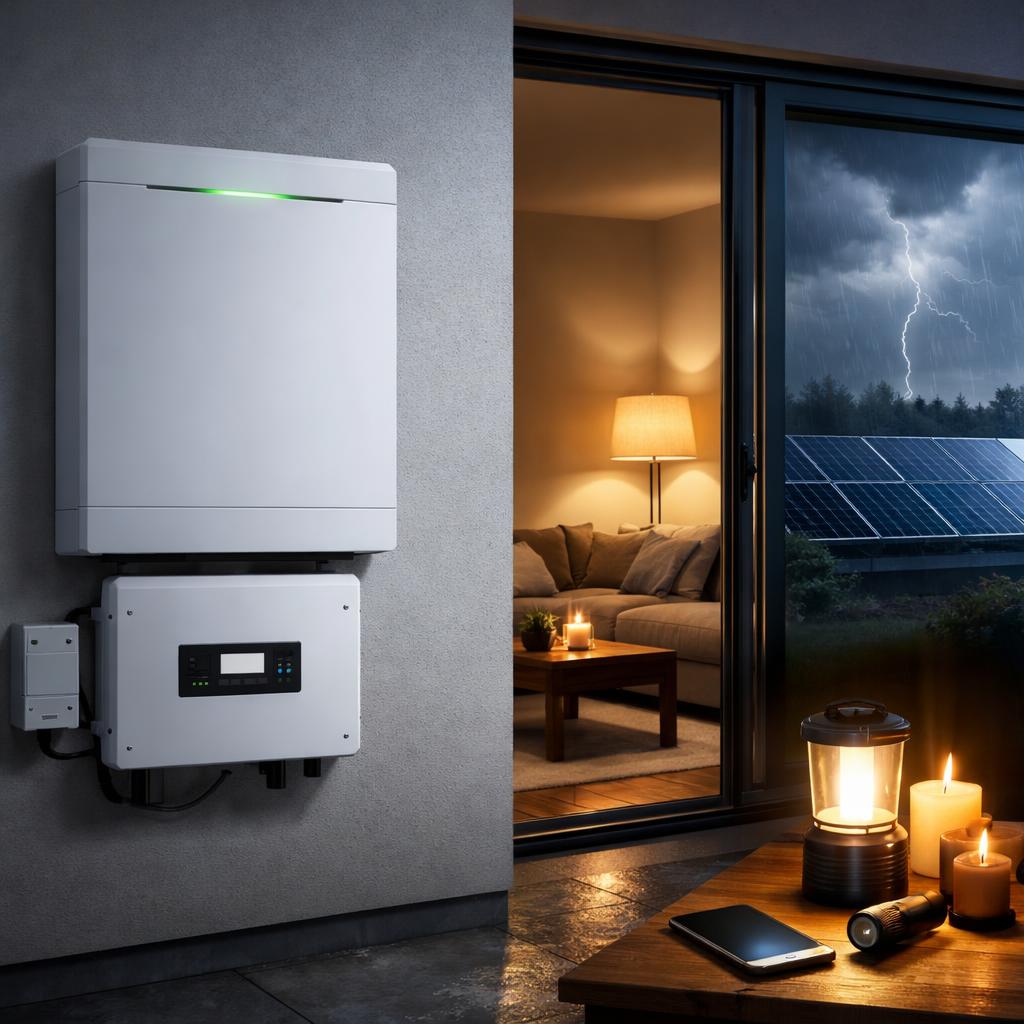
Anyone looking specifically for the best home battery with emergency power for the home 2026 should start with a clear picture of daily consumption and the desired emergency supply. You can then calculate the required battery capacity and honestly compare different systems. This way you avoid choosing too little capacity for refrigerator, lighting and internet, or paying for much more storage than you actually need. Below you can read what you should pay attention to, which solution suits your consumption and how to realistically assess costs and safety.
What to pay attention to when making the best choice in 2026
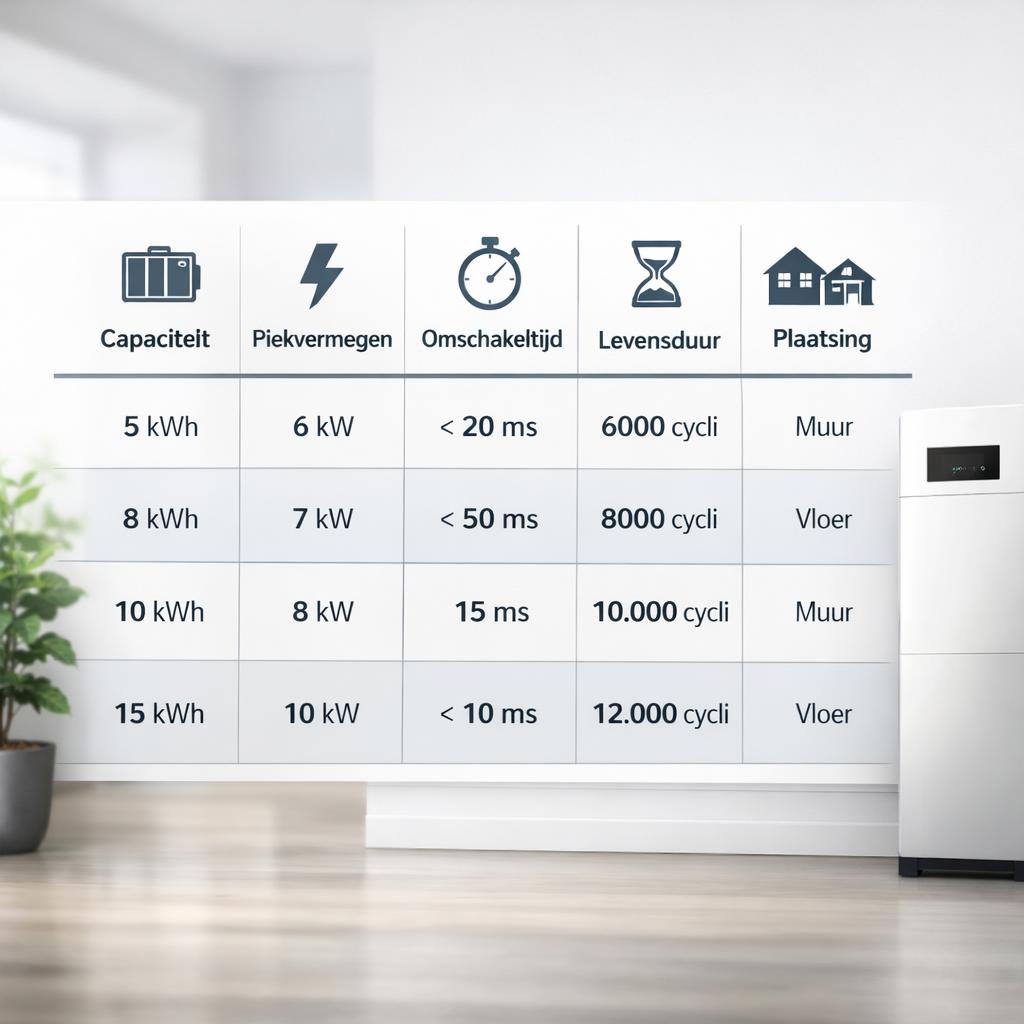
A good comparison starts with three main points: capacity, peak power and changeover time. Capacity determines how much electricity the battery can store and how long important devices can run. Peak power shows whether appliances with a heavier start, such as a refrigerator compressor, water pump or air conditioning, can switch on without problems. The changeover time is especially important in the event of a power outage: the shorter it is, the greater the chance that lighting, modems and other sensitive devices will continue to work without noticeable interruption.
Capacity, peak power and switching time clearly explained
In addition, always look at lifespan, usable storage and expandability. Not all stored energy is fully available for use, so compare usable capacity rather than just the theoretical total. Also check whether expansion is possible later, for example if your consumption increases or you have solar panels installed later. For those who want to choose a home battery with emergency power and solar panels, it is extra important that the installation works well with the meter cupboard, inverter and emergency power function. The best home battery with emergency power 2026 is only really suitable if the system technically matches the electrical structure of your home and meets the local requirements for installation and inspection.
Which home battery with emergency power suits your consumption
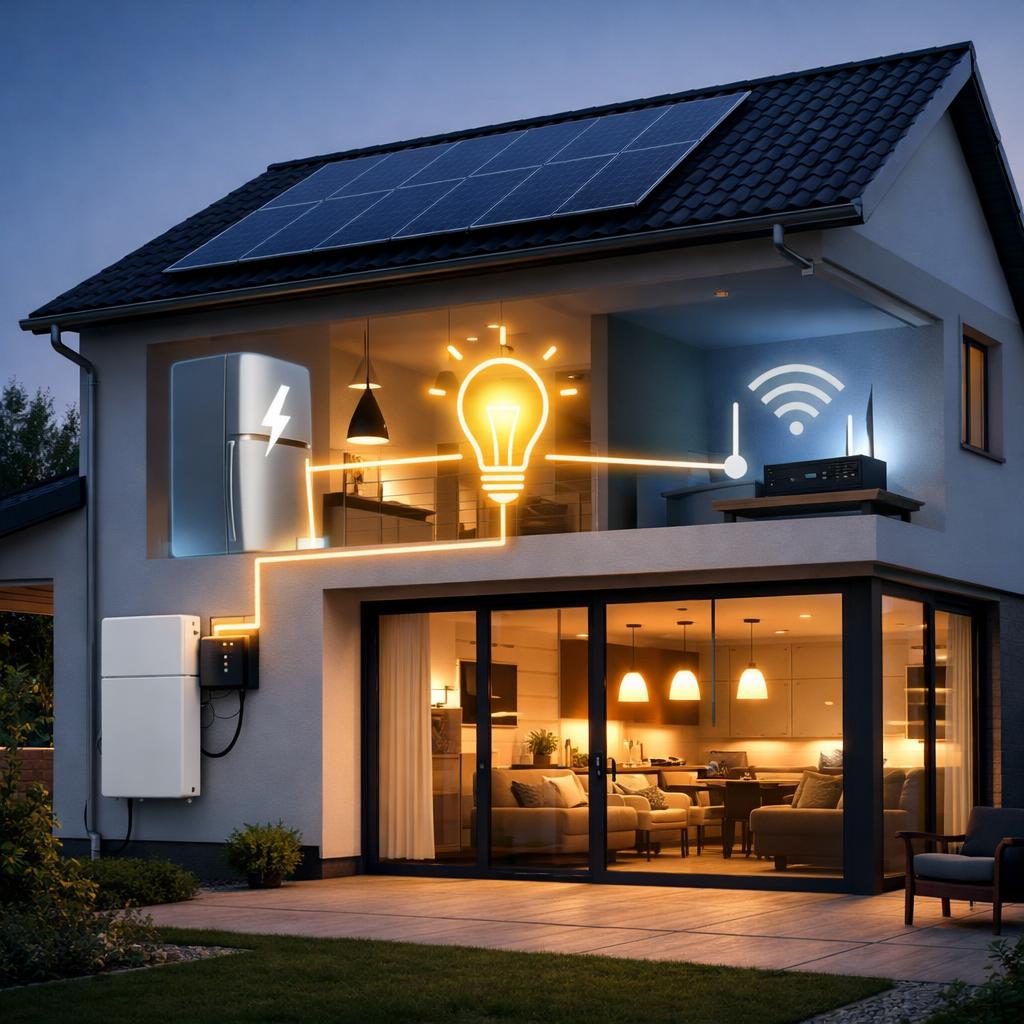
The right choice depends on what you want to continue using during a power outage. For basic emergency power, many households think of a refrigerator, some lamps, internet, telephones, chargers and sometimes a small fan or medical device. In such a situation, a smaller system may be sufficient, as long as the peak power is high enough to allow those devices to start simultaneously. If you also want to support multiple groups, kitchen appliances, pumps or part of the climate control, you usually need more storage and especially more continuous power.
Difference between basic emergency power and emergency power for almost the entire house
With emergency power for almost the entire house, the installation becomes more demanding and the assessment becomes stricter. Then not only must the battery be large enough, but the switch to selected groups or a broader housing supply must also take place safely. Therefore, always check the suitability of solar panels and inverters before you decide. This is extra important for those who want to know what to look out for with a home battery with emergency power, because unsuitable combinations can cause limitations in emergency operation. Also pay attention to the available installation location, the ambient temperature and whether your home is technically prepared for this form of energy storage.
Assess costs, placement and payback period realistically
The costs of a home battery with emergency power 2026 consist of more than just the battery itself. In many cases you also pay for a suitable inverter or control, an emergency power switch, adjustments to the meter cupboard, cabling, installation and inspection. As a result, a system for only essential groups is usually clearly cheaper than a solution that can power almost the entire home. The payback period then depends on your electricity rates, the consumption profile, how much solar power you have left during the day and how often the emergency power function is actually needed.
Pay attention to safety, inspection and suitability for your inverter
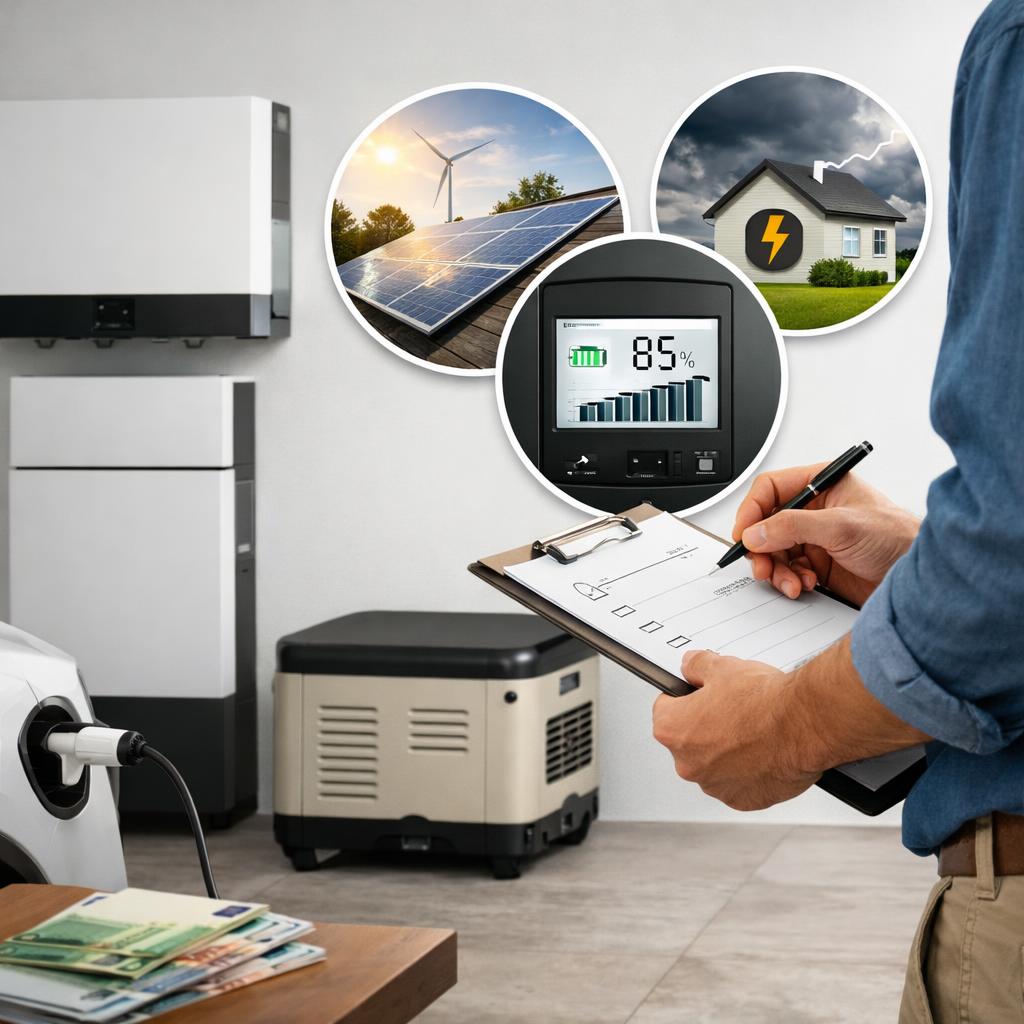
Safety is more important than a low purchase price. Pay attention to a solid housing, good thermal protection, correct placement and installation by an authorized professional company. Always ask explicitly whether the system is suitable for your meter cupboard, inverter and the desired emergency power setting. Ventilation, distance to other installations and local inspection requirements also play a major role. A home battery is only a wise investment if technology, home and user requirements are well matched. This way you can make a sensible comparison and get closer to the best home battery with emergency power 2026 for your own situation.
Conclusion
The best home battery with emergency power 2026 is the battery that matches your actual consumption, the desired emergency supply and the technical capabilities of your home. Therefore, first look at which devices are indispensable during a power outage, how much storage is required and what peak power is needed to start those devices safely. Only then compare matters such as lifespan, expandability, placement and suitability for your existing installation.
For homeowners who want to make an informed choice, an honest and practical assessment remains the most important. Pay attention to capacity, changeover time, safety, inspection and the connection to the meter cupboard and inverter. This way you can see more quickly which solution really suits you, whether you are looking for a simple emergency supply or a more extensive system for a large part of the home. This increases the chance that your investment in the best home battery with emergency power 2026 also turns out to be reliable, safe and suitable in practice.
Frequently asked questions
How much capacity do I need for emergency power at home?
That depends on the devices you want to continue using during an outage and the number of hours they have to continue working. A refrigerator, lighting and internet together require much less storage than kitchen appliances, climate control or multiple groups at the same time. Therefore, first make an overview of the essential consumers and include both normal consumption and start-up power. This will prevent you from choosing a system that is too small.
Can a home battery power the entire house during a power outage?
This is possible in some homes, but certainly not in all situations. Whether this is possible depends on the battery, the continuous power, the emergency power circuit, the meter cupboard and the electrical layout of the house. In many cases it is wiser to only provide selected groups with emergency power. This is often simpler, safer and cheaper to purchase and install.
Does a home battery with emergency power always work together with solar panels?
No, that combination must be technically suitable. The cooperation depends on the inverter, the control of the installation and the way in which the emergency operation is set up. It is therefore wise to check in advance whether the chosen home battery fits well with existing solar panels, the meter cupboard and the desired operation during power outages.
Where should the home battery be placed?
The installation must be safe, easily accessible and suitable for the system. A garage, technical room or other dry place with sufficient ventilation and a stable temperature is often chosen. The final location depends on fire safety, mounting requirements, available space, cabling and local inspection requirements. Therefore, always have the installation location assessed in advance by a qualified installer.