Short answer: the best choice is not one universal system, but the combination that suits your power consumption, desired emergency power, available space and budget. Those looking for the best DIY home battery systems for home energy storage usually mean a safe, expandable and affordable system that works well with solar panels and can be used in a regular home in the United States.
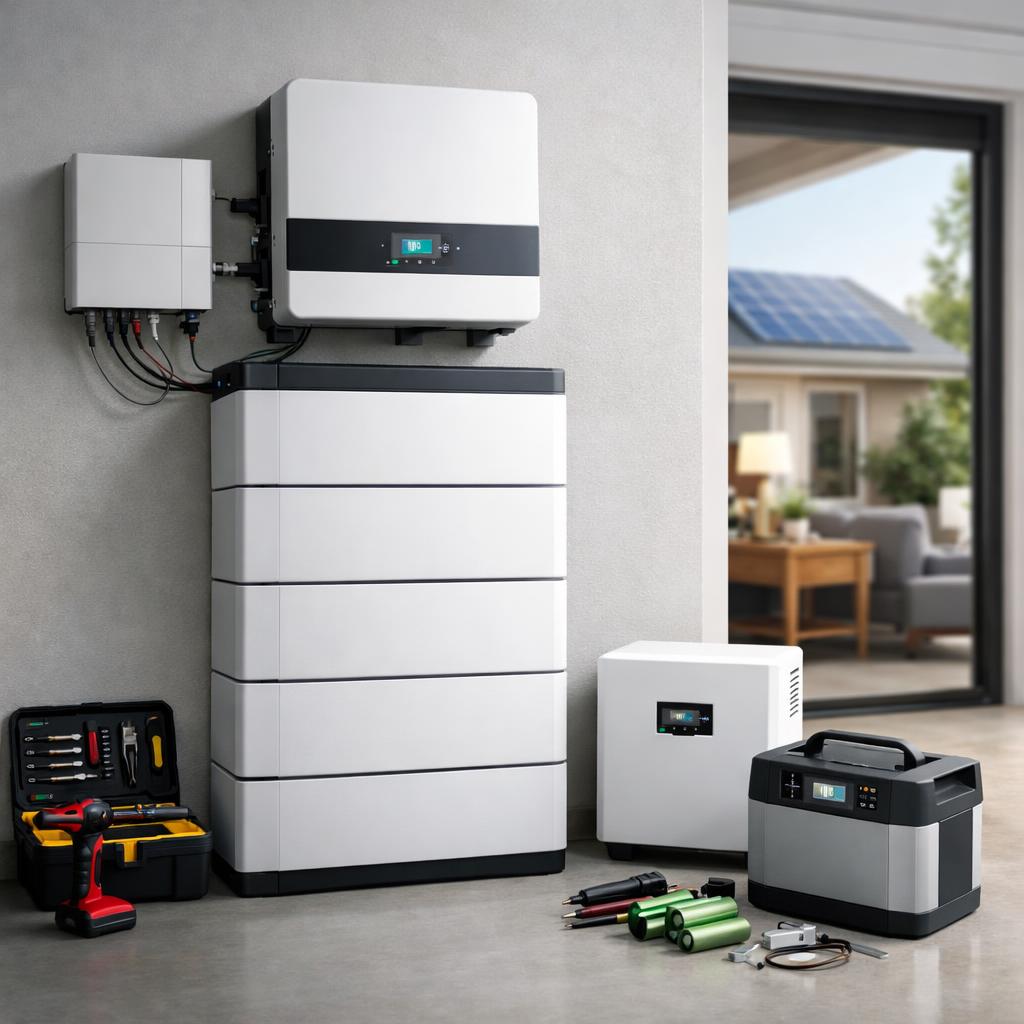
That is why a comparison on properties is often more useful than a simple overview of winners. Pay particular attention to storage capacity, peak power, battery technology, expandability and total costs. These points determine whether a system can only supply a few essential groups or is also suitable for daily charging and discharging. Always start with your own situation and calculate the correct battery size for your home.
The electrical installation also counts heavily. Permits, grid connection, group classification and local regulations vary per home and per region. A do-it-yourself system can therefore only be smart if it is technically suitable and can be installed safely. Anyone who is clear in advance what the goal is will compare more quickly and avoid an expensive bad purchase.
What you really compare to the best DIY home battery systems for home energy storage
The search intent behind this topic is clear: people want to know what to look for before they buy. Not everyone is looking for maximum storage. Some just want lighting, internet, a refrigerator and a few electrical outlets during an outage. Others want to save solar power from the day for the evening or reduce their grid consumption. As a result, the ideal system varies greatly per household.
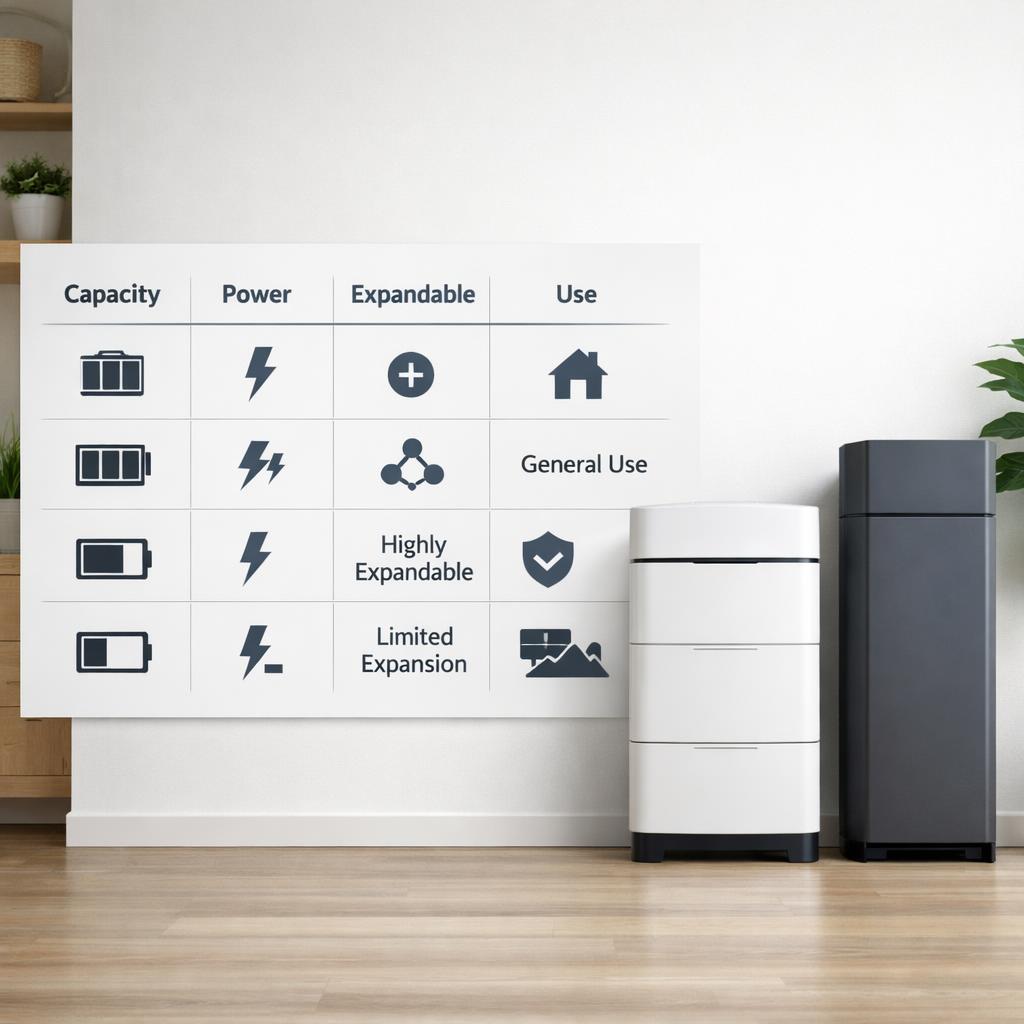
The first equation is always about capacity and power. Capacity determines how much energy you can store. Power determines how many devices you can run at the same time. A system with a lot of capacity but too little power still feels limited in practice. This difference is especially important for heavier consumers such as kitchen appliances, air conditioning or a heat pump.
Next comes expandability and longevity. A modular system is often more attractive than a fixed setup, because you can add extra storage later if your consumption increases or if you install more solar panels. Also look at warranty, number of charging cycles and performance at high or low temperatures. It is precisely those details that make the difference between a battery that only looks good on paper and a system that remains usable for years to come.
Lithium iron phosphate is interesting for many homeowners because of its stable operation and long lifespan. Yet battery technology is never the only decision point. Placement, protection, choice of inverter and compatibility with the meter cupboard are just as important. So a good comparison does not help you find “best” product, but to see which type of system suits emergency power, daily use or a larger solar storage setup.
What to pay attention to when it comes to capacity, safety and installation
Capacity, power and future expansion
A useful article on home storage makes it immediately clear what the numbers mean. For basic emergency power, a compact system is often enough. If you want to use your own solar power more often in the evening, you usually need more storage. If you also want to run several heavy appliances at the same time, the power must also be increased. So just looking at the battery capacity is too simple.
Also include the total costs. Those who want to understand the cost of a DIY home storage battery need to look beyond the price of the battery modules. Also consider an inverter, fuses, switching material, mounting material, cabling and possible adjustments to the distribution box. Sometimes it is precisely those extra components that are decisive for the budget.
Expandability remains one of the smartest points to compare on. Starting small may make sense, but only if the system can grow smoothly later. This is especially useful if you want to install more panels in the future or run a larger part of your home on battery power. This way you prevent your first purchase from becoming too small too quickly.
Safety and practical placement in the home
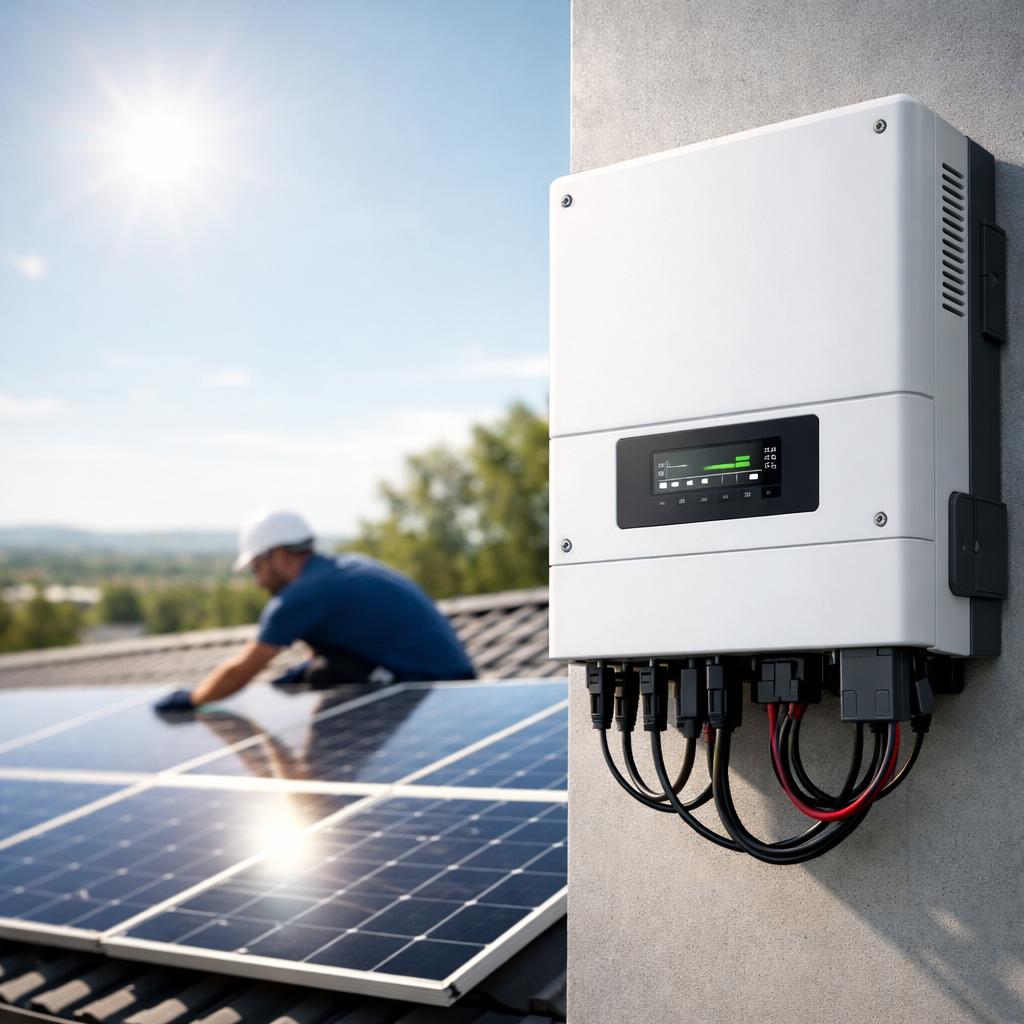
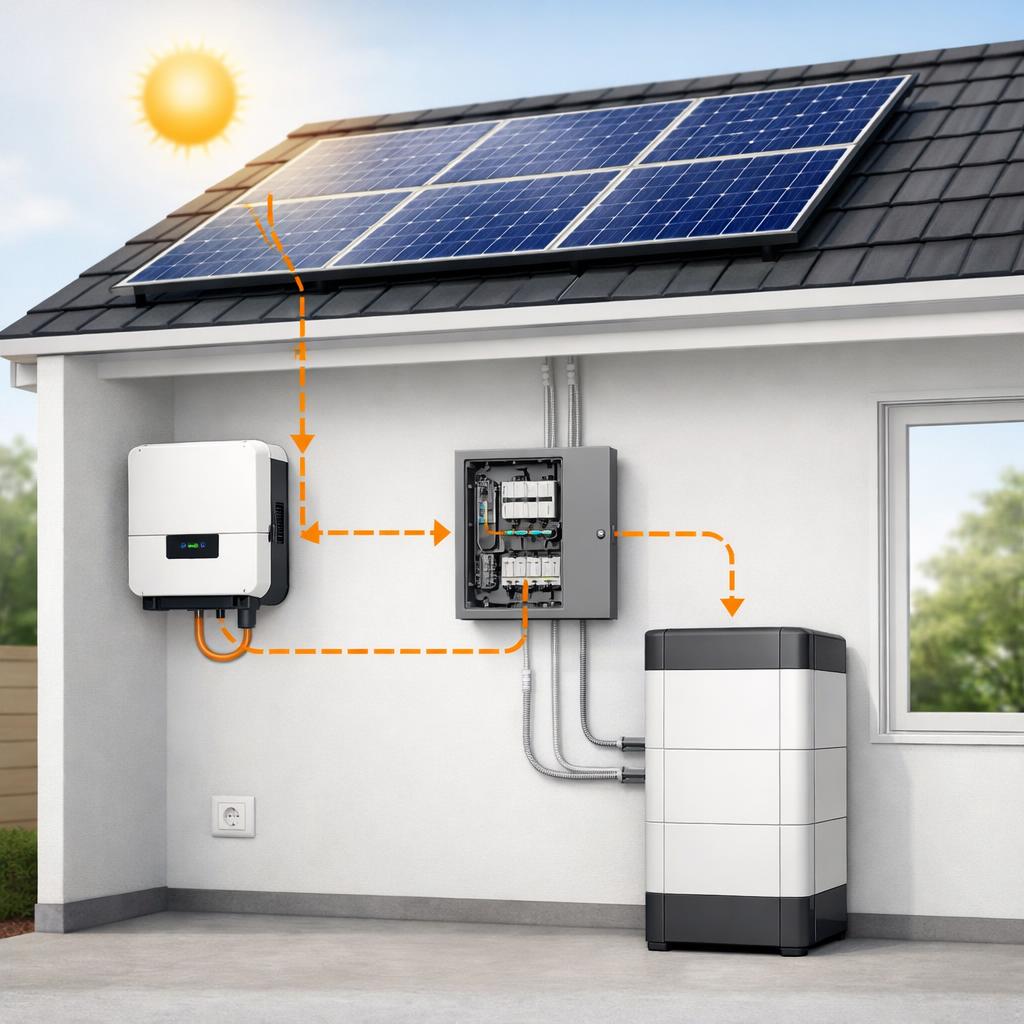
Safety always deserves extra attention, especially if you are looking for safe home battery installation with solar panels. Pay attention to ventilation, temperature range, fire-safe placement, emergency switches, fuses and the correct coordination between battery, inverter and distribution box. For the connection with generation, also read more about safe connection with solar energy.
Not every step is suitable for complete self-execution. Many homeowners can do some of the preparation, installation and planning themselves, but the connection to the home installation often requires professional knowledge. In many regions there are also requirements for inspection, permission or official approval. That is not a detail, but an important part of the choice. A system is only good if it can be used safely and according to the rules.
In addition, look at the place in the house. Available space, noise, accessibility for maintenance and protection against moisture or extreme heat have a direct influence on the lifespan. A technically good system in the wrong place can still be disappointing. Practical placement is therefore just as important as the specifications on paper.
Conclusion
The best do-it-yourself home battery systems for energy storage at home are the systems that match your actual consumption, your desired emergency power, the available installation space and your plans for expansion. Therefore, do not compare on fancy sales pitches, but on capacity, power, battery technology, safety, warranty and total costs. That gives a much more realistic picture of what you really need at home.
For many homes, a modular system is the wisest choice, especially when solar panels, evening consumption and emergency power all play a role. Start small if that fits your budget, but only go small if expanding later remains easy. Also check in advance whether your electrical installation is suitable and what local rules apply.
Comparing in this way prevents substandard storage, unnecessary expenditure and unsafe setups. Ultimately, it is not about the most popular name, but about the system that works reliably in your home and for your intended use.
Frequently Asked Questions
How big should a DIY home battery be for my house?
That depends on your daily consumption, the number of hours you want to cover and which devices must remain active during an outage. Less storage is required for only essential groups than for broad housing support. Pay particular attention to your actual evening and night consumption, not just your monthly energy bill.
Is a DIY home battery safe for indoor use?
This is possible, provided the system is suitable for indoor installation and is installed correctly with appropriate security, sufficient space and good ventilation. Indoor use requires extra attention to temperature, fire safety and the correct location. Always check product specifications and local regulations before deciding.
Is expandability important if I want to start small now?
Yes, usually. An expandable system makes it easier to add extra storage later when you use more power, install more solar panels or have higher emergency power requirements. This is often cheaper than buying a completely new system later.
What is the total cost of a home battery system?
The total cost usually consists of more than just the battery modules. Consider the inverter, security components, cabling, mounting material, any adjustments to the distribution box and possible inspections. Especially in a fair comparison, the total sum is more important than the individual battery price.