Short answer: yes, solar panels on agricultural land can be interesting, but only if rules, grid connection and the intended use of the land are well aligned. For many readers, the question is not only about can you install solar panels on agricultural land, but mainly about the practical feasibility of the plot. This includes the destination, local rules, soil and water management, accessibility and the question of whether agricultural use can partly continue.
Anyone who wants to make a quick initial assessment would be wise to immediately compare the zoning and procedural requirements with the actual situation on the plot. Therefore, also look at permits for solar projects, so that you can see early on whether a plan is promising or likely to get stuck.
Short answer: yes, but only if rules, grid connection and land use fit
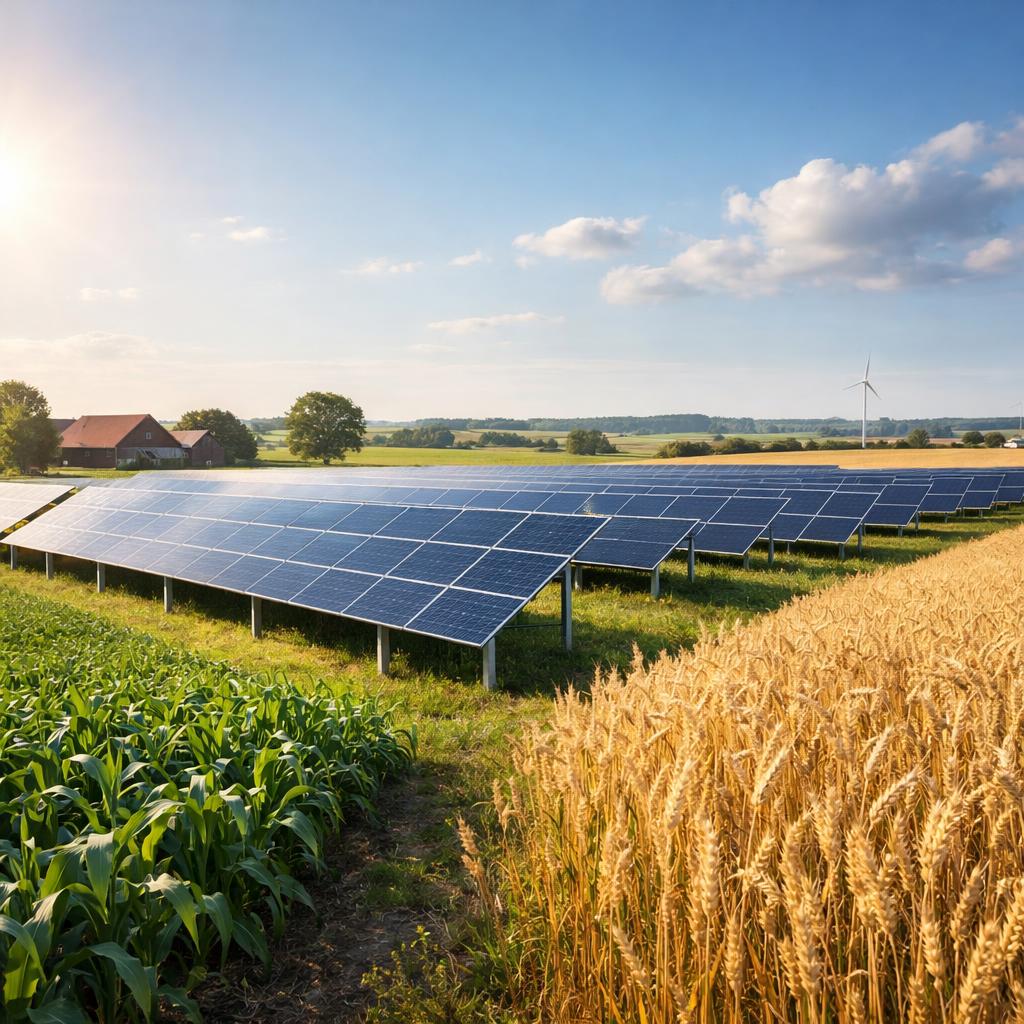
Solar panels on agricultural land only become really interesting when several conditions are favorable at the same time. Consider sufficient space, little shade, good accessibility for construction and maintenance and an environment where the spatial integration is defensible. It is also important whether current agricultural use stops completely or can be partly preserved. In some locations an arrangement is possible in which the land does not completely disappear from agricultural use, but this always requires assessment per plot.
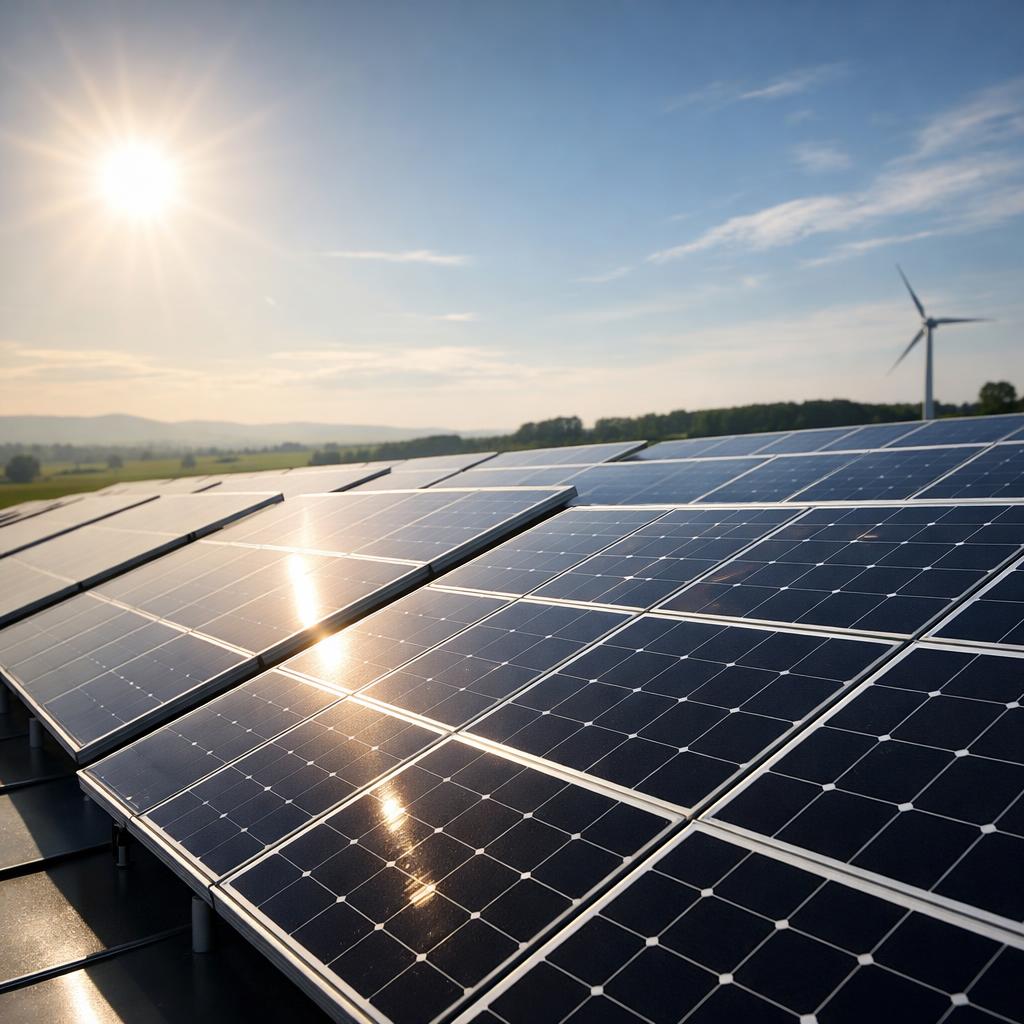
With a solar park on agricultural land, the preconditions often outweigh the technology itself. Municipalities and provinces can impose requirements on landscape integration, soil quality, water storage and the extent to which a design is temporary or reversible. In addition, a plan may seem logical on paper, while the connection to the power grid is ultimately the deciding factor. The most useful assessment is therefore conditional: promising if policy, plot characteristics and connections are correct, less logical if one of those components is clearly deficient.
When solar panels on agricultural land are a logical choice
Suitable situations for agricultural use and dual use of space
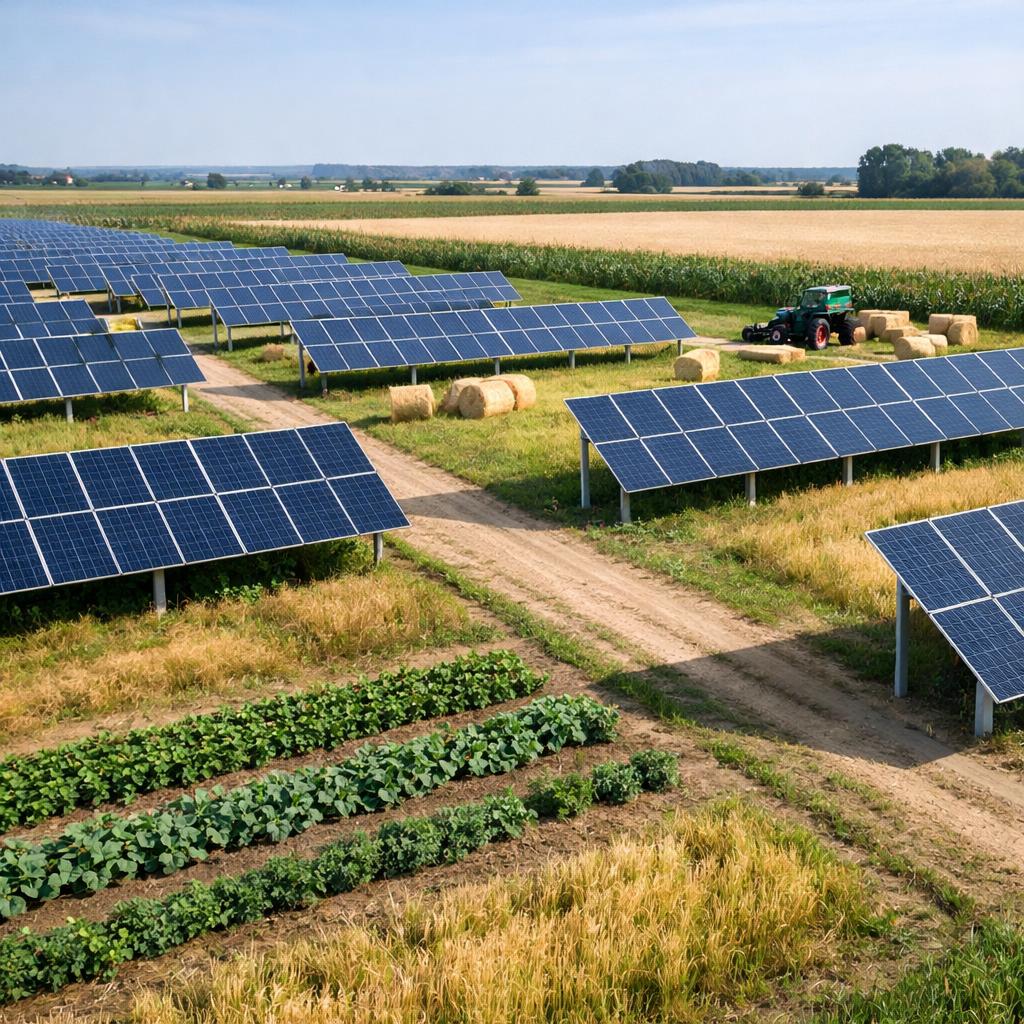
Using agricultural land for solar panels is especially logical if it is clear in advance which goal is paramount. Is it about additional income, spreading of risk, temporarily different use of the land or a combination with an agricultural function? Suitable situations are often plots with a lower direct use intensity, locations where landscape integration is easily feasible or land where dual use of space is seriously possible. Consider arrangements with sufficient space between them, management that takes soil and water into account and a design that does not immediately lose all the productive value of the land.
Less suitable are plots where high-quality cultivation is central, where heavy machinery requires constant full access or where local resistance and policy restrictions are great. Soil with a vulnerable soil structure or complicated drainage also requires extra caution. Anyone who wants to assess whether solar panels on agricultural land are suitable must therefore not only look at surface area and solar radiation, but also at business operations, landscape impact and the possibility of adapting the design later. It is precisely this combination that makes the difference between a theoretical idea and an executable plan.
Which risks and conditions you should check first
Permits, soil quality, grid capacity and local requirements
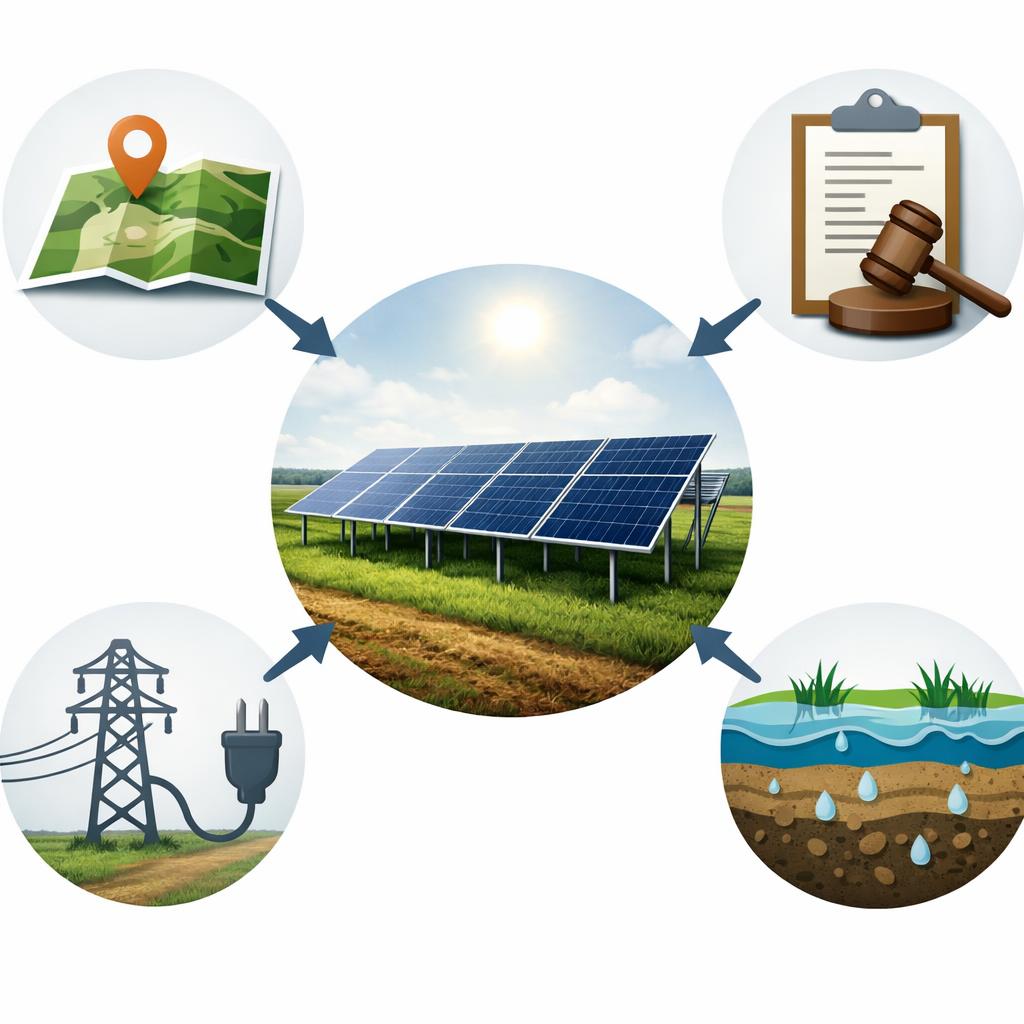
The greatest risks usually lie in four parts: planning permission, technical connection, quality of the subsurface and local preconditions. The question of a permit for solar panels on agricultural land is often decisive, because not every agricultural destination offers space for a solar project. Therefore, check early whether the destination, environmental regulations and any provincial frameworks support or restrict the initiative. A sensible starting point is to first test the legal and technical feasibility and only then calculate revenue or expansion.
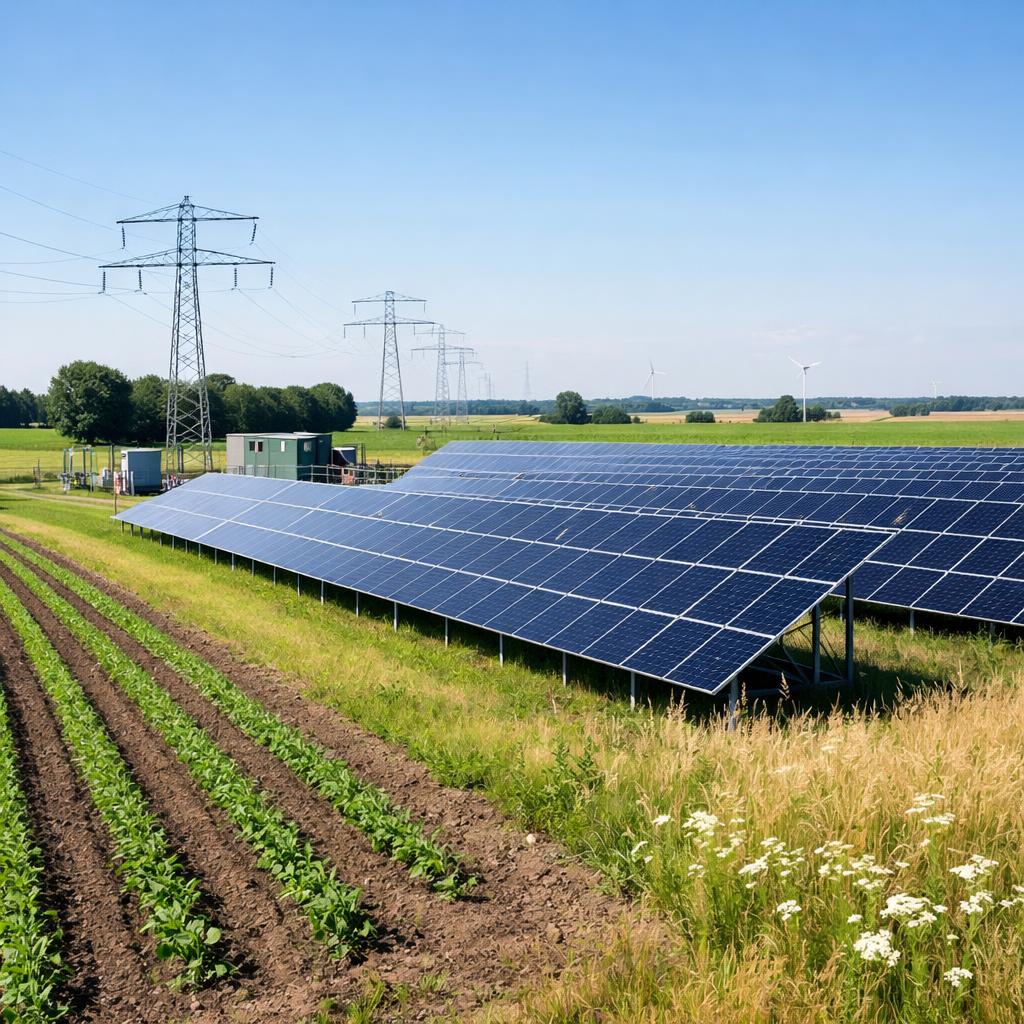
This is followed by the practical inspection of the plot. Investigate soil pressure, foundation, drainage, ecological effects and accessibility. Also look at grid capacity and connection, because a plan that fits well spatially may still become unfeasible due to limited transport capacity. Local requirements regarding sight lines, greenery or participation can also weigh heavily. A sober comparison of destination, permit requirements, grid connection, soil condition and the desired type of land use helps to quickly exclude weak locations and recognize better plots earlier.
Conclusion
Solar panels on agricultural land can certainly be a logical choice, but only if the purpose of use, local rules and grid connection are demonstrably compatible. The key question is therefore not only whether a plot is technically suitable, but also whether the plan fits within the destination, the environment and the future use of the land. Anyone who only looks at possible returns often sees too late the factors that will later cause delays, additional costs or rejection.
If you want to assess whether a plot of agricultural land is suitable for solar panels, the next step is to carefully compare these points: destination, permit requirements, grid connection, soil condition, water management and the extent to which agricultural use must continue. This comparison provides a useful first selection of feasible plots. If you then want to calculate further, see how you can calculate the electricity yield in your decision.
Frequently asked questions
Can you simply install solar panels on agricultural land?
No, usually not. Whether this is allowed depends on the zoning of the plot, municipal and provincial rules and whether a permit or amendment to the plan is required. Even if a location seems physically suitable, the spatial substantiation may still be inadequate. Therefore, always first check which rules apply to the plot.
When is agricultural land suitable for dual use with solar panels?
This is especially possible when the setup leaves room for continued management or limited agricultural use and when soil, water and accessibility remain in order. Double use almost always requires customization. It is less obvious in intensive cultivation or plots where machines must be able to move freely all the time.
Which conditions are most important for a solar park on agricultural land?
The most important conditions are usually planning permission, grid connection, landscape integration, soil quality and water management. This is followed by practical points such as accessibility, maintenance and whether the project hinders the current land use too much. The overall picture is more important than one individual factor.
How do you avoid investing time in an unfeasible plot?
Start with a quick pre-selection on five points: destination, permit requirements, connection to the grid, soil and water conditions and the desired type of land use. If one of these parts clearly doesn't fit, restraint is usually wise. This way you work step by step and avoid assuming feasibility or returns too early.