Which home battery socket can I connect to the socket myself?
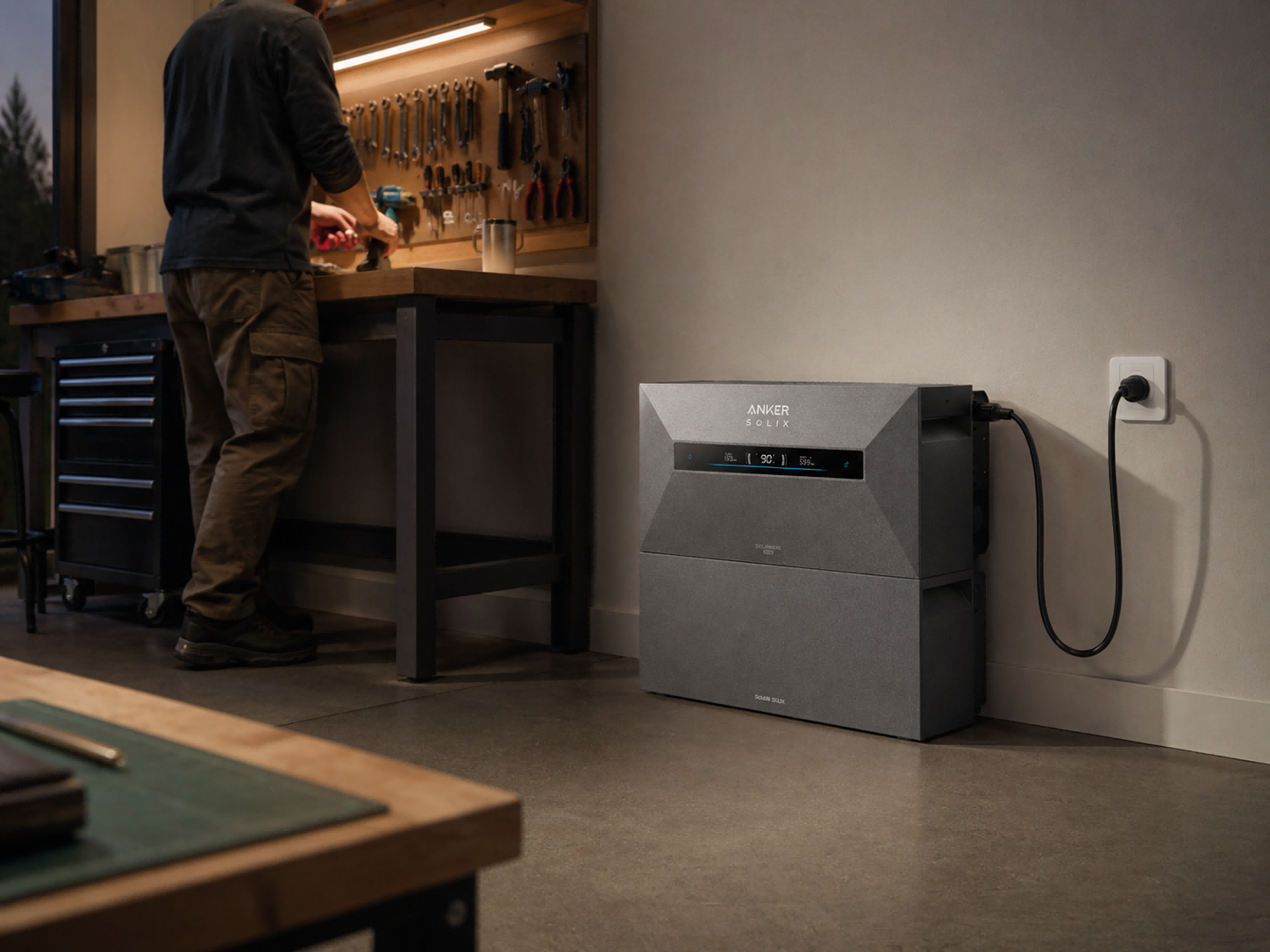
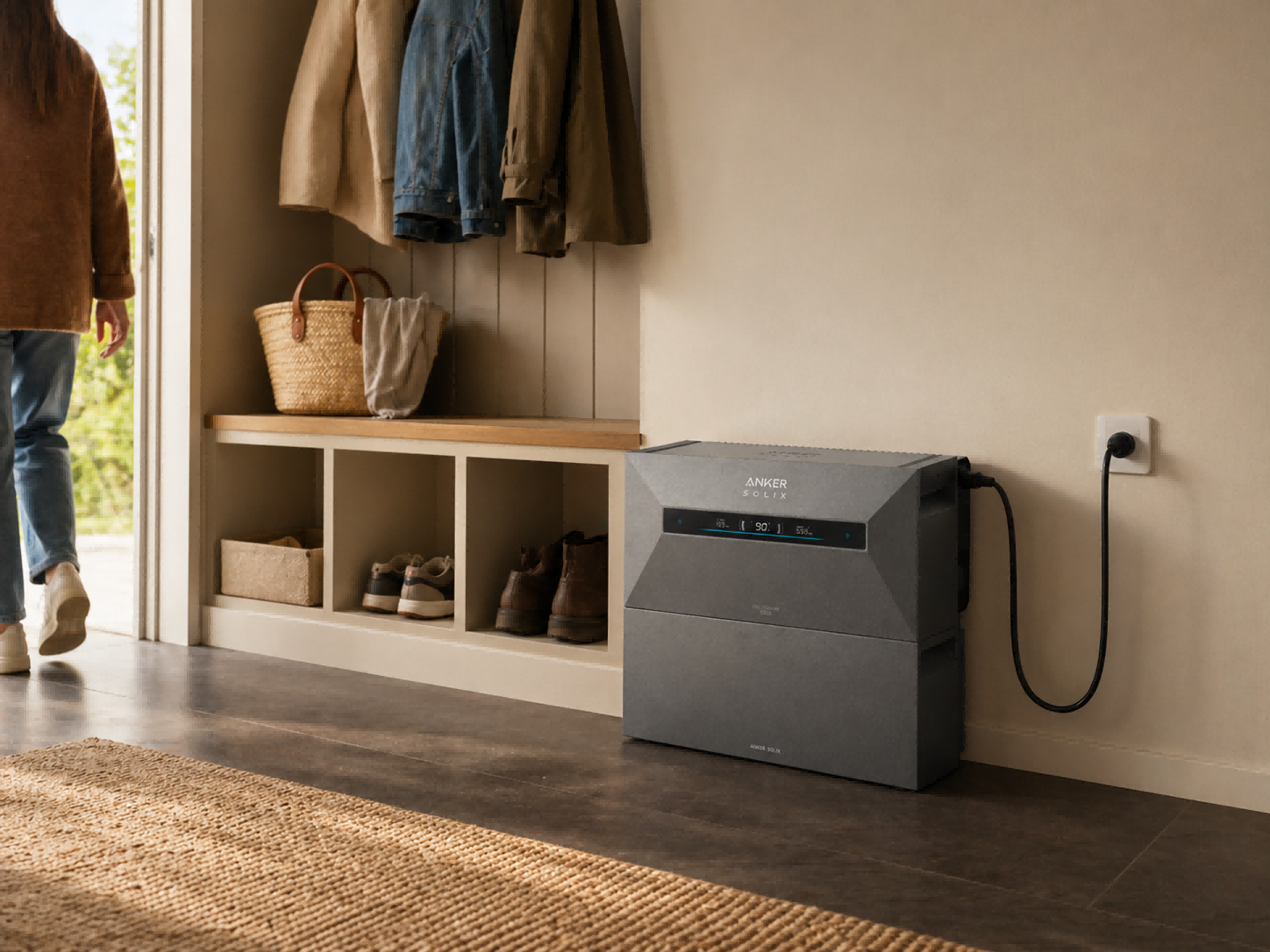
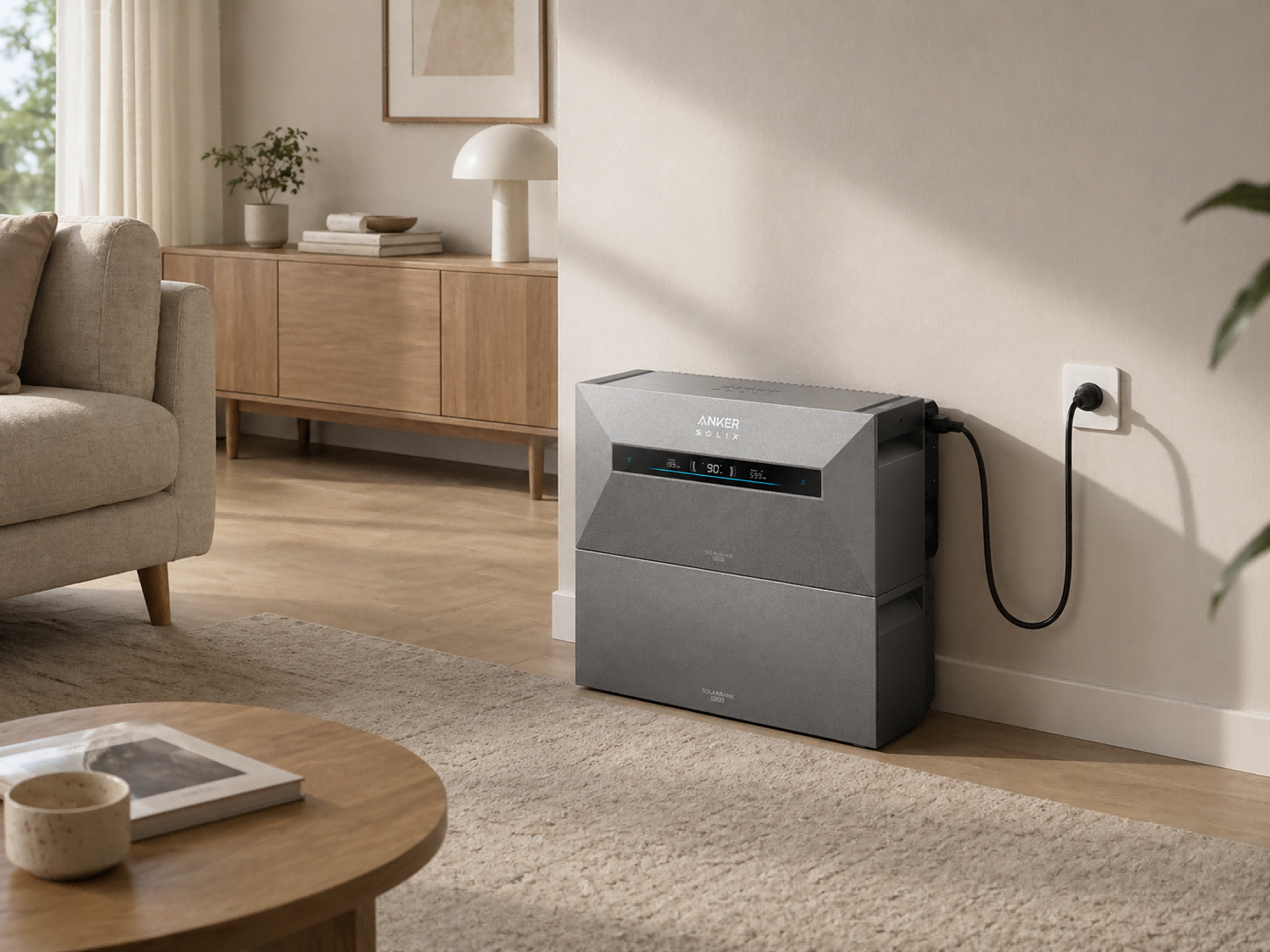
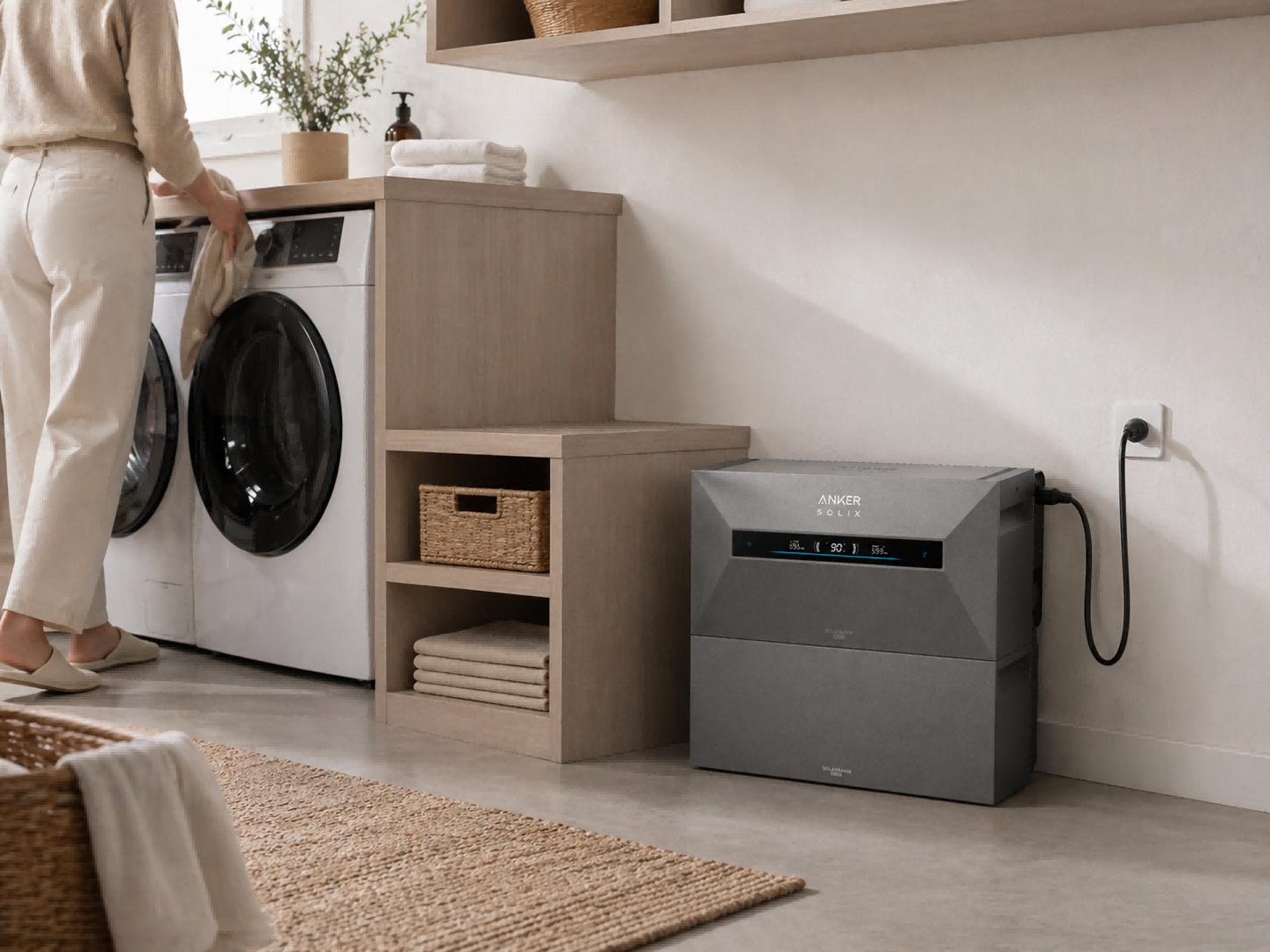
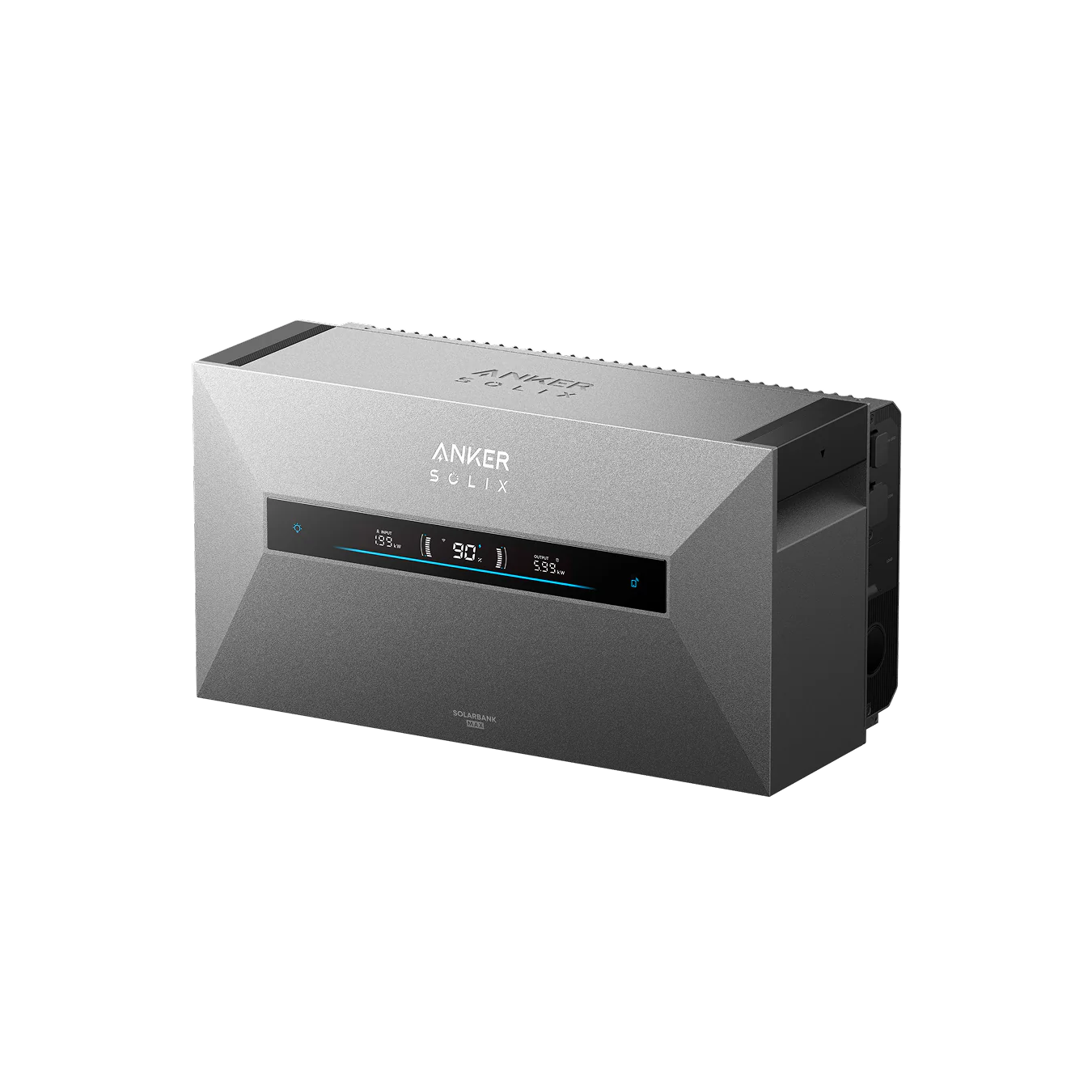
Short answer: yes, in many cases you can connect a home battery socket to an earthed socket yourself, but only if the system is expressly designed for this and you remain within the applicable conditions. Anyone who wants to start simply and at the same time leave room for expansion can include Anker SOLIX Solarbank Max AC early in the comparison, because this system supports a plug connection, Wieland and fixed connection.
The core is practical: connecting yourself is especially suitable if there is limited power on a suitable group. As soon as you want to use more than about 800 watts, or later go towards 3500 watts, you must first check your group, local rules, any registration and the electrical situation of your home. The specifications of Anker SOLIX Solarbank Max AC are therefore relevant for readers who want to start small now but want more flexibility later.
When can you connect a home battery socket yourself?
A home battery socket is only suitable for self-connection if the product is explicitly intended for mains-connected use via an earthed socket. That sounds simple, but in practice it revolves around three points: the manufacturer must allow this connection method, the home installation must be suitable and the set power must match the group you connect to. The question is therefore not only whether there is a plug, but whether that plug solution is also officially intended for normal use in the home.
For the Netherlands, approximately 800 watts on a normal shared group is an important practical limit. Below that level, a simple setup usually remains clearer. Above that, the requirements become more stringent and you have to look more closely at group division, cabling, simultaneous use of other devices and possible registration. A home battery socket is therefore mainly logical as a first step: accessible, limited in power and suitable for a clear usage situation.
The practical limit of 800 watts on a regular group
That limit is important because a normal group usually feeds several consumers at the same time. A battery that discharges via a socket therefore uses the same electrical space as, for example, kitchen appliances, a washing machine or other household appliances. This is easier to assess with a low and clearly limited power. At higher powers the situation becomes more technical and you have to look not only at the battery, but also at the rest of the installation.
That is why: if you mainly want to absorb part of your night-time consumption or make better use of solar power, a home battery socket may be suitable. If you want to release high power from the start, you usually end up with additional conditions such as a separate circuit, a different connection method and additional prior checking.
For whom is a home battery socket suitable and for whom is it not?
A home battery socket is especially suitable for households that want to start simply. Think of homes with solar panels, households that want to use more of their own electricity or people who want to shift their consumption to favorable tariff moments. In such situations, it is often attractive to first start with a clear setup, without immediately planning a major adjustment to the meter cupboard.
This solution is less suitable for households that immediately expect high continuous power, want to support multiple heavy appliances at the same time or do not have a clear idea of the existing group division. Then the risks and limitations increase faster. A home battery socket is therefore not automatically the best choice for every home, but especially for those who want to start in a controlled manner and can properly check the conditions.
Suitable for easy starting, less suitable for high power
The best match occurs when your needs are clear: covering part of your evening or night consumption, using generated solar power later or consciously charging at favorable times. In that scenario, a home battery socket is often a practical and accessible solution. If you are immediately looking for a system that runs at high power as standard, then a simple plug connection is usually not the most logical route.
Above approximately 800 watts, additional control is required. Consider the suitability of the circuit, the load on other devices and any reporting or registration obligations. For higher powers, such as up to 3500 watts, a separate circuit, professional installation and preliminary inspection are part of a sensible approach. That difference often determines whether a plug arrangement is sufficient or just a temporary intermediate step.
Why comparing Anker SOLIX Solarbank Max AC early makes sense
For readers who want to be comfortable not only today, but also in a few years' time, Anker SOLIX Solarbank Max AC is a relevant candidate for early comparison. The reason is not only the ability to start easily, but especially the combination of storage capacity, expandability and multiple connection methods. This makes the system suitable for users who want to start small at first and do not want to start from scratch again later.
The basic capacity of 7 kilowatt hours is in line with the night-time consumption of many households. The system is also expandable up to 42 kilowatt hours with one main unit and five batteries. This makes it interesting for those who expect to need more storage later, for example due to growing power consumption, additional solar panels or a greater desire to make better use of their own generation.
Connection flexibility also plays a role. Anker SOLIX Solarbank Max AC supports a plug connection, Wieland and fixed connection. That is precisely what is important for this topic: you can see whether a simple start suits your current home, while at the same time you can assess whether a different connection method will make more sense later. The system supports up to 3500 watts in grid-tied use, 3680 watts off-grid and 5000 watts total power. There is a clear limitation: higher powers only belong in a suitable installation and require prior inspection.
Connection options, capacity and control points for the home
A short comparison makes it clear why this system is worth considering:
- Capacity: 7 kilowatt hours, expandable to 42 kilowatt hours. Practical meaning: suitable for a small start and later scale-up without immediately changing systems.
- Connection method: Plug connection, Wieland or fixed connection. Practical meaning: usable in various living situations, from simple starting to a more permanent setup.
- Power: up to 3500 watts grid-connected after release. Practical meaning: Only useful if your home installation, circuit and local conditions really allow it.
In addition, the battery cells used and the product lifespan are relevant. Anker SOLIX Solarbank Max AC uses lithium iron phosphate, supports full discharge, has 10,000 cycles, 10 year warranty and an intended lifespan of 15 years. For a basic setup, installation remains relatively simple, but that does not mean that every home is automatically suitable for higher positions. Prior checking remains necessary.
Anker SOLIX Solarbank Max AC
Product description
What checks should you do before purchase and installation?
First check whether you have an earthed socket on a suitable group and whether the chosen product is explicitly suitable for mains-connected use via that connection. Then look at your goal: do you mainly want to absorb night-time consumption, store solar power or shift consumption? That determines how much capacity and how much power are actually needed. In many homes, a modest start is wiser than immediately opting for the highest possible power.
Then check three things separately. Firstly, the electrical situation of your home: group division, load on other devices and whether a separate circuit is needed. Secondly, the local reporting or registration obligation. Thirdly, the official product specifications, so that you know for sure which connection method and what power are really permitted. With Anker SOLIX Solarbank Max AC, it is smart to determine in advance whether you only want to work with a simple plug connection or whether you want to upgrade to Wieland or a permanent connection later.
Anyone who wants to use more than about 800 watts must be extra careful. For powers up to 3500 watts it is wise to assume a separate circuit, professional installation and registration where this is locally required. Therefore, compare your group, desired discharge capacity, annual consumption and expansion wish with the product specifications. This way you avoid choosing a system that may fit now, but later turns out to be too limited or too heavy.
Sources and Control Points
Use these resources to check regulations, registration, and product specifications before choosing or connecting a wall-mounted home battery.
- contenteditable="false">Energieleveren.nl — registration of production installations and storage installations — https://www.energieleveren.nl/
- Fluvius — information about home batteries and reporting conditions in Flanders — https://www.fluvius.be/nl/green-energie/thuisbattery
- Synergrid — technical lists and conditions for grid-connected solutions — https://www.synergrid.be/
- Anker SOLIX — product page and specifications of Anker SOLIX Solarbank Max AC — https://www.ankersolix.com/nl/products/a17e2
Important control points remain: permitted connection method, appropriate power per group, registration of storage installations and additional conditions above approximately 800 watts. Also pay attention to the transition to higher powers: this not only requires release in the application, but also a suitable circuit and control of the home installation. Expected savings always depend on consumption, tariff, generation and use spattern.
Frequently asked questions
Can I simply plug any home battery into a wall socket?
No. Only a home battery that is explicitly intended for grid-connected use via an earthed socket qualifies for this. Therefore, always look at the official product specifications and installation conditions. A plug alone is not enough.
Does the limit of 800 watts always apply to a home battery socket?
For a normal shared group, about 800 watts is an important practical limit. This does not mean that every system technically stops exactly there, but that above this level additional conditions usually apply, such as control of the group, a separate circuit or additional installation requirements.
When is Anker SOLIX Solarbank Max AC a logical option?
This system is especially logical if you want to start easily, but later want to be able to expand capacity, power or connection method. Extra control is necessary if you want to use more than a modest starting power or if you want to progress to a heavier setup later. Therefore, check in advance your group layout, annual consumption, desired discharge capacity and whether you will need a different connection method in the long term.
Do I have to register a home battery socket?
This may be necessary, depending on your situation and the current rules. In the Netherlands, registration of storage installations via Energieleveren.nl is an important checkpoint. Always check this before use, especially if you work connected to the grid or want to use a heavier setup later.
Conclusion
You can often connect a home battery socket yourself, but only within clear technical and practical limits. The safest route is a system that is explicitly intended for grid-connected use via an earthed socket, combined with a suitable group and a clearly limited power. Once you get above about 800 watts, the need for control increases noticeably. For higher powers, a separate circuit, professional installation and registration where locally required are logical conditions.
For those who not only want to start easily, but also want to leave room for expansion, Anker SOLIX Solarbank Max AC is a useful candidate for early comparison. Therefore, check four points now: your group layout, your desired discharge capacity, your required storage capacity and the permitted connection method in your home. Then place it next to the official product page of Anker SOLIX Solarbank Max AC and the local registration conditions. This way you can quickly see whether a simple plug connection fits or whether a different design is more sensible.