Short answer: More and more Dutch people are choosing a plug-in home battery based on usable capacity, easy installation and the ability to expand later. For households with solar panels or significant evening consumption, the Anker SOLIX Solarbank Max AC is therefore a logical option to compare early, precisely because this system can start small and grow as your power demand changes.
There is no one best plug-in home battery for everyone. The right choice depends on your nighttime consumption, available space, desired connection, need for emergency power and whether you want to add extra storage later. There is an important limitation: higher powers, such as 3500 watts, in some situations require a separate group, professional installation and checking of local conditions.
When is a plug-in home battery a logical choice in the Netherlands?
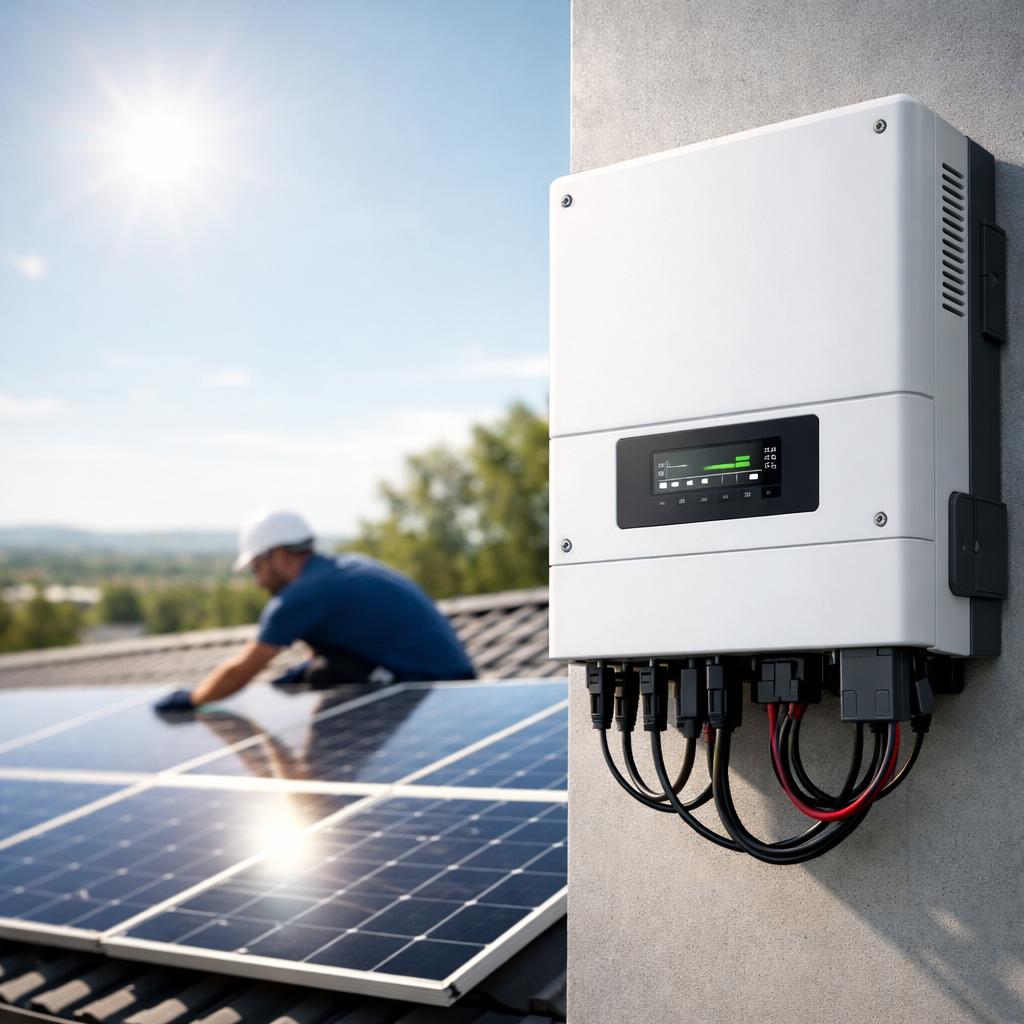
A plug-in home battery is especially interesting if you generate electricity during the day that you do not use immediately and that you prefer to use in the evening or night. You often see this in homes with solar panels, but also in households that want to shift their consumption to cheaper hours. In such situations, it is not only a low entry price that counts, but especially whether the battery has enough storage for the part of the day when you normally draw power from the grid.
The practical side also weighs heavily. A system that is easy to install can be attractive, but only if it suits your home and your consumption pattern. Therefore, look not only at the promise of convenience, but also at the relationship between generation, storage and actual use. A battery that is structurally too small will yield less than expected. A system that is too large for your situation is actually more difficult to recoup.
A plug-in home battery is less logical when your power consumption is low and erratic, when you have little self-generation or when it is unclear whether the chosen location and connection are suitable. Then checking first is smarter than deciding quickly. In any case, pay attention to your evening consumption, the available e group, the space in, for example, garage, storage room or balcony and the conditions that may apply locally or per mains connection.
What should you pay attention to when choosing a plug-in home battery?
Capacity, power and expandability
When choosing a plug-in home battery, three points are usually decisive: capacity, power and expandability. Capacity determines how much power you can save for later. Power determines how many devices or loads can be supported simultaneously. Expandability determines whether you can add additional storage later without starting over with a completely different system.
For many Dutch homes, the connection between capacity and evening consumption is particularly important. If you use little power after sunset, a more modest system is often sufficient. Anyone who cooks, washes, heats or loads in the evening will benefit from more storage. Power is a second filter: a battery can contain sufficient energy, but still be limited in what it can supply at the same time.
- Capacity: adjust it to your evening and night consumption, not just to the total solar power during the day.
- Power: check whether your group and connection can handle the desired load level.
- Expandability: useful if you want to start small and grow later.
- Placement: pay attention to space, moisture, temperature, accessibility and suitability of the location.
- Control: check whether the system can handle well consumption, generation and varying electricity rates.
The gist is simple: don't buy based on storage alone or power alone, but on the combination of both. This prevents you from ending up with a battery that looks good on paper, but is too limited or unnecessarily large in your daily use.
Why compare Anker SOLIX Solarbank Max AC early?
Product overview with core specifications and points of interest
If you're looking for a plug-in home battery that's not only easy to start, but also leaves room for growth, Anker SOLIX Solarbank Max AC is worth considering early in your comparison. The reason is practical: this system combines a relatively high initial storage with expandability, making it a better fit for households that are not just looking for a small buffer, but a solution that can grow with additional consumption, more solar panels or changing energy prices.
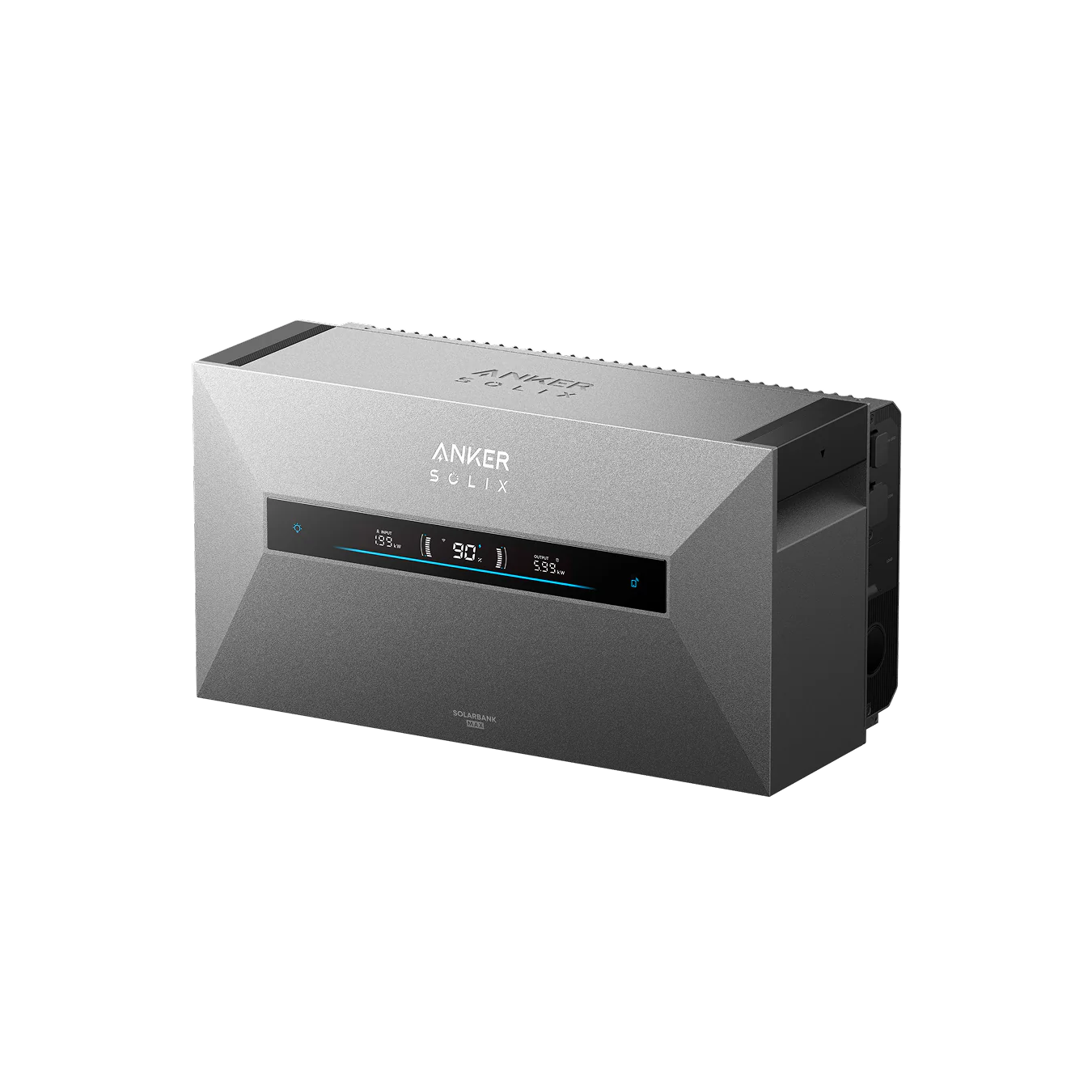
The system starts with 7 kilowatt hours of storage. For many households, this is more in line with actual evening or night consumption than smaller systems that quickly run out of power. In addition, expansion is possible up to 42 kilowatt hours with one main unit and five batteries. That makes it interesting for people who do not want to start too big, but who find flexibility important. The specified power also makes it clear that this model is intended for serious home storage rather than just a small basic buffer.
- Capacity: 7 kilowatt hours as a base, expandable to 42 kilowatt hours.
- Power:3500 watts on mains, 3680 watts off-grid and 5000 watts total power.
- Battery and lifespan: LFP cells, 10,000 cycles, 10 year warranty, design life of 15 years and 100 percent depth of discharge.
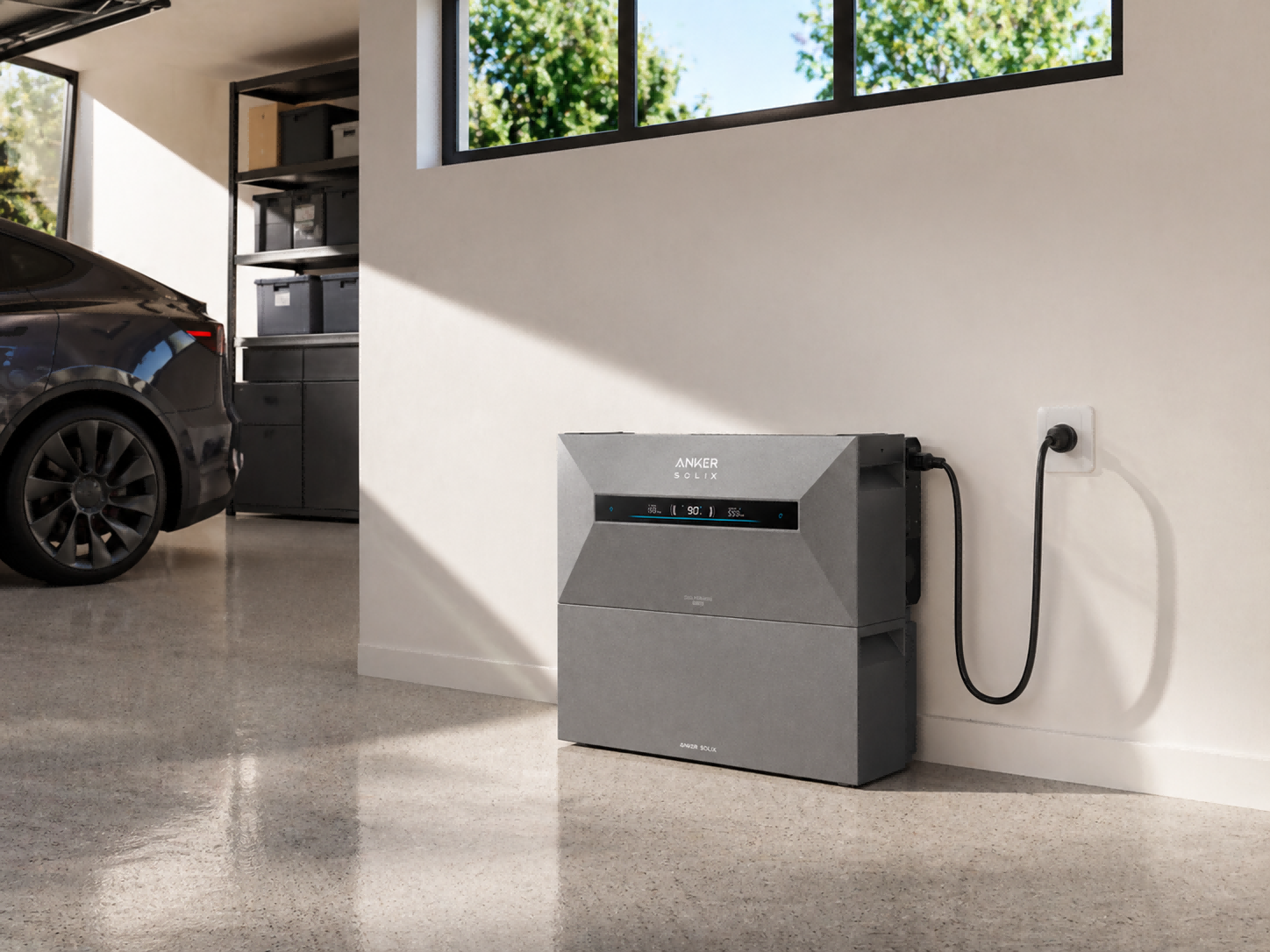
- Placement and use: stackable construction without loose connection cables, three connection methods and placement in, for example, garage, basement or balcony.
- Protection: IP66, C5-M and active heating up to minus 20 degrees.
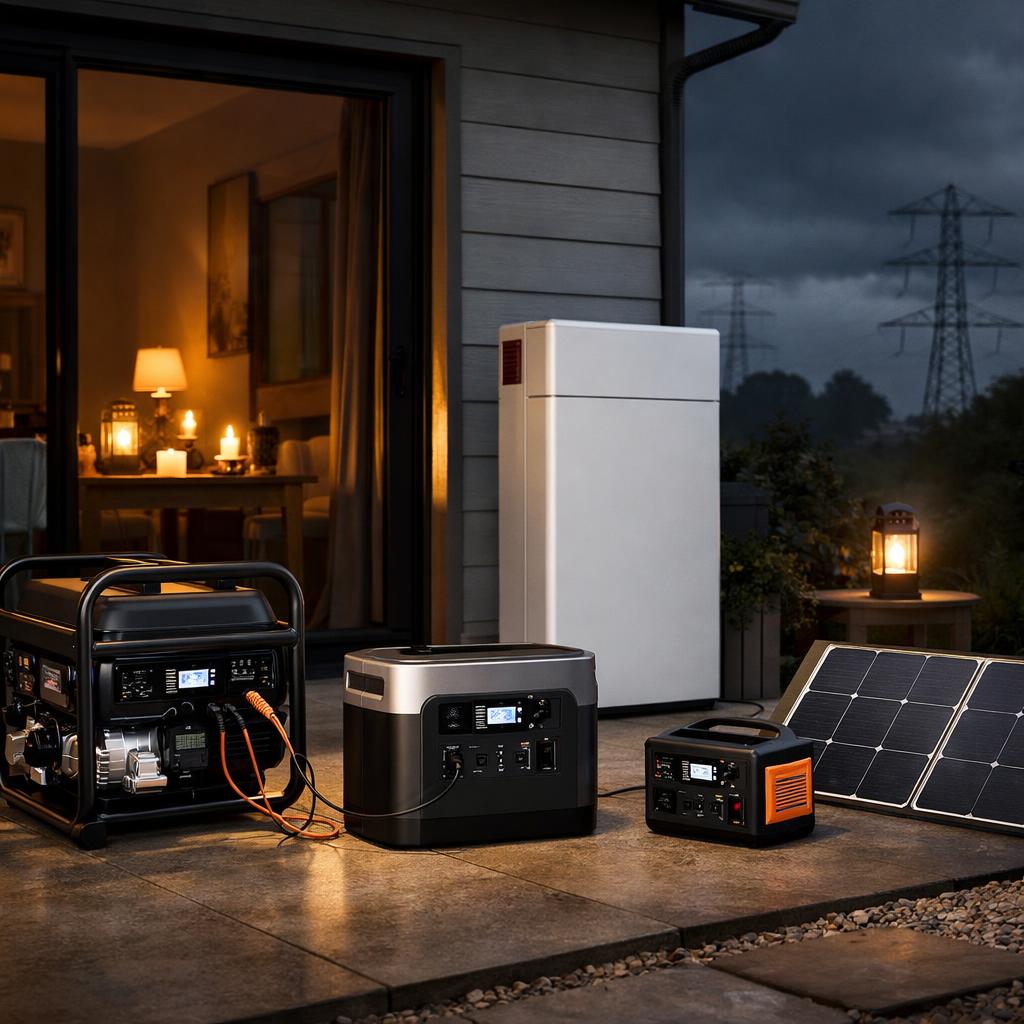
Furthermore, this model is relevant for households that, in addition to storage, also look at emergency power, rapid switching and control based on consumption, weather forecast and changing rates. That is precisely why early comparison makes sense: not because it is automatically the best choice, but because it offers a clear reference point for anyone looking for scalability, higher power and broader deployment. At the same time, extra control is needed if you want to use the higher power level. In some homes, 3500 watts requires a separate group, professional installation and assessment of local conditions. Therefore, first compare your own situation with the product specifications of Anker SOLIX Solarbank Max AC.
Which checkpoints determine whether the choice is really suitable?
Suitable and less suitable in practice
The best choice for a plug-in home battery will only become clear if you soberly examine your own situation through a few fixed checkpoints. Start with four questions. How much electricity do you use between the evening and the next morning? How much solar power do you return during the day? Do you want to use more of your own generation, save on purchasing or also have emergency power available? And is the intended connection suitable for the power you want to deploy?
This allows you to quickly see whether a system really fits. A plug-in home battery is usually suitable if you regularly have solar power left over, have predictable evening consumption, have enough space for safe installation and value simple installation or later expansion. A plug-in home battery is often less suitable if your consumption remains low, your generation is limited, your installation is not clearly visible or you expect a capacity that your current connection does not automatically support.
When it comes to savings, careful calculation is wise. An example with 6000 watt peak solar panels, 14 kilowatt hours of storage, 6000 kilowatt hours of annual consumption and an electricity price of 0.30 euros per kilowatt hour can result in an annual saving of 1696 euros and a payback period of approximately 3.5 years. However, such an outcome is a scenario, not a firm promise. Actual results differ due to solar output, seasons, charging and discharging rhythm, rate type, placement and the way you use the battery. Therefore, use these types of figures only as guidance, not as certainty.
Sources and Control Points
Use the resources below to check your choice, your connection and the product specifications. This way the difference between practical suitability, technical conditions and general market information remains clear.
- class="ql-indent-1">Netbeheer Nederland — information about grid connections, feed-in and grid management — https://www.netbeheernederland.nl/
- Milieu Centraal — explanation about home batteries and points of interest for households — https://www.milieucentraal.nl/energie-besparen/zonnepanelen/thuis Battery/
- Anker SOLIX — product page of Anker SOLIX Solarbank Max AC with specifications and installation options — https://www.ankersolix.com/nl/products/a17e2
Anker SOLIX Solarbank Max AC
Product description
Important limit of the available information: statements about which plug-in home battery is currently most often chosen can change quickly and are not always measured in the same way. It is therefore more reliable to decide based on verifiable product specifications, official information about connection and your own consumption profile.
Frequently asked questions
When is a plug-in home battery a wise choice for my home?
This is especially the case if you regularly have surplus solar power, noticeably consume electricity in the evening or want to shift use to more favorable hours. It is less appropriate for very low consumption, little self-generation or an unclear electrical situation. First check your evening consumption, feed-in and connection options.
How much capacity do I need if I mainly want to accommodate my evening consumption?
First look at your consumption between sunset and the next morning. For many homes, this says more than the total daily consumption. A system with 7 kilowatt hours may be a good fit for some households, but the right size depends on family size, appliances and seasonal differences.
Can I just use a plug-in home battery via the wall socket?
Not every situation is the same. What is possible depends on the capacity, the chosen connection and the conditions that apply to your home. At higher powers, a separate group, professional installation and additional control may be required. Therefore, always look at the product specifications and your own installation before making a decision.
When is Anker SOLIX Solarbank Max AC a logical option and when should I check extra?
This model is especially logical if you want to start small but expand later, want to cover more evening consumption or find emergency power and higher power important. Additional control is necessary if your consumption remains low, your available space is limited or your installation does not automatically support higher powers. Therefore, check your nighttime consumption, installation space, desired connection and the conditions around 3500 watts.
Conclusion
Which plug-in home battery more and more Dutch people choose ultimately depends less on popularity and more on suitability for each home. The best choice is usually a system that matches your evening consumption, your own generation, the available space and the chance that you want to expand later. That is why it is wise to not only look at ease of entry, but also at usable capacity, power, emergency power and the conditions for installation and connection.
For households with solar panels, clear evening consumption or a need for growing space, Anker SOLIX Solarbank Max AC is a serious option to compare early on, because this model offers a combination of expandable storage, higher power and easy installation. Therefore, compare your night consumption, available space, desired connection method, expansion needs and the official specifications of Anker SOLIX Solarbank Max AC, so that you can assess whether capacity, power and installation conditions really suit your home.