Short answer: yes, but only if the condition, origin and technical data are easily verifiable. For price-conscious buyers, second-hand solar panels may seem attractive due to the lower entry costs, but a low price says little about safety, yield or suitability for your home. Especially with used panels, you have to look further than the amount on the quote. Therefore, always check age, visible damage, serial numbers, test reports and whether the parts work well with the rest of your installation.
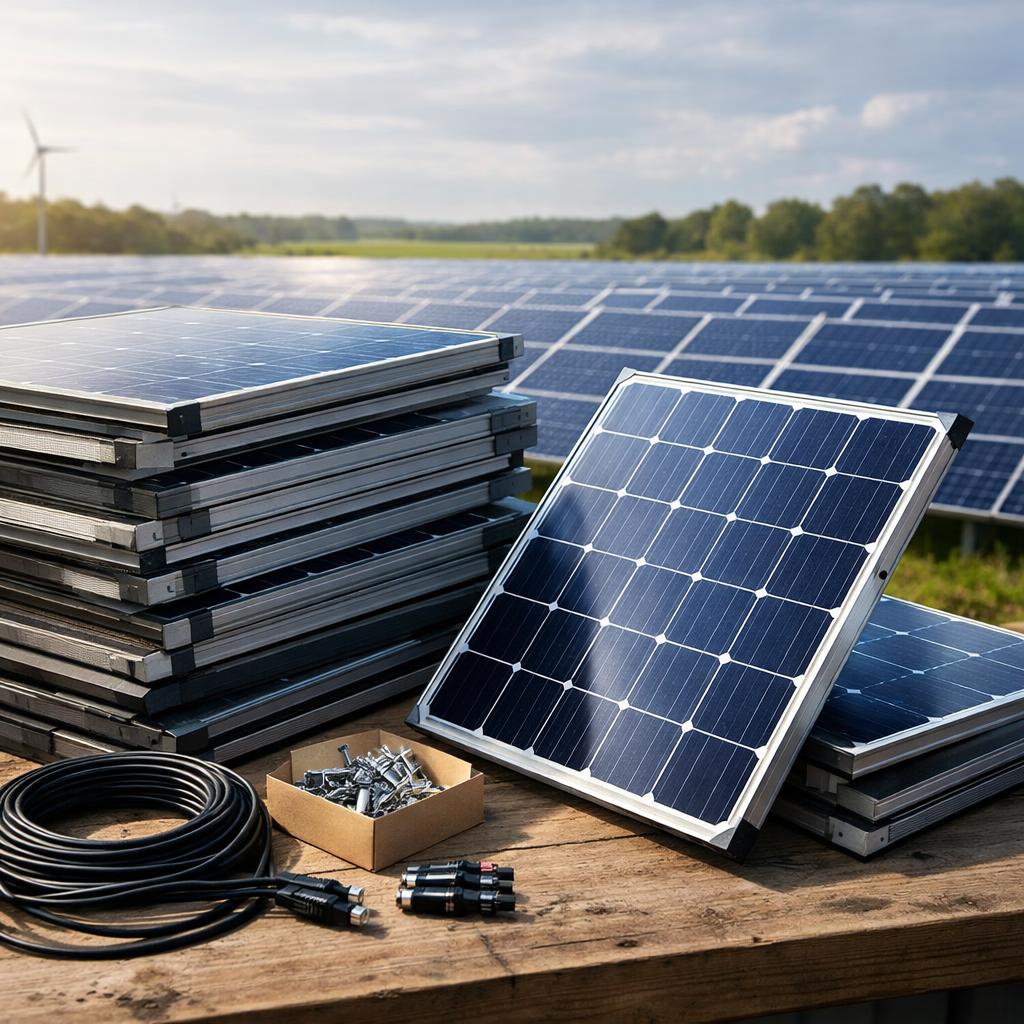
Anyone who wants to know whether buying second-hand solar panels really pays off should not only look at the purchase price. It is smarter to first assess whether your roof, power consumption and installation options are suitable for a used set. Therefore, also check whether your roof and consumption match this before comparing second-hand solar panels with new panels.
Short answer: yes, but only if the condition and origin are verifiable
Used panels are especially suitable for situations in which you consciously seek a lower starting amount and accept that additional control is required. Consider a small setup, a shed, a pilot project or an installation for which measurement data and documentation are already available. In such cases, second-hand solar panels can still be interesting, but only if you are reasonably sure that they have worked well before and have no obvious damage or unclear origin.
New panels are often the safer choice if you value simplicity, warranty, consistent performance and predictable installation. This is especially true if the roof is difficult to reach, if an installer pays strict attention to specifications or if you do not receive reliable information about age and capacity. Therefore, the honest answer to the question of whether second-hand solar panels are reliable is: sometimes, but especially when you can properly verify what you are buying and under what circumstances the panels have previously been used.
When second-hand panels do or do not fit
Secondhand panels can make sense if you have a limited budget and are willing to select carefully. Most suitable are batches with a known origin, for example from a controlled disassembly or from an installation that has been replaced for reasons other than defects. It also helps if the panels still have clear labels, the seller can show test results and the dimensions and electrical values match your plan.
This choice is less suitable for buyers who are primarily looking for convenience. The lower price can be eaten up by extra inspection, sorting work, differing performance between panels and more research around mounting and cabling. This makes used panels especially useful when you compare on technical suitability and not just on the lowest price.
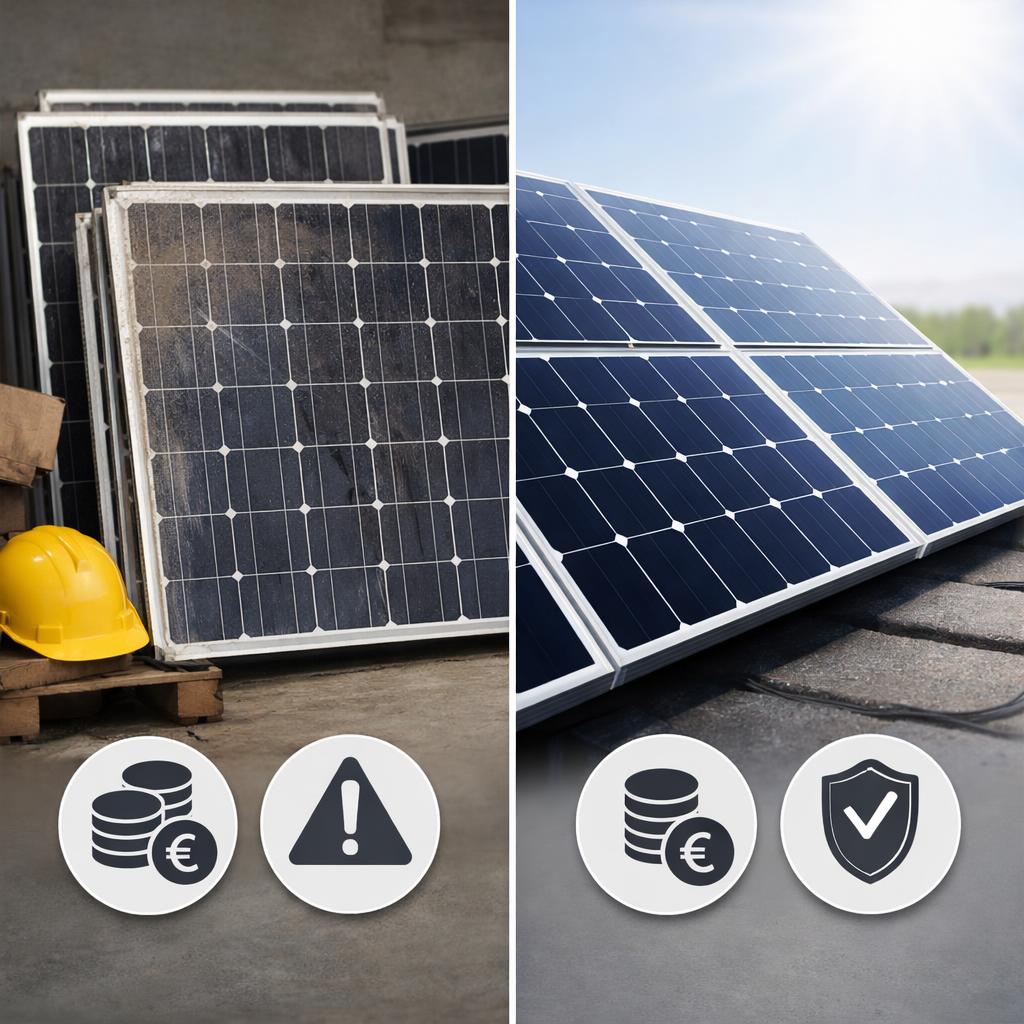
The most important checks before purchase and installation
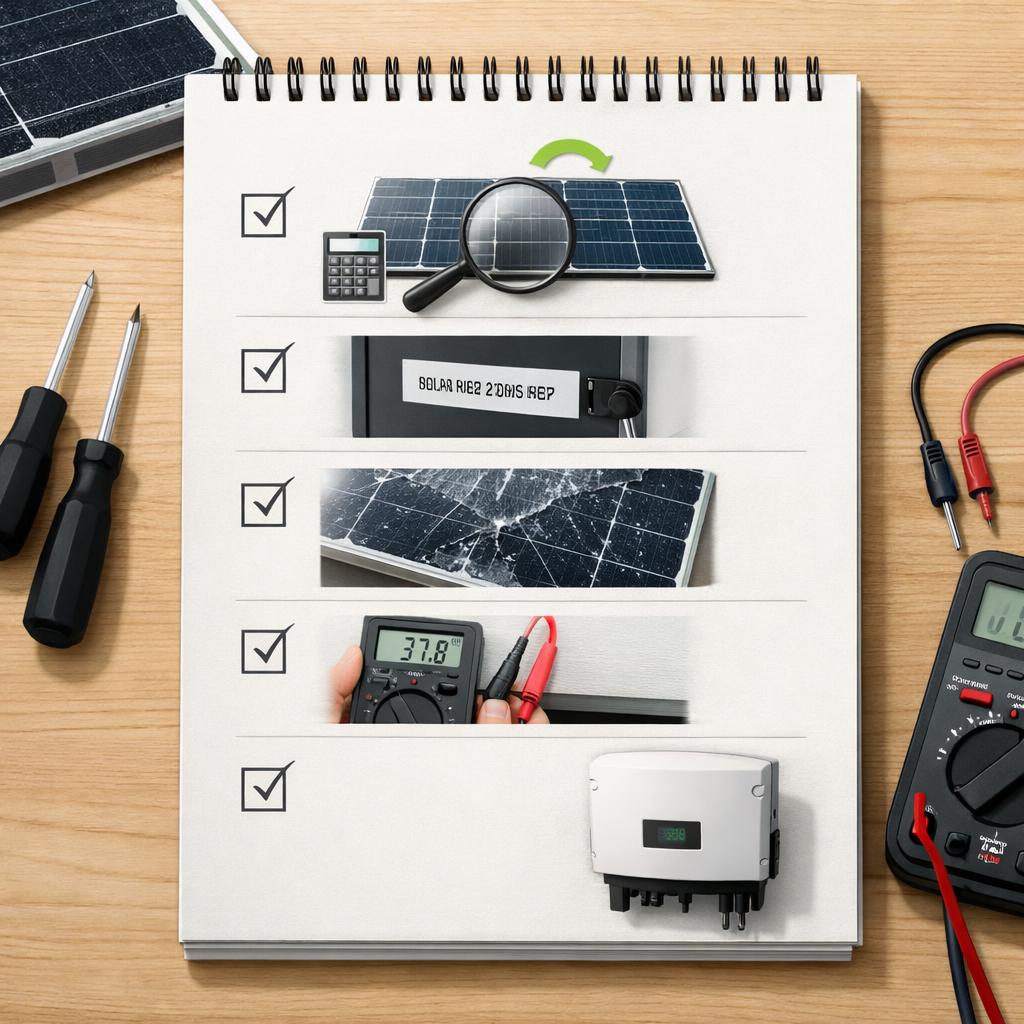
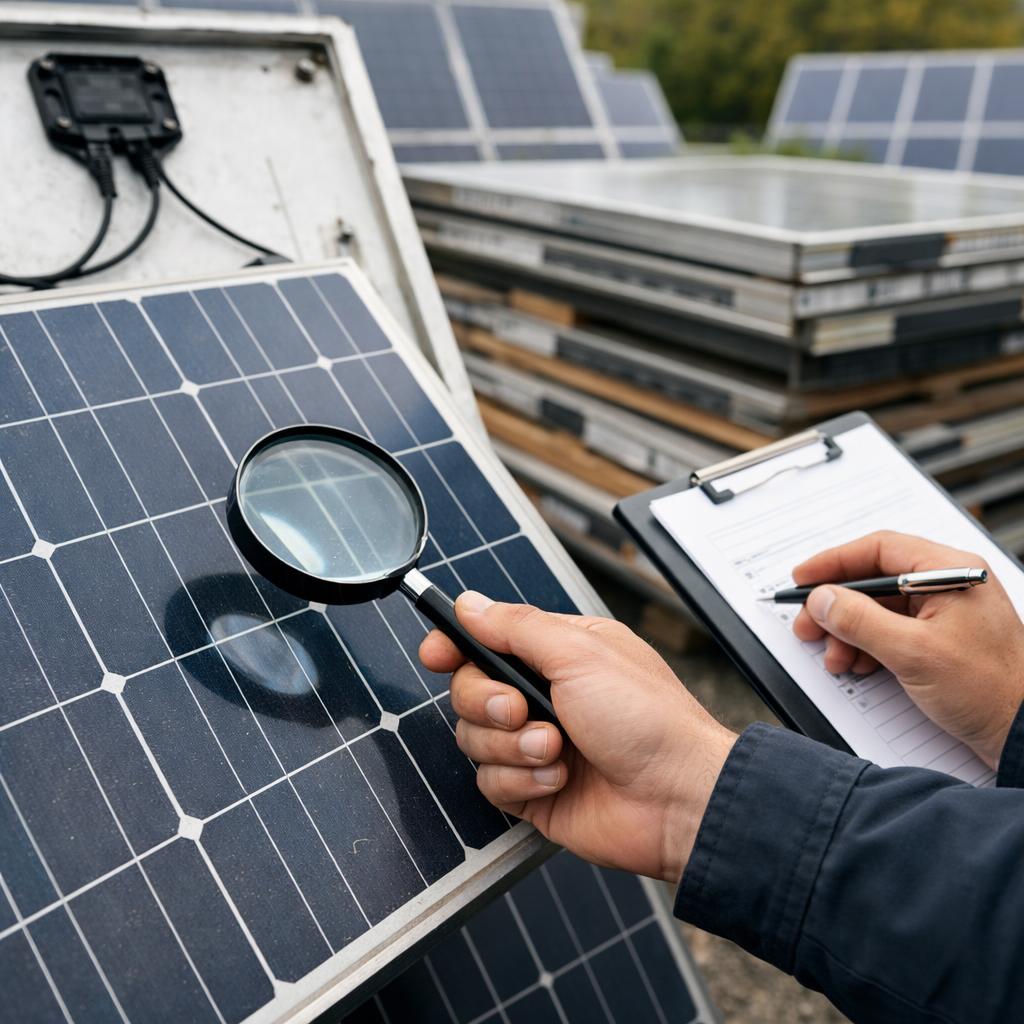
Anyone who assesses second-hand solar panels must proceed systematically. First pay attention to the specified power, year of manufacture, serial number and manufacturer information. Then check for cracks, discoloration, hot spots, damaged junction boxes, loose cables and traces of moisture. Always ask if documentation is available, such as previous measurement results, type numbers and information about the previous installation. Without that basis, comparison becomes difficult and the risk increases quickly.
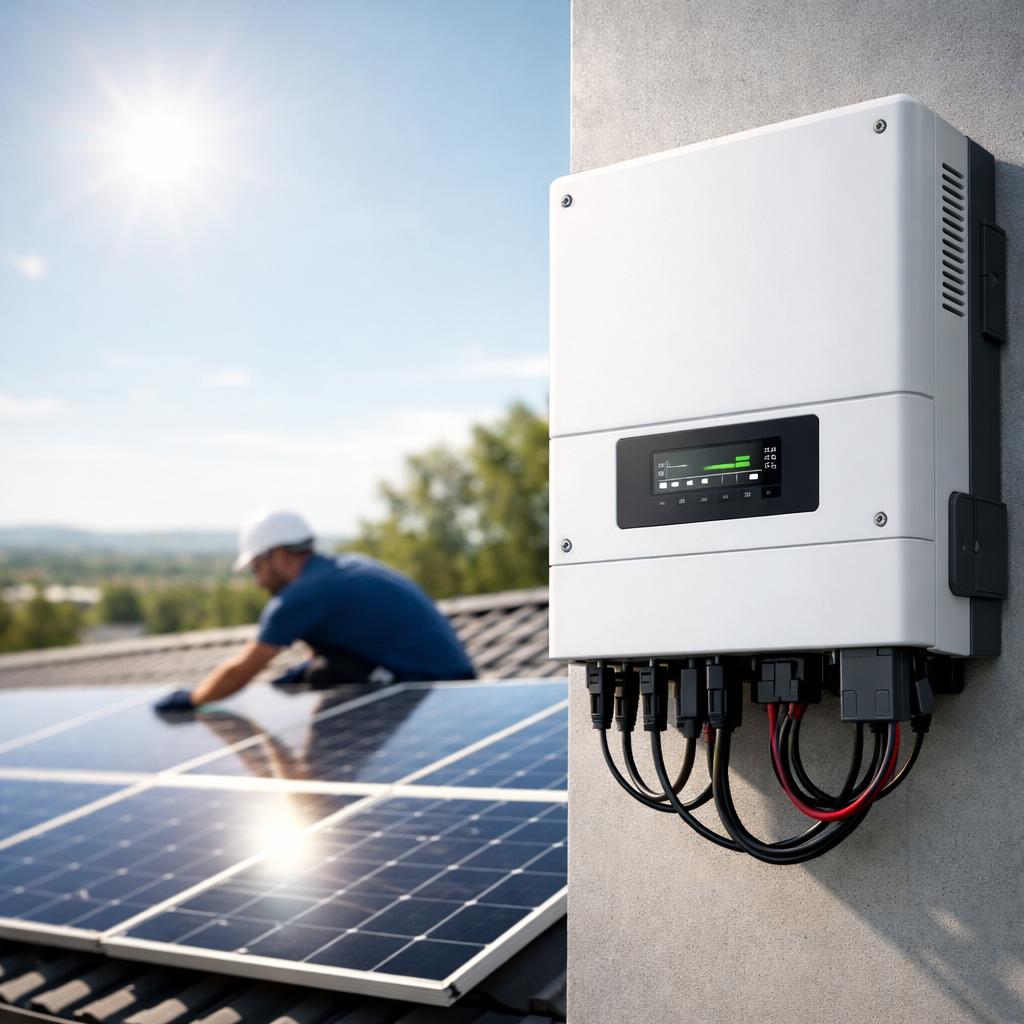
Then check whether the panels fit electrically and practically with the rest of your system. Consider voltage, amperage, plugs, dimensions and whether your inverter can work properly with these. Also use this step: check whether your inverter fits the panels used. The main line remains the same: first verify condition and compatibility. Focusing solely on price is too limited, because without additional data you have little certainty about the lifespan or actual yield on your roof.
Check assets, age, damage and documentation
A practical checklist prevents a lot of disappointment. Look at the age of the panel and compare it with the measured or specified power. An older panel is not automatically unusable, but age in combination with unknown storage or visible wear increases the risk. Also pay attention to differences within the same party. If panels come from multiple sources or have different values, the installation often becomes less clear.
Documentation is often decisive. A seller who can show serial numbers, origin, measurement data and clear photos gives more confidence than someone who only mentions a low price. If in doubt, have the panels assessed by a skilled party before installation. This prevents you from paying for material that seems interesting on paper, but in practice turns out to be unsuitable for your roof or inverter.
Also note the total installation costs
The purchase price is only one part of the calculation. Also take into account transport, inspection, replacement plugs, any new cabling, mounting materials and extra installation time. Especially with used panels, these additional costs can be heavier than expected. A cheap party is therefore not automatically the cheapest choice.
This is especially important if you are building a completely new system. In that case, a new set can sometimes be a better fit, because panels, mounting material and inverter are then easier to match. If you have little roof space, newer panels may also be more beneficial because you can install more power with the same surface area.
Costs, risks and alternatives besides second-hand
The price of used panels can be attractive, but the overall consideration is broader. Second-hand solar panels or new panels is not only a choice between cheap and expensive, but above all between more or less security. A low purchase price without reliable data may ultimately be a weaker choice than a slightly higher price with clearer specifications, better coordination and less installation hassle.
There are also useful alternatives. Consider a smaller new installation, phased expansion or only using used panels for a less critical project, such as an outbuilding. Especially if you have doubts about the actual condition of a used lot, it is wise to include such options in your comparison. This way you avoid only looking at the purchase price, while the practical usability is disappointing.
Conclusion: 2nd hand solar panels can be interesting, but especially when the origin, technical condition and suitability for your installation can be easily verified. If you want to keep costs low without any surprises later, first compare age, measured power, documentation, inverter compatibility and roof suitability. This way you make a choice that better suits your budget, expected yield and the practical conditions of the installation.
Conclusion
Second-hand solar panels are not automatically a great opportunity, but they are certainly not necessarily a bad choice either. The core remains simple: only consider them if you can really check the origin, condition and technical connection. For some households, used panels can be a viable solution, especially with a limited budget and a clear, simple application. As soon as data is missing or damage raises doubts, new is usually the more predictable route.
The wisest next step is therefore not to buy immediately, but to compare. Compare age, measured power, documentation, inverter compatibility and roof suitability before deciding between second-hand solar panels and a new set. This reduces the chance of a cheap purchase that later turns out to be impractical, and increases the chance of a solution that really suits your home, consumption and installation conditions.
Frequently asked questions
Are second-hand solar panels still profitable?
This is possible, but only if the purchase price matches the demonstrable condition and remaining capacity. Without reliable documentation or test data, a fair comparison is difficult. Profitability therefore depends not only on price, but also on suitability, safety and installation costs.
How old can second-hand solar panels be?
There is no fixed age limit that is always good or bad. What is more important is whether the panels still demonstrably work well, have no serious damage and are suitable for your system. The older the panel, the more important a check of assets, condition and origin becomes.
What should you pay attention to when buying second-hand solar panels?
Pay attention to year of manufacture, serial number, manufacturer data, visible damage, measurement results, identical specifications within the batch and compatibility with the inverter. Also ask how the panels were dismantled and stored. Poor storage or rough disassembly can cause risks that you don't immediately see.
Is the yield of second-hand solar panels easy to predict?
Only limited. You can make a better estimate if measurements, documentation and clear product specifications are available. What you cannot be sure about without additional checks is how the panels will behave on your roof under your circumstances. Therefore, a cautious assessment remains important.