Short answer: Yes, a smart home battery can charge automatically when electricity is cheapest, but usually only if you have a dynamic energy contract and the battery system supports price-dependent control. In that usage scenario, the Anker SOLIX Solarbank Max AC is worth comparing, because this system can create a daily schedule for charging and discharging based on consumption, weather forecast and dynamic hourly prices.
This works especially well in homes with solar panels, clear evening consumption and noticeable differences between cheap and expensive hours. The benefit does depend on your contract, charging losses, grid costs and installation. If you want to assess this properly, it is best to first compare the product specifications of Anker SOLIX Solarbank Max AC with your own consumption profile, the available group and the actual hourly prices.
When does automatic charging with cheap electricity hours really work?
Automatic charging works especially well if your electricity price changes per hour. This is usually the case with a dynamic contract. The battery can then charge during cheap hours, for example at night or at times when there is a lot of supply on the grid, and supply power later when the price is higher or your own consumption increases. With a permanent contract, there are usually no clear hourly differences, which means that price-driven charging has much less effect.
The outcome does not only depend on a low hourly price. You also have to take into account energy tax, supplier costs, conversion losses and your own consumption pattern. Charging at a low price sounds favorable, but the advantage becomes smaller if the price difference is limited or if part of the energy is lost during charging and discharging. That is why a smart home battery makes particular sense if you regularly see clear price differences and use a lot of power in the evening or night.
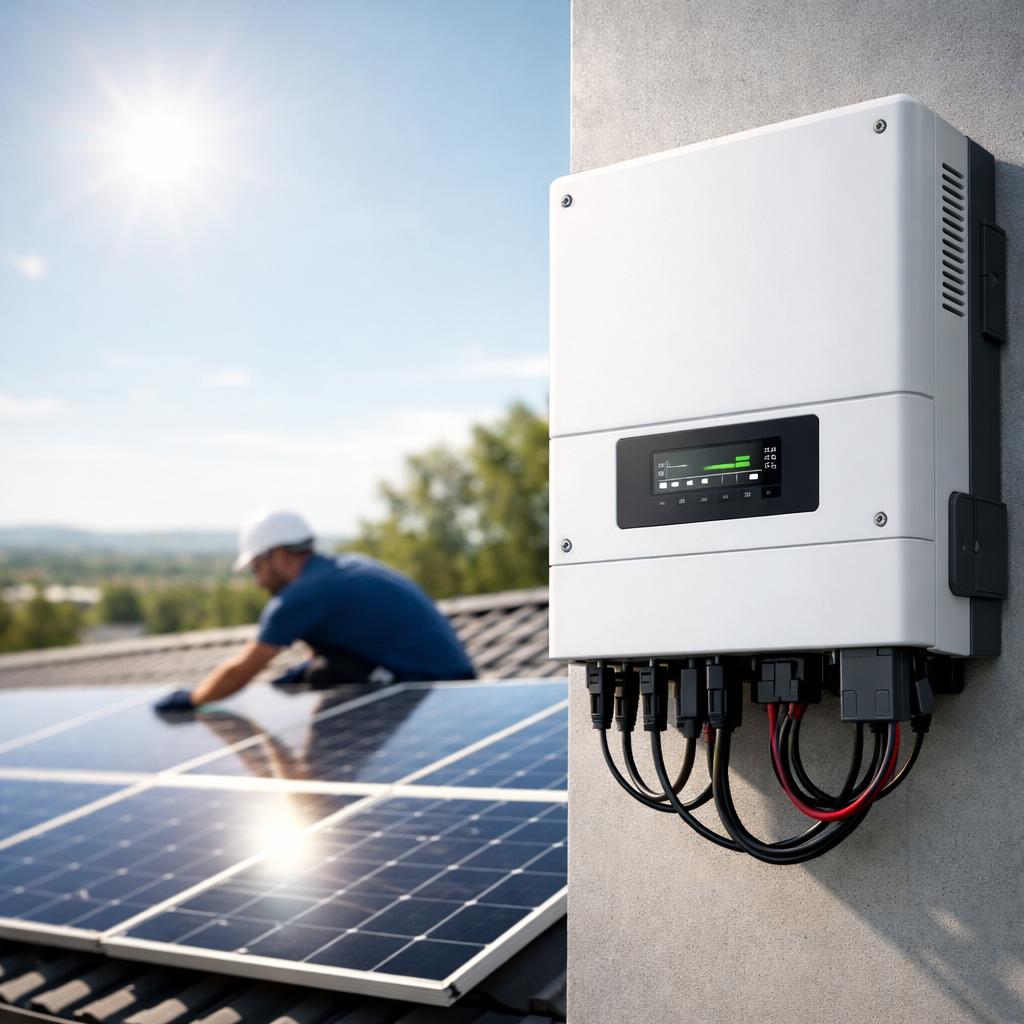
Things often become more interesting with solar panels. The battery can then decide whether it is smarter to store your own solar power, use it directly or charge cheap mains power for later. In households where there is little direct consumption during the day, this can increase the practical value of the battery. The gist remains that automatic loading is only really useful when the contract, software and usage pattern are well matched.
For whom is a smart home battery suitable and for whom less so?
Suitable for dynamic tariff, solar panels and evening consumption
A smart home battery is usually best suited to households with a dynamic contract, solar panels and consumption that mainly takes place later in the day. Think of cooking, washing, charging an electric car or higher night-time consumption. In such a situation, the battery can shift cheap mains power or solar power generated during the day to hours when power is more expensive or when you use more.
Households that want to start small and expand later can also benefit from such a solution. You do not have to immediately choose the maximum storage capacity, but you do have room to scale up if your consumption changes due to family growth, electric transport or a heat pump. This makes a system with expandable capacity practical for those who value flexibility.
Less suitable for fixed rates or small price differences
A smart home battery is often less attractive if you have a fixed or classic variable contract without clear hourly prices. Then automatic charging at cheap hours has little to guide you. Even with low evening consumption or limited annual power consumption, the financial benefit may remain small.

In addition, not every home is immediately suitable for higher capacities. If you are mainly looking for a simple solution without attention to a separate group, checking the electrical installation or possible registration, it is wise to first look at the preconditions. This is where it becomes clear whether a smart home battery not only works technically, but also fits safely and practically in your home.
Why Anker SOLIX Solarbank Max AC is worth comparing in this scenario
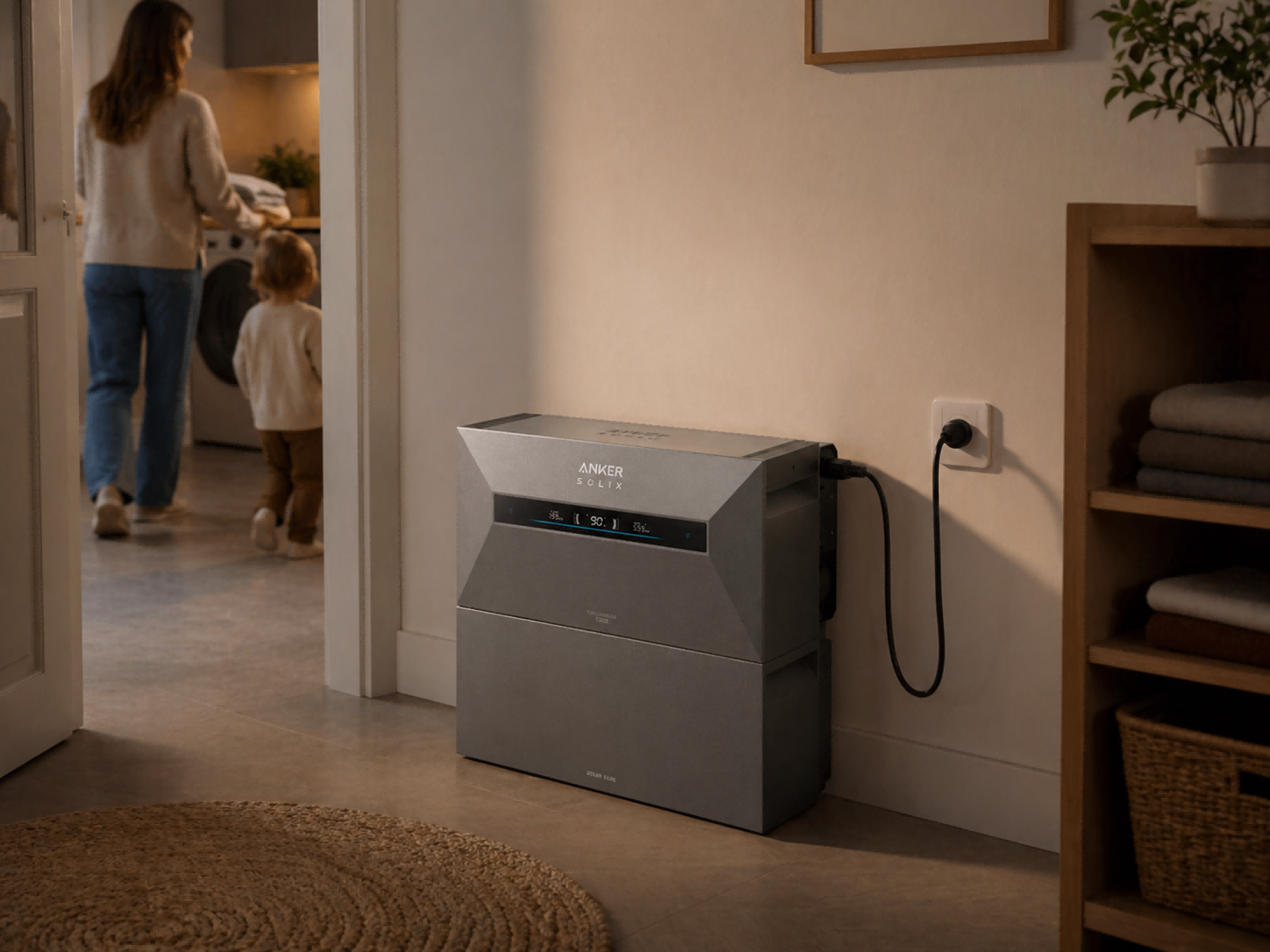
The Anker SOLIX Solarbank Max AC is relevant in this scenario because the system focuses on smart charging and discharging within a 24-hour schedule based on consumption, weather forecast and dynamic prices. This is especially useful for Dutch households if you want to use cheap hours without having to intervene manually. The basic capacity of 7 kWh is in line with a lot of evening and night consumption, while expansion to 42 kWh provides room to scale up later.
The combination of power and deployability also makes the system worth comparing. It can deliver 3500W on grid and 3680W off grid, with a total power of 5000W for heavier consumers. Furthermore, the LFP cells, 10,000 cycles, 10-year warranty and a design life of up to 15 years count for households that are not only looking at price control, but also at long-term daily use.
- Capacity: 7 kWh base, expandable to 42 kWh
- Power:3500 W grid-tied, 3680W off-grid, 5000W total
- Durability: LFP cells, 10,000 cycles, 10 years guarantee, 100 percent discharge depth
- Use: 24-hour scheduling, connection with smart meter and smart plugs, open integration options
That is precisely why this system is worth comparing early if your goal is price-driven charging. It may suit a home with dynamic rates and recurring evening consumption, but you must check whether the capacity, available power, installation space and electrical connection suit your situation. This prevents you from paying particular attention to the function, while the installation conditions are ultimately decisive.
Installation, power and points of interest above 800 W
With smart charging, it is not only the control that counts, but also the way in which the system is connected. The practical thresholds are often smaller up to a lower output power, but above 800 W additional points of attention apply. For higher powers, a separate group or circuit may be required, together with inspection of the existing installation, professional installation and possible registration in accordance with local regulations.
With the Anker SOLIX Solarbank Max AC, 3500 W is a manually selectable upper limit in the application. That higher power therefore requires preparation. Look in advance at your contract type, the actual hourly prices, your night-time consumption, the available group and whether you mainly want to store solar power or also consciously want to charge cheap grid power. Savings always depend on the home, rate, use and installation.
Error 500 (Server Error)!!1500.That’s an error.There was an error. Please try again later.That’s all we know.
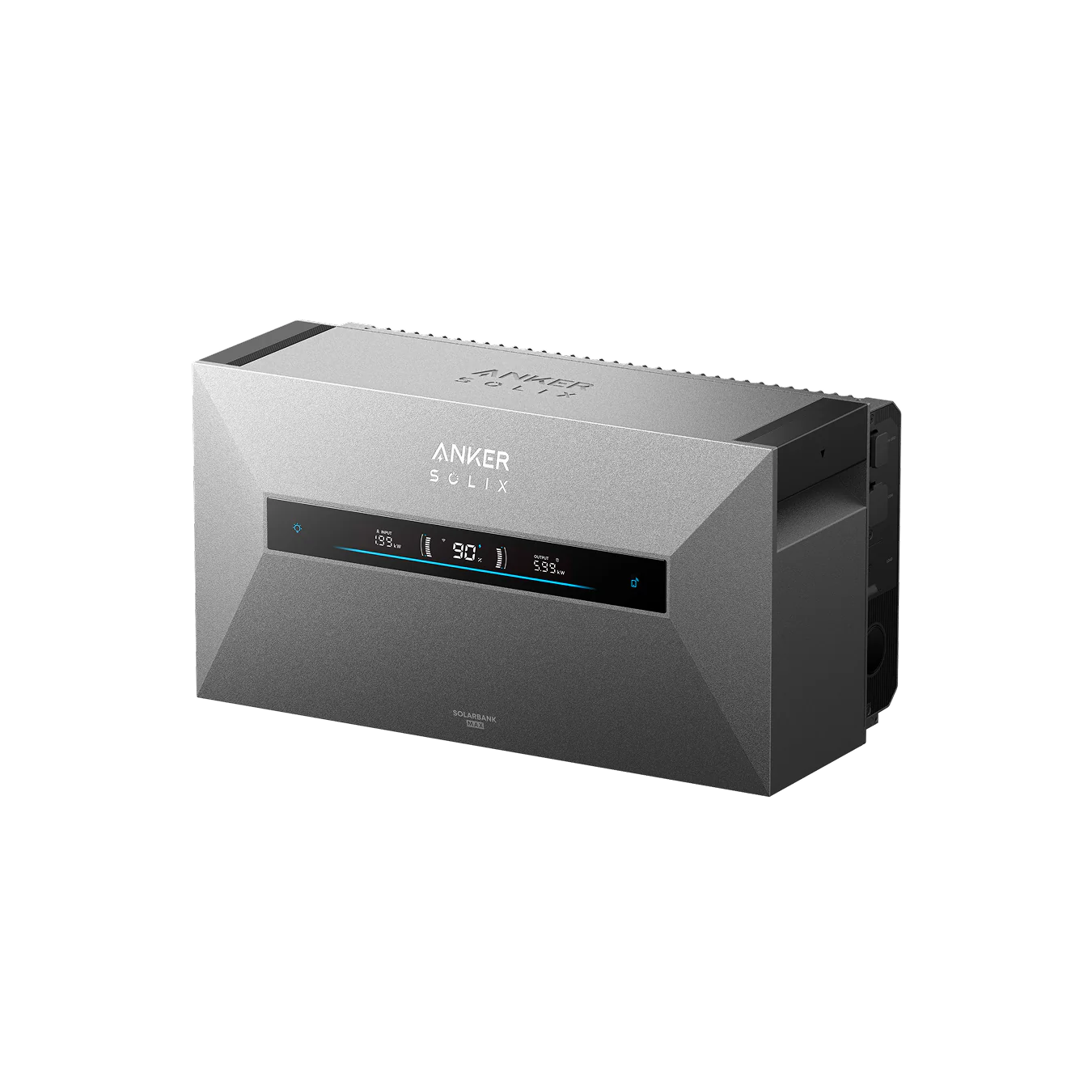
Anker SOLIX Solarbank Max AC
Product description
Sources and Control Points
Error 500 (Server Error)!!1500.That’s an error.There was an error. Please try again later.That’s all we know.
- class="ql-indent-1">Anker — Anker SOLIX Solarbank Max AC product page — https://www.ankersolix.com/nl/products/a17e2
- Rijksoverheid — Saving energy at home — https://www.rijksoverheid.nl/onderwerpen/energie-thuis/energie-besparen-in-huis
- Grid Management Netherlands — Information about the electricity grid and grid operators — https://www.netbeheernederland.nl/
Important checkpoints are: do you actually have hourly prices, what is your evening and night consumption, how much solar power are you currently using yourself, which group or circuit is available, and what local requirements apply for higher powers and registration.
Frequently asked questions
Does a smart home battery also work without a dynamic energy contract?
Yes, technically yes, but automatic charging at the cheapest hours is often less useful. Without hourly prices, there is usually less difference between loading and later use. A home battery can still be valuable for storing solar power or for higher self-consumption of generated electricity.
Is automatic charging at cheap hours always beneficial?
No, not always. The benefit depends on price differences, grid costs, taxes, charging and discharging losses and your own consumption profile. In practice, small price differences in particular often yield less than previously thought.
Can a smart home battery choose between storing solar power and charging cheap grid power?
Often yes, if the system has suitable management and planning. The battery can then take into account expected solar yield, your usage pattern and the dynamic hourly price. This is especially interesting for households with solar panels and higher evening consumption.
When is Anker SOLIX Solarbank Max AC a logical choice?
This is especially logical if you have a dynamic contract, want to cover your evening or night consumption, want to be able to expand later and are looking for a system that can plan charging and discharging per 24 hours. Additional control remains necessary with a fixed rate, very low consumption, limited installation space or an installation that is not suitable for higher powers. Therefore, first look at the contract type, available group or circuit, desired capacity and the conditions above 800 W.
Conclusion
A smart home battery can charge automatically when electricity is cheap, but especially if you have a dynamic contract, appropriate control and a suitable installation. The real advantage only arises when hourly prices, consumption profile, charging losses and technical preconditions are well matched. For households with solar panels and clear evening consumption, this is usually the most promising scenario.
The Anker SOLIX Solarbank Max AC is worth comparing, because the system can plan price-controlled charging and discharging, starts with 7 kWh and can grow later. Now compare your hourly prices, night consumption, available group, installation space and desired storage capacity with the official specifications of Anker SOLIX Solarbank Max AC. This way you can concretely check whether automatic charging at cheap hours in your home makes technical and financial sense.