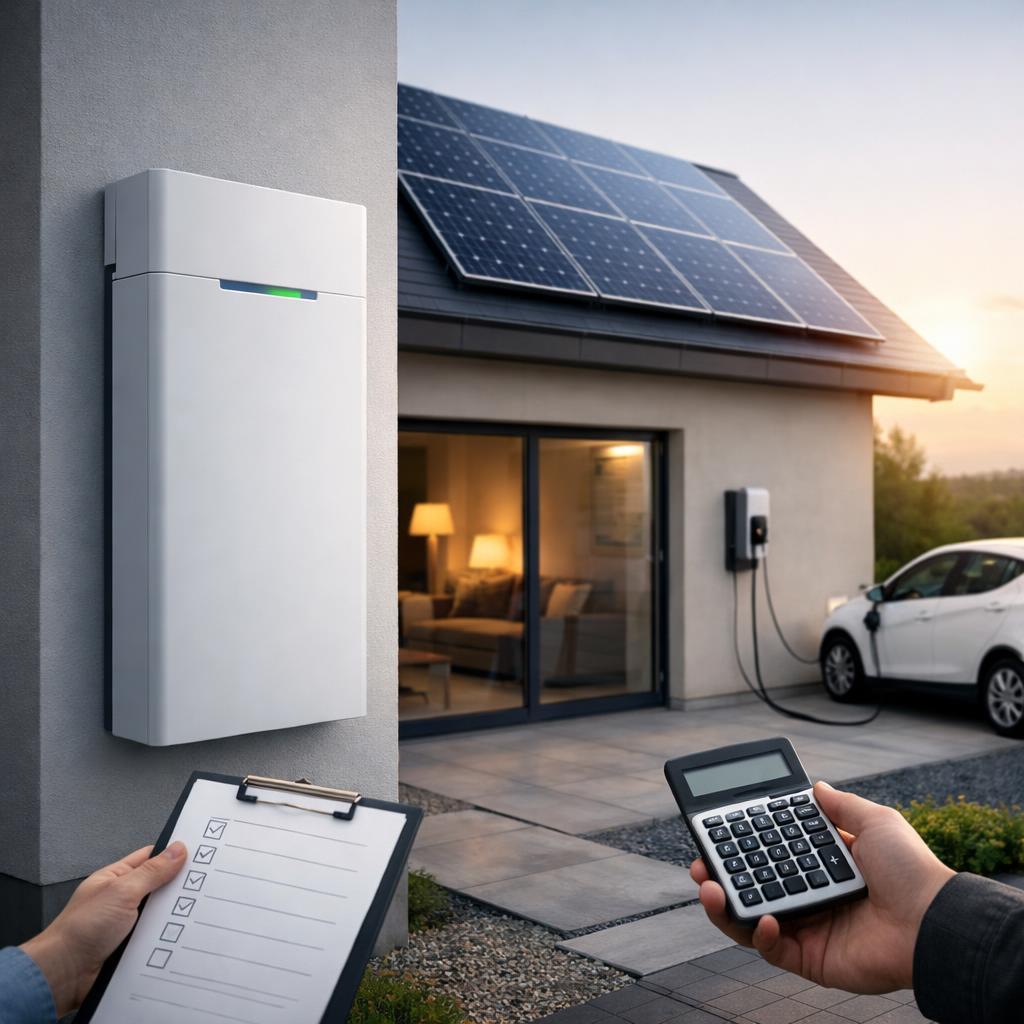
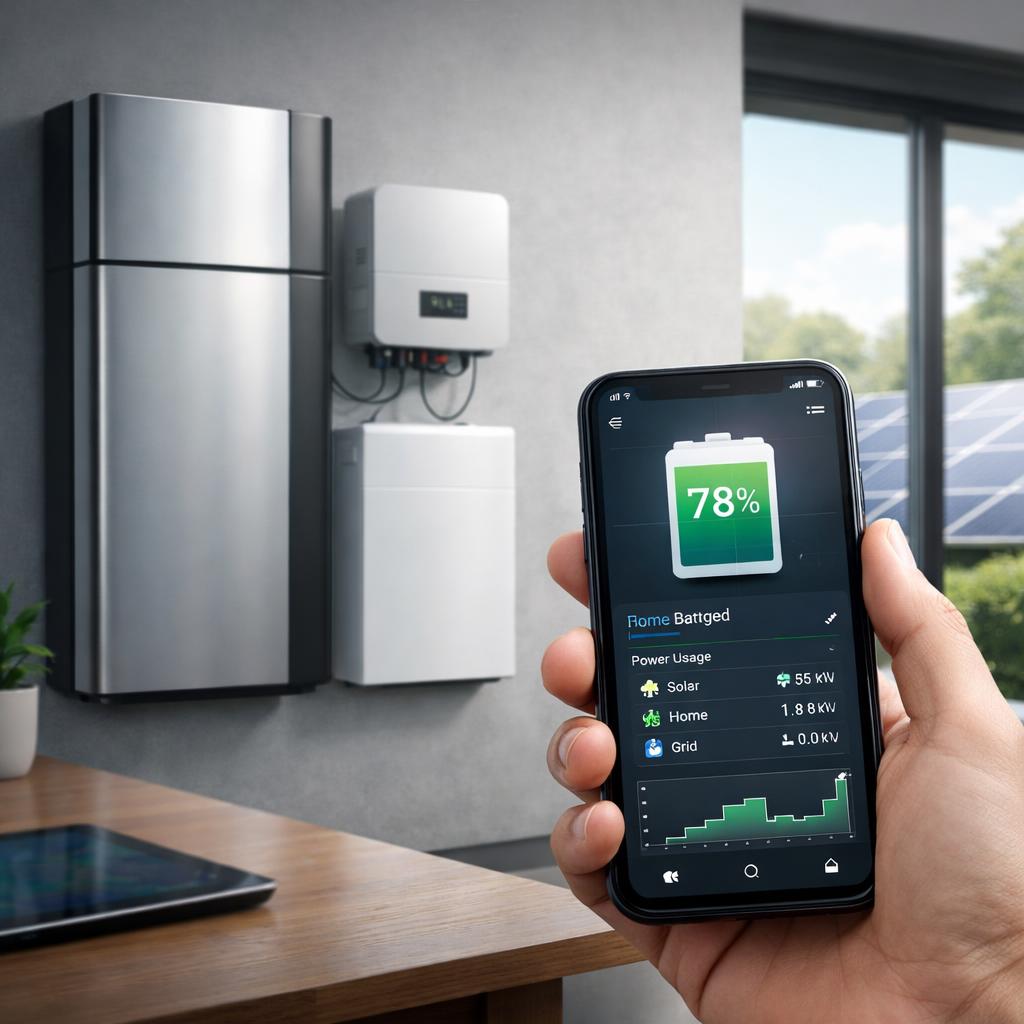
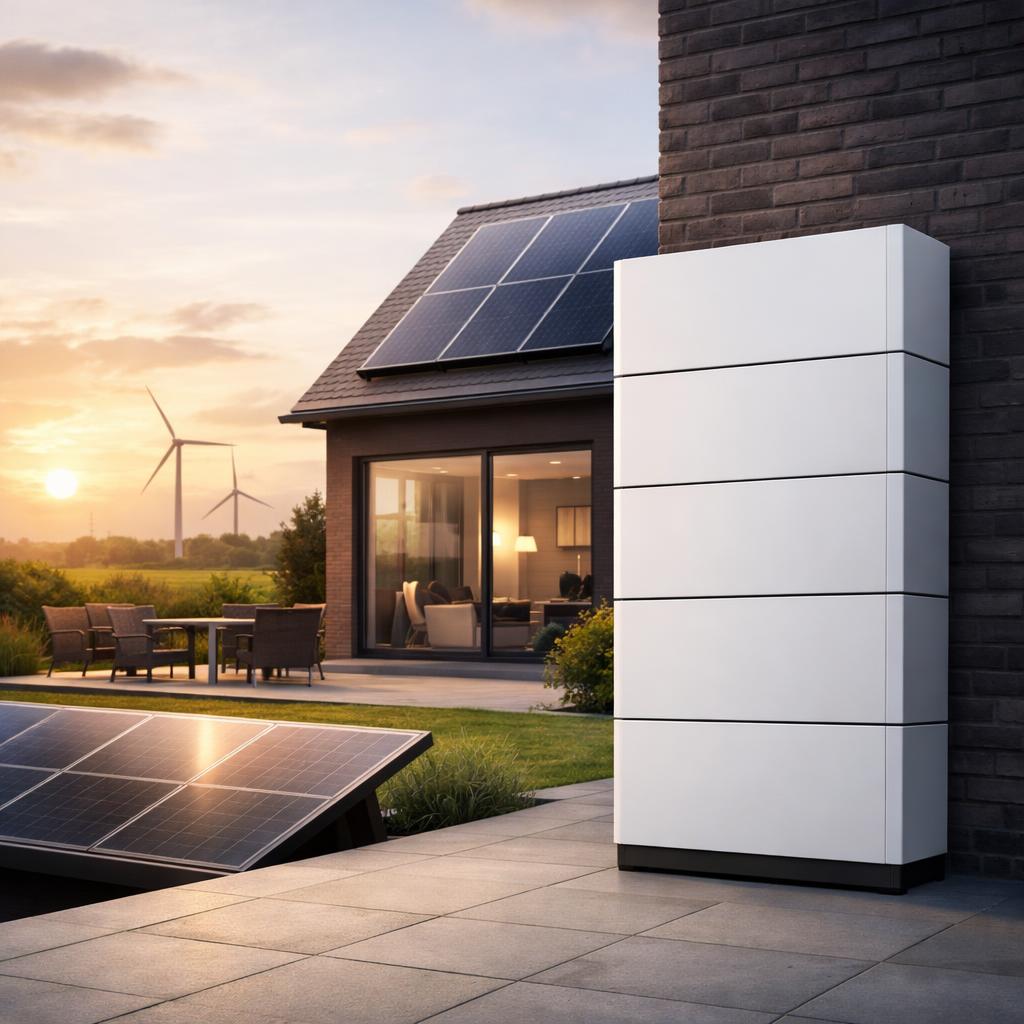
Short answer: There is no single home battery that is the best choice for every household. Anyone who searches for what is the best home battery usually ends up with the same core: the best option is the battery that suits your purpose, your actual power consumption, the required power, the available space and the local installation requirements. For many households in the United States, a home battery is especially useful if you want backup power, use more of your own solar power, or shift consumption to different hours.
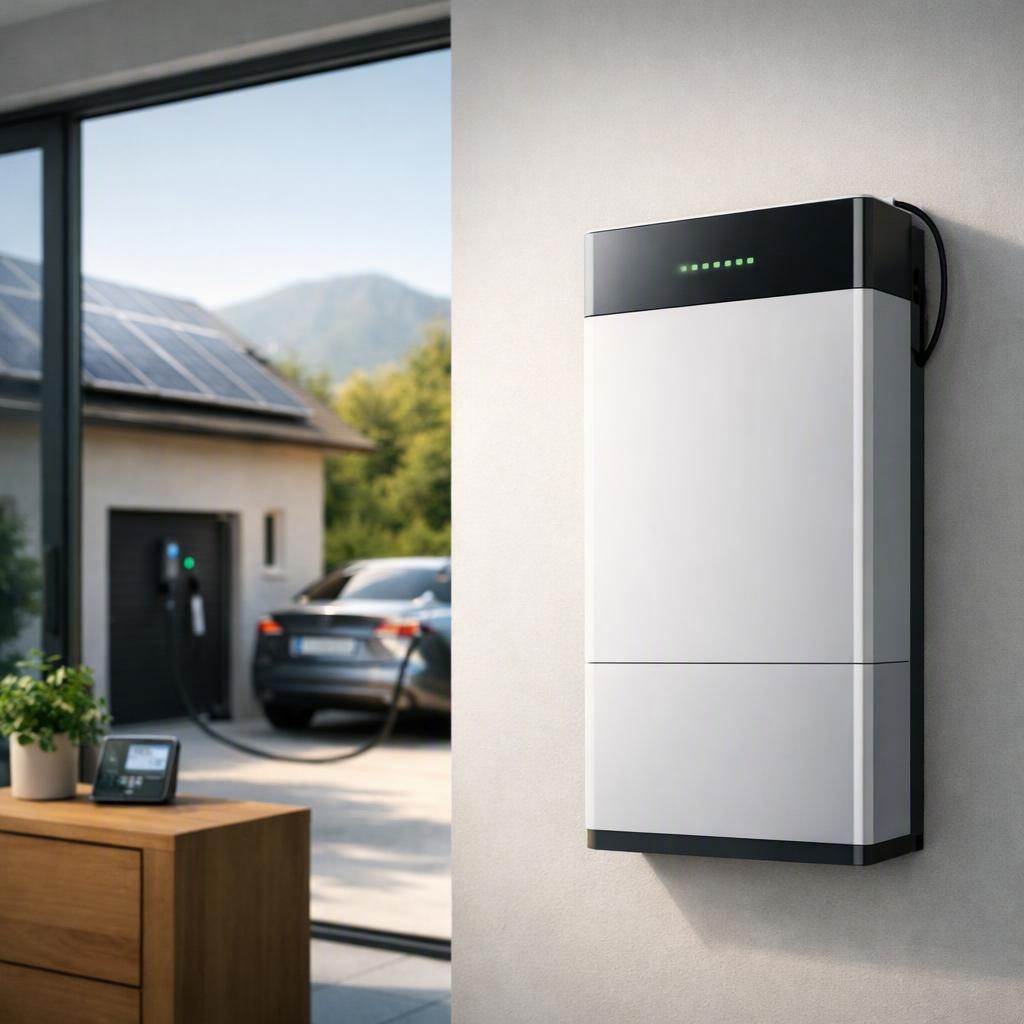
A home battery is less attractive if your consumption is low, supply still has sufficient value or installation is difficult due to heat, lack of space or local rules. Therefore, do not start with the largest system, but with the question of what you really want to bridge, which devices should remain on at the same time and whether expansion is desirable later. Also read first how to calculate your electricity consumption per day, so that you compare based on actual usage and not just on a number on the label.
When is a home battery the best choice?
Recommended for emergency power, higher self-consumption and peak reduction
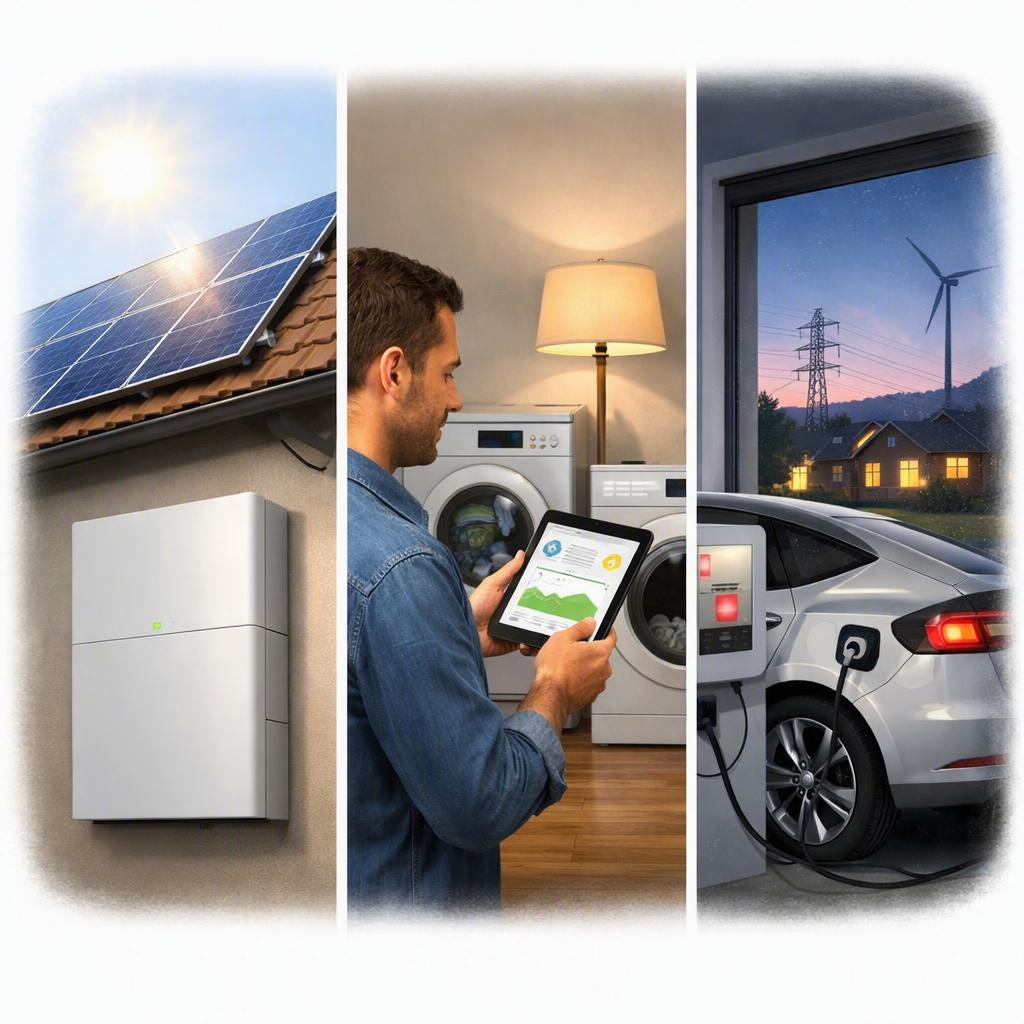
A home battery especially makes sense if your purpose is clear. Emergency power revolves around the question of which devices must continue to work in the event of a failure, such as refrigerator, lighting, internet, some sockets and possibly cooling or heating. Then not only storage is important, but also the power that the battery can deliver at the same time. For more personal use of solar power, it is important how much excess generation you have during the day and how much you want to use again later in the day.
A home battery can also make sense for peak reduction, but only if your household has really short, high loads that you want to smooth out. The best home battery is therefore not automatically the largest. A smaller system with appropriate power, a clear warranty and the option to expand later can be wiser in practice than a large system that does not fit well with your distribution box, home or daily use. If you are preparing for a power outage, it is advisable to first consider what emergency power your home really requires and only then compare capacity and power.
Less suitable for low consumption, limited space and weak added value
A home battery is often less suitable when your power consumption is already low, when you have little surplus solar panels or when you have no clear emergency power need. Then the practical gain can remain limited. Limited installation space can also be a decisive limitation. Batteries require a suitable location with sufficient ventilation, safe distances and compliance with local building and fire safety regulations.
It is also wise to consider alternatives. Sometimes more efficient appliances, shifting consumption or higher direct use of solar power yield more than storage. Anyone who mainly wants to increase their own use of generation can first see how solar panels and increasing their own consumption work in practice. The outcome may still be a battery, but sometimes another measure or a later extension makes more sense.
Which specifications determine which home battery is the best?
Pay attention to usable capacity, power, warranty and certification
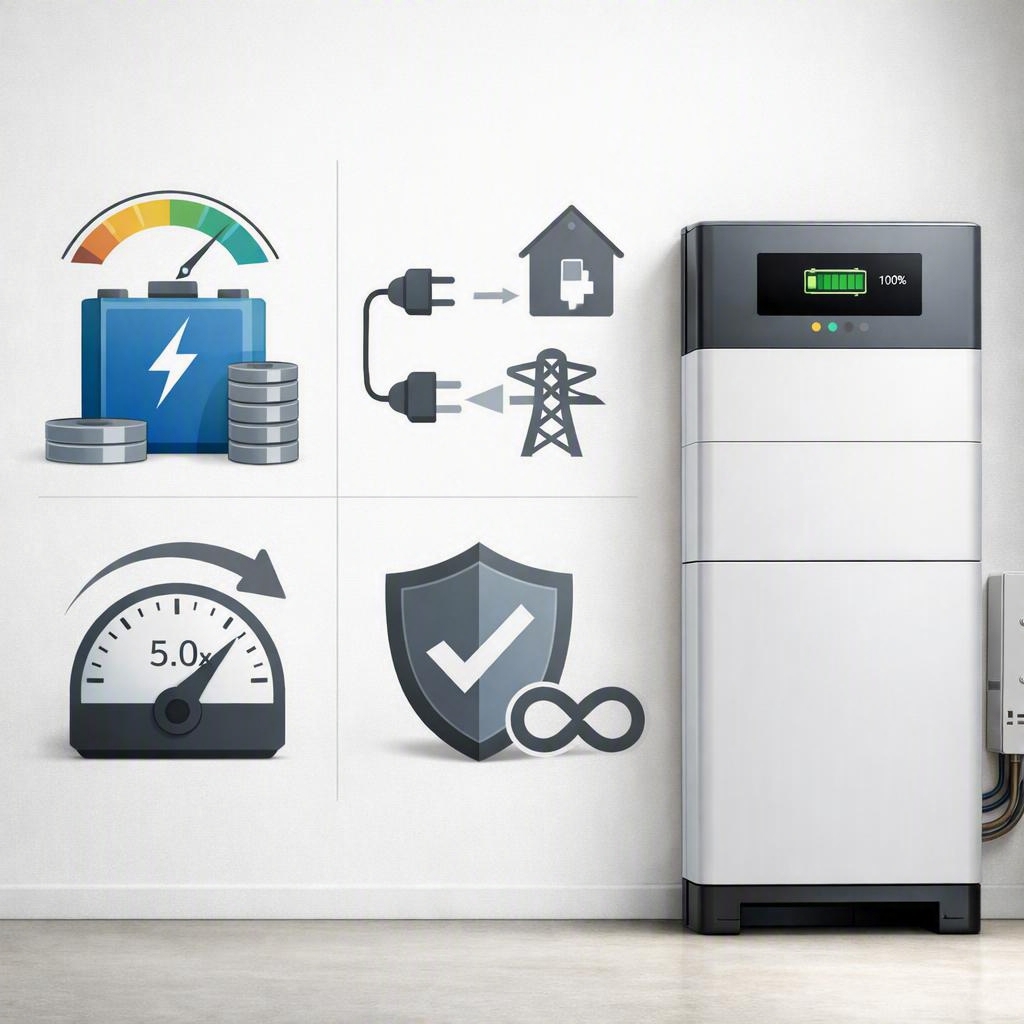
The most important comparison starts with usable capacity and continuous power. Usable capacity determines how long you can run devices. Continuous power determines how many devices can be supported simultaneously. A modest capacity can be useful for a limited emergency kit with refrigerator, lighting, internet and small electronics, but as soon as heavier consumers join in, the power requirement increases rapidly. So just looking at storage is not enough.
In addition, compare the warranty, charging and discharging performance, expandability, operating conditions and safety documentation. Ask what official specifications the installer can show, which standards apply and how the system behaves in the event of a mains failure. Also pay attention to the inverter, the connection to solar panels and the option to add extra modules later. An expandable system is often worth comparing, especially for households that are still unsure about their future consumption, because it can better match a gradual investment, available space and future flexibility.
- U.S. Department of Energy, Homeowner's Guide to Solar Energy, https://www.energy.gov/eere/solar/homeowners-guide-going-solar
- National Renewable Energy Laboratory, Battery Storage for Residential Solar Energy Systems, https://www.nrel.gov/docs/fy19osti/73236.pdf
- National Fire Protection Association, Standard 855 for the Installation of Stationary Energy Storage Systems, https://www.nfpa.org/codes-and-standards/all-codes-and-standards/list-of-codes-and-standards/detail?code=855
- U.S. Energy Information Administration, Energy use in homes explained, https://www.eia.gov/energyexplained/use-of-energy/homes.php
A down-to-earth comparison often works better than looking for one winner. Rather, divide the options according to suitability: primarily suitable for emergency power, secondary suitable for daily self-consumption and exploratory suitable for households that want to expand later. This way your choice remains controllable and better suited to your own situation.
How do you compare home batteries without focusing on brand names?
The simplest approach is to compare on situation, conditions, constraints, alternatives and control points. Start with your goal: do you mainly want emergency power, more self-consumption or lower peaks? Then look at the conditions: how much daily demand do you have, what emergency power do you want to keep available and how much installation space is there? Then take into account the limitations, such as local regulations, heat, placement, distribution box and any adjustments to the electrical installation.
Only then compare the concrete solutions. Check whether the specified capacity is usable, whether the continuous power matches the devices you want to continue using and whether the installation fits logically into your home. Also ask for safety documents, product specifications and a clear installation sketch. What the available information does support is that purpose and technical suitability outweigh storage size alone. What that information does not prove is that there is one best outcome for every home.
So if you are looking for the answer to the question of what is the best home battery, the most reliable answer is usually conditional: the best home battery is the battery that suits your purpose of use, your load, your home and the rules at your location.
Sources and checkpoints
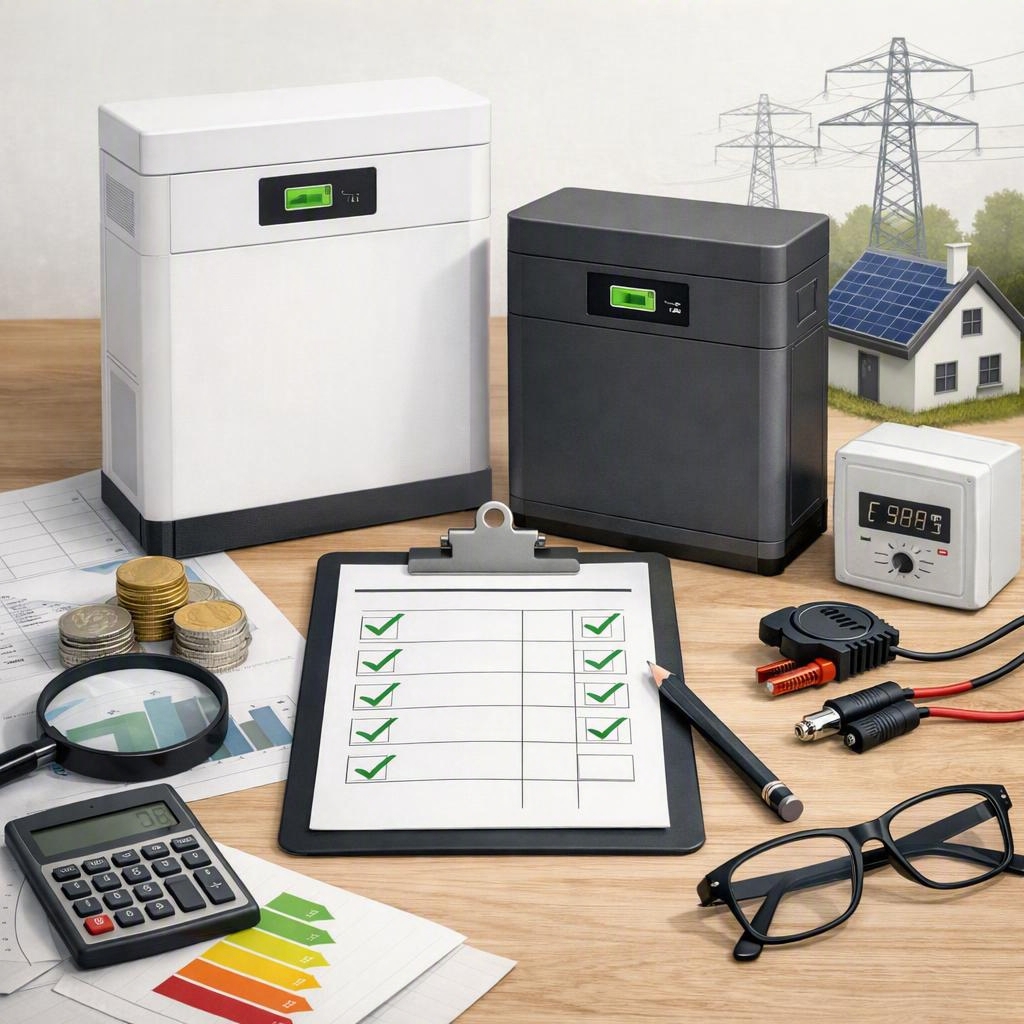
Use official publications and standards to check installer claims and product specifications. Pay attention to evidence about household consumption, residential storage, installation and fire safety. Also check whether the configuration offered suits your home, your distribution box and the desired level of emergency power.
Author: editors. Publication date: August 10, 2026. Last updated: August 10, 2026.
Frequently asked questions
What is the best home battery if I mainly want emergency power?
Then do not first choose based on storage size, but on continuous power, switchover in the event of a mains failure and the question of which groups should really remain active. The best option for emergency power may be smaller than you think, as long as the refrigerator, lighting, internet and other critical consumers are reliably supported.
What capacity do I need for my home?
That depends on your daily consumption and the number of hours you want to cover. Therefore, look at your actual consumption per day, the share you want to save and the devices that need to run at the same time. Usable capacity is more important than just the nominal value on the label.
Is a home battery useful without solar panels?
That is possible, but especially if you want emergency power or want to shift consumption to hours with more favorable electricity rates. Without your own generation, the added value usually depends more on your rate structure, risk of disruption and consumption profile than on storage alone.
What should I pay attention to regarding safety and placement?
Check certification, installation rules, fire safety, ventilation, temperature and local admission requirements. Always ask which standards apply, where the battery may be placed and whether the existing electrical installation is suitable for the chosen system and for possible later expansion.
Conclusion
The best home battery is therefore not a fixed winner, but a choice that depends on your purpose, your consumption, your desired emergency power and your home. For some households the emphasis is on emergency power, for others on higher self-consumption of solar power or on later expansion. Capacity, power, safety, certification and installation conditions together form the most reliable basis for comparison.
If you want to know which home battery best suits your situation, compare your daily consumption, the required emergency power, the available installation space, the expandability of the system and the official specifications of the options you are considering. Then check whether the chosen solution fits your distribution box, local rules and desired level of emergency power, so that you make a choice that is technically correct and practically usable.